
What Yellowstone’s Teeter Teaches Us About Misfits Who Survive in Tough Environments

Teeter stands out as one of the most unconventional characters on the Paramount Network’s Yellowstone, embodying the spirit of a true misfit fighting her way into the fabric of the Yellowstone Ranch. Her rough edges, unique style, and unfiltered authenticity set her apart from the rest of the bunkhouse, challenging the ranch’s traditional norms while proving her value in ways no one expected.
Teeter teaches us that misfits who survive do so by embracing their differences and relentlessly earning their place, even in unfamiliar or unforgiving environments. Through adversity, from life-threatening conflicts to gaining acceptance among the cowboys, Teeter navigates the harsh realities of ranch life without sacrificing who she is.
While the Yellowstone Ranch is a place built on legacy and tradition, Teeter’s journey shows that belonging isn’t about fitting in, but about showing up, enduring, and staying true to oneself. Her story resonates with anyone who’s ever felt out of place yet still found a way to endure and succeed.
Who Is Teeter? Character Profile
Teeter stands out on Yellowstone for her unique look, bold personality, and unconventional background. Played by Jennifer Landon, she has become a memorable figure whose qualities challenge norms among the Dutton ranch hands.
Backstory and Arrival
Teeter is introduced to viewers in Season 3 of Yellowstone as a new ranch hand on the Dutton Ranch.
Her arrival is anything but subtle. She immediately asserts herself among an all-male group, demonstrating a willingness to do tough work alongside the men. Her vibrant pink hair visually sets her apart, signaling she is not interested in fitting in but rather making her own space within the group.
According to character backstory, Teeter hails from the Arkansas side of Texarkana, which sits on the border with Texas and Oklahoma. She openly brings up her roots with other characters, such as Travis, who jokes about which side of Texarkana she’s from. Despite being a newcomer, Teeter quickly shows her loyalty as well as her capability, blending resilience with a sense of humor.
Teeter's Accent and Southern Roots
Teeter’s accent is both distinctive and authentic, shaped by her Southern upbringing and the region surrounding Texarkana.
Jennifer Landon, who portrays Teeter, crafted the accent to match a blend of Arkansas, Oklahoma, and Texas influences. Her nearly incomprehensible West Texas drawl became a signature part of her character, making conversations with her both memorable and challenging for other characters.
Her accent, paired with her rural background, grounds Teeter in a genuine sense of place. This regional authenticity is highlighted throughout her appearances, and it resonates with the show’s depiction of modern western life. The casting director remarked on Landon's dedication in her audition, where she fully embraced Teeter’s quirks and speech.
Fan Reception and Impact
Teeter quickly became a fan favorite on the Paramount Network series, setting herself apart with a distinctive personality and appearance.
Audiences responded strongly to her unfiltered attitude, pink hair, and the comedic energy she brought to intense storylines. Social media and fan forums often highlight her scenes as both entertaining and important for the show’s balance.
The official Yellowstone YouTube channel has created dedicated videos celebrating her best moments, reflecting her widespread popularity. Critics and viewers alike credit Jennifer Landon's performance for giving depth to a character who could have been a stereotype but instead adds complexity to the ranch hand dynamic.
Teeter as a Misfit: Breaking Boundaries
Teeter’s presence in Yellowstone challenges traditional notions of who belongs, especially among the ranch hands. Her journey reveals how resilience, boundary-pushing choices, and complex symbolism shape her life on the Dutton ranch.
Gender-Defying Role in Yellowstone
Teeter is one of very few female ranch hands at Yellowstone, immediately setting her apart. Her character subverts gender expectations in a setting dominated by men. She uses rough language, rides as hard as any man, and refuses to adopt behaviors typically expected from women in cowboy culture.
Her approach is not just about toughness but about full participation in the rough, wild world of ranch life. Teeter’s identity is wrapped in grit and resilience, which she demonstrates through relentless work and willingness to confront danger.
Despite skepticism and even hostility from some coworkers, she earns her place through both skill and determination. This role highlights how she breaks boundaries not just by being present, but by thriving in a space rarely open to women.
Vulnerable Moments and Strengths
Though known for her wild attitude and defiance, Teeter’s vulnerability surfaces at key points. She faces exclusion, both as a woman and as someone who doesn’t fit traditional molds. Her “motherless” background adds to her outsider status but also becomes a source of strength.
These moments show her as more than just a tough character. When she faces threats or feels ostracized, she expresses real emotion, which deepens her portrayal and shows the audience her humanity. Her willingness to show hurt—then move past it—demonstrates her adaptability and grit.
Periods of vulnerability do not diminish her; they reinforce her resilience and commitment to continuity among the branded hands. This combination makes her a rare kind of misfit who is tough and yet relatable.
The Branded Woman: Significance and Symbolism
One pivotal moment for Teeter is receiving the Yellowstone brand—a mark typically reserved for the most committed ranch hands. As a branded woman, her role takes on extra layers of meaning. The brand, often interpreted as a symbol of loyalty and belonging, disappears at times in the show, even more so for a female ranch hand.
Teeter’s willingness to take the brand stands as a sign of her dedication to the ranch’s continuity. She is made part of a brotherhood that rarely makes room for women, indicating she’s no mere outsider but an integral part of the family.
This symbolism underlines her struggle for acceptance and her success in carving out a space where she is recognized not for fitting a mold, but for surviving—and thriving—on her own terms.
Teeter’s Relationships in the Bunkhouse
Teeter’s arrival on Yellowstone Ranch marks a turning point in the bunkhouse dynamic, pushing boundaries and redefining how outsiders fit within tightly knit groups. Her interactions reveal complex themes like acceptance, trust, and the ways humor helps misfits survive in tough environments.
Bond with Colby and the Bunkhouse Crew
Teeter (played by Jennifer Landon) quickly forms a unique bond with Colby, portrayed by Denim Richards. This relationship stands out for its gradual evolution from playful banter and resistance to genuine loyalty and partnership. Despite Colby initially acting disinterested, Teeter’s persistence and unfiltered nature eventually break down his walls.
Their relationship deepens after the traumatic incident where Colby and Teeter are attacked while skinny dipping. This shared experience creates a sense of solidarity that cements Teeter’s place in the crew. The rest of the bunkhouse also begins to accept her after witnessing her resilience and loyalty.
Teeter’s presence changes group dynamics, challenging the ranch hands to adjust to her style while ultimately bringing them closer together. Her bond with Colby highlights how outsiders can become essential to the group through shared hardships and honest connection.
Navigating Loyalty and Trust
Loyalty in the bunkhouse is built through action, not words. Teeter proves herself to the crew and to Rip Wheeler by consistently showing up during high stakes moments. Her willingness to stand up for her fellow ranch hands, especially Colby, earns her trust and respect from the group.
Trust is not given easily in the bunkhouse. Teeter must navigate skepticism from others, especially as a woman in a predominantly male space. By refusing to back down and demonstrating dependability, she challenges established norms and carves out her place among the crew.
Her loyalty is best seen when she joins in the group’s pursuit of justice after she and Colby are attacked. This act, and her steadfastness afterward, helps solidify her status as a trusted and valued member of the team.
Camaraderie and Humor
Teeter relies on humor, including her blunt jokes and offbeat language, to connect with the bunkhouse crew. Her comedic approach often breaks tension in stressful situations and bridges gaps between personalities. Teeter’s infectious energy brings out the lighter side of even the most guarded ranch hands.
Camaraderie emerges as a theme in her interactions. Whether she’s sharing laughs in the bunkhouse or participating in group activities, Teeter encourages others to open up. She shifts the group dynamic from exclusion to acceptance, especially among misfits and outsiders.
Her humor and unfiltered communication style also serve as protective mechanisms—essential for survival in the often harsh environment of the ranch. This use of humor helps foster stronger bonds and makes the bunkhouse feel more like a chosen family for everyone involved.
Key Moments: Survival and Toughness
Teeter’s journey on Yellowstone highlights how resilience and grit are forged through adversity. Her defining moments reveal that survival at the Dutton Ranch demands more than physical strength—it requires loyalty, adaptability, and a willingness to face threats head-on.
Season 3: Traumatic Experiences and Survival
In season 3, Teeter faces her most traumatic trials after joining the bunkhouse. The attacks orchestrated against the ranch put her right in harm’s way. During an ambush on the Dutton ranchers, Teeter is physically assaulted and left with visible injuries, a stark reminder of the dangers that come with ranch life.
Despite the violence she endures, Teeter recovers quickly and maintains her drive to stay with the crew. Her refusal to be intimidated reflects a deeper toughness that endears her to both the Dutton family and her fellow ranch hands. This resilience is especially clear after the traumatic season 3 finale, where her survival becomes a testament to her fortitude.
Conflicts with Clint and Wade Morrow
Clint and Wade Morrow introduce a new threat when they challenge the Duttons’ authority. The Morrows’ schemes affect everyone on the ranch, including Teeter, whose sense of justice and loyalty is tested during their violent conflict.
Teeter witnesses the escalation firsthand when the Morrows target the ranch and its workers. The resulting struggles force her, along with the other ranch hands, to fight not just for their jobs, but for their lives and sense of belonging. These conflicts drive home the reality that survival at the Yellowstone Ranch is an ongoing battle shaped by both outside threats and internal resolve.
Fighting to Belong at the Yellowstone Ranch
Teeter’s rough demeanor and unique background make her an outsider when she first arrives at the bunkhouse. The close-knit atmosphere means new faces must work harder to prove their worth, and responsibility is earned—not given—at the Yellowstone Ranch.
Through relentless work, loyalty, and facing adversity alongside the bunkhouse crew, Teeter gradually secures her place. Notably, her determination to remain part of the team is seen when she stands her ground even when challenged by the toughest members. Her ability to shoulder responsibility and push through hardship becomes a model of survival for misfits who refuse to give up.
Key factors in Teeter’s survival at Yellowstone:
Adversity Response Traumatic assault Rapid physical recovery Bunkhouse challenges Relentless perseverance Outside threats Loyalty to the ranch
Teeter’s Legacy on Yellowstone
Teeter stands out on "Yellowstone" as a ranch hand who defies expectations and sets herself apart with her resilience and unique voice. Her presence on the ranch, her memorable lines, and the way she influences others help shape both the culture and the legacy of the Dutton family’s operation.
Influence on Female Ranch Hands
Teeter’s role breaks typical gender boundaries in a tough environment historically dominated by men. She works hard, earns the respect of her peers, and becomes one of the few female ranch hands to receive the Dutton family brand. This act marks her as fully accepted into the ranch’s inner circle.
She signals to other women that the ranch isn’t off-limits. Her unapologetic attitude and willingness to handle the same physical challenges as her male coworkers change the dynamics for future hires. Teeter becomes a symbol of tenacity and possibility for women in modern Western narratives.
Her participation in high-stakes events—such as cattle roundups, branding, and even life-and-death moments—proves that strength and loyalty come in many forms. She actively shapes perceptions around what female ranch hands can accomplish on Yellowstone.
Memorable Quotes and Scenes
Teeter is known for her direct speech and indelible one-liners, which often bring humor and authenticity to the ranch. Fans recall her straightforward approach to difficult situations, notably saying “I killed a man today,” a reference to the violence and moral weight of working on the Dutton ranch.
Her quotes quickly entered the broader collection of Yellowstone quotes celebrated by viewers. Teeter brings color to tense moments, cracking jokes or stating hard truths in a way that resonates with her coworkers. This plainspoken honesty fosters trust but also underlines the darker pressures of ranch life.
Scenes featuring her defending her role, demanding fairness, or simply joining the bunkhouse banter illustrate her ability to navigate and survive as a misfit. These moments endure as some of the show’s most remembered bunkhouse interactions.
Impact on Yellowstone Ranch’s Culture
Teeter’s presence alters ranch culture by setting new expectations for loyalty and inclusion. Her journey to earning the Dutton family brand is a rare feat, highlighting both her commitment and the changing norms of the ranch.
She insists on being treated equally, which nudges others to reevaluate their biases about who belongs. Teeter’s friendships with fellow ranch hands bridge gaps and inspire solidarity, strengthening the team dynamic in daily labor and crisis.
By thriving as an outsider and earning her place, she contributes to the ongoing legacy of the ranch as a place where loyalty, grit, and individuality matter as much as tradition. This impact, both subtle and obvious, continues to shape Yellowstone’s evolving definition of family and strength.
The Dutton Family and Teeter’s Place Among Them
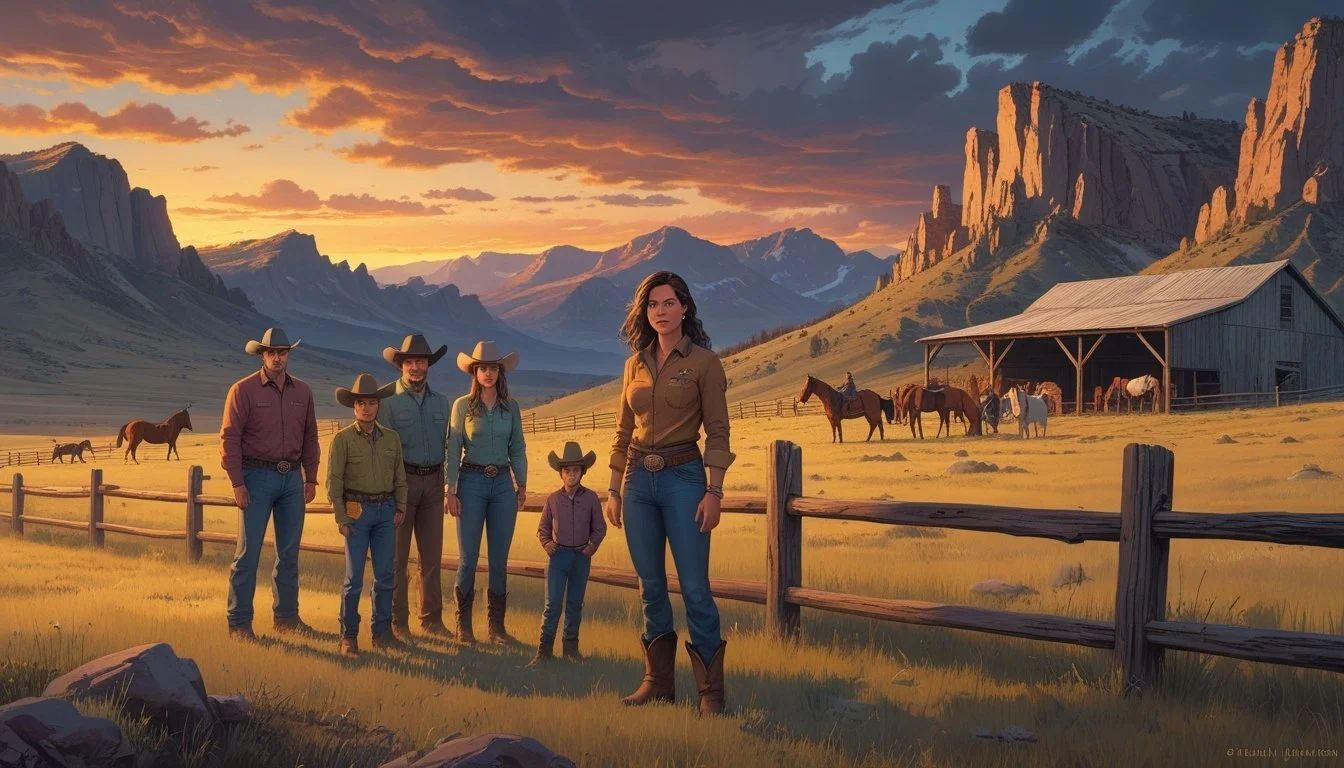
Teeter is an outsider brought into the heart of the Yellowstone Dutton Ranch. Her relationships with key members of the Dutton family reveal how the ranch brings together a mix of personalities and backgrounds.
Working for John Dutton and Rip Wheeler
John Dutton, played by Kevin Costner, leads the sprawling ranch with strict expectations for loyalty and hard work. As the ranch owner, his authority sets the tone for every employee’s place within the hierarchy.
Rip Wheeler, the ranch foreman, manages daily operations and enforces John’s standards among the bunkhouse crew. Teeter’s integration under Rip’s supervision is not straightforward. Her unconventional style—marked by a distinct accent, brash humor, and fearless attitude—initially sets her apart from more traditional hands.
Despite the rough edges, both John and Rip measure Teeter against her resolve and work ethic rather than her background. Teeter’s willingness to take on tough, dangerous work earns the grudging respect of both men. In scenes where loyalty is tested, Rip’s support for Teeter signals her growing status as a true member of the Yellowstone workforce.
Interacting with Beth Dutton and the Duttons
Beth Dutton, portrayed by Kelly Reilly, is known for her sharp tongue and confrontational demeanor. Teeter’s interactions with Beth and the rest of the Duttons frequently highlight the boundaries between family and the hired hands.
Teeter’s blunt nature and lack of pretense often make her stand out during tense moments in the bunkhouse or around the Duttons’ home. Unlike the core family, who share a history of legacy and pain, Teeter enters without prestige or inherited ties.
Despite initial barriers, especially with Beth’s skepticism, Teeter begins to carve out a place for herself. The occasional moments of humor or shared aggravation between Teeter and Beth hint at a mutual recognition of strength, even if acceptance isn’t openly expressed.
Sense of Belonging and Acceptance
Belonging at Yellowstone Dutton Ranch is not given freely—it’s earned through loyalty and grit. Teeter’s journey from outsider to trusted hand reflects this unwritten rule.
The bunkhouse, where new arrivals are often treated with suspicion, becomes a microcosm of the larger ranch’s test for misfits. Teeter faces hazing and skepticism from veteran ranch hands but consistently proves her value in demanding situations.
Her determination and refusal to back down gradually shift perceptions. As trust grows, Teeter is offered more responsibility and protection, signaling her full acceptance. These shifts illustrate how Yellowstone both challenges and ultimately includes those willing to fight for their place.
Behind the Scenes: Bringing Teeter to Life
Teeter’s impact is no accident—it results from dedicated performance, a distinctive creative vision, and a casting process that targeted uniqueness. Every aspect of her character, from her accent to her body language, was crafted to fit the distinct environment of the Dutton ranch.
Jennifer Landon’s Portrayal and Preparation
Jennifer Landon approached Teeter with intent focus, committing to every detail of the character’s speech and behavior. Adopting a near-incomprehensible West Texas drawl, she made Teeter’s voice instantly recognizable, echoing authenticity and humor.
She immersed herself in the physicality of ranch life, learning skills that helped her move and work convincingly alongside seasoned actors. Attention to gesture, posture, and mannerisms—such as the way Teeter walks or laughs—gave the character individuality.
Landon’s understanding of the misfit archetype was influenced partly by her family background. As the daughter of Michael Landon, she brought depth and sensitivity to Teeter, ensuring the character resonated emotionally. Her performance often revealed the layers beneath Teeter’s tough exterior.
Taylor Sheridan’s Vision for Misfits
Taylor Sheridan, the creator and showrunner, values authenticity and diversity of character in Yellowstone. He conceived Teeter as more than comic relief—she embodied the unfiltered strength and survival instincts of outsiders fighting for belonging.
Sheridan’s scripts gave Landon freedom to bring out Teeter’s quirks and vulnerabilities. He emphasized building a ranch community not just of traditional heroes, but of individuals whose differences made them indispensable.
Misfits, as seen through Sheridan’s eyes, thrive by adapting and pushing boundaries. Teeter’s self-discovery and resilience highlight the show’s broader message: that survival on the Dutton ranch requires grit, loyalty, and willingness to embrace the unconventional.
Casting and Audition Process
The casting process for Teeter was deliberate, led by the Yellowstone casting director in collaboration with Taylor Sheridan. The goal was clear: find an actress who could embody a genuine outsider, someone unafraid to break norms yet blend in with the rugged world of the Paramount Network series.
Jennifer Landon auditioned with an unpredictable energy and physicality, instantly standing out to the creative team. Her rough-edged style and offbeat delivery matched Sheridan’s vision for a ranch hand who doesn’t fit any cliché.
Key factors in Landon’s selection included her versatility and proven ability to connect with audiences. The audition emphasized improvisation and authenticity, reinforcing the need for a Teeter who could contribute both humor and heartfelt emotion to the ensemble.
Themes and Lessons from Teeter’s Journey
Teeter’s story on Yellowstone explores how adversity shapes individuals on the fringes. Her journey highlights how unconventional people survive and thrive, even when they don’t fit in.
Resilience and Grit in a Harsh World
Teeter’s introduction to the Yellowstone bunkhouse is anything but smooth. She faces rough conditions, skepticism, and social obstacles. Instead of backing down, she meets each challenge directly, showing resilience that keeps her moving forward.
Her grit means she refuses to let insults or hostility push her away. She adapts quickly, performing difficult ranch work and standing her ground in confrontations. These moments reinforce how survival often depends on mental toughness as much as skill.
Teeter’s willingness to keep working shows how resilience and grit are crucial. She models how those on the margins often have to work harder—outlasting both the environment and people who doubt them.
Finding Identity Among Misfits
Teeter doesn’t conform to typical expectations for ranch workers or fit cleanly into any group. Her speech, appearance, and attitude all mark her as different. Instead of viewing her differences as flaws, she embraces them, finding her own sense of identity.
The bunkhouse acts as both a test and a haven. Teeter discovers purpose and self-acceptance among others who also struggle with belonging. By remaining unapologetically herself, she challenges the group’s norms but also helps broaden what is accepted.
Key moments, such as her struggle to earn trust and carve out space for herself, reflect broader themes of discovery and self-discovery. Teeter’s journey illustrates how identity can be shaped positively within a community of misfits.
The Power of Loyalty
Loyalty stands out as one of Teeter’s defining traits. She consistently supports her friends and stands up for the people she considers family. Her loyalty is not automatic; it must be earned through mutual respect and shared experience.
This quality is evident when she refuses to back down in support of her friends, even when it puts her at personal risk. Her steadfastness builds strong bonds, providing stability to those who may feel rootless or rejected elsewhere.
Romance and friendship deepen her sense of connection. For Teeter, loyalty is an action, not just a feeling—shown by defending her place in the bunkhouse and protecting those she cares about.
Yellowstone Setting: Survival Against the Wild
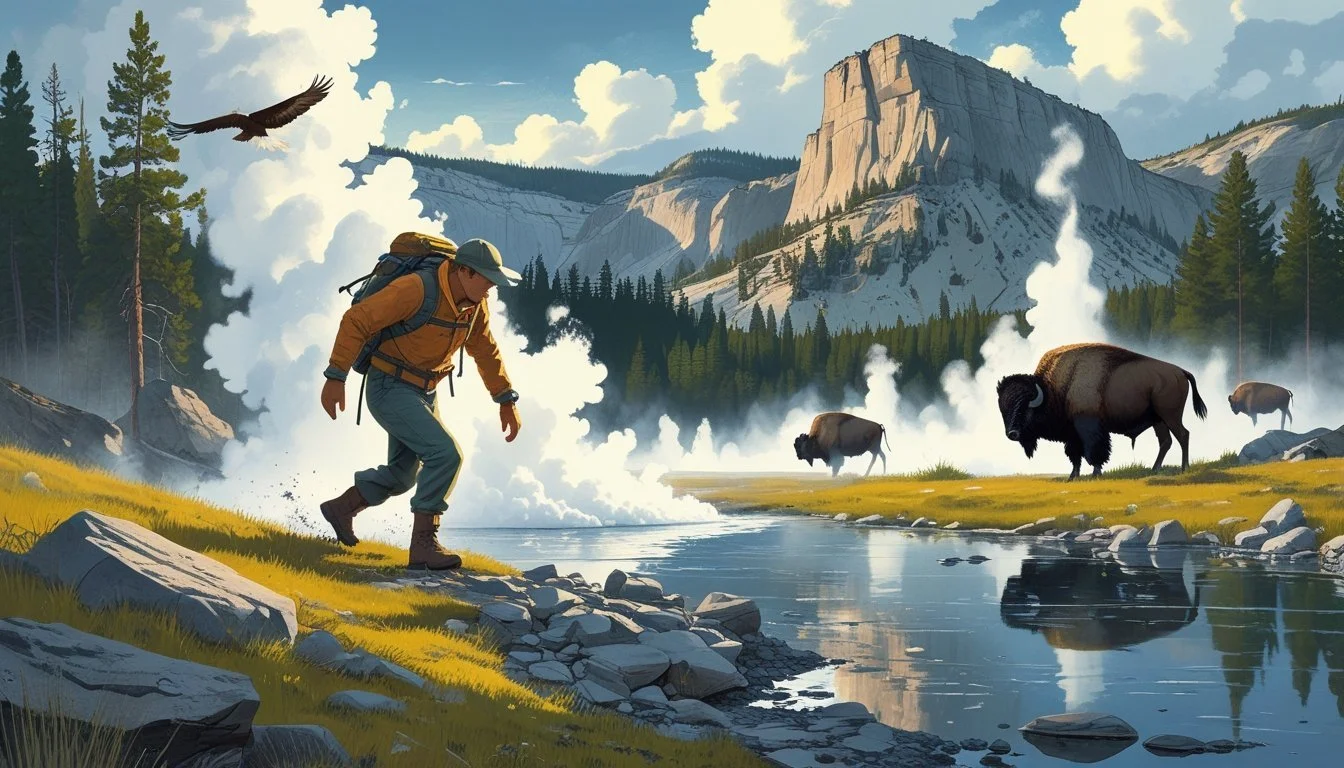
Yellowstone’s landscape poses real hazards for both ranch hands and animals. The environment shapes not only physical survival, but also the ways characters relate to danger, adaptation, and resilience.
The Ranch and Wildlife Challenge
Daily life on the Yellowstone Dutton Ranch is defined by its proximity to untamed land. The ranchers, like Teeter, face threats from unpredictable weather, injury, and encounters with aggressive wildlife.
Ranch work involves early mornings and intensive labor, often carried out miles from help. Cattle drives, fence repairs, and sheep farm operations expose workers to bison, elk, and bears. For many, living alongside these animals leads to constant risk, as herds and predators cross paths with ranch stock.
The ranch itself borders Yellowstone National Park, where federal land management decisions can impact grazing rights and livestock safety. Regulation changes sometimes heighten tensions between the ranchers and conservation authorities, forcing them to constantly adapt to new rules.
Wolves, Geysers, and Nature’s Threats
Yellowstone is home to unique dangers not found on typical ranches. Wolf packs move across open land, sometimes preying on livestock. When wolves return to the park’s ecosystem, they change predator-prey dynamics and reshape how ranch hands protect animals. This requires vigilance and quick decision-making in the face of sudden attacks.
Geothermal features like geysers and hot springs present hazards for anyone navigating the terrain. While eruptions are not an everyday threat, lava flows, boiling pools, and sudden ground collapses demand respect and caution from those traversing the park’s boundaries. Workers must learn safe routes and emergency procedures to prevent accidents caused by the park’s volatile geology.
Additionally, wildfires—sparked by lightning or drought—are a recurring threat. Fire can wipe out grazing land and force evacuations, adding another layer of risk to ranch life.
Conservation and Larger Yellowstone National Park Context
Yellowstone National Park is a protected space, known for its conservation efforts and biodiversity. The intersection of ranch operations and protected lands creates both opportunity and conflict.
Key conservation issues affecting ranchers include:
Wildlife management (e.g., handling wolf-livestock conflict)
Grazing restrictions
Habitat restoration initiatives
Ranchers often find themselves at odds with environmental regulations designed to preserve natural habitats. These policies aim to support species like wolves and bison but can limit the resources available to ranch families. Navigating this relationship is crucial for survival, requiring negotiation, adaptability, and an understanding of the law.
Yellowstone's status as a national park also attracts scientists and tourists, increasing scrutiny of how ranchers use the land and manage their livestock. This heightened attention influences decisions on everything from fencing to water use.
