
When Yellowstone Becomes More Western Than Westerns
Exploring Its Impact on Modern TV Narratives
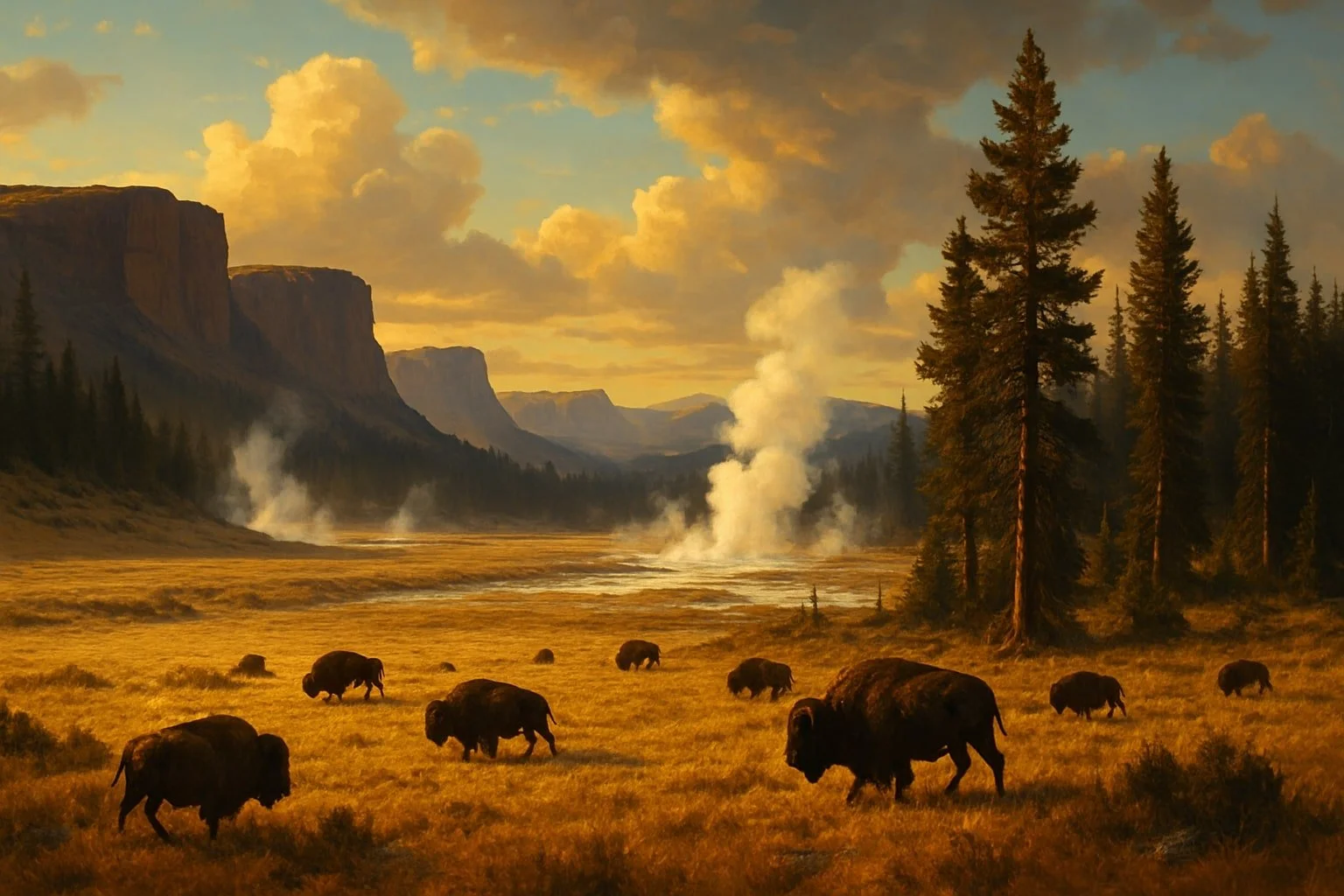
Yellowstone blurs the lines between traditional Westerns and contemporary drama by infusing modern conflicts and characters into the classic setting of the American West. While it may not follow every trope of the genre, it captures the spirit of the Western through its focus on land, loyalty, and rugged individualism. The show combines high-stakes family drama with the unmistakable backdrop of wide-open landscapes and cowboy life.
Many classic Westerns have been defined by clear moral divides and old frontier struggles, but Yellowstone reimagines these themes in a present-day context. Its characters navigate power, legacy, and survival in ways that often feel more Western than the genre’s own Golden Age heroes. This fresh approach raises the question of whether Yellowstone has become, in some ways, a truer successor to the Western legacy than the traditional films and series that came before it.
The Evolution Of Westerns And Yellowstone's Place In The Genre
The Western genre has changed drastically from its origins, reflecting broader shifts in American society and storytelling. Yellowstone exemplifies how modern series reshape familiar genre elements while responding to evolving audience expectations.
Traditional Western Genre Conventions
The classic Western focused on the American frontier, featuring strong, silent protagonists, dramatic showdowns, and stark landscapes. Common themes included law versus chaos, individualism, land disputes, and survival.
Iconic films by directors like John Ford established grit, terse dialogue, and the lone gunslinger archetype. Settings such as dusty towns, cattle ranches, and open plains became central visuals. Villains ranged from outlaws to corrupt officials, highlighting clear moral divides.
Most early Westerns depicted a simplified view of good versus evil and rarely explored the inner conflicts of their characters. The legacy of these conventions set the framework for what audiences expected from the genre.
Neo-Westerns And The Rise Of Modern Westerns
Neo-westerns break away from many traditional conventions, updating the genre for modern audiences. These stories often blur moral lines, embed social commentary, and shift the action to contemporary settings like border towns or modern ranches.
Taylor Sheridan's work, including Yellowstone, draws on these trends by presenting complex characters in morally ambiguous situations. Neo-westerns may explore urbanization, environmental issues, and family legacy alongside historical conflicts.
Notable examples beyond Yellowstone include No Country for Old Men and Hell or High Water. While violence and lawlessness remain, the context and motivations behind these actions feel more nuanced and resonant with modern viewers.
Yellowstone’s Cultural Impact On Western Storytelling
Yellowstone revitalized the Western genre by attracting massive weekly audiences and inspiring a wave of spinoffs and prequels. Its vast Montana settings, intense family drama, and layered conflicts elevated audience engagement with Western tropes.
The series, created by Taylor Sheridan, leveraged modern storytelling tactics without abandoning the iconography of the American West. Yellowstone highlights land ownership battles, the intersection with Native American history, and power struggles in rural America.
It has influenced how networks and streaming services approach Western stories, promoting deeper character development and serialized narratives. Yellowstone’s success ensures that the legacy of the Western genre remains relevant for new generations.
Yellowstone: Redefining The West
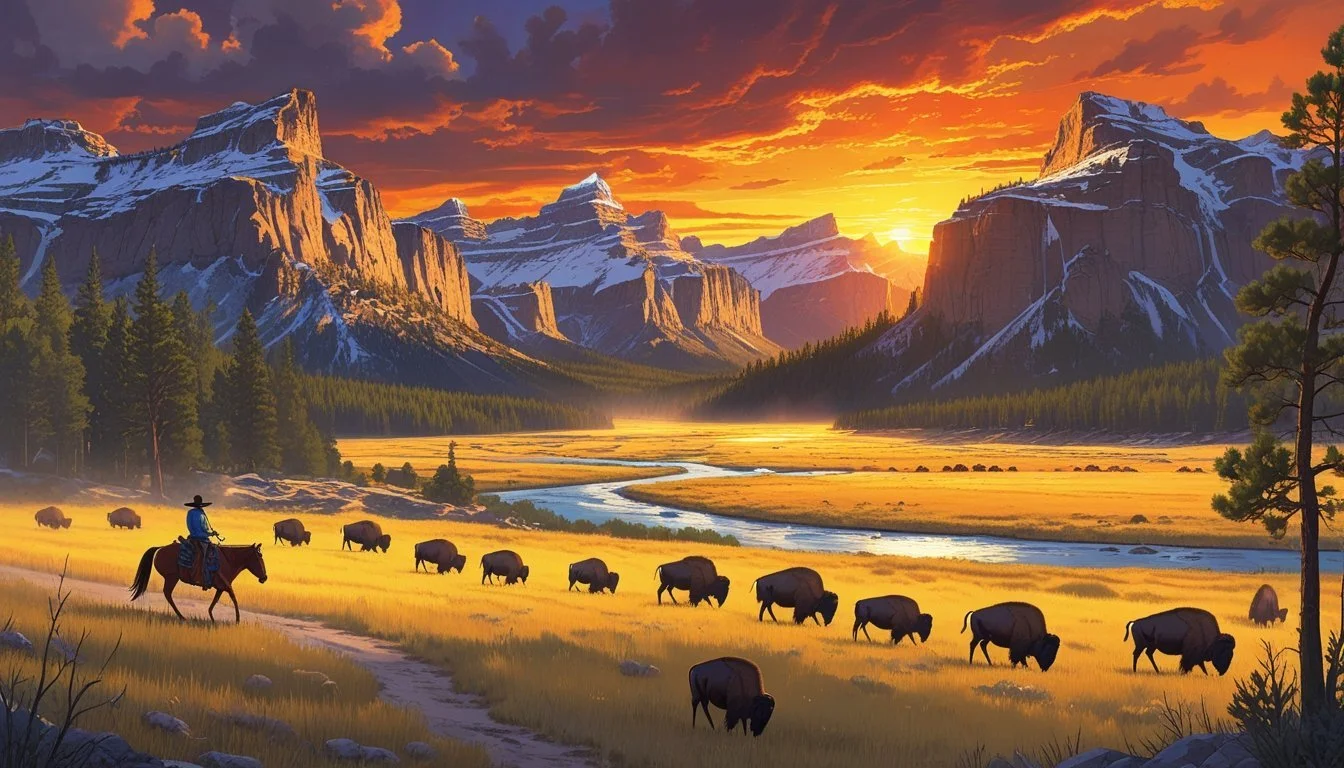
Yellowstone fuses the drama of family loyalty with the turmoil of modern land disputes, capturing both the mythos and hardships of frontier life. The Dutton family’s fight for legacy intertwines deeply with self-reliance and questions of justice in a changing American landscape.
Themes Of Grit, Power, And Family Legacy
At the heart of Yellowstone is the Dutton family, whose generational fight to keep their ranch exemplifies grit and determination. Their identity is intimately tied to the land, making ownership not just an economic asset but an inheritance to be defended at all costs.
Family loyalty shapes nearly every decision they make. Power struggles are constant, both within the family and with outside forces seeking to claim the Dutton Ranch. This legacy means facing rivals with resolve and, at times, resorting to methods dictated by survival rather than law.
The series continuously explores whether keeping this legacy justifies the personal sacrifices and brutal choices involved. The Duttons often display a self-reliant spirit similar to early frontier settlers, reinforcing a distinctly American identity shaped by hardship.
Key Elements:
Element Example Grit Fending off land developers Power Manipulating political allies Family Legacy Passing ranch through generations
Contemporary Issues And Frontier Justice
Yellowstone sets classic Western themes in a present-day context, where land disputes now include corporations and environmental activists. The Duttons face modern pressures such as climate change and shifts in American culture, reflecting how frontier life continues to evolve.
Justice is not left to the courts alone; the family often resorts to “frontier justice,” taking the law into their own hands. This approach blurs the lines between right and wrong, raising questions about morality and survival in a system that rarely offers clear answers.
Conflicts over land ownership pit the family against both Indigenous groups and powerful business interests, mirroring ongoing debates about identity and the American West. By placing these issues at the story’s center, Yellowstone not only redefines the Western genre but also comments on the enduring complexity of American identity.
Comparing Yellowstone To Classic And Modern Westerns
Yellowstone blends classic Western motifs with present-day dilemmas, creating a hybrid that stands out amid traditional and modern Westerns. Its approach to homage and revisionism, as well as its contrasts with historic and contemporary works, demonstrates how it reshapes perceptions of the genre.
Homage And Revisionism In Yellowstone
Yellowstone pays tribute to the Western tradition but is also deeply shaped by revisionist impulses.
Sheridan’s writing nods to classic films like True Grit and The Man Who Shot Liberty Valance, yet often rejects their moral simplicity. The show’s characters, especially the Dutton family, operate in moral grey zones—similar to figures in Unforgiven and No Country for Old Men. Issues like land disputes, political corruption, and family loyalties replace the clear-cut good-versus-evil found in many John Ford-era Westerns.
Instead of distant, mythic heroes, Yellowstone’s protagonists resemble the broken antiheroes of modern revisionist Westerns, as seen in Deadwood or Hell or High Water. Violence is common, but it rarely brings resolution. The series also draws on neo-Westerns like Longmire and Justified, updating themes of law, order, and justice for the 21st century.
Contrasts With Iconic Western Films And TV
Unlike traditional Westerns such as Tombstone or TV’s Gunsmoke, Yellowstone moves the action from frontier towns to the expansive, still-wild landscapes of Montana ranch country.
Visually, the show lacks the stylized heroism of John Ford’s backdrops or the operatic violence of Quentin Tarantino films like Django Unchained or The Hateful Eight. Its conflicts focus less on duels with outlaws and more on economic threats, bureaucratic entanglements, and internal betrayals.
Yellowstone’s serialized structure echoes shows like Deadwood and Westworld, where character development and long-running arcs take precedence over episodic shootouts. Its world feels more continuous and interconnected than the isolated morality plays of earlier Westerns.
Contemporary series such as Outer Range and The Harder They Fall also experiment with Western expectations, but Yellowstone’s family saga and focus on legacy create a distinctive blend of old and new. This sets it apart, bridging classic and modern interpretations of the Western form.
Character Development In Yellowstone And The Modern Western
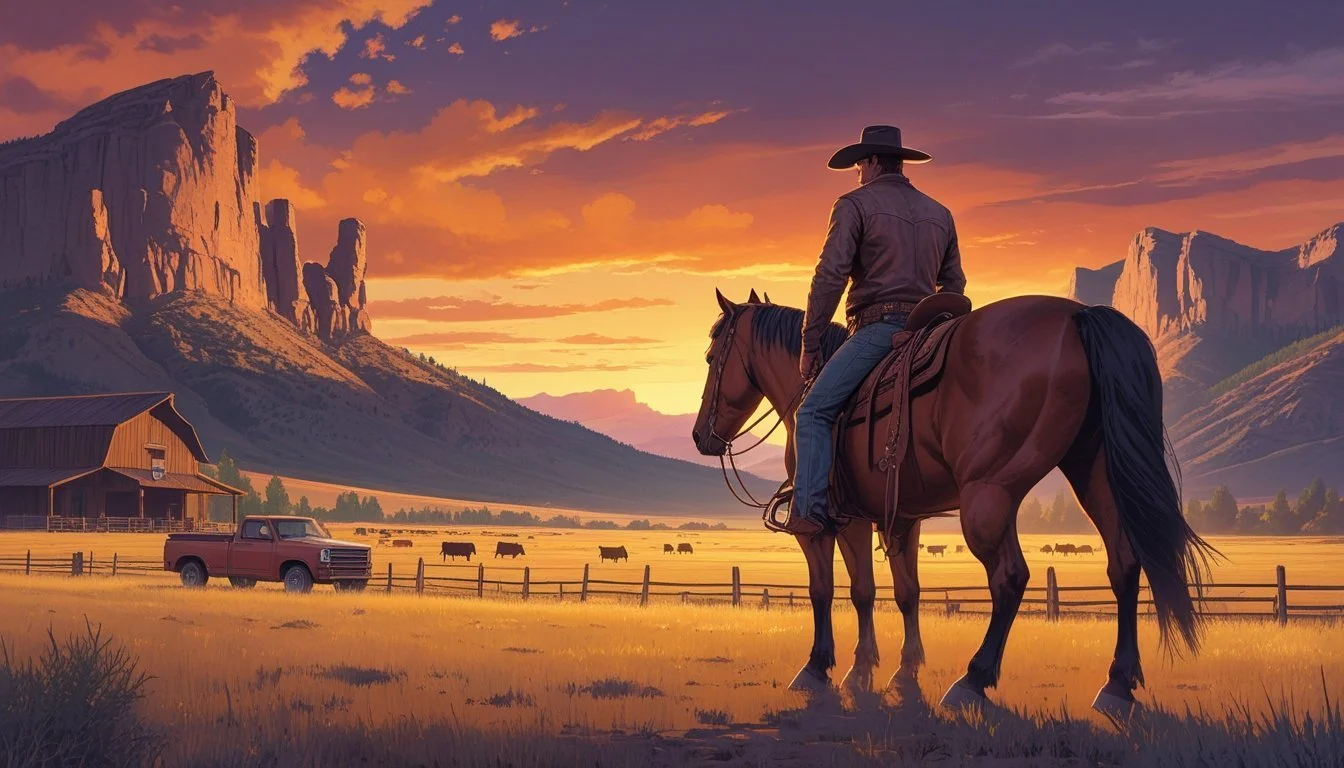
Yellowstone stands out by blending classic Western themes with layered character arcs. It explores clashes of heritage, identity, and power through its evolving cast.
The Dutton Family Saga
The Dutton family, led by John Dutton, anchors the show’s character drama. Their dynamics center on power struggles, loyalty, and generational tension, reminiscent of early settlers guarding their land. John’s children—Beth, Kayce, and Jamie—each embody different visions for the future of their legacy.
Beth Dutton, in particular, stands out for her fierce self-reliance and willingness to challenge both internal and external threats. Jamie’s struggles between familial duty and personal ambition reflect the shifting moral framework around inheritance and heritage. The family’s infighting and alliances set the stage for classic Western standoffs updated to modern times.
Cowboys, Ranchers, And Rugged Individualism
The show takes care to depict cowboys and ranchers as more than background figures. Characters like Rip Wheeler are central, exemplifying rugged individualism and the values often associated with traditional Western heroes: loyalty, toughness, and an uncompromising work ethic. These figures convey self-reliance as core to their identity, from the way they wear their boots and cowboy hats to how they insist on solving their own problems.
Day-to-day ranch work is shown with detail, emphasizing the struggle for survival against both nature and encroaching modern development. The series draws on the mythos of settlers and immigrants who built communities through grit and determination. This blend of old and new crafts a vision of cowboy identity that evolves while holding onto historical roots.
Native American Characters And Cultural Identity
Yellowstone gives attention to Native American perspectives, particularly through characters linked to the fictional Broken Rock Reservation. Chief Thomas Rainwater leads efforts to reclaim land and secure tribal rights, reflecting real-world issues faced by Native communities. The show explores the tension between Cheyenne heritage and modern American pressures—including economic development and political negotiation.
Native characters are not just foils or symbols but are allowed individual stories and motivations. By depicting their challenges with identity and heritage, Yellowstone distinguishes itself from many classic Westerns. Issues around sovereignty, respect for ancestral lands, and intergenerational conflict are woven into the broader narrative, giving depth to cultural identity struggles.
Women’s Roles And Shifting Gender Norms
Yellowstone frequently challenges the gender stereotypes often found in older Westerns. Beth Dutton, among others, is neither subdued nor secondary—she drives much of the story’s conflict and resolution. Her approach to power and vulnerability breaks from traditional portrayals of women in the genre.
Other female characters, including Monica and ranch hands like Teeter, illustrate shifting gender norms on the frontier. They take on roles once reserved for men, participating fully in ranch life and its risks. This updated perspective on gender underscores the show’s commitment to reexamining Western archetypes in the 21st century.
Frontier Myth, Authenticity, And Contemporary Themes In Yellowstone
Yellowstone uses its modern Montana setting to examine lasting myths about the American frontier while contrasting them with contemporary reality. Traditional Western storytelling is reimagined through its focus on authenticity, heritage, and evolving societal themes.
Mythmaking And American Heritage
Yellowstone draws heavily on the mythos of the American frontier, connecting current events in the series to a broader legacy of manifest destiny and the pursuit of land. The show's Dutton family embodies a modern frontier spirit, using their struggle to control the ranch as a reflection of historical patterns in American identity.
The series engages with mythmaking by echoing classic Western film tropes—land conflict, rugged independence, and the threat of outside forces. However, it overlays these familiar narratives with the realities of 21st-century Montana, where government, developers, and Native Americans are all competing for influence.
This blending of old and new gives the series a powerful narrative structure. It anchors its characters in a sense of national heritage that is both celebrated and questioned, making the show a modern meditation on foundational American ideals.
Authenticity Versus Revisionism
Authenticity is a significant pillar of Yellowstone’s appeal. The show is notable for its detailed depiction of daily ranch life and its use of real locations, adding credibility to its modern Western setting. Scenes depict genuine cowboy tasks, rugged landscapes, and the challenges of ranch ownership.
At the same time, Yellowstone participates in the revisionist Western tradition by confronting historical accuracy and legacy. Its characters are rarely one-dimensional heroes or villains but complex individuals motivated by family duty, personal ambition, and broader societal pressures.
Rather than glorifying frontier life, the series complicates it. Conflicts with Indigenous communities, legal disputes over land, and critiques of the manifest destiny narrative are woven into the plot. Yellowstone becomes both a tribute to and a reevaluation of the Western genre’s historical roots.
Spinoffs, Streaming, And The Broader Yellowstone Universe
Yellowstone’s influence now extends beyond the original series, shaping how Western stories are told and distributed. New spinoffs, changing streaming rights, and real-world tourism have all helped transform this franchise into a significant force in modern entertainment.
Expanding The Dutton Family Saga: 1883 And 1923
Taylor Sheridan expanded the Yellowstone story with prequel series like 1883 and 1923. Each spinoff traces the Dutton family’s history as they establish their ranch and navigate the challenges of different eras.
1883 follows the family’s journey across the Great Plains after the Civil War, highlighting the hardships faced during westward expansion. 1923 shifts to the early 20th century, focusing on Prohibition, the Great Depression, and new threats to the land.
These series feature strong casts and detailed production design, aiming for historical accuracy while building on themes from the flagship show. The trailers for both spinoffs have generated significant online interest, underscoring their impact.
Streaming Platforms And The Success Of Modern Westerns
Yellowstone has a unique streaming arrangement. The original series streams exclusively on Peacock, while its spinoffs, including 1883 and 1923, are available on Paramount+. This division has led to some confusion among viewers about where to find each show.
The availability of 1923 on Netflix in 2025 led to another surge in viewership, introducing the franchise to a global audience. Access across platforms like Netflix, Peacock, Paramount+, and even Amazon (for digital purchase), highlights how streaming has redefined the reach of modern Westerns.
Table: Yellowstone Franchise - Streaming Platforms
Title Streaming Platform(s) Yellowstone Peacock 1883 Paramount+ 1923 Paramount+, Netflix
Tourism And The Real-Life Impact Of Yellowstone
The Yellowstone franchise has sparked a boom in Montana and Wyoming tourism. Fans are traveling to filming locations near the actual Dutton Ranch or visiting national parks showcased in the series.
Tour operators now offer themed experiences, including ranch stays and tours of set locations. Some properties have seen a rise in bookings for “Dutton-inspired” vacations.
Local economies benefit from this increased attention, with merchandise, guided tours, and restaurant specials referencing the series. Yellowstone’s influence has moved from TV screens to real landscapes, changing the way people interact with the American West.
