
Why Every Conflict in Yellowstone Starts with Land
Understanding the Root of Tensions
Every major conflict in Yellowstone stems from the struggle over land—who owns it, who controls it, and what it represents. The Dutton family's battles, rivalries with developers, disputes with the local Native tribes, and clashes with government officials all have one thing in common: land sits at the center of their ambitions and fears.
This focus on land is not just a fictional device, but a reflection of real-life power struggles that have shaped the American West for generations. The series grounds its tension in complex issues like territory, history, and livelihood, making every confrontation feel rooted in something tangible.
Land is more than property in Yellowstone; it's a symbol of legacy, security, and identity. The characters’ relentless fights and uneasy alliances highlight how land shapes every decision, fueling the drama that keeps viewers engaged.
The Central Role of Land in Yellowstone
Land in Yellowstone is more than scenery—ownership and access drive deep divisions and alliances. Conflicts go beyond economics, shaping identities and destinies in places like Paradise Valley.
Land Ownership and Territorial Disputes
Land in the Yellowstone region is a foundation for power and legacy, with generations fighting to retain control. Large ranches, like the Dutton family’s property, represent more than income—they symbolize heritage, survival, and hard-won rights. Montana’s wide-open spaces become battlegrounds when outside investors, developers, or conservationists challenge traditional ranchers.
Disputes erupt over boundaries and resource rights. Ranchers often defend their territory fiercely, seeing themselves as stewards of the land. In contrast, new interests—whether corporate or governmental—push for land use changes, clashing with established ways of life.
Ownership conflicts frequently include:
Water access
Grazing rights
Development pressures
For John Dutton and others, losing land means losing identity and influence.
The Battle for Paradise Valley
Paradise Valley, located just north of Yellowstone National Park, is a focal point for some of the most heated land disputes. This area draws attention from developers, wealthy newcomers, and conservation groups attracted by its natural beauty and economic potential.
Conflicting interests create a cycle of tension. Local ranchers want to continue their way of life, while outsiders often propose luxury resorts or subdivisions. Public and private lands come into conflict as access, wildlife corridors, and ecological impact are debated.
Notable pressure points in Paradise Valley:
Escalating land prices due to out-of-state buyers
Enforcement of boundaries between protected and private lands
Tourist-driven changes to land value and use
The choices made here affect not only Montana’s landscape, but also the balance between preservation and progress.
Historical Roots of Conflict Over Land
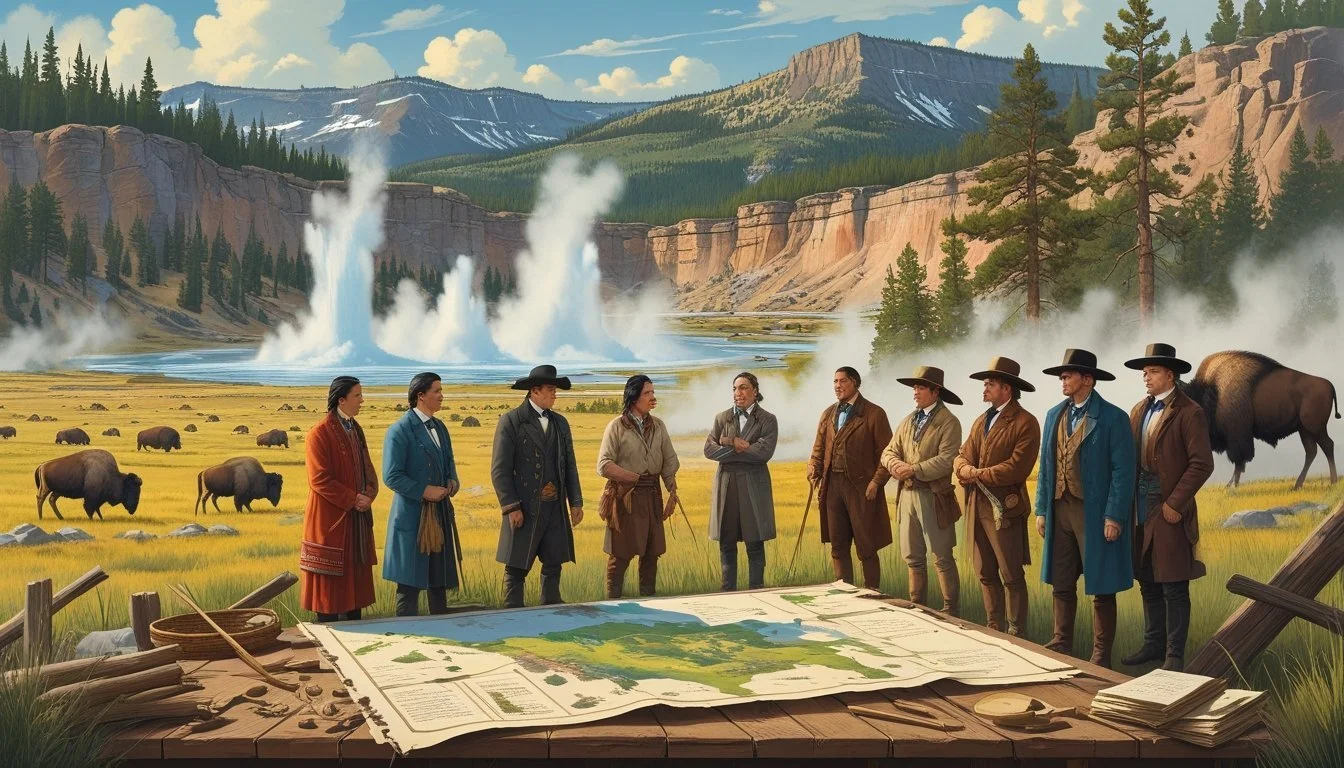
Land disputes in the Yellowstone region are deeply influenced by events of the late nineteenth century and the realities of working the western frontier. The origin of these struggles is seen in early settlement patterns and the transformation of ranching from small family operations to large-scale enterprises.
Legacy of 1883 and the American West
The year 1883 marks a turning point in the history of the American West. This period saw large numbers of settlers and ranchers moving into Montana, driven by the promise of land ownership and economic opportunity.
Conflict quickly arose as Native tribes, who had long inhabited the region, faced displacement by federal land policies and the expansion of railroads. The competition for land intensified as homesteading laws allowed newcomers to claim vast tracts, often ignoring existing indigenous land rights.
These disputes shaped social and political relationships in the West. The pattern of conflict—between settlers, Native Americans, and later between ranchers and federal authorities—laid the groundwork for persistent struggles over control, access, and usage of land that remain relevant to Yellowstone today.
Evolution of Ranching Practices
Ranching in the West began as small, family-run operations, often relying on open range practices where cattle grazed freely across vast, unfenced grasslands. As populations grew, property boundaries became more rigid, leading to disputes over fencing, water rights, and resource access.
Advancements in technology, such as barbed wire and irrigation systems, altered the landscape and intensified competition among ranchers. Land consolidation became common, with a few large operations controlling most of the territory while smaller ranchers faced significant pressures.
Ranchers in the Yellowstone region still face challenges such as government regulations, conflicts with conservation efforts, and competition for grazing land. These issues are often depicted in stories that showcase the harsh realities and ongoing debates at the heart of western ranching life.
Key Players in Yellowstone’s Land Struggles
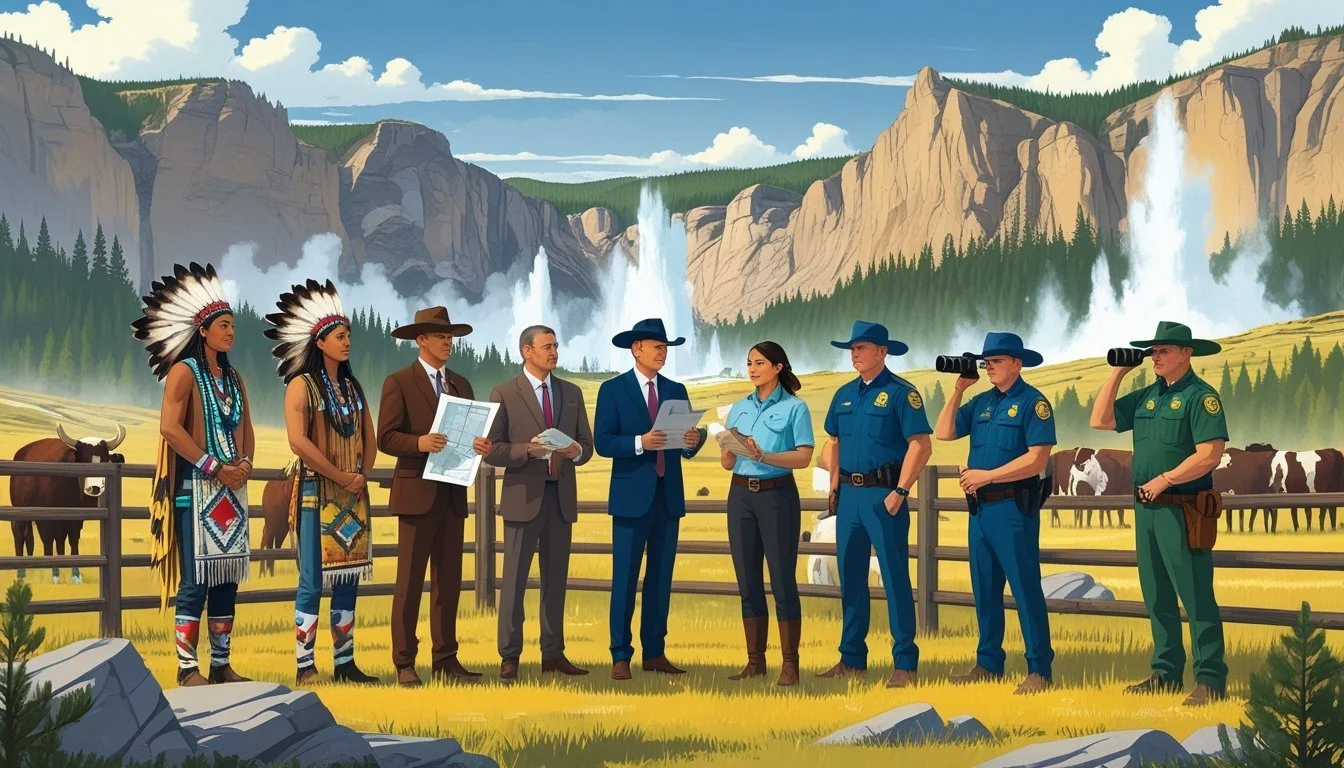
Land in Yellowstone is both a source of material wealth and a legacy that shapes generational power. Understanding these key players can clarify why disputes over land drive nearly every conflict in the series.
The Dutton Family and Their Legacy
The Dutton family, led by John Dutton (played by Kevin Costner), owns one of the largest contiguous ranches in the United States. Their legacy is rooted in decades of hard work and a deep-seated belief that the land must stay in the family.
John’s leadership style is direct and uncompromising, especially when dealing with threats to his ranch. He frequently faces pressure from government agencies, developers, and neighboring tribes. The Duttons’ refusal to sell or divide their property keeps them in constant conflict.
Family dynamics play a crucial role. Internal loyalty and personal sacrifices are expected. The Duttons also grapple with questions of inheritance and the burden of legacy as they try to preserve the ranch for future generations. Protecting land is not just economic—it is emotional and personal.
Corporate and Urban Interests
Corporate and urban interests represent the main external threats to the Duttons’ control. These include real estate developers, venture capitalists, and wealthy outsiders who see Montana land as a lucrative investment opportunity.
Urban expansion and increasing demand for natural resources have intensified competition over land use. Unlike the Duttons, these groups are motivated by profit, not heritage. Their approach is often aggressive, relying on legal pressure, political influence, and sometimes underhanded tactics.
The urban-rural divide is especially pronounced in these land struggles. Ranchers see development as an existential risk to their way of life. Developers see the land as potential for resorts, subdivisions, or energy projects, often ignoring the cultural and historical importance it holds for ranch families.
Livestock, Ranches, and the Rural Economy
Livestock and ranches shape the core of rural economies in the American West. In Yellowstone, the fate of land use often determines not just the livelihoods of families but the survival of generational businesses.
Economic Significance of Livestock
Livestock ranching remains a primary economic driver in rural Montana and Wyoming. Cattle and sheep provide steady income through meat, wool, and dairy production. Successful herds support local feed stores, veterinarians, and equipment suppliers.
Ranches often cover thousands of acres, creating jobs for ranch hands, truck drivers, and seasonal workers. These positions rarely exist in large numbers outside agriculture-related industries in rural counties.
Local tax revenue depends heavily on ranch output. Property taxes from large ranches help fund schools and infrastructure. A stable ranching sector ensures economic activity is distributed across small towns, making these regions less dependent on outside investment.
Preserving Ranch Land Versus Development
Preserving ranch land means protecting open spaces, grazing grounds, and wildlife habitats. In Yellowstone, threats from developers, energy companies, and government agencies create constant tension.
Development often brings paved roads, subdivisions, and infrastructure. While this can increase short-term land value, it may disrupt traditional grazing routes and alter water access for livestock. New residents may also challenge water rights or introduce zoning changes.
Ranching families weigh offers from land developers against the risks of losing their legacy. Some turn to conservation easements to restrict future development and maintain agricultural use. These choices reflect broader debates: economic growth versus cultural and environmental preservation.
The Urban-Rural Divide Intensifies
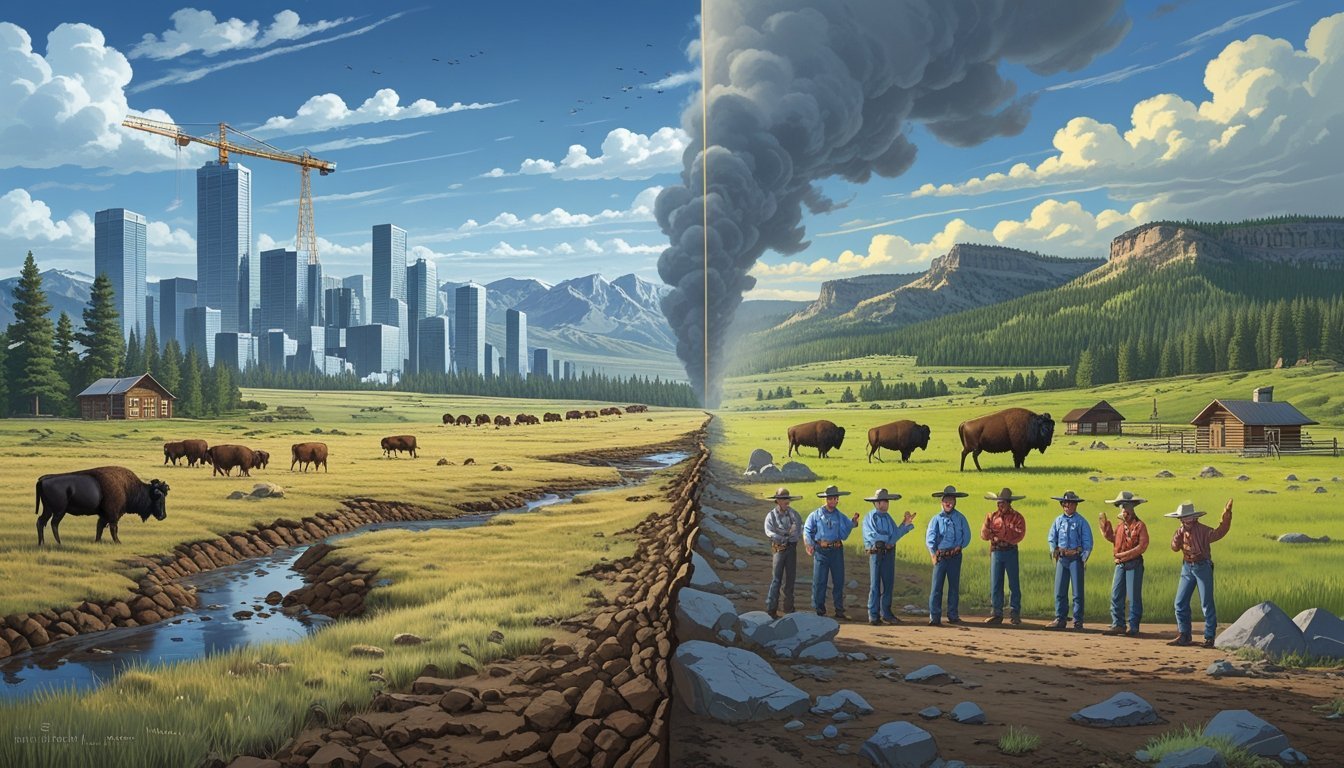
The conflict over land use in Yellowstone often reveals deep differences between urban and rural perspectives. City dwellers tend to prioritize conservation and environmental protection. Rural residents, especially ranchers, focus on protecting their livelihoods and property rights.
These two groups frequently clash over how land should be managed. For example:
Urban Perspective Rural Perspective Favor wildlife conservation Prioritize ranch operations Support development limits Advocate property autonomy View ranching as outdated Value ranching tradition
Land ownership becomes a symbol of independence for rural families, while urban outsiders may see large tracts as resources for public good. This creates ongoing tension.
When developers target land for tourism or new housing, taxes and land prices often rise. This places financial strain on ranchers, whose margins are already thin.
Yellowstone highlights these conflicts through storylines where each side justifies its stance. Both groups see themselves as defending what matters most, deepening the divide.
Consequences of Land-Based Conflicts in Yellowstone
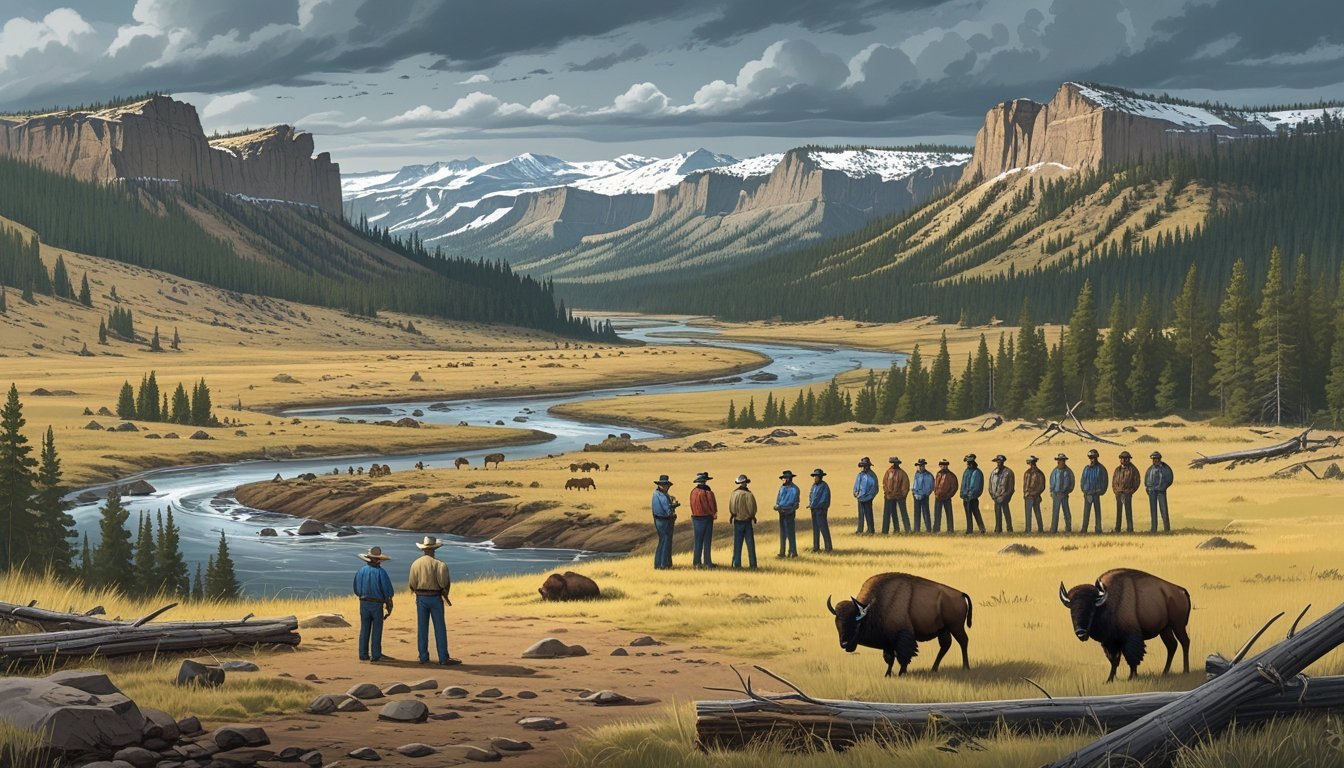
Land disputes in Yellowstone lead to broken alliances, shifting loyalties, and cycles of mistrust. As control over the land changes, old agreements dissolve and new, often uneasy, partnerships form.
Ranch operations suffer when conflicts disrupt daily routines. Cattle drives may be interrupted, fences cut, and essential resources lost or sabotaged. These risks add to the already demanding nature of ranching in Montana.
Native American groups, developers, and ranchers are always at odds. This competition prevents stability and often fuels legal and personal battles that drag on for generations.
Key impacts of ongoing land conflicts:
Impact Effect on Characters and Storylines Economic Instability Jobs, businesses, and ranch survival at risk Erosion of Trust Friendships and partnerships break down Escalating Violence Land disputes lead to personal vendettas Cultural Displacement Historic ways of life are threatened
Environmental consequences also arise as land management decisions are contested. Disputes sometimes result in overgrazing, unregulated development, or disregard for conservation, affecting both people and wildlife.
Power struggles tied to land shape the personal identities and futures of everyone involved. Each decision over land control affects not just property boundaries, but family legacies and the fate of entire communities.
