
Why the Yellowstone Ranch Might Be Cursed
Exploring Legends and Local Beliefs
Yellowstone Ranch has long been the heart of the Dutton family's story, but signs of misfortune seem to follow every generation that calls it home. From tragic deaths to ongoing battles for land and legacy, the property’s dark history often raises the question of whether the ranch is truly cursed or if the continual struggles are simply the result of the Duttons’ relentless fight to hold on to it. Many point to ongoing tragedy and conflict as evidence that the Yellowstone Ranch might carry a curse, shaping the fate of everyone connected to its legacy.
The series has explored themes of prophecy and destiny, often hinting at forces beyond the family’s control. Some believe the Duttons' refusal to adapt, combined with old secrets and broken relationships, only deepens the ranch's apparent misfortune. The idea of a curse remains a key factor in understanding why loss and turmoil seem ever-present on this land.
Whether it’s a true curse or the weight of history, viewers and fans continue to debate why Yellowstone Ranch appears doomed to repeat its painful cycles. This lingering question keeps the legend and mystery of the ranch alive, drawing audiences back to see what fate holds next.
The Origins of the Yellowstone Ranch Curse
The perceived curse on the Yellowstone Ranch is rooted in its earliest days, shaped by hardship, cultural clashes, and repeated tragedy. Key moments in the ranch’s formation and the Dutton family’s history reveal why many believe trouble has followed every generation.
Early History and the Dutton Family Legacy
The Yellowstone Ranch’s origins trace back to 1883, when James Dutton led his family from Texas to Montana. Their journey, depicted in the prequel series "1883," was marked by loss and hardship. Disease, violence, and the harsh wilderness claimed several lives before the Duttons ever reached Montana’s frontier.
James Dutton founded the ranch on land that was both a promise and a burden. The hope for a better future came at the cost of immense sacrifice. Early struggles set a tone of survival and resilience, but also established a legacy characterized by persistent turmoil.
Key facts:
Year Event Impact 1883 Duttons migrate north Family deaths, loss, upheaval Late 1800s Ranch established Hard-won land, new beginnings
The land’s acquisition and the trauma endured by the family became the pillars of the ranch's legacy, carrying forward a sense of unresolved suffering that many interpret as the origins of a curse.
Conflicts With Native American Tribes
From the outset, the Duttons’ claim on Montana’s fertile valleys put them at odds with the Native American tribes who called the land home. Disputes over the ranch territory were frequent, often escalating to violence and bitter negotiations.
The Dutton family’s settlement eventuated in the displacement of indigenous communities. Tensions simmered for decades, creating a foundation defined by conflict and loss for both groups. Stories and legends within the region link the land’s ongoing misfortune to these unresolved grievances.
Many local Native Americans believe the land itself pushes back against those who took it unjustly. Folklore and oral traditions reference a spiritual imbalance resulting from the ranch’s creation, a belief that has informed generations of mistrust and apprehension surrounding the Duttons’ presence.
Generational Tragedies
One of the most striking patterns in Yellowstone Ranch history is the recurring misfortune that befalls each generation of the Dutton family. From James Dutton’s struggles in 1883 to the ongoing trials of his descendants, loss and disaster have become a tragic motif.
Notable tragedies include deaths during the original journey, conflicts tied to defending the ranch, and internal family strife. Successive generations face betrayal, violence, and heartbreak, suggesting a cycle that is difficult to break.
Some point to this series of events as evidence of a curse passed down the line. The ranch’s prosperity seems perpetually confronted by personal sacrifice and loss, cementing the idea that a shadow has followed the Duttons since the very beginning.
Supernatural and Folklore Elements
Throughout the show's narrative, supernatural ideas and local myths are closely connected to the land, shaping the Dutton family's struggle. Longstanding Native American traditions and mystical visions contribute to the perception of the Yellowstone Ranch as a place marked by an unsettled past.
Legends Surrounding the Yellowstone Ranch
Folklore surrounding Yellowstone Ranch often centers on cycles of violence, loss, and unresolved conflict. Stories told by ranchers and local Native American tribes speak of unsettled spirits lingering on the land after generations of bloody encounters. Some viewers and characters interpret the recurring tragedies and misfortunes as the result of a deep-rooted curse.
Descriptions of supernatural events are typically subtle. These include visions, prophetic dreams, and the sense that the ranch itself “remembers” previous traumas. Characters occasionally attribute these happenings to the land’s spiritual history, rooted in Native American beliefs about the sacredness and memory of certain places.
Reports of supernatural activity in fan discussions—such as hauntings or ominous signs—reinforce the idea that Yellowstone’s curse is more than bad luck. Over time, these legends provide a backdrop to the Dutton family’s challenges, making the ranch seem like a character with its own legacy.
Spotted Eagle's Prophecy
Spotted Eagle, a figure rooted in Native American tradition within the series, plays a key role in the supernatural narrative. He is depicted as a spiritual guide who shares a prophecy about the land's fate and the burdens its inhabitants must bear.
In the Yellowstone prequel “1923,” Spotted Eagle warns that the land never truly belongs to its new caretakers, suggesting an enduring tie between the Native American tribes and the ranch. His words imply that removal or dishonoring of sacred land brings hardship and unrest, providing a spiritual explanation for the Duttons’ ongoing troubles.
This prophecy has a direct impact on characters like John Dutton and Kayce Dutton, who struggle with visions and moments of spiritual reckoning involving Spotted Eagle’s guidance. The presence of this prophecy, combined with the recurring symbols and warnings, strengthens the idea that the ranch’s curse stems from a violated relationship between people and land, as viewed by the original inhabitants.
Generational Impact and Family Trauma
The Yellowstone Dutton Ranch has seen repeated cycles of conflict, loss, and fractured relationships. These patterns have shaped each generation, leaving a visible mark on both the family and the land itself.
Struggles of the Dutton Descendants
John Dutton’s children—Kayce, Jamie, and Beth—each display distinct signs of inherited trauma. Their upbringing on the ranch exposed them to violence, high expectations, and emotional isolation.
Kayce Dutton’s military service and return home highlight his struggle to reconcile loyalty to family with personal wellbeing. He often finds himself torn between protecting the ranch and shielding his own family from its dangers.
Jamie Dutton faces rejection and pressure as he seeks approval from John yet is never fully embraced. His status as an adopted son adds a layer of identity conflict, complicating his role within the family structure.
These patterns repeat as each character wrestles with legacy, loyalty, and survival, making the Duttons’ interpersonal issues a central theme of their ongoing struggles.
Conflicted Inheritance and Land Ownership
Inheritance of the Dutton land brings further turmoil. John Dutton’s tight control over the ranch leads to fierce disputes among his children regarding future ownership and the risks of losing their legacy.
Jamie faces legal complexities tied to inheritance tax, land deeds, and his position as the ranch's possible legal heir. His attempts to manage ranch affairs frequently bring him into conflict with the rest of the family.
Kayce is pressured to assume a leadership role, but remains uncomfortable with the politics and violence tied to land ownership.
Disagreements about the land aren’t just personal—they also involve external threats, such as developers and government officials. The uncertainty of inheritance and high stakes of land retention contribute to the ongoing cycle of anxiety and mistrust within the Dutton family.
Key Events Highlighting the Curse
Throughout the history of the Yellowstone Dutton Ranch, repeated patterns of loss, betrayal, and external conflict have shaped its legacy. These events contribute to a sense that the ranch is burdened by misfortune, as seen in both family tragedies and relentless battles with outsiders.
Critical Losses and Betrayals
Fatalities among the Dutton family are frequent, beginning with the legacy of hardship established in the 1883 prequel. The ranch’s leaders, including John Dutton, have suffered the deaths of close relatives, such as Lee Dutton and countless other kin, reinforcing the impression of a generational curse.
Betrayal from within the family and by trusted allies is another recurring theme. Jamie Dutton's shifting loyalties create chaos, especially as he clashes with Beth and John. The series finale and Yellowstone season 5 depict familial divides deepening to the point of violence and legal threats, threatening the unity required to protect the ranch.
Legal jeopardies, wrongful deaths, and estrangement often follow these betrayals. The Duttons' inability to trust each other directly impacts their ability to face outside threats and secure the ranch’s future.
The Role of Market Equities and Outside Threats
Market Equities represents one of the most significant modern threats to the Yellowstone Dutton Ranch. Their goal to build an airport and develop the land escalates the conflict beyond personal rivalries to a corporate struggle for control. Tactics used by Market Equities include legal challenges, land acquisitions, and attempts to discredit the Dutton family’s legacy.
Further exacerbating the curse, outside forces—from the Broken Rock Reservation to political figures—have repeatedly tried to claim or dismantle the ranch. The sale of the land to the Reservation in the series finale fulfills a prophecy from 1883, suggesting the Duttons' losses were inevitable.
Notable conflicts with Market Equities, in season 5, lead to violence, arson, and public scandal, putting the ranch in greater peril than ever. These confrontations depict how external threats amplify the turmoil already rooted within the Dutton family.
Cultural and Spiritual Connections
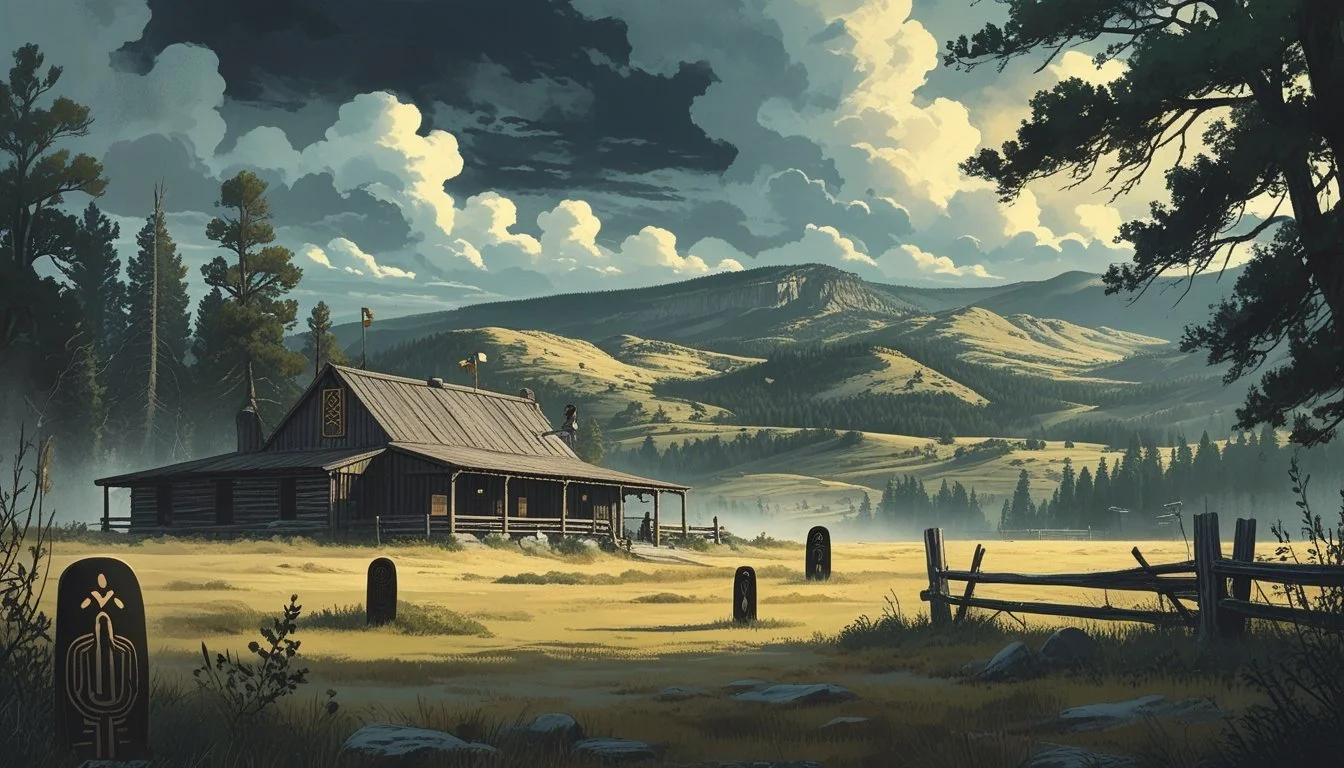
Beliefs about the Yellowstone Ranch being cursed draw heavily on its history and interactions with Native American communities. These ideas are grounded in cultural traditions, ancestral disputes, and symbolic practices that have shaped the ranch’s story for generations.
Native American Perspectives
Conflicts between the Dutton family and local Native American groups, represented in modern times by characters like Thomas Rainwater and Mo Brings Plenty, form a key part of the ranch’s troubled legacy. Tribal leaders maintain that the land originally belonged to their ancestors, raising questions of historical justice and unresolved claims.
Legends of a curse stem partly from the displacement of Native peoples and the violence that followed. Many Lakota, Crow, and other tribes see the land as sacred, and its forced removal is perceived as an act that could invite spiritual consequences.
Storylines in "Yellowstone" often reflect these tensions. Thomas Rainwater argues for restoration of land and honor, while Mo Brings Plenty serves as a cultural and spiritual advisor, highlighting the importance of tradition. Their perspectives suggest the curses or bad luck faced by the Dutton family may be more than mere coincidence.
Symbolism and Rituals
Symbolic acts and rituals feature throughout the history of the ranch. Markers, totems, and burial grounds linked to Native American tradition exist across the property, tying the land to centuries-old beliefs about respect for the earth and its spirits.
Certain episodes show ritualistic smoke ceremonies, songs, and protective offerings, emphasizing ongoing spiritual practices. These acts are not just for show—they establish the idea that the land itself remembers both past trauma and acts of reverence.
Interactions between the Duttons and Native Americans involve both cooperation and conflict. Rituals performed by characters like Mo Brings Plenty are depicted as efforts to honor ancestors and restore harmony. This creates a persistent undercurrent that the “curse” may result directly from disrupted spiritual balance, rather than random misfortune.
Influence of the Yellowstone Universe and Spin-Offs
The Yellowstone universe does more than explore the Dutton family’s Montana ranch. It expands the story with new timelines and settings, showing how hardship and tragedy are not limited to a single era.
Expanding the Curse Across Generations
In the Paramount Network’s flagship series Yellowstone, each generation of the Dutton family faces violent struggles, betrayals, and relentless threats to their land. This ongoing adversity creates the impression of a curse that haunts the family.
As the universe expands, these patterns persist in prequel series like 1883 and 1923. Viewers witness the origins of misfortune and conflict that continue to affect later Duttons. The curse appears less as a supernatural force and more as a result of inherited conflict, loss, and the harsh realities of ranch life.
Family trauma and devastating choices are repeated through decades. Yellowstone pushes this idea beyond a single storyline, suggesting that the land itself, and those who hold it, are bound to face recurring adversity.
Stories from 1883, 1923, and 6666
1883 traces the Duttons’ journey through the American West, depicting immense suffering from disease, violence, and death. This origin story roots the family’s troubles deep in their history, setting the tone for future generations.
1923 follows the Duttons as they endure Prohibition, economic strife, and brutal confrontations with enemies. The sense of struggle and unresolved conflict in this period reinforces the notion that misfortune remains embedded in the family’s saga.
The upcoming 6666 spin-off shifts focus to a legendary Texas ranch, promising to examine new characters and challenges. It will likely extend themes of hardship and perseverance, connecting these struggles back to the broader Yellowstone universe and keeping the overarching atmosphere of adversity alive.
Prominent Characters and the Curse’s Legacy
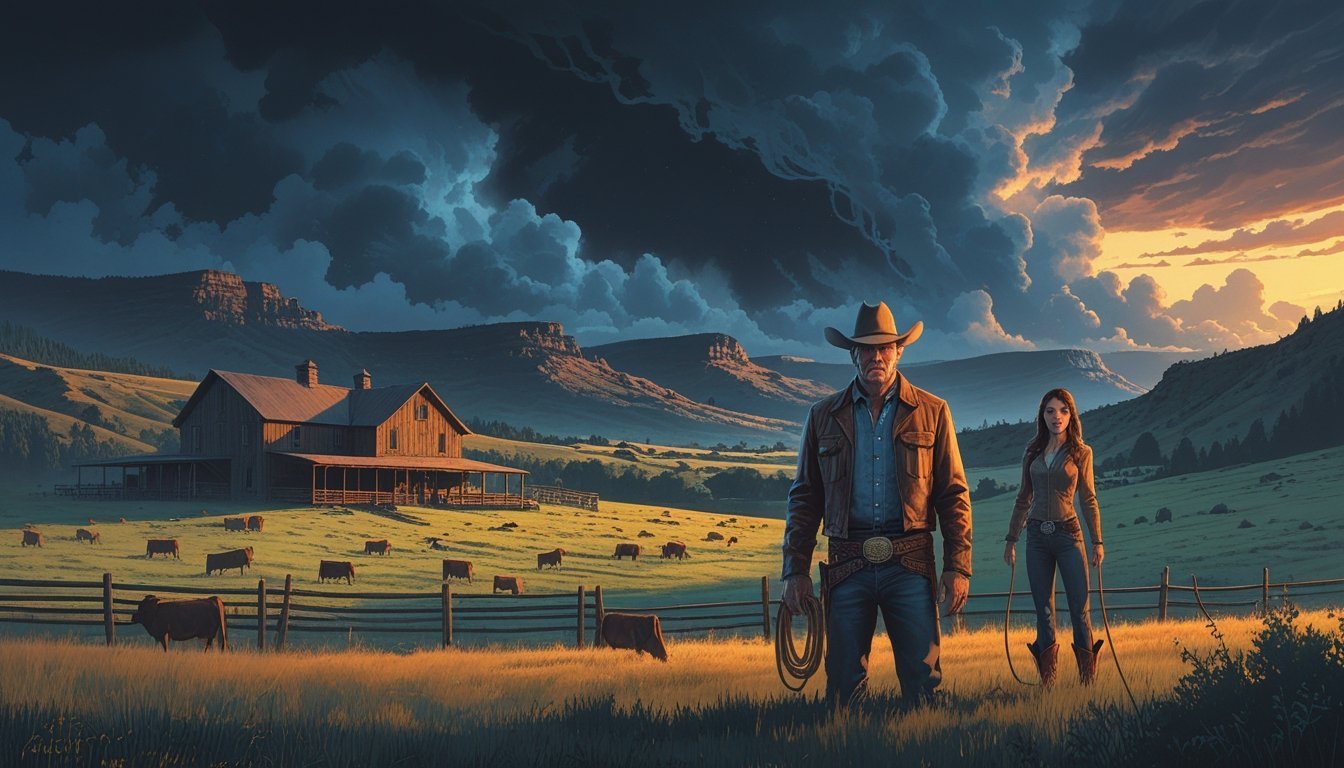
The Dutton family’s struggles are often traced back to events and choices that appear to haunt every generation. Both central and supporting characters face relentless hardships, with the ranch acting as a focal point for loss and turmoil.
The Burden of John Dutton and His Heirs
John Dutton, played by Kevin Costner, embodies the unyielding weight the ranch places on its owners. He sacrifices personal happiness and family relationships in his fight to protect the land.
This burden affects his children, with Kayce Dutton experiencing visions and moral conflict, and Beth Dutton suffering manipulation and violence. Their connection to the land seems to draw tragedy and betrayal, echoing the prophecy first hinted at in the prequel 1883.
Legacy impacts:
Emotional strain and trauma
Isolation from outside support
Cycles of vengeance
The curse’s reach makes legacy a double-edged sword. Holders of the ranch inherit losses as much as land.
Enduring Challenges for Supporting Characters
Characters like Teeter and Ryan, though not Duttons by blood, are pulled into the web of hardship connected to the ranch. Each faces danger, violence, and difficult choices as a result of their association.
Teeter navigates loyalty struggles and workplace hostility, always on the edge of being cast out. Ryan, a seasoned cowboy, repeatedly risks his safety for the ranch, highlighting how the curse extends beyond family.
Notable effects include:
Relentless loyalty put to the test
Exposure to life-threatening violence
Strained personal ambitions
Supporting characters carry the weight of Dutton conflicts, shaping their fates and fortunes in profound ways.
