
How Yellowstone Captures Generational Trauma
Through Complex Family Dynamics
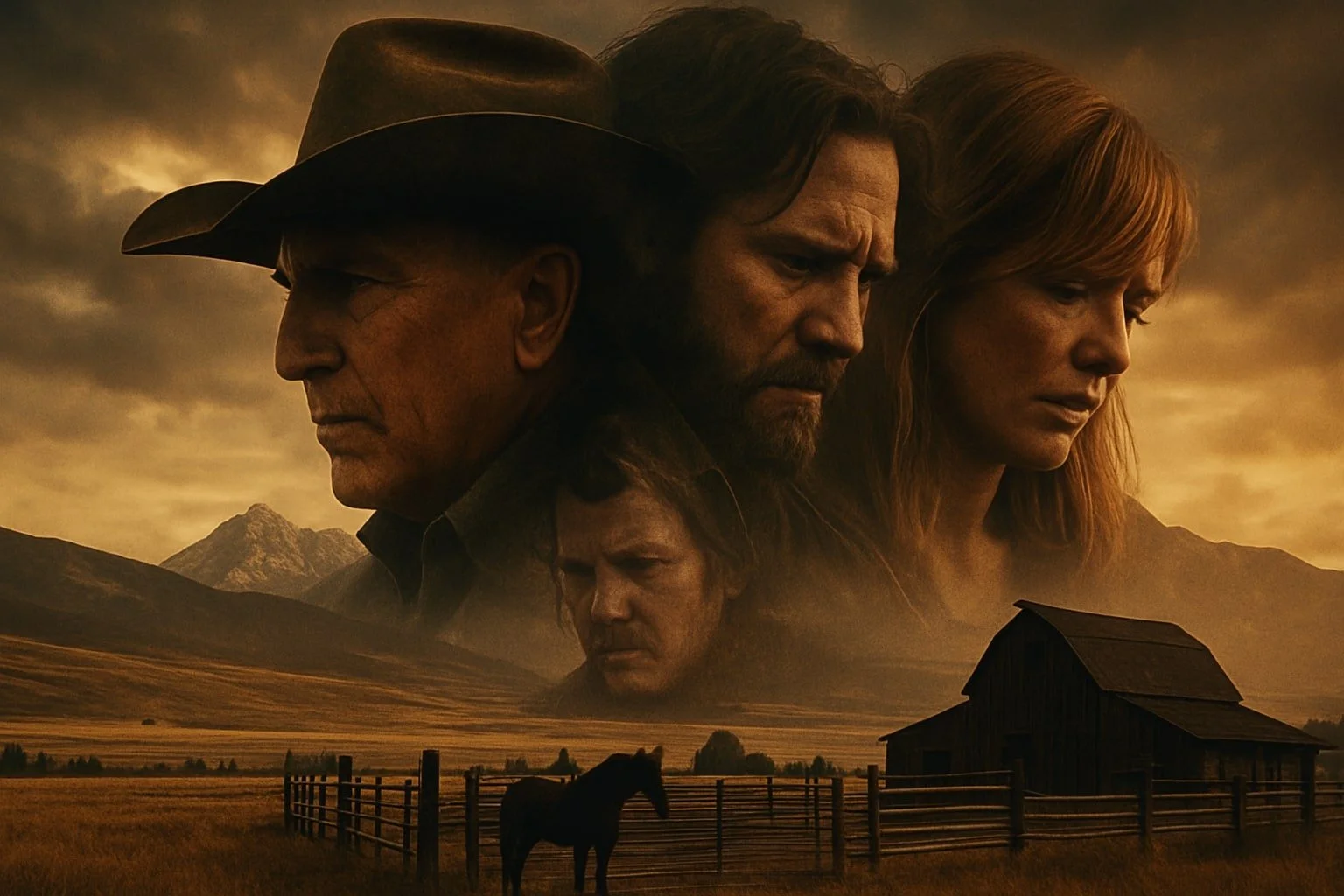
Yellowstone examines how wounds and unresolved conflict are passed down through generations, shaping each Dutton family member in unique and profound ways. Through the series, viewers witness the direct impact of inherited trauma, from John Dutton’s heavy sense of responsibility to Beth’s hard-edged survival tactics and Jamie’s internal battles. These patterns don’t just create dramatic tension—they reveal how family legacies can bind people as much as they shape personal choices.
The show’s realistic depiction of family strife, generational differences, and loyalty under fire resonates because it feels authentic and grounded. Audiences connect with the Duttons’ struggles as they navigate the burdens and bonds left by those who came before them. This honest portrayal makes Yellowstone a compelling study of how the past lives on in the present.
Understanding Generational Trauma in Yellowstone
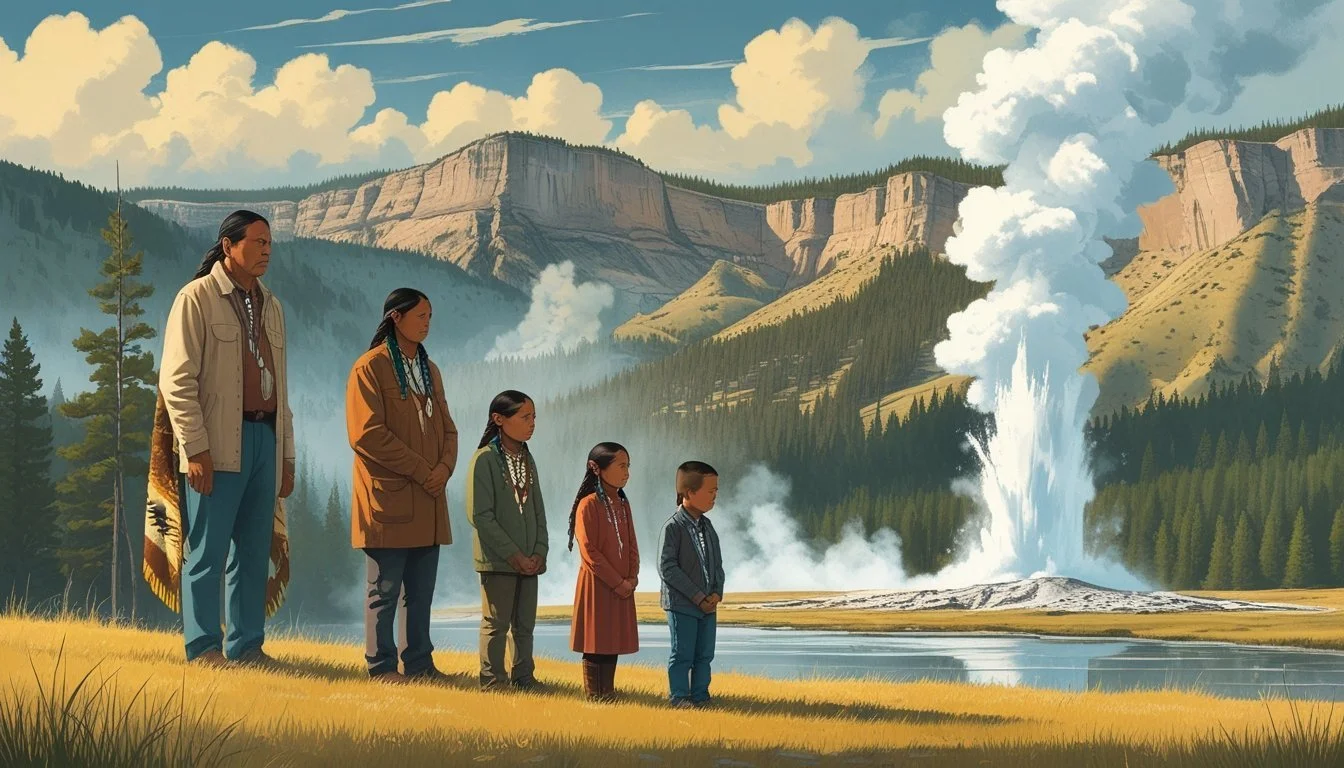
Yellowstone presents generational trauma not as a distant concept but as a present reality impacting characters' lives and decisions. The series examines how unresolved pain and historical events continue to shape the Dutton family across multiple generations.
Definition of Generational Trauma
Generational trauma, sometimes called intergenerational trauma, refers to psychological wounds passed from parents to their children. This occurs when one generation’s trauma remains unresolved and influences the emotional well-being and behaviors of the next.
In Yellowstone, trauma is visible in the Dutton family’s responses to conflict, family loyalty, and attempts to safeguard their land. Children inherit not only family traditions but also unhealed wounds, leading to repeating patterns of fear, anger, and mistrust.
The show illustrates trauma as more than personal issues—it's a systemic force. It shapes family identity, with cycles of sacrifice and loss evident in relationships between John Dutton, his children, and their ancestors.
Historical Context and Realities
Taylor Sheridan roots the story in the history of Montana and the changing American West. The Duttons confront both the legacy of colonial land acquisition and the ongoing struggle between traditional ranching and modern interests.
Historical injustice, such as conflict with neighboring Native American communities and the encroachment of developers, underscores the sense of threat and loss felt by the family. These stresses mirror real-life experiences faced by ranching families and indigenous populations across the region.
Yellowstone draws on authentic historical backdrops. These include government policies and economic changes that have influenced Montana’s landscape, further deepening the characters' sense of vulnerability and responsibility.
Portrayal of Trauma Across Family Lines
The series repeatedly highlights how trauma is transferred from one generation to the next in the Dutton family. John Dutton bears the burden of leadership, often at the expense of personal relationships. His children, shaped by his choices and their own experiences, display cycles of resentment and protectiveness.
Viewers see Beth Dutton’s hardened demeanor, Kayce Dutton’s internal conflict, and Jamie Dutton’s emotional instability as manifestations of inherited wounds. Their actions are influenced by both individual and collective trauma.
Sheridan’s writing uses flashbacks and dialogue to reveal these patterns. The result is a portrayal where family legacy is inseparable from the impact of past traumas, setting the tone for ongoing conflicts and alliances.
The Dutton Family’s Legacy of Resilience
The Dutton family’s strength is forged through hardship, loyalty, and a deep connection to Yellowstone ranch. Each generation inherits not only land, but also burdens, expectations, and scars—shaped by personal choices and collective trauma.
John Dutton’s Leadership and Identity
John Dutton serves as the bedrock of the family’s legacy. He embodies the old guard, prioritizing tradition, land ownership, and family above all else. John’s leadership is decisively shaped by loss and constant threats against the ranch, creating a relentless sense of duty.
His sense of identity is deeply tied to the ranch and its survival. Defending the land from encroaching developers, political adversaries, and even other family members, John often places the needs of the ranch above personal happiness. This unwavering stance sometimes isolates him from his children, reinforcing generational divides.
He maintains resilience by adapting to crises, but every ordeal leaves its mark. The cost of protecting the Yellowstone is visible in his strained relationships, emphasizing how a steadfast commitment to legacy can both sustain and fracture a family.
Kayce Dutton and the Burden of the Past
Kayce Dutton faces the weight of family history and trauma, struggling to balance personal convictions with the expectations imposed on him. Growing up amid violence and secrets, he internalizes much of the pain that has defined the Dutton experience.
Unlike John, Kayce is torn between ranch life and forging his own path. His repeated cycles of leaving and returning illustrate the powerful pull of family loyalty, even when it conflicts with his values. War experiences and troubled family dynamics deepen his internal conflicts.
Kayce’s journey is marked by efforts to protect his wife and son from the turmoil he inherited. Yet, each attempt to shield them is undermined by the ever-present challenges tied to the Dutton name. List:
Loyalty vs. self-preservation
Desire to break cycles
Struggle to redefine legacy
Tate Dutton: Inheritance of Struggle
Tate Dutton is the youngest in the lineage, growing up in the shadow of family conflict and generational trauma. As the grandson of John and son of Kayce, he represents both hope and vulnerability for the Dutton future.
Tate’s experiences on the ranch expose him to both beauty and danger at a young age. Kidnappings, threats, and the daily pressures of legacy force him to mature quickly, shaping his sense of self and resilience. Every hardship he faces is a direct consequence of the land his family is determined to hold.
His childhood is marked by moments of innocence lost but also by small triumphs of growth. The way he responds to adversity previews how legacies of resilience—and trauma—are continually passed down and redefined by each generation.
Native American Representation and Cultural Identity

Yellowstone places Indigenous experiences and perspectives at the forefront by centering on complex Native American characters and issues like sovereignty, land rights, and cultural identity. The show addresses the tension between traditional tribal values and the pressures of modern reservation life.
Thomas Rainwater’s Mission and Vision
Thomas Rainwater, played by Gil Birmingham, serves as the influential chairman of the fictional Broken Rock Indian Reservation. His character is determined to reclaim ancestral land and reinforce tribal sovereignty.
Rainwater’s approach blends pragmatic leadership with long-term cultural preservation. He is assertive in confronting powerful figures like John Dutton, championing land rights over economic interests.
His story reflects the reality many Indigenous leaders face: balancing progress, resource negotiation, and the constant threat of cultural erosion. By depicting both his triumphs and challenges, Yellowstone provides a nuanced look at the responsibilities and conflicts inherent in Indigenous leadership.
Broken Rock Indian Reservation: Symbolism and Reality
The Broken Rock Indian Reservation functions as a symbol for many real-world reserves confronting generational trauma and systemic marginalization. The show explores themes of economic struggle, disrupted traditions, and identity crises experienced by residents.
Reservation life is depicted with attention to detail, including scenes of community gatherings and everyday hardships. Storylines involving land disputes, generational trauma, and clashes over resource control highlight the ongoing impact of colonial policies on Indigenous communities.
Through these narratives, Yellowstone draws attention to the resilience found within tribal communities and the challenges faced in maintaining sovereignty and cultural cohesion in the face of outside pressures.
Authentic Indigenous Representation in Yellowstone
Yellowstone commits to authentic representation by employing Native American actors including Gil Birmingham and Mo Brings Plenty, and consulting with Indigenous advisors. This involvement ensures Indigenous voices shape how their stories are told.
The inclusion of real Native American perspectives counters common Hollywood stereotypes. Characters are multidimensional, reflecting conflicts, resilience, and aspirations rooted in lived experience.
The show also addresses issues such as cultural preservation, generational trauma, and community strength. By providing screen time to Indigenous narratives, Yellowstone helps foster a deeper public understanding of the complexities and realities of modern Native American life.
Monica Dutton and the Intergenerational Struggle
Monica Dutton’s journey on Yellowstone centers on her confrontation with inherited trauma and her efforts to find belonging. She stands at the intersection of Native American experiences and life within the Dutton family, highlighting issues of cultural preservation and personal identity.
Monica’s Identity and Trauma
Monica Dutton, portrayed by Kelsey Asbille, is a member of the Broken Rock Reservation. Her background deeply influences the story as she grapples with the weight of generational trauma faced by Indigenous communities.
Throughout the series, Monica endures significant hardships, including violence, loss, and ongoing conflict. These challenges echo the historical and present-day struggles of Native American individuals. She deals with the tension of protecting her son, Tate, who represents both Dutton and Native heritage.
The show addresses the complexity of Monica’s trauma with care, illustrating how her personal wounds are tied to broader patterns endured by many on the reservation. The representation aims for cultural accuracy by grounding her struggles in real social issues—such as systemic violence and assimilation pressures—while avoiding sensationalism.
Navigating Cultural Duality
Monica continuously navigates life between the Dutton ranch and the Broken Rock Reservation. Her role often involves acting as a bridge between her Native community and her husband’s family, attempting to reconcile two identities.
This duality leads to difficult choices about cultural preservation and loyalty. Monica resists completely assimilating into the Dutton world, instead advocating for her roots and teaching her son about his Native heritage.
The tension Monica experiences is portrayed through specific encounters with both prejudice from outsiders and resistance within her own community. Her story provides a window into the authentic challenges many Native Americans face, torn between modern life and the need to honor tradition.
The series often uses Monica’s perspective to emphasize the importance of cultural belonging and the difficulty of maintaining identity within intersecting worlds.
Themes of Land, Legacy, and Belonging
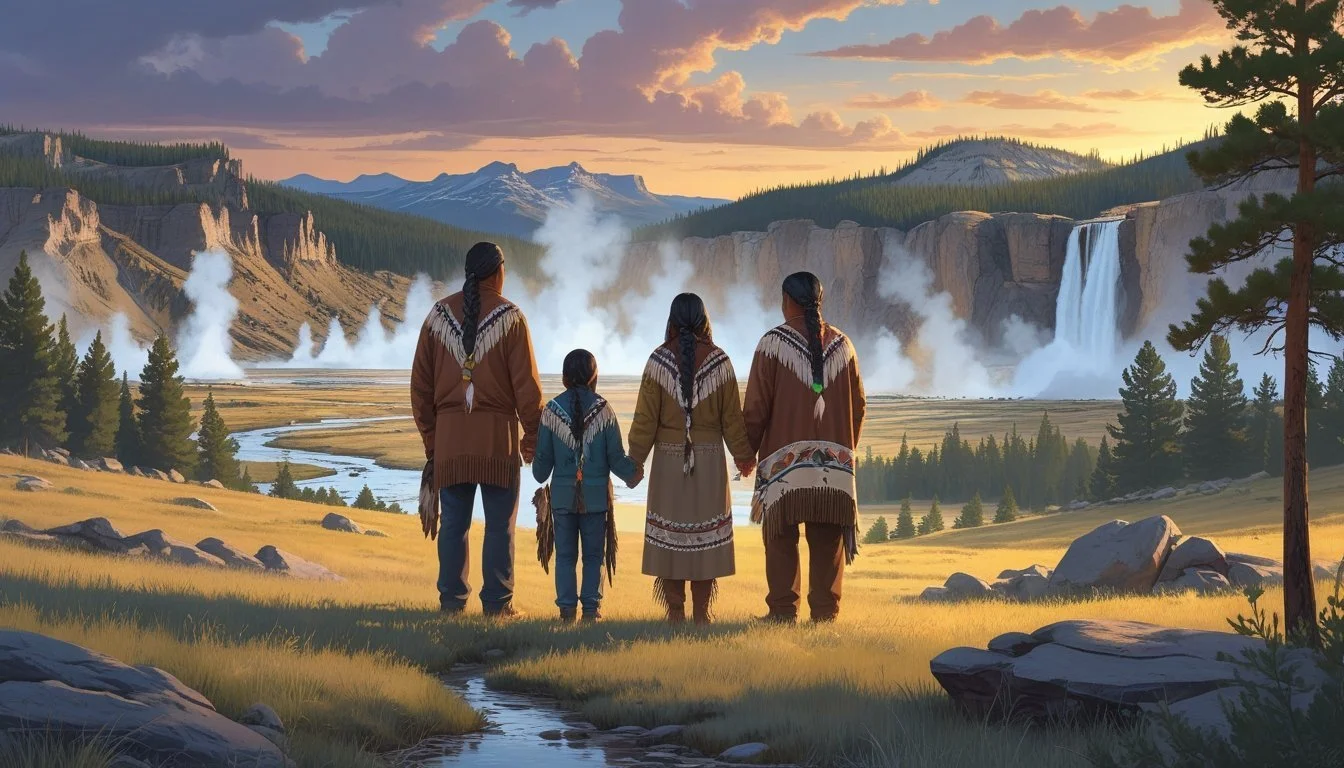
Land and legacy serve as the foundation for every conflict and alliance in Yellowstone. The series connects personal identity and family bonds directly to questions of ownership, history, and cultural survival.
Land Rights and Native Sovereignty
Control over land in Montana drives the core storylines, often centering on battles between the Dutton family and the local Native American reservation. The show highlights the historical loss of Native land and the continuing efforts of tribal leaders to reclaim territory and autonomy.
The reservation’s pursuit of sovereignty represents a struggle that is both legal and deeply emotional. For Native characters, the land is not just property but a living tie to ancestors, spiritual meaning, and communal belonging. Disputes over boundaries and development projects underscore how trauma is inherited from past injustices.
By setting these conflicts against the sweeping backdrop of the American West, Yellowstone draws attention to the unfinished business of land rights in American life. The legacy of broken treaties and displacement continues to shape modern relationships and power dynamics.
Traditional Values Versus Modern Realities
The Duttons’ unwavering commitment to their Montana ranch captures the tension between old traditions and modern pressures. Ranch life is depicted as physically demanding and rooted in hard-earned values, from early morning work to caring for livestock.
However, the show does not idealize tradition. Threats from developers, corporate interests, and shifting economic realities force the family to adapt or risk losing everything. This clash exposes how the desire to preserve legacy can fuel conflict and provoke trauma across generations.
Lists and symbols—like the cowboy hat or family patriarch—reflect resistance to change while revealing vulnerabilities. The characters’ sense of belonging is tested by rapid change, underscoring that holding onto traditional values can come at a cost in contemporary American society.
Challenges Facing Indigenous Communities
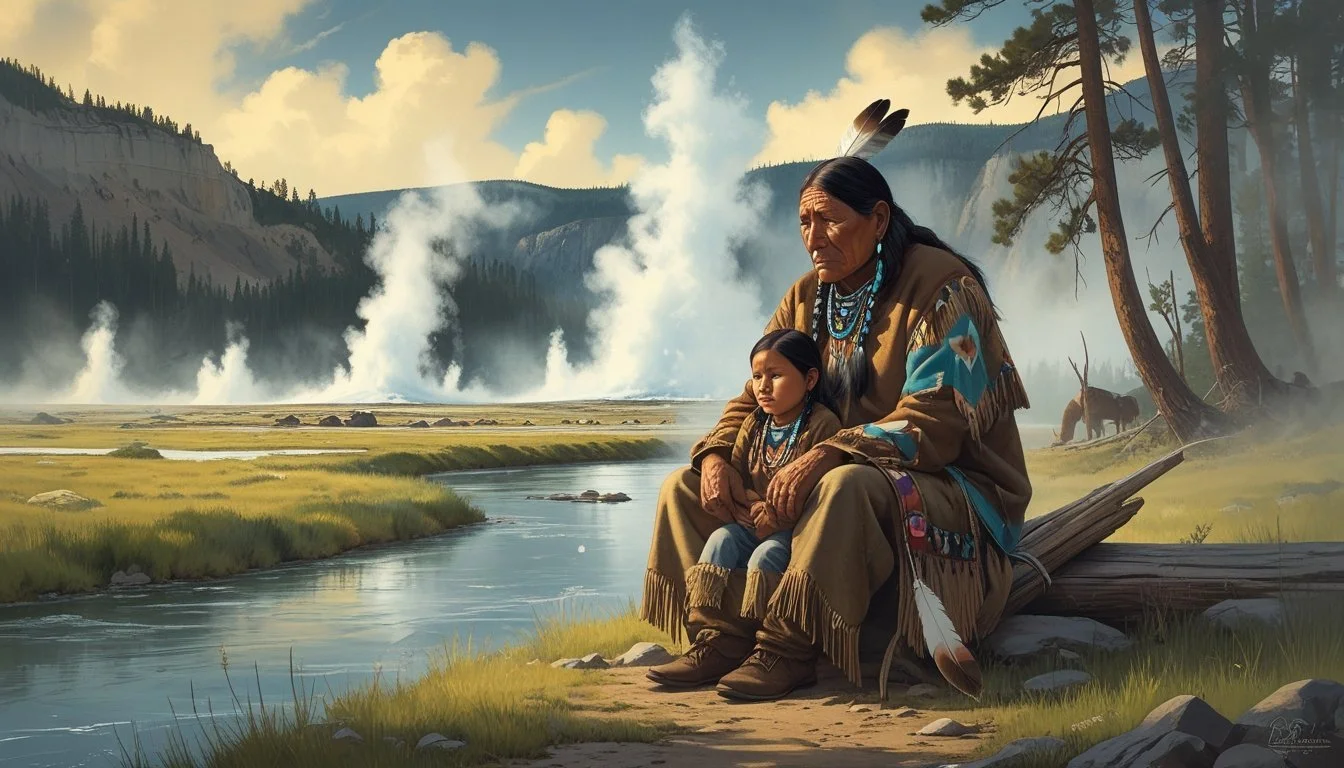
Indigenous communities in the United States face interwoven obstacles that affect their well-being and future. These specific challenges impact daily life, limit economic opportunity, and shape social outcomes from youth to elders.
Economic Hardship and Development
Many Indigenous communities experience persistent economic hardship rooted in a history of dispossession and policy exclusion. Unemployment rates on reservations are often much higher than in surrounding counties.
Limited access to capital, infrastructure, and quality education stifles local economic development. Land trust systems and regulatory restrictions can complicate business investments or home ownership for Indigenous families.
Tribes that establish successful economic enterprises, such as casinos or resource extraction, sometimes see gains limited by outside interests or shifting federal policy. Even in areas with resources, benefits do not always reach all families, sustaining cycles of poverty.
Key Challenges Table
Challenge Impact High Unemployment Fewer job opportunities and lower income Infrastructure Gaps Harder to start or grow businesses Regulatory Barriers Complicated property or business rights
Discrimination and Stereotypes
Discrimination against Indigenous peoples continues in both obvious and subtle forms. Prejudices are reinforced by negative stereotypes in media, underrepresentation, and lack of education about Native cultures.
Stereotypical portrayals, such as those seen on some television dramas before careful consultation, distort public perceptions of Indigenous communities. This can lead to real-world consequences in hiring, law enforcement, and public services.
Historic trauma results from government actions such as forced removals and residential schools. These experiences are remembered within families and shape relationships with broader society.
Discrimination can manifest as:
Biased policing or court decisions
Limited political influence
Misunderstandings in healthcare and education
Substance Abuse and Its Roots
Substance abuse remains a serious concern in many Indigenous communities, often tied to deeper issues of historical and generational trauma. Alcohol and drug abuse rates are higher among Native American youth compared to the national average.
Traumatic experiences, including land loss, cultural erasure, and family separation, contribute to cycles of addiction. Many families have lost members or bear long-term health consequences due to substance abuse.
Efforts to address substance misuse often focus on culturally informed prevention and healing programs. Community leadership seeks to break patterns through supporting traditional practices, education, and access to mental health care.
Character Development Through Generational Trauma
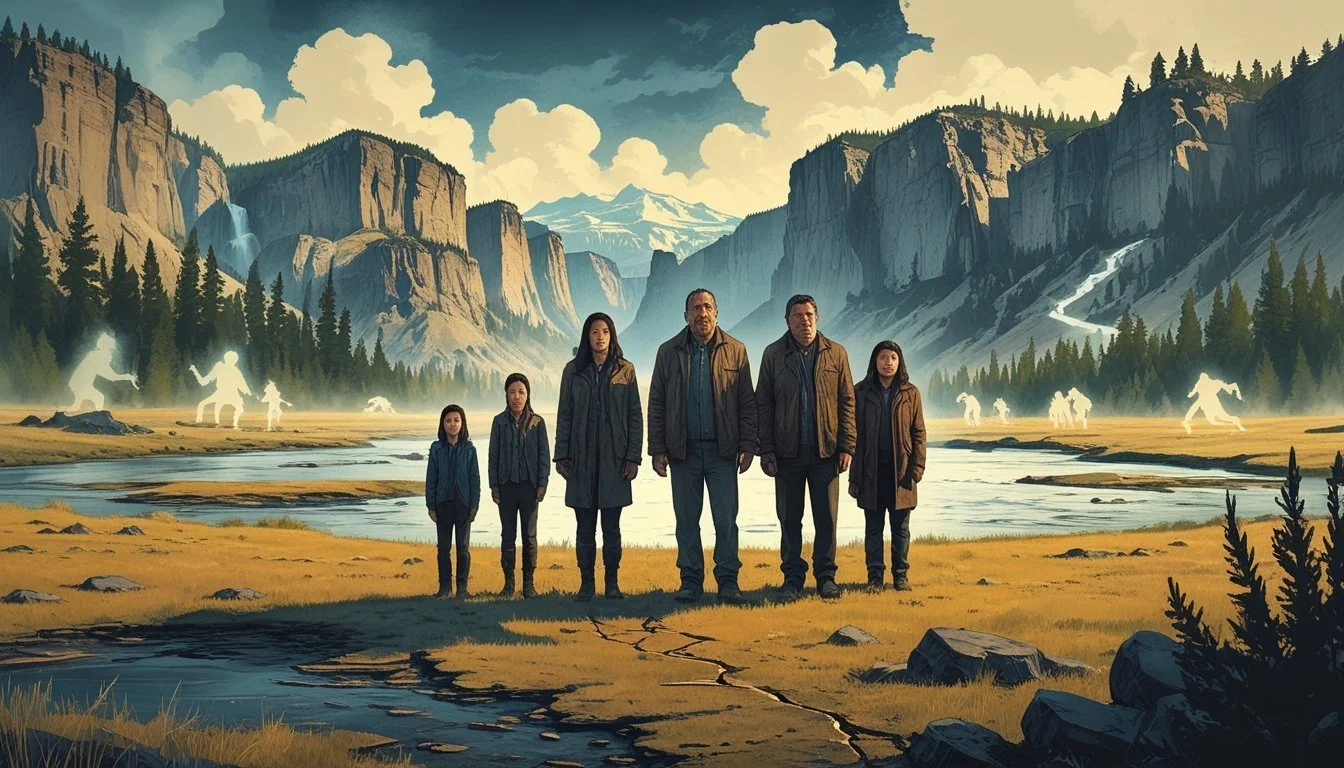
Generational trauma shapes the personal identities and motivations of the Dutton family, affecting the way characters interact, make decisions, and view their own legacy. Trauma passed down through families not only forms individual character arcs, but also deepens conflicts, drives loyalty, and complicates relationships within the world of Yellowstone.
The Evolution of Core Characters
John Dutton serves as a primary example of how generational trauma influences identity. As patriarch, he carries the emotional weight of maintaining the family's land and legacy, often leading to morally ambiguous choices. His experiences with loss and violence mold his leadership and values.
Beth Dutton’s character development reflects the scars of her childhood and the complex relationship she had with her mother. She becomes fiercely protective and often combative, acting out from pain shaped by her family's past. Kayce Dutton, caught between ranch life and his wife’s different values, struggles with the burdens passed down by both John's expectations and historical trauma.
Each main character’s journey highlights the lasting psychological impact of their upbringing. Their decisions—marked by both resilience and self-destruction—underscore how past wounds are never far from the surface.
Impact on Relationships and Loyalty
Generational trauma profoundly alters the characters’ loyalties and relationship dynamics. The Dutton family’s sense of loyalty is both a shield and a weapon, leading to fierce protectionism and, at times, internal conflict. Close bonds are forged not just by blood, but by shared hardship and secrets.
Trust is constantly tested, particularly between Beth and Jamie Dutton. Their relationship swings between loyalty and deep resentment, rooted in family history and unhealed wounds. Monica and Kayce’s marriage offers another lens, as they navigate how inherited trauma disrupts intimacy and trust.
The pressure to remain loyal to the Yellowstone ranch can override personal happiness or moral clarity. Acts of protection—sometimes violent or secretive—demonstrate how generational trauma can be both a source of unity and division, shaping every relationship in its wake.
Cultural Accuracy and Storytelling in Yellowstone
Yellowstone addresses its themes of generational trauma through a combination of dramatic storytelling and efforts toward cultural representation. The show's portrayal of Native American history and communities is shaped by key decisions behind the scenes as well as by its creator, Taylor Sheridan.
Collaboration with Native American Consultants
The production team has involved Native American consultants to help guide the depiction of Indigenous characters and their experiences. Several actors in Native roles, including Gil Birmingham, have spoken about input regarding scripts and cultural practices.
Some storylines reflect real issues affecting Native communities, such as historical land loss and cultural clashes. However, critics point out that consultation levels can vary and cultural specifics are sometimes generalized or simplified for broader audiences.
Taylor Sheridan has acknowledged the importance of accuracy, especially in episodes dealing with history, law, and cultural tradition. By including Indigenous advisors, Yellowstone attempts to ground some of its storytelling in lived experience, though results can be mixed.
Balancing Authenticity and Drama
The series frequently makes choices that prioritize dramatic impact over full historical or cultural fidelity. Events are sometimes condensed or altered to heighten emotional stakes for the main characters, especially members of the Dutton family.
Story arcs set on or near reservation land introduce themes of generational trauma and ongoing tension, but these are often viewed through a lens that centers non-Native characters. This creative balancing act has led to both praise for raising awareness and critiques for failing to give sufficient depth to Indigenous perspectives.
Authenticity is sometimes enhanced by consultation, but dramatic storytelling needs often drive narrative decisions. The tension between accuracy and entertainment means that Yellowstone presents a version of cultural reality that is both shaped by its consultants and limited by its primary narrative focus.
