
Why Yellowstone Is the Defining TV Drama of Our Time and How It Shapes Modern Television
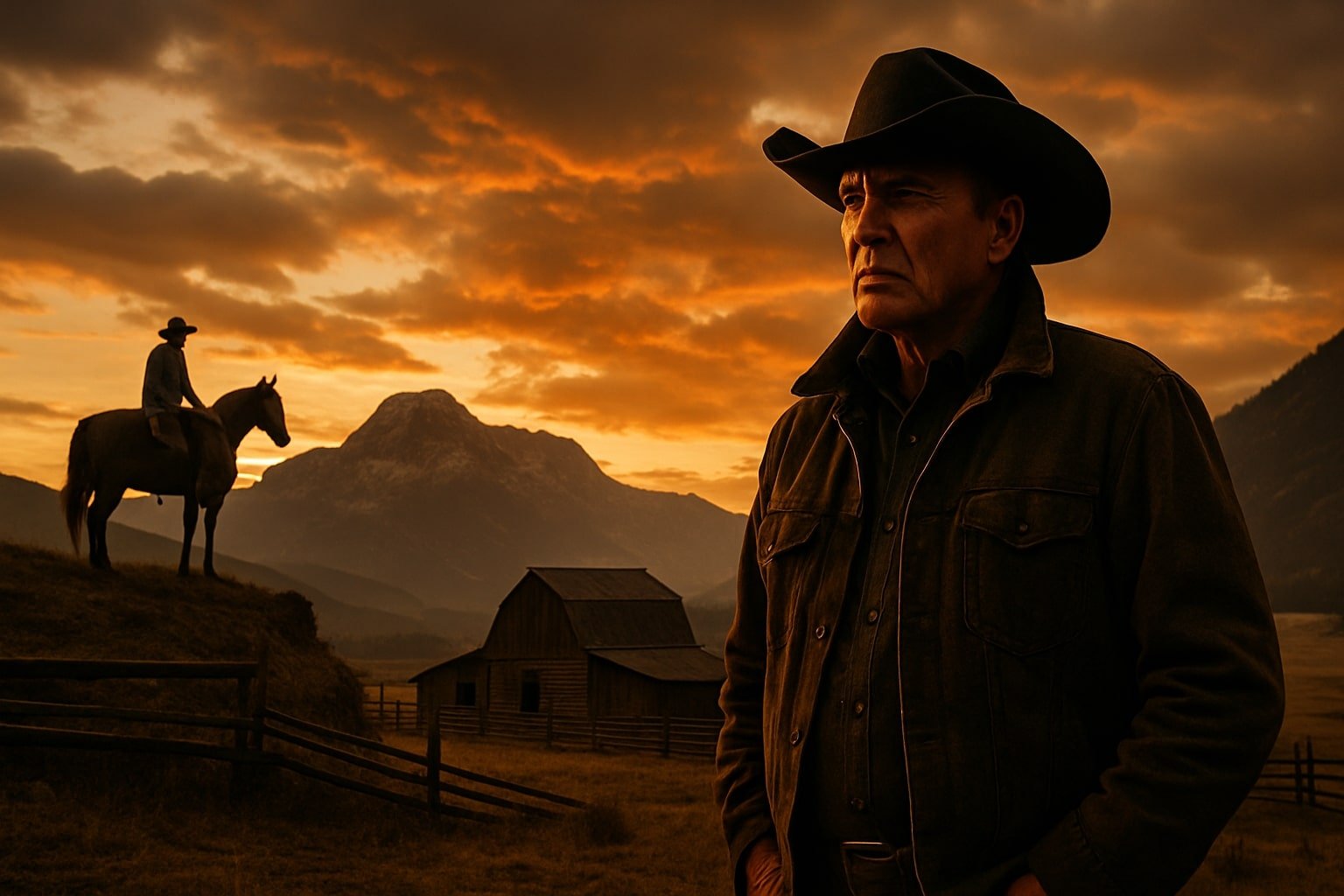
Yellowstone stands out as the defining TV drama of our time because it masterfully blends intense family conflict, political intrigue, and the raw beauty of the American West into one compelling series. Since its debut in 2018, it has captured audiences with complex characters and gripping storylines rooted in the realities of modern ranch life.
Its influence stretches beyond typical Western tropes, offering viewers nuanced portrayals of power struggles, loyalty, and survival. As the series nears its conclusion, Yellowstone’s cultural impact continues to grow, leaving a lasting mark on both television and popular conversation.
The Rise of Yellowstone as a Cultural Phenomenon
Yellowstone stands out for its unprecedented popularity among modern dramas. Its impact reaches into television ratings, streaming, and fan engagement, making it a benchmark for network success and cultural relevance.
Breaking Viewership Records
Since its 2018 debut, Yellowstone has consistently drawn millions of viewers, outperforming many network and cable dramas. The show routinely topped Nielsen ratings, especially during season premieres and finales. In the U.S., it has become one of the highest-rated cable dramas this decade, second only to hits of previous eras like The Walking Dead.
The steady rise in viewership numbers caught industry analysts’ attention as it bucked trends of declining cable audiences. Its ability to maintain and even grow its audience across seasons is notable. Such robust performance has led to increased anticipation and significant live plus same-day ratings—a rarity for scripted series in recent years.
Paramount Network’s Influence
Paramount Network played a pivotal role in shaping Yellowstone’s broad reach. Strategic scheduling, strong national marketing, and tailored promotions helped make the series its flagship drama. The network invested heavily in producing high-quality episodes with cinematic visuals and strong production values, making Yellowstone a hallmark for their brand.
In addition to linear broadcasts, Paramount+ provided new avenues for streaming and on-demand viewing. This dual-platform approach expanded accessibility, especially among younger audiences who prefer to stream shows at their convenience. Paramount Network’s emphasis on appointment viewing, paired with streaming, set Yellowstone apart from competitors limited to a single delivery method.
Fan Base and Social Media Impact
Yellowstone’s fan base is both passionate and highly engaged, with active communities on platforms like Twitter, Facebook, and Reddit. Fans frequently discuss plot theories, share fan art, and organize real-world meetups, deepening the sense of community.
Social media trends related to Yellowstone have regularly trended during new episode airings. The cast and creators interact with fans online, further fueling loyalty and conversation. Interest sparked by the show has led to increased tourism in locations featured onscreen, highlighting the real-world influence of its cultural presence.
Foundations of the Dutton Family Saga
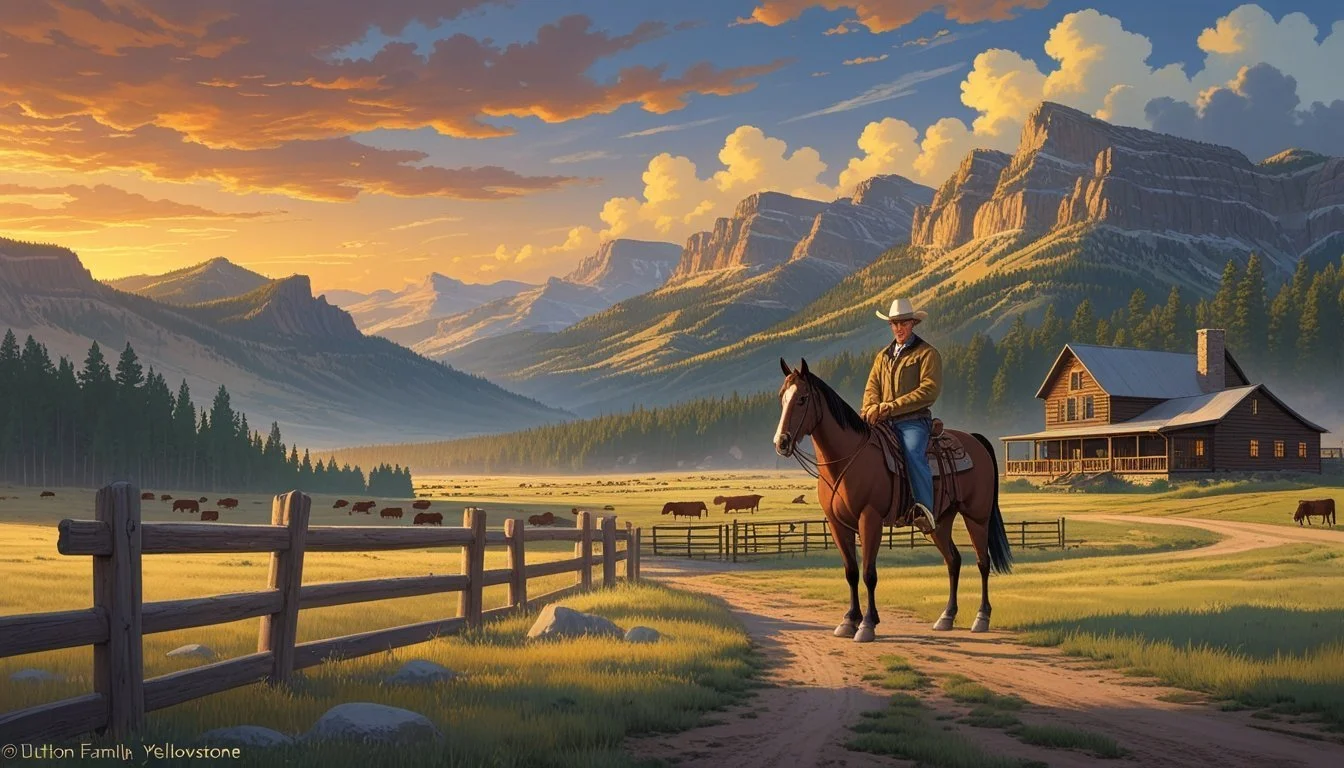
The Dutton family stands at the center of Yellowstone’s drama, their story unfolding across generations. Powerful family ties, shifting loyalties, and the constant struggle for legacy shape both the ranch and the series as a whole.
Origins and Legacy of the Duttons
The Duttons trace their roots back to James Dutton, a determined settler who, along with Margaret Dutton, established the family’s Montana homestead in the late 19th century. Their journey westward, chronicled in the prequel "1883," set the stage for what would become the sprawling Yellowstone Dutton Ranch.
Generations later, John Dutton presides as patriarch. He carries not only his forebears’ ambition but also the burden of preserving the family’s land against modern threats. The Duttons’ commitment to their heritage is evident in the daily struggles required to hold onto the ranch, making their legacy a central element of the show.
Succession within the Dutton line is never simple. Each generation faces its own unique challenges, and the cost of maintaining the ranch often includes personal sacrifice and conflict.
Character Dynamics Within the Family
At the heart of Yellowstone is a complex web of relationships between John Dutton and his children — Beth, Kayce, and Jamie. Each brings a unique set of motivations, skills, and personal conflicts to the family’s struggles.
Beth Dutton is fiercely loyal but emotionally scarred, using sharp intelligence to protect her family’s interests. Kayce, a former Navy SEAL, is torn between two worlds: his ranching heritage and his Native American in-laws. Jamie, the adopted son, seeks approval and position yet contends with deep feelings of alienation.
External figures like Rip Wheeler further entangle family dynamics. As John’s right-hand man and Beth’s partner, Rip’s unwavering loyalty brings both stability and tension to the Duttons. The ongoing power struggles and emotional rifts in the family add to both the drama and the realism of the series.
Exploring Family Legacy and Dynasty
The theme of legacy drives the actions of nearly every Dutton. John Dutton’s resolve to protect his land is not just about property, but about ensuring the family name endures for future generations. The ranch itself becomes a symbol of both inheritance and responsibility.
Table: The Dutton Family’s Approach to Legacy
Character Approach to Legacy Impact on Family John Dutton Preservation at all costs Central authority Beth Dutton Ruthless legal and financial tactics Shields family assets Kayce Dutton Torn loyalties, moral decisions Inherited burden Jamie Dutton Seeks validation and control Family discord Rip Wheeler Loyalty above all Enforcer of tradition
For the Duttons, maintaining the dynasty means facing both internal and external threats—rival developers, longstanding grudges, and even the law. These pressures force each family member to choose between personal happiness and the demands of legacy, driving the intense personal drama that defines Yellowstone.
Storytelling and Character Development
Yellowstone stands out for its nuanced character dynamics and sophisticated narrative choices. The show’s appeal stems from its focus on personal motivations and ethical complexity within the sprawling world of the Dutton family.
Complex Characters and Morally Ambiguous Motives
Yellowstone’s cast features individuals with layered personalities and conflicting priorities. John Dutton, as the patriarch, often faces moral dilemmas that reveal both strengths and flaws. His children, like Beth and Jamie, have ambitions and traumas that directly shape their decision-making.
Most major characters operate in gray areas rather than fitting into simple “good” or “bad” categories. Their choices often stem from survival instincts, loyalty to family, or pursuit of power. This moral ambiguity is key to the show’s tension and realism.
The evolution of characters such as Rip Wheeler illustrates how loyalty and violence can coexist. The writing leans heavily on internal conflict, making every character’s journey unpredictable yet grounded.
Interweaving Story Arcs and Themes
The show weaves together several parallel storylines involving land disputes, political maneuvering, and family betrayal. Narrative threads are tightly interconnected, causing actions in one plotline to ripple across others.
Major themes include the struggle to preserve tradition, the challenge of modern encroachment, and the question of what families owe to one another. These are explored not only through dialogue but also visually, using the Montana landscape to reinforce isolation or connection.
Recurring motifs include the cost of power and the complexity of justice. Events rarely resolve neatly, forcing characters to navigate uncertainty while weighing loyalty against personal ambition.
Redemption, Power Struggles, and Loyalty
Redemption arcs are visible in characters like Jamie and Beth Dutton, who attempt to atone for past harm or transcend family legacies. The show portrays redemption as an ongoing process rather than a single event.
Power struggles drive much of the plot, with shifts in control over the Yellowstone ranch, political offices, and personal relationships. These dynamics play out through negotiation, confrontation, and sometimes violence.
Loyalty, both as a virtue and a burden, defines many relationships. This is especially clear between John Dutton and his ranch hands, who form a chosen family bound by shared secrets and mutual interests. Conflicts often pit personal loyalty against broader social or familial duties, deepening the narrative tension.
Yellowstone’s Unique Approach to the Modern Western Genre
Yellowstone reshapes the classic Western formula through contemporary storytelling, setting, and themes. The series blends traditional elements with gritty realism, focusing on power, family, and moral ambiguity in a modern setting.
Neo-Western and Contemporary Themes
Yellowstone stands as a leading example of the neo-western, a subgenre that updates the classic Western with modern sensibilities. Unlike older Westerns, it takes place in present-day Montana, with conflicts involving land, business, and politics rather than just outlaws and frontier justice.
The show features corporate battles, Native American land rights, and legal struggles. These contemporary issues give Yellowstone a relevance that older Westerns lack. The series shares DNA with other neo-westerns like Hell or High Water, Sicario, and Wind River—each created or influenced by Taylor Sheridan, who also created Yellowstone.
Ethical dilemmas and shifting loyalties are at the forefront, reflecting today’s complexities around power and morality. Yellowstone’s characters frequently face choices with no simple right or wrong, underscoring the genre’s evolution.
Rugged Individualism and Masculinity
Central to Yellowstone’s appeal is its portrayal of rugged individualism—a hallmark of the Western genre. The Dutton family, especially patriarch John Dutton, embodies traits like resilience, self-reliance, and unyielding leadership.
Masculinity in Yellowstone is often raw and uncompromising. The narrative addresses machismo and toxic masculinity, but without glorifying or simplifying it. Conflicts between fathers and sons, the pressure to maintain the family legacy, and the costs of stoicism are recurring themes.
Unlike older Westerns, Yellowstone does not shy away from examining the darker consequences of these ideals. Characters are shaped by trauma, ambition, and isolation, making them complex and often flawed.
Crime, Violence, and Political Intrigue
Yellowstone integrates crime and violence into its storylines, but always as part of larger power struggles. Land disputes, cattle theft, and brutal confrontations are common. These conflicts reinforce the dangers that still exist in the so-called modern West.
Political intrigue is woven throughout the show as business interests clash with government and Native American tribes. Deals, betrayals, and covert actions drive the season arcs. This approach aligns Yellowstone with neo-westerns like Sicario, where moral lines blur and power is the central currency.
The fusion of violence and politics lends the series a tense, unpredictable atmosphere that keeps viewers engaged. Every conflict has high stakes, making Yellowstone’s approach to the modern western genre both grounded and compelling.
The Sense of Place: Montana and the American West
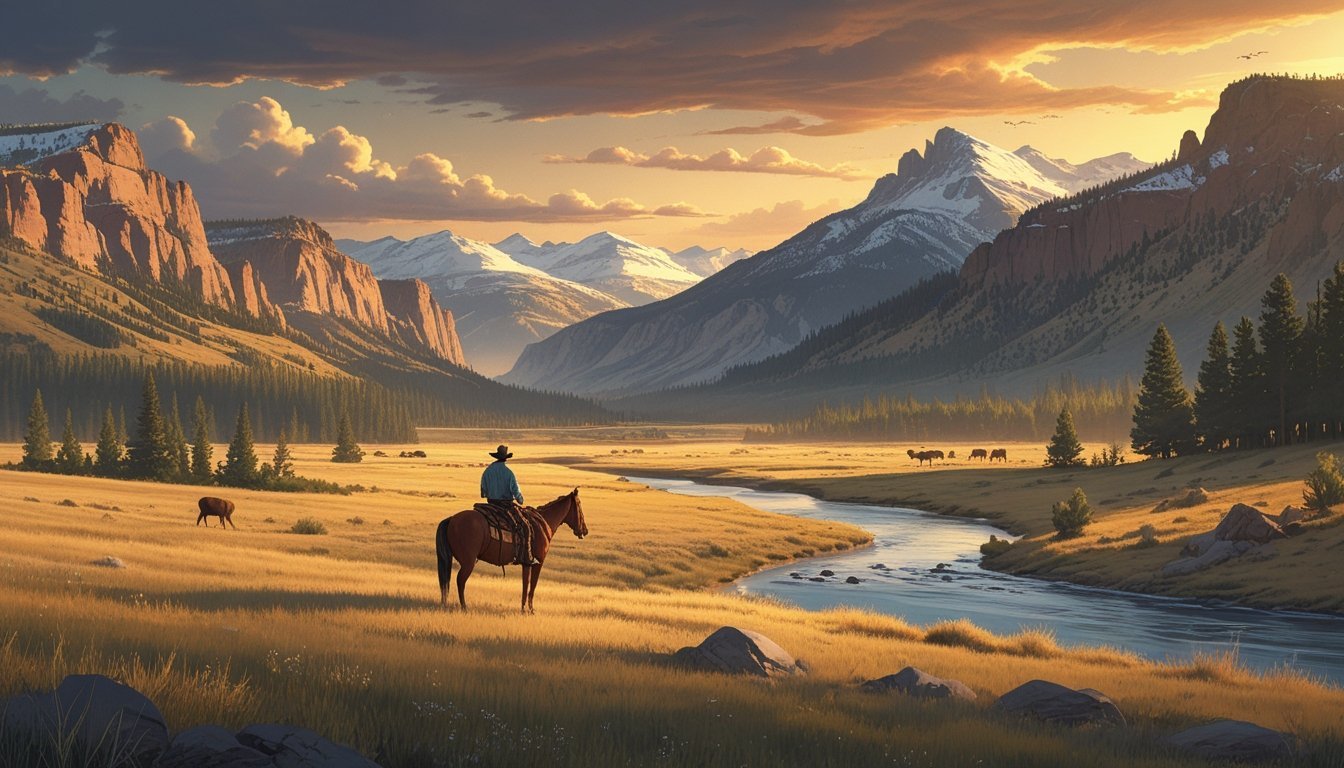
Yellowstone grounds every episode in the realities and myths of Montana and the broader American West. Settings, struggles, and landscapes all play a role in revealing how the region shapes its people and their choices.
Land Ownership and Rights
Land ownership and rights are central to the tension and storyline on Yellowstone. The Dutton family’s fight to keep their large, contiguous ranch from land developers and government interests echoes real issues faced by ranchers across Montana. Ownership here isn't just about property—it is about identity, heritage, and survival.
Montana’s vast lands have long been the subject of disputes over boundaries, water rights, and access. Conflicts over who gets to use, control, and benefit from the land spotlight broader questions of fairness and legacy in the American West. The series underscores how these issues affect not just wealthy owners, but also native populations and newcomers seeking opportunity.
Environmental concerns add another layer to these disputes. Ranchers must balance the demands of tradition with new pressures from conservation groups, federal agencies, and energy developers, making land rights a constantly evolving and contentious subject.
Breathtaking Landscapes and Rural Life
The visual identity of the series relies on sweeping shots of open prairies, pine forests, and rugged mountain backdrops. Yellowstone uses actual Montana locations to enhance authenticity, creating a sense of scale rarely seen on television. The land itself becomes a character—vast, unpredictable, and at times unforgiving.
Rural life depicted in the series captures both its appeal and its challenges. Characters face isolation, economic hardships, and the demands of ranch work, while also enjoying the freedom and beauty of wide-open spaces. This portrayal resonates especially with rural viewers who see aspects of their lives reflected on screen.
Specific scenes, including cattle drives and moments of quiet along the Yellowstone River, highlight the deep connection many Montanans have with their environment. The physical landscape shapes daily routines, priorities, and even the conflicts that drive the plot.
Tourism and the Yellowstone Effect
Tourism plays a unique role both in the world of the show and the real Montana economy. The popularity of Yellowstone has led to a marked increase in visitors drawn by the romanticized vision of the West presented on screen. Cities like Billings and Bozeman have seen tourism spikes, boosting local businesses but also raising concerns about sustainability.
This influx has changed the dynamic of rural towns. Short-term gains from increased tourism can bring long-term pressures—rising costs, crowded public lands, and shifts in community identity. The "Yellowstone effect" has even made some areas less accessible for long-time residents due to housing demand.
Key Impacts of Increased Tourism:
Positive Impact Negative Impact Economic growth Strain on infrastructure Increased awareness Higher property prices More local jobs Displacement of locals
The interplay between a working landscape and growing outside interest highlights challenges familiar to much of the American West.
Representation and Identity
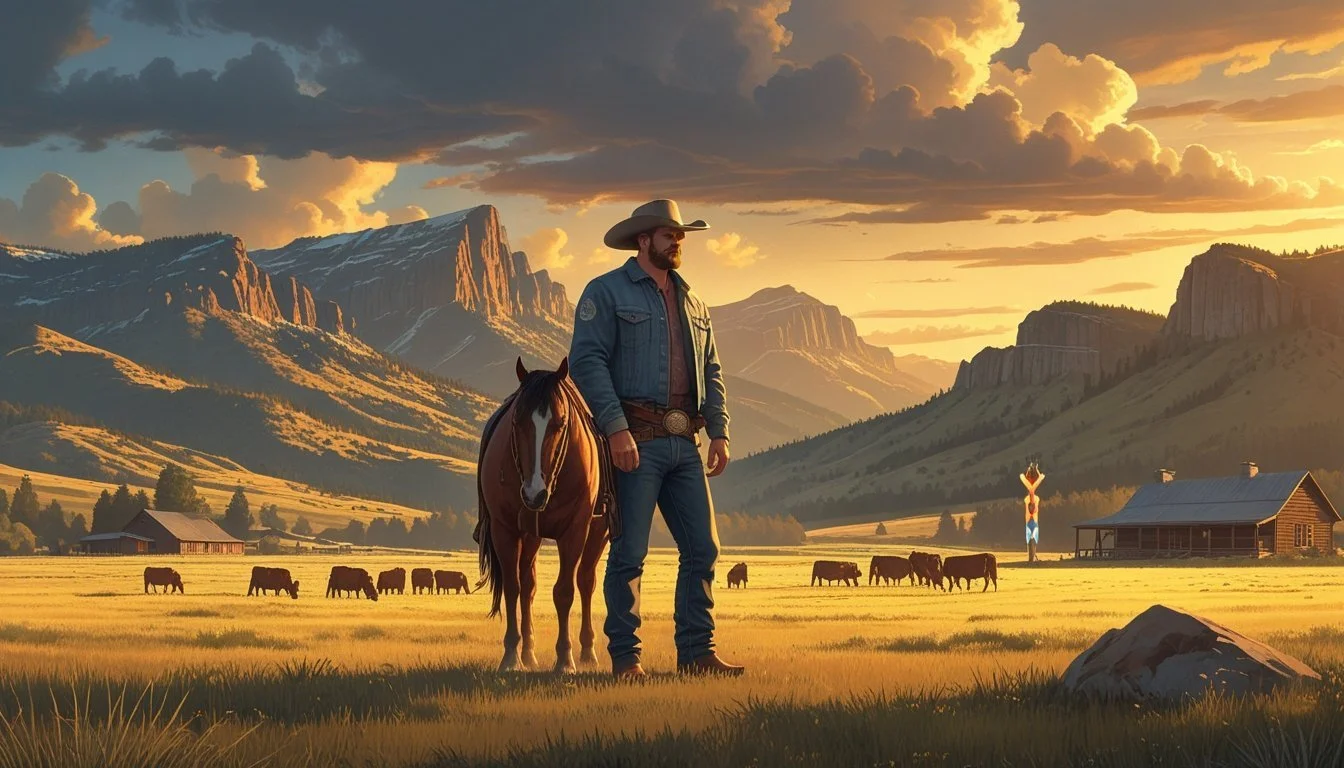
Yellowstone frequently examines identity through family ties, land, and power, placing both Native American and ranching cultures in conflict and conversation. It uses familiar icons of the American West to explore belonging, cultural legacy, and who has the authority to define themselves in modern America.
Portrayal of Native Americans and Tribes
The show features the Broken Rock Reservation and tribal chairman Thomas Rainwater as key parts of its narrative. Native Americans are central, not peripheral, in conflicts over land and sovereignty, highlighting ongoing struggles for rights and recognition.
Yellowstone often portrays the complex relationship between the Dutton family and neighboring tribes. Dialogue regularly addresses historical injustice, land theft, and modern tribal politics. At times, representation faces criticism for relying on stereotype or for dramatizing conflict at the expense of deeper cultural nuance.
Rainwater’s character balances political savvy with cultural pride, and his storylines frequently involve legal battles, economic development for the tribe, and efforts to reclaim ancestral territory. This focus gives viewers a perspective on Native identity that is shaped by both traditional values and contemporary struggles.
Cultural Identity and the American Dream
Yellowstone ties cultural identity to notions of land and legacy. The Duttons’ fierce attachment to their ranch represents an American dream rooted in property, independence, and generational continuity. These themes are explored as ideals and burdens, not simply as triumphs.
Rural American values—such as loyalty, self-sufficiency, and resilience—are frequently celebrated but are shown to create personal and family conflicts. Characters from varied backgrounds, including Native Americans, challenge and redefine what the American dream looks like today.
The series regularly prompts questions about who belongs, who prospers, and who is left behind. In doing so, it turns the ranch into a symbol of both inclusion and exclusion, spotlighting the persistent debates over cultural ownership and American identity.
The Creative Vision of Taylor Sheridan

Taylor Sheridan’s unique approach to storytelling, insistence on authenticity, and influence on the modern Western are central to Yellowstone’s success. His work is defined by distinct writing, careful direction, and a commitment to realistic representation, setting a new standard for the genre.
Writing and Directorial Style
Taylor Sheridan’s writing in Yellowstone is marked by sharp dialogue and morally ambiguous characters. He crafts multifaceted roles, especially the Dutton family, where motivations are often complicated and the line between right and wrong is blurred. This complexity pulls viewers into the family’s personal and external conflicts.
As a director, Sheridan emphasizes visual storytelling and pacing. Wide shots of Montana’s landscape and tense close-ups capture the vastness and intimacy of the ranch. He often uses silence and slower scenes to build tension, avoiding typical action-driven formulas.
Key Features of Sheridan’s Style:
Feature Description Dialogue Nuanced, character-driven conversations Characterization Moral ambiguity, complicated loyalties Story Structure Long-running arcs, high-stakes personal drama Visuals Expansive landscapes, detailed settings
Authenticity and Realism
Authenticity is a hallmark of Sheridan’s work. He draws from his experience growing up in Texas and working on ranches, infusing genuine detail into every aspect of Yellowstone. Actors often participate in “cowboy camp,” learning real ranching skills to add realism to their performances.
Sheridan’s depiction of rural life, land disputes, and modern cowboy culture reflects real-world challenges. Costumes, dialogue, and settings are grounded in research rather than Hollywood stereotypes. Real horses, cattle, and working ranchers appear on screen, increasing the sense of accuracy.
By insisting on authenticity, Sheridan gives Yellowstone a credibility that sets it apart from other dramas. This commitment shapes not only the aesthetic, but the entire tone and feel of the show.
Impact on the Western Narrative
Sheridan reinvents the Western narrative by blending classic elements with current social and economic themes. He keeps staples like rugged landscapes and horseback drama, but modernizes them with stories of corporate pressure, land development, and family legacy.
He challenges simple good-versus-evil tropes. Instead, rivals and protagonists are both deeply flawed, reflecting twenty-first-century anxieties rather than old Western heroism. The shift in narrative focus—from lone gunfighters to families and communities—reshapes the genre.
Western themes remain central, but Sheridan’s vision expands the narrative to include Native American perspectives, power struggles, and the costs of maintaining tradition in the present day. This has influenced how new Western dramas are written and produced across television.
Spin-Offs and Expanding the Franchise
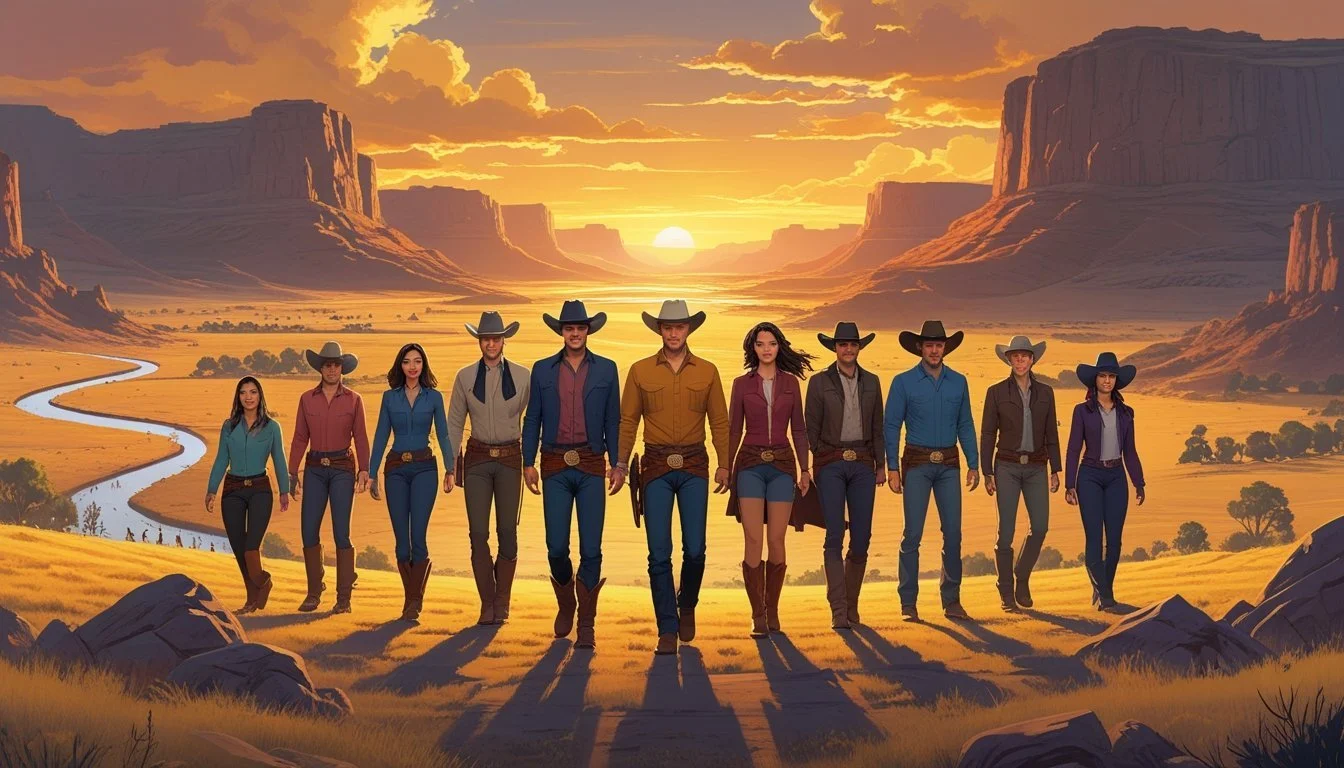
The Yellowstone universe now includes multiple spinoffs exploring different eras and aspects of the Dutton family journey. These series expand on historical events, key characters, and interconnected storylines, presenting a wider view of the family’s influence and the evolving American West.
Prequel Series: 1883 and 1923
1883 serves as the earliest chronological entry in the Dutton family saga. Starring Faith Hill and Tim McGraw, the series details the family’s arduous journey westward in search of a better life, highlighting themes of hardship and survival during post-Civil War America.
The next major prequel, 1923, features Helen Mirren and Harrison Ford. It focuses on a later generation of Duttons as they navigate drought, Western expansion, and the social upheaval leading into the Great Depression. The show addresses economic uncertainty, family legacy, and the resilience needed to maintain the Montana ranch.
Both prequel series provide historical context for Yellowstone’s central conflicts and values, offering insight into how the Dutton family’s power and responsibility evolved over generations.
Future Prospects: 6666 and Beyond
The expansion of the Yellowstone franchise is set to continue with new projects like 6666. Set in Texas, this spinoff explores the legendary Four Sixes Ranch, shifting the action from Montana to a different region with its own ranching challenges and traditions.
Other planned series, such as Bass Reeves, will spotlight historical figures and broaden the Dutton universe further. These upcoming entries are expected to delve into law enforcement history and post-frontier realities, connecting with themes introduced in previous series.
Planned or rumored sequels like Y: 2024 and Y: Marshals continue the trend of exploring different timelines and perspectives, solidifying Yellowstone’s influence on contemporary serialized drama.
Shared Themes Across the Dutton Family Universe
All spinoffs share recurring themes central to the original Yellowstone series. Issues of land ownership, generational conflict, personal sacrifice, and the struggle to maintain family legacy link every era of the Dutton saga.
Characters often face ethical dilemmas rooted in real historical events. Whether it’s the hardship of settling new land in 1883, coping with economic collapse in 1923, or negotiating modern-day threats in Yellowstone, the family’s story reveals the complexity of loyalty and survival.
Through interconnected storytelling and overlapping timelines, the franchise underscores how the values and battles of one generation shape the fate of the next. This consistent thematic thread helps the series maintain continuity and resonance across its expanding universe.
Critical Reception and Legacy
Yellowstone has generated substantial discussion among critics, audiences, and industry peers. Its prominent ratings, bold storytelling choices, and impact on contemporary Westerns have helped shape modern TV drama.
Critical Reviews and Public Reception
Yellowstone has received largely positive reviews from critics, who often point to its striking cinematography and the strong performances of its cast. Viewers have responded with high ratings and consistent word-of-mouth, leading to significant viewership growth each season.
For example, the season 5 premiere drew record numbers for a cable drama in recent years, surpassing many of its competitors. While some reviewers highlight the show's conservative themes and intense conflicts over land and family, others praise its balance between traditional Western elements and modern character dilemmas.
User reviews on platforms like IMDb and Rotten Tomatoes show a steady approval, with particular appreciation for the show’s ability to sustain suspense and intrigue over multiple seasons. The depiction of power struggles, combined with authentic settings, contributes to Yellowstone’s long-lasting appeal.
Comparisons to Other TV Dramas
Compared to dramas like Game of Thrones and Justified, Yellowstone stands out for blending the Western genre with the serialized family saga format. Unlike the high-fantasy setting of Game of Thrones, Yellowstone grounds its intense conflicts in realistic issues, such as land rights, politics, and family heritage.
Critics frequently debate whether Yellowstone surpasses the critical acclaim of other neo-Westerns, with some noting its broader reach among mainstream viewers. While Justified is credited with setting high standards for modern Western storytelling in the early 2010s, Yellowstone has brought the genre into the cultural spotlight for the 2020s.
Discussions in industry publications have also compared Yellowstone’s formula to the original Netflix drama approach—ensemble casts, rich settings, high stakes—but with a distinctly rural American context. Its unique combination of scale and intimacy places it alongside TV’s most influential dramas.
Influence on Modern Television and Streaming
Yellowstone’s success has led to a surge of interest in Western-themed shows, with several new projects and spin-offs developed for both cable TV and streaming platforms. Its creator, Taylor Sheridan, has used this momentum to launch related series that further expand the show's legacy.
The show has also influenced how streaming services like Netflix approach adult drama content, encouraging a return to serialized storytelling and detailed world-building outside of urban or fantasy genres. Production companies now recognize the demand for shows featuring complex family dynamics and morally ambiguous characters.
Streaming platforms have adopted some of Yellowstone’s techniques, such as short, impactful seasons and emphasis on cinematic visuals, to engage audiences seeking high-quality drama. The series’ combination of ratings success and critical recognition has reshaped network strategies on both content and marketing.
