
Why Yellowstone’s Women Are Its Fiercest Warriors
Exploring Their Strength and Impact
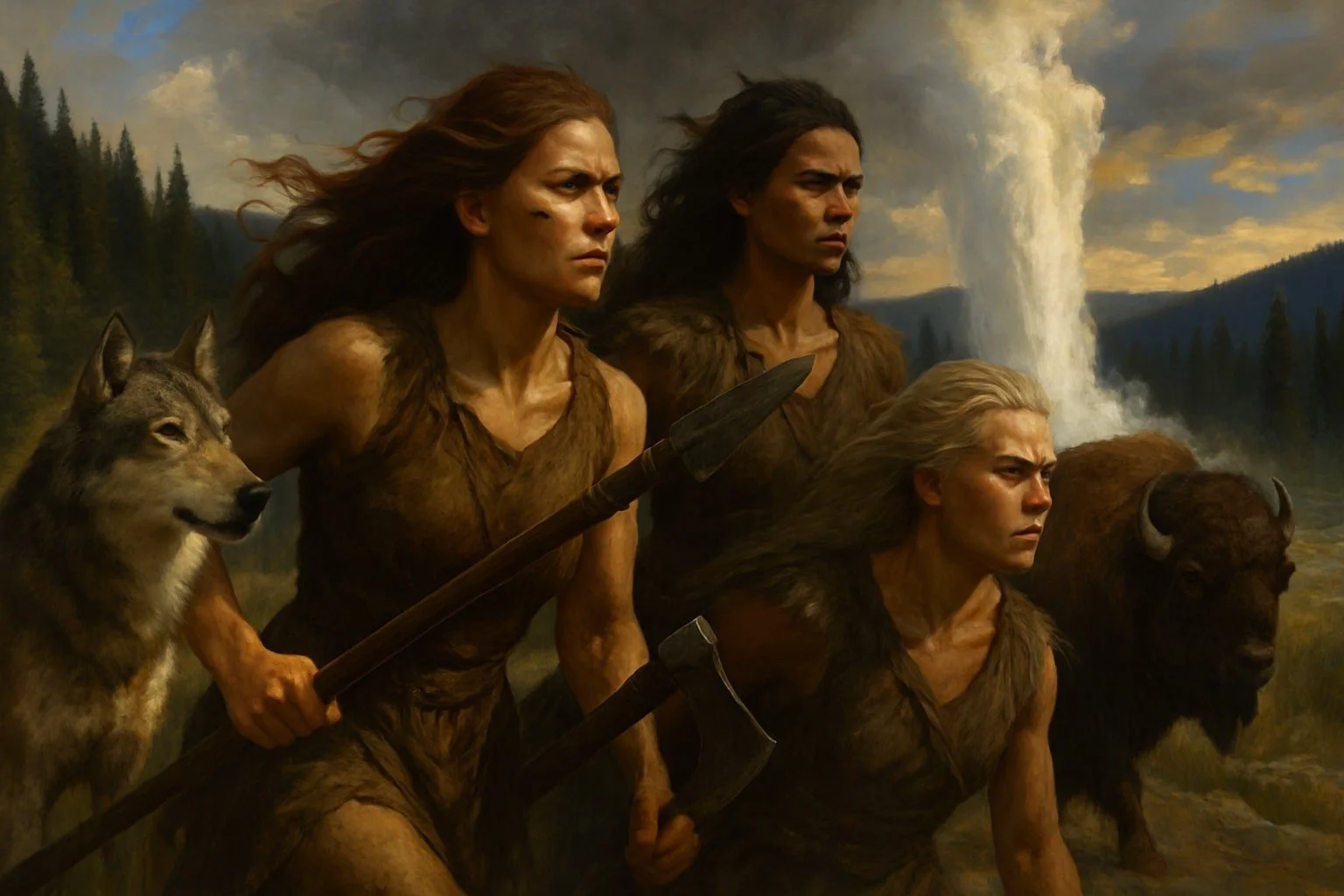
The women of Yellowstone are more than background characters—they are powerful forces shaping the fate of the Dutton family and their land. Yellowstone’s women are its fiercest warriors because they confront danger, betrayal, and hardship with a blend of resilience, strategic thinking, and unwavering loyalty to their family. From Beth Dutton’s sharp intellect and ruthless negotiation skills to Monica’s quiet strength in the face of adversity, each brings her own kind of power to the story.
These women break the mold of traditional Western storytelling, stepping beyond stereotypes to become decisive players in every family crisis. Their actions and choices drive the drama just as much as the men of the ranch, making the Dutton women essential to Yellowstone’s enduring appeal.
The Role of Women in Yellowstone
In Yellowstone, women are not simply background figures or supporting roles. They demonstrate strength and agency, playing crucial parts in shaping both the Dutton family legacy and the modern western genre.
Foundational Female Characters
The series’ female characters—including Beth Dutton, Monica Long Dutton, and others—are central to Yellowstone’s story. Each woman is given her own distinct perspective, history, and motivations.
Beth Dutton is particularly commanding. She demonstrates sharp intelligence, unfiltered honesty, and fierce loyalty, producing a complex character who is both vulnerable and formidable. Monica Long Dutton brings a different viewpoint, balancing her Indigenous heritage’s traditions with the conflicts on the ranch.
These characters are not merely “strong female leads.” They are multidimensional and allowed to make mistakes, express pain, and wield power in varied ways. Their influence extends throughout the Dutton family and impacts the ranch’s daily survival and broader conflicts.
Notable Female Characters
Character Role Key Traits Beth Dutton Dutton daughter, businesswoman Fierce, shrewd, unapologetic Monica Long Dutton Kayce's wife, teacher Thoughtful, resilient, principled Teeter Ranch hand Independent, bold, resourceful
Defining Fierceness on the Yellowstone Ranch
Fierceness among Yellowstone’s women is expressed in distinct forms. Beth Dutton shows it through refusing to back down in business or personal crises, engaging in verbal sparring, and confronting threats head-on. Her actions make her a formidable force in the Dutton family’s business dealings and personal feuds.
Monica’s brand of strength involves moral courage and emotional resilience. She often challenges Kayce and the Duttons to consider the ethical costs of their choices and advocates for her family and students.
Other female characters, such as Teeter, reflect resilience in the unforgiving environment of the ranch, working alongside men and proving their worth despite skepticism. Their contributions are essential, highlighting the show’s commitment to giving women substantial roles in its reimagining of the western genre.
Challenging Gender Roles and Stereotypes
Yellowstone consistently subverts the traditional portrayal of women in westerns. Female characters are not confined to domestic or background roles; instead, they occupy positions of influence and autonomy.
Beth Dutton, for example, wields financial power, negotiates business deals, and is integral in making strategic decisions for the Dutton family. Monica uses education and community advocacy to affect change, refusing to be sidelined by trauma or adversity.
Their storylines challenge longstanding stereotypes about femininity and strength. In the process, Yellowstone emphasizes that women can be both vulnerable and fierce, blending emotional complexity with unwavering determination. This portrayal sets the show apart in the genre, showcasing diverse forms of female empowerment.
Beth Dutton: Yellowstone’s Ultimate Warrior
Beth Dutton, played by Kelly Reilly, is one of the most complex characters in the Yellowstone universe. Her fierce loyalty to the Dutton family, strategic intelligence, and willingness to engage in psychological warfare make her a central figure in the show's ongoing conflict.
Psychological Warfare and Ruthless Tactics
Beth Dutton’s strength lies in her mastery of psychological warfare. She regularly uses sharp wit, intimidation, and manipulation to gain leverage over adversaries. Her approach often involves uncovering weaknesses and exploiting them, as seen when she dismantles corporate opponents and rivals seeking to harm her family.
Negotiations are not simple discussions but battles where Beth’s words and demeanor are her primary weapons. She does not shy away from threats or confrontation, and her ruthless nature surfaces in boardrooms as often as it does in personal vendettas.
Her confidence can be both disarming and terrifying. This psychological edge has allowed her to protect family interests against threats few others could face without faltering.
Trauma, Loyalty, and Resilience
Beth’s resilience stems from surviving immense personal trauma. She witnessed her mother’s tragic death and endured a violent attack orchestrated by the Duttons’ enemies. These formative experiences have shaped her into a fierce protector.
Her loyalty to John Dutton and the family legacy is unwavering. Even when facing her greatest fears, she acts with the Dutton ranch’s survival in mind, often absorbing pain to shield others from it. This ability to endure loss and betrayal without losing sight of her purpose sets Beth apart from others.
Beth’s trauma does not define her, but it fuels her drive. Her capacity to recover and fight back has made her one of the most enduring and powerful women in the series.
Relationships and Sibling Rivalry
Beth’s relationships with family members, especially her father John and brother Jamie, drive much of the family saga’s emotional tension. Her devotion to John Dutton is clear; she is both his fiercest defender and his most honest critic.
Her rivalry with Jamie is especially intense. Beth blames him for past traumas, and their interactions are filled with anger, betrayal, and unresolved grief. These conflicts reveal Beth’s deep pain and her refusal to forgive those she sees as threats to the family.
Support for her other siblings, like Kayce, is often more subtle but no less significant. Her complicated family ties underpin much of the series’ dramatic conflict.
Ambition and Intelligence
Beth Dutton’s ambition is matched by a sharp intellect. She is highly educated in finance and business, using her skills to navigate high-stakes corporate battles. Her strategic thinking is evident in her ability to anticipate opponents’ moves and counter them effectively.
She operates in a world that demands quick, often cold decision-making. Beth leverages her connections and expertise to outmaneuver powerful adversaries and secure the Dutton legacy.
Her confidence in negotiations reflects a clear understanding of both risk and opportunity. In Yellowstone, Beth is a rare example of a powerful woman who balances ambition, intelligence, and loyalty with ruthless determination.
Other Formidable Women of Yellowstone
The Dutton universe is shaped not only by powerful men but by women whose actions and choices guide the family’s destiny. Across generations—on the Yellowstone ranch and the untamed frontiers of the American West—these women embody resilience, courage, and a steadfast commitment to legacy.
Monica Dutton’s Strength and Compassion
Monica Dutton brings a unique perspective to life on the Yellowstone ranch. As an Indigenous woman married into the Dutton family, she navigates complex issues of identity and loyalty, often serving as a bridge between her husband Kayce’s world and her own heritage.
Her determination is seen through her advocacy for her students and her efforts to protect her family. Monica consistently displays empathy and reason in conflicts that threaten to divide those around her.
She faces personal tragedy and cultural challenges head on. Despite suffering great loss, Monica acts decisively during crises, revealing her inner strength and moral clarity—qualities that help anchor the Dutton legacy.
Key Qualities
Trait Example Compassion Supporting her students and family Strength Facing personal loss and adversity Cultural Pride Preserving and teaching heritage
Margaret Dutton: The Matriarch’s Legacy
Margaret Dutton, first seen in 1883, is the cornerstone of the Dutton family’s earliest days in the West. As the wife of James Dutton, she endures the dangers of frontier life and guides her family through peril and uncertainty.
Her leadership is marked by unwavering resolve. When faced with the threat of losing loved ones, Margaret is often the first to act, showing protective instincts that help solidify the family’s survival and eventual success.
Margaret’s resourcefulness and emotional intelligence enable her to support tough decisions and provide comfort during the harsh realities of migration. Her example sets a standard for future generations of women in the Yellowstone universe.
Elsa Dutton’s Adaptation and Independence
Elsa Dutton, the daughter of James and Margaret, emerges as a central character in 1883. She adapts to frontier life with a fearless attitude and earns respect not only from her family but from others on the journey West.
Elsa’s journey highlights her independence, as she makes hard choices about love, loyalty, and survival. Her ability to embrace change and face the dangers of the American frontier speaks to her courage and adaptability.
She symbolizes the aspiration and grit required to build a new life, often serving as a role model for younger generations in the Dutton legacy. Elsa’s experiences shape the values that persist at the Yellowstone ranch and beyond.
Yellowstone’s Women and the Fight for Power
Yellowstone’s women leverage intelligence, force, and pragmatism in their pursuit of influence within the Dutton world. Whether facing physical danger or complex negotiations, they often bend the rules and challenge gender expectations to protect their families and interests.
Strategic Strikes and Dangerous Confrontations
Beth Dutton’s calculated moves make her one of Yellowstone’s most formidable figures. She uses strategic manipulation and intimidation to dismantle threats, such as corporate rivals or local criminals.
Her confrontations with adversaries like Malcolm Beck show her willingness to fight dirty. Beth does not hesitate to orchestrate attacks or provoke enemies, making her dangerous in both business and personal arenas.
Other women also refuse to shy away from confrontation. Margaret Dutton’s unwavering resolve in 1883 and Monica Dutton’s acts of defiance highlight the range of tactics, from direct violence to psychological pressure, that Yellowstone’s women use to gain ground.
Justice, Loyalty, and Criminal Deeds
Justice for the Dutton women often involves blurring ethical boundaries. Fierce loyalty compels them to cover up crimes, orchestrate retribution, or outmaneuver the law.
Beth is notorious for committing and concealing criminal deeds when she believes it necessary for family survival. Monica, on the other hand, walks the line between legality and loyalty, pursuing justice for her son and students while navigating the violence around her.
These women’s actions show a complex relationship with justice. They may resort to criminal methods not out of malice, but from loyalty or a sense of duty to protect those closest to them.
Negotiating in a Male-Dominated World
Operating in a world where gender roles are rigid, the women of Yellowstone upend traditional expectations. Beth’s business acumen repeatedly challenges male authority, asserting her place in high-stakes negotiations.
She faces regular opposition and skepticism but rarely yields ground. Monica confronts institutional barriers, speaking out even when it risks backlash or alienation.
By fighting for respect at the negotiating table and on the ranch, Yellowstone’s women challenge gender norms and upend the assumption that power belongs only to men. Their resolve and resourcefulness drive the story’s most compelling struggles for control.
Transformation and Growth of Female Characters
Women in Yellowstone experience sharp transformation, evolving beyond surface roles into multi-faceted characters. These changes are marked by empowerment, the conscious rejection of narrow stereotypes, and deep resilience in response to trauma.
Empowerment and the Breaking of Stereotypes
Characters like Beth Dutton challenge expectations of female power within a traditionally masculine environment. She leverages her psychological acumen in business and family conflicts, demonstrating that feminine power can be both strategic and assertive.
The show forgoes simplistic “strong female character” tropes. Instead, its women show agency in nuanced ways, making complex decisions that often put them at the center of Yellowstone’s most pivotal events. For example, Monica Dutton builds influence through moral conviction rather than force or intimidation.
Other women in the series reject passive roles, becoming active participants in the family’s ongoing battles. Power dynamics are never one-dimensional. Each character’s growth reflects the diversity of feminine strength—ranging from fierce independence to loyalty—without reducing them to clichés.
Character Key Transformation Beth Dutton From self-destructive to fiercely protective Monica Dutton From outsider to moral anchor
Resilience in the Face of Trauma
Resilience forms the backbone of the women’s journeys. Beth endures personal loss and psychological scars from a young age. Instead of retreating, she adapts, weaponizing her pain in service of her family.
Monica faces repeated trauma as both an outsider and a family member. She channels her struggles into advocacy and teaching, reshaping her role from victim to empowered survivor.
Repeated exposure to violence and hardship does not diminish their resolve. Rather, these events become catalysts for transformation. Yellowstone’s women face trauma head-on, choosing growth and adaptation over defeat. Their resilience drives much of the story’s emotional weight and underpins their status as the show’s fiercest warriors.
Relationships, Loyalty, and Family Legacy
Loyalty and resilience shape the core of the Dutton family’s multigenerational saga, with women often leading the way during times of crisis. Their actions reveal how ambition and morality intersect with duty to family, legacy, and personal identity.
Female Influence on Family and Legacy
The Dutton women demonstrate significant influence over both their family's future and the preservation of the Yellowstone ranch. Characters like Beth Dutton make strategic decisions, acting as protectors and enforcers of family interests. Their insight and intuition guide key moments, often determining the outcome of high-stakes conflicts.
These women are not only committed to the physical land but also to the intangible idea of legacy. They navigate power dynamics within the family, confronting both external threats and internal disputes. Emotional resilience and tactical thinking allow them to defend what the Dutton name represents.
Key contributions of Dutton women:
Negotiating alliances and confronting rivals
Providing counsel and perspective to family leaders
Sustaining heritage through mentorship and example
Their resolve directly impacts the region’s social, political, and economic landscape, proving their roles are neither secondary nor passive. The Dutton women personify legacy in action.
Navigating Ambition and Morality
Ambition often places the women of Yellowstone at moral crossroads. Beth, in particular, must balance the demands of protecting her family's legacy with the cost of ruthless decisions. Personal aspirations frequently clash with ethical boundaries, shaping each character’s path.
These women face tough choices that test their sense of right and wrong. Remaining loyal can require calculated risks, secrecy, or even personal sacrifice. Their motivations are rooted in complex experiences—trauma, loss, and the unyielding responsibility of upholding the Dutton name.
A key tension emerges between what is gained for the family and what is lost on an individual level. The consequences of their actions ripple through generations, influencing their family saga and the future of the ranch. Bold decisions define their contributions to both survival and continuity.
Cultural and Historical Impact of Yellowstone’s Women
Women in Yellowstone occupy central roles that extend beyond family dynamics, serving as catalysts for change within the neo-Western narrative. Their influence can be seen in the way they confront power structures, redefine tradition, and reflect broader social concerns such as gender, politics, and race in Montana.
Challenging the Western Genre’s Conventions
Traditionally, Westerns focus on rugged male heroes and sideline female characters. Yellowstone, created by Taylor Sheridan, upends this formula by placing women like Beth Dutton at the core of high-stakes conflict and leadership.
Beth’s character is not merely a supporting player—she engages in business maneuvering, direct confrontations, and carries the family legacy. Some storylines, such as her defense against racial discrimination targeting Monica Dutton, illustrate both solidarity and the intersection of gender and race in Montana.
The show also features women in positions of public influence. Examples include their involvement in political spheres, such as the governor of Montana and chief of staff roles, highlighting how women shape policy and land disputes typically reserved for male characters in classic Westerns.
Reflections on Modern Femininity
Yellowstone’s female characters embody traits historically celebrated in Westerns—resilience, independence, and grit—but reinterpret them for a modern television audience. This adds new dimensions to the portrayal of femininity on screen.
A figure like Beth Dutton balances vulnerability with aggression, intelligence, and loyalty to her family. Kayce’s wife Monica grapples with persistent cultural challenges, showing strength through adversity while bringing Native American perspectives to the forefront.
The show also addresses contemporary issues such as work-life balance, trauma, and societal expectations, allowing viewers to see a spectrum of women who are not defined solely by their relationships to men but by their distinct ambitions and values.
Representation in TV History
Yellowstone holds a unique position in TV history as a Western drama that centers women as complex individuals rather than background figures. Through its depiction of multiple generations—from historical series like 1883 to the present day—the franchise presents a timeline of evolving gender roles.
The diversity among Yellowstone’s female leads sets the series apart from earlier Western dramas. They are CEOs, political operators, and family heads, contributing to critical moments within the Dutton legacy.
This distinct representation heightens visibility for women in the Western genre and influences how future television producers and writers might approach character development, particularly in stories about power, heritage, and the American frontier.
