Does Anyone Really Win in Yellowstone’s Moral Universe?
Examining the Costs of Power and Loyalty
Nobody truly wins in Yellowstone’s moral universe—every victory comes at a personal or ethical cost. The show’s characters are caught in a web of hard choices, where protecting family or legacy often means crossing boundaries and accepting grim consequences. Whether it’s the Duttons defending their ranch or outsiders staking their claims, success rarely comes without deep sacrifice or lingering fallout.
Yellowstone’s stories reflect the real challenges faced in the modern West, where preserving a way of life means constant ethical compromise. Each character’s pursuit of their goals exposes them to losses, betrayals, and shifting loyalties, forcing viewers to question what it truly means to win. The result is a world where the line between right and wrong is perpetually blurred, and any sense of victory feels temporary.
Exploring Yellowstone’s Moral Universe
Yellowstone often blurs the line between right and wrong, forcing characters and audience members to grapple with ethical uncertainty. Motivations behind violence, loyalty, and power are never one-dimensional, creating a moral landscape shaped as much by environment as by intention.
Defining Good and Evil in Yellowstone
The show’s creator, Taylor Sheridan, crafts a world where traditional markers of good and evil break down. John Dutton and his family engage in acts that are sometimes violent or legally dubious, yet their motivations are often rooted in protecting their land and legacy.
Characters justify morally questionable actions as necessary responses to threats. Vigilante justice emerges repeatedly, challenging viewers to question if the ends justify the means.
Unlike many dramas, Yellowstone does not consistently reward virtue or punish wrongdoing. Instead, it creates a space where decisions are evaluated through personal codes rather than universal values. The audience is left to navigate this ambiguity, weighing the harsh realities of ranch life against broader social ideals.
The Role of Authority and Obedience
Authority in Yellowstone takes many forms—family, tradition, and leadership on the ranch. John Dutton’s authority over his children and workers highlights the complexity of obedience within these relationships.
Obedience is often demanded, not requested, and disobedience can have severe consequences. Loyalty is rewarded, sometimes with protection or status, while dissent risks exile or worse. This creates a hierarchy where power and loyalty are intertwined.
Key Examples:
Family members are expected to follow John’s decisions without question.
Ranch hands accept “the brand” as a mark of obedience and belonging.
Taylor Sheridan uses these dynamics to explore how authority is maintained and the personal costs of following orders that may conflict with one’s own sense of right and wrong.
Trust, Distrust, and Emotional Response
Trust operates on many levels in Yellowstone, often as a fragile agreement rather than a given. Characters are forced to take sides, and shifting alliances breed an undercurrent of suspicion.
Distrust fuels much of the series’ tension. Lies, betrayal, and hidden motives are daily realities. This constant doubt heightens the emotional stakes—not only for the characters but for the viewers, who are invited to feel uncertainty and apprehension.
Emotional responses to betrayal or loyalty are rarely simple. Viewers may sympathize with a character in one scene and question their actions in the next, reflecting how the show manipulates empathy and judgment. Yellowstone’s intricate networks of trust and suspicion keep both characters and audience emotionally engaged, while complicating any simple moral reading of events.
The Dutton Family and Their Legacy
The Dutton family’s legacy is shaped by power struggles, internal conflicts, and generational loyalty. Each member plays a distinct role that defines the direction of the Yellowstone ranch and tests the boundaries of morality in their world.
John Dutton: Leadership and Sacrifice
John Dutton serves as the patriarch of the family, holding the Yellowstone ranch with unwavering determination. His leadership is marked by tough decisions, often requiring personal sacrifice to maintain the family’s legacy.
He faces constant threats from outside forces and must balance the interests of his children, the ranch, and the legacy left by previous generations. John is frequently portrayed making pragmatic, sometimes ruthless, choices to protect what he sees as rightfully his.
His deep commitment to the land informs many of his actions, often placing the ranch above personal happiness. John’s sacrifices are both a source of respect and a contributor to conflict within the family.
Beth and Jamie: Family Conflict
Beth Dutton stands out for her fierce intelligence and uncompromising loyalty to her father. She is strategic, willing to use corporate maneuvering and emotional manipulation to protect John and the ranch.
Jamie Dutton, on the other hand, grapples with seeking his own place in the family and often finds himself at odds with both John and Beth. Their rivalry is intense, shaped by secrets, betrayals, and longstanding resentment.
Key points of their dynamic include:
Beth’s willingness to destroy rivals and even family for loyalty
Jamie’s complicated relationship with his birth and adoption
Power struggles that threaten family unity
The constant conflict between Beth and Jamie drives much of the family drama and often puts the legacy at risk.
Kayce’s Search for Freedom
Kayce Dutton is defined by his struggle to find independence while remaining tied to his family’s land and conflicts. A former Navy SEAL, he seeks a life apart from the Dutton legacy but is repeatedly drawn back.
He is torn between his role as a father, husband, and son. Kayce’s journey is often one of self-discovery, questioning the morality of his family’s actions.
His connection to the ranch is complex—he is both an inheritor and a reluctant participant in its legacy. Kayce faces difficult choices about loyalty, violence, and the possibility of a peaceful existence.
Rip’s Loyalty and Romance
Rip Wheeler is not a Dutton by blood, but his loyalty to John Dutton and the ranch is absolute. He serves as the family’s enforcer, carrying out tasks others cannot or will not do.
Rip’s relationship with Beth Dutton adds complexity to his character. Their romance is gritty and intense, rooted in shared trauma and unconditional loyalty.
Major characteristics of Rip’s role include:
Steadfast protection of the Duttons
Emotional and physical sacrifices for Beth
Living with a sense of isolation and purpose tied to the ranch
Rip’s unwavering loyalty is both his greatest strength and the source of constant personal conflict.
Community, Bureaucracy, and Outside Influence
Montana’s ranching communities face constant pressure from government authorities, business interests, and Native American tribes. These forces shape the realities of land ownership, local identities, and the clash between tradition and change.
Montana’s Community and Ranch Life
Montana's ranchers rely on close-knit community ties for survival. The Dutton family, like many ranch owners, depends on a network of loyal workers and neighbors who share resources, provide help, and resist outside threats.
Cattle drives, brandings, and rural festivals reinforce a sense of shared purpose. The local economy hinges on services like veterinary care, equipment repair, and small-town markets. Trust and reputation are powerful currencies; betrayal or selfishness often leads to isolation.
Daily ranch life revolves around practical needs—weather, livestock health, and the ability to navigate hardship. Despite romanticized images of the West, Yellowstone portrays these routines as exhausting and unforgiving. The community's unity is strong but always tested by outsiders and shifting internal loyalties.
Navigating Bureaucracy and Authority
The Yellowstone Ranch operates within a maze of rules set by county officials, state agencies, and federal authorities. Zoning laws, land use regulations, and development permits all influence what ranchers can and cannot do with their property.
Encounters with bureaucracy regularly escalate into conflicts. Conservation efforts, real estate ventures, and proposals to build new sites or services force the Duttons and other landowners to courtrooms and government meetings. Even mundane paperwork can threaten the ranch’s future.
Sheriffs, lawyers, and public officials wield significant power. These layers of authority can act as both protection and threat — sometimes upholding ranching interests, sometimes pushing for development or land redistribution. Few characters emerge unscathed from battles waged in offices instead of open pastures.
Native Americans and Land Rights
The reservation neighboring Yellowstone Ranch is home to Native American communities with deep ancestral ties to the land. Tribal leaders, particularly Chief Thomas Rainwater, view the current boundaries as an unresolved injustice dating back generations.
Legal disputes over land rights center on treaties and the federal government’s history of expropriation. Casino projects, hunting rights, and reclaiming sacred sites become points of negotiation or confrontation. The show features the tribe’s use of courts, protests, and business investments to assert sovereignty.
Tensions often flare when tribal interests intersect with state laws or private ranching claims. The depiction of these conflicts highlights the ongoing struggle for recognition, resources, and respect in Montana’s evolving landscape. Both practical concerns and symbolic meaning drive each side’s determination.
Conflicts, Intolerance, and Power Struggles
Yellowstone exposes the ways abuse, intolerance, and distrust shape the lives and decisions of its characters. Power struggles dominate both personal relationships and dynastic fights, pushing people to their limits.
The Abuse of Power Within Yellowstone
Power dynamics dictate much of life on the Dutton ranch. John Dutton leverages influence to protect his land, even when it requires questionable legal and moral choices. Local law enforcement and politicians are frequently complicit, blurring the line between right and wrong.
Characters like Beth Dutton use manipulation and intimidation to gain advantage, often leaving emotional damage in their wake. Rip Wheeler's loyalty is pushed to extremes, as he enforces the family's will without question.
Rival land developers, tribal leaders, and business interests are often outmaneuvered through coercion or backroom deals. This creates an environment where might often makes right, sidelining ethical considerations for practical outcomes.
Intolerance and Its Consequences
Intolerance appears in conflicts between the Dutton family and the Broken Rock Reservation. Disputes over land and legacy are colored by a history of broken promises and cultural misunderstanding. The show repeatedly highlights the impact of prejudice and unwillingness to compromise.
When outsiders or so-called "newcomers" challenge the status quo, they're typically met with suspicion or outright hostility. Characters face consequences ranging from exclusion to violence. Tension escalates as communities reject dialogue in favor of protecting their interests.
The costs of intolerance ripple across generations, reinforcing mistrust and fueling ongoing cycles of retribution.
Relationships and Distrust
Personal relationships in Yellowstone are often built on shaky ground. Loyalty is demanded but rarely respected, leading to betrayals among family and allies. For instance, Jamie Dutton’s complicated relationship with his family breeds resentment and secrecy.
Beth and Rip’s partnership is marked by devotion but also by a lack of open communication. Distrust surfaces in nearly every close connection, whether romantic or familial. People frequently act out of self-preservation, fearing that vulnerability will be exploited.
Past grievances linger, making genuine reconciliation nearly impossible. The result is an atmosphere where trust is scarce, and most alliances remain fragile under pressure.
The Role of Cattle, Ranching, and Economy
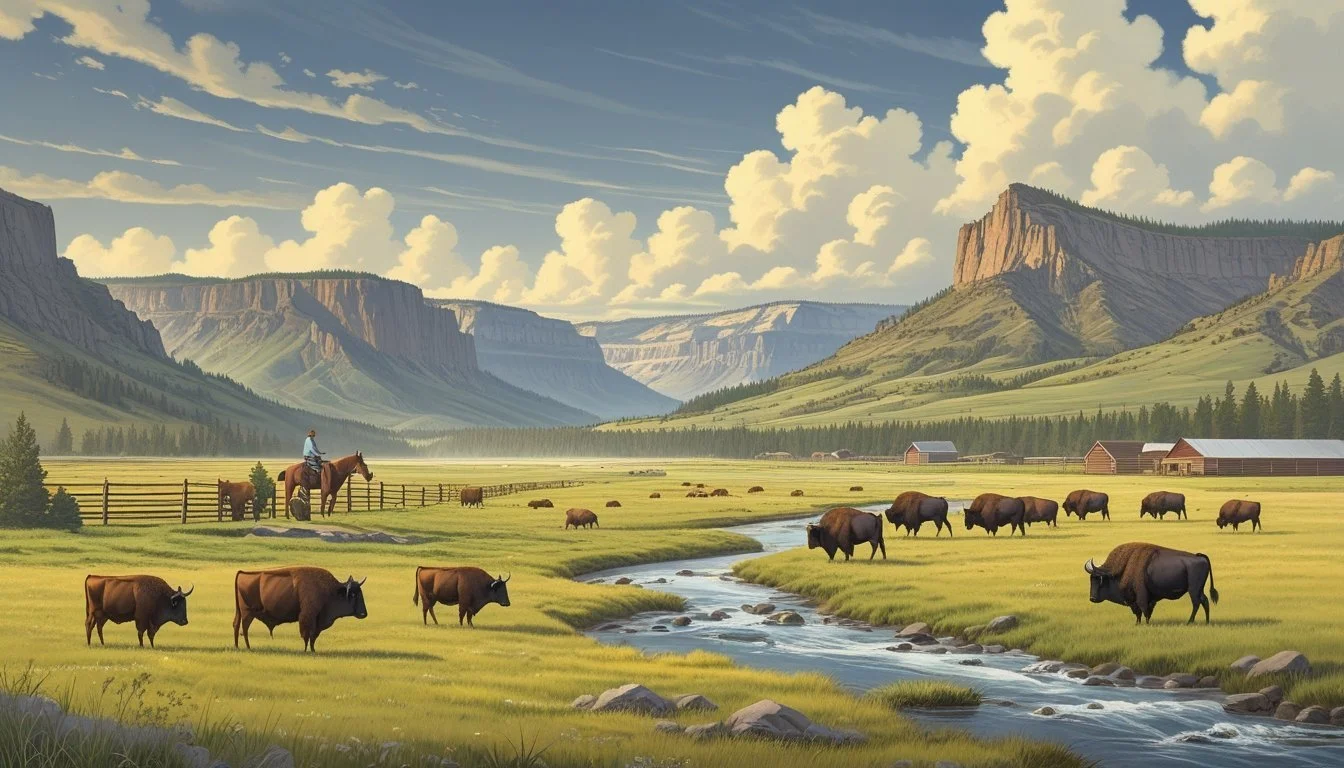
Cattle ranching at the Dutton Ranch shapes not only the family’s fortunes but the broader cultural and economic landscape. The realities of managing livestock, fluctuating markets, and Montana’s traditions expose challenges that push each character’s decisions.
The Dutton Ranch and Its Economic Challenges
The Dutton Ranch’s survival depends on a complex balance of cattle management, land stewardship, and business strategy. Rising expenses and narrow profit margins put consistent financial pressure on the operation.
Recent data shows that while cattle-ranch operating revenues can increase by over 5%, expenses often rise faster, eroding already slim margins. Profit margins for ranches generally hover between 5-6%, leaving little room for error or downturns.
Federal and state assistance programs are available, but many ranchers—like the Duttons—prefer self-reliance over accepting outside help. New technology and evolving business models affect even traditional ranches, requiring adaptation for ongoing profitability.
A brief table illustrates core challenges:
Challenge Impact Rising expenses Reduces profit margins Market fluctuations Revenue uncertainty Drought/weather Impacts cattle health Labor shortages Higher operational costs
Cattle, Beef, and Western Identity
Cattle aren’t just central to the ranch’s economy; they represent a way of life deeply rooted in Western identity. The beef produced at the Dutton Ranch links local heritage with national and global food markets.
Ranching in Montana is both an economic necessity and a cultural imperative for families like the Duttons. The demanding routine of raising cattle reinforces values of self-sufficiency, resilience, and land stewardship.
Social expectations in the region often tie personal worth to involvement in ranching and cattle production. As a result, maintaining herds is more than financial—it’s about upholding a legacy.
Characters across Yellowstone consistently frame cattle ranching as both a business and a moral responsibility, reflecting ongoing tensions between tradition and economic survival.
Spinoffs and the Expanding Yellowstone Universe
Taylor Sheridan’s Yellowstone has grown beyond a single series, now including several spinoffs and prequels that trace the Dutton family’s story through generations. The franchise explores different eras, each adding context to the Dutton legacy and expanding the show's moral landscape.
1883 and 1923: Origins of the Dutton Legacy
1883 serves as the earliest chronological entry, following James and Margaret Dutton as they travel westward in search of land and safety. The series details the family’s hardships, choices, and sacrifices that set the foundation for the future Dutton dynasty.
1923 continues the story with Jacob and Cara Dutton at the helm. It covers challenges like Prohibition, the Great Depression, and external threats to the ranch. Both series use a distinct historical setting to illustrate how moral ambiguity shapes the Duttons’ actions.
Key characters in these shows face dilemmas where survival overrides conventional notions of right and wrong. Their decisions ripple throughout the overarching narrative of Yellowstone, informing why later generations act as they do.
Horizon and Future Spinoffs
Horizon: An American Saga marks another project by Taylor Sheridan, positioning itself as a Western epic set during the expansion of the American frontier. While not a direct spinoff, Horizon may share thematic ground and explore similar questions of legacy, land, and morality.
Upcoming spinoffs like 6666 aim to shift focus to new settings, such as the historic Four Sixes Ranch in Texas. These future series are expected to introduce new characters while maintaining Sheridan’s exploration of power, loyalty, and ethical compromise.
Table: Yellowstone Universe Timeline
Series Era Covered Focus 1883 Post-Civil War, late 19th c. Dutton origins, migration 1923 Early 20th century Prohibition, survival Horizon 19th century expansion Frontier life (standalone) Yellowstone Modern day Ranch politics, legacy
Impact on the Audience and Pop Culture
Yellowstone stands out for its strong fan engagement and its influence on both the television landscape and broader cultural trends. The show has affected audience perceptions, spawned new series, and sparked visible shifts in media and tourism.
Season 5 and Ongoing Storylines
Season 5 brought heightened attention to the Dutton family’s complex moral choices, amplifying debate among viewers about the legitimacy of their actions. Kevin Costner’s portrayal of John Dutton continues to be a focal point, prompting analysis of leadership and family legacy.
The season deepened the moral ambiguity, with many characters making consequential decisions that divide the audience. These ongoing storylines fuel active discussion online, as fans dissect motivations and outcomes.
Viewer engagement remains high, as evidenced by audience ratings and participation in social media conversations. The community's response shapes future plotlines and keeps anticipation strong for each new development.
Yellowstone’s Influence in Modern Media
Yellowstone’s impact extends well beyond its immediate audience. The show’s success has led to the creation of related series like "1883" and "6666," building a connected universe that attracts both critical and popular attention.
References to Yellowstone commonly appear in other media and everyday language. Catchphrases, scenes, and characters have entered the pop culture lexicon.
Tourism in Montana and the surrounding areas has increased, as the show’s depiction of landscapes draws fans to visit. The series has also affected the local economy and contributed to discussions about rural America and contemporary power struggles.
Concluding Thoughts on Morality in Yellowstone
Yellowstone’s world resists clear notions of right and wrong. Characters operate in a moral gray area, where loyalty and self-interest often blur the boundaries of ethical conduct.
Choices that protect family or land sometimes require crossing ethical lines.
Justice in this universe rarely aligns with traditional standards.
The pursuit of power often outweighs abstract principles.
Beth Dutton exemplifies this ambiguity. Her actions, often harsh, are guided by her own logic and sense of justice rather than universal rules. In Yellowstone, values shift depending on perspective and circumstance.
Conflicts over land, conservation, and tradition further complicate the moral calculus. Stakeholders—ranchers, conservationists, business leaders—each hold competing visions for what is right. Their priorities shape the ongoing battles in the narrative.
Morality in Yellowstone is not fixed. Instead, it is shaped by survival, loyalty, and practical necessity. Viewers see that the “right” choice is often a matter of situation and allegiance, rather than absolute good or bad.
Character Typical Moral Dilemma Guiding Value John Dutton Protecting his legacy Family loyalty Beth Dutton Defending the ranch Personal justice Rip Wheeler Enforcing family rules Devotion Jamie Dutton Balancing legality and kin Acceptance
The moral universe in Yellowstone insists that virtue and vice are rarely simple things. Every decision carries weight, but victory is often temporary or incomplete.