
The Business Side of the Ranch in Yellowstone
How Operations Drive Success
The Dutton family’s Yellowstone Ranch operates as a complex business, balancing tradition, large-scale cattle operations, land management, and ongoing threats from outside developers. Viewers of the series see more than just open fields and iconic scenery; they witness real conflicts over land rights, legal strategies, and efforts to maintain economic sustainability.
Managing the ranch involves tough financial decisions, negotiations with corporations, and adapting to changing markets, all while preserving the family’s legacy. The series highlights how legal battles, sales, and partnerships shape the future of the property.
Understanding the financial and operational challenges behind the ranch offers insight into why its fate is always at risk—and how these pressures create the drama that drives the story forward.
Overview of Ranch Operations in Yellowstone
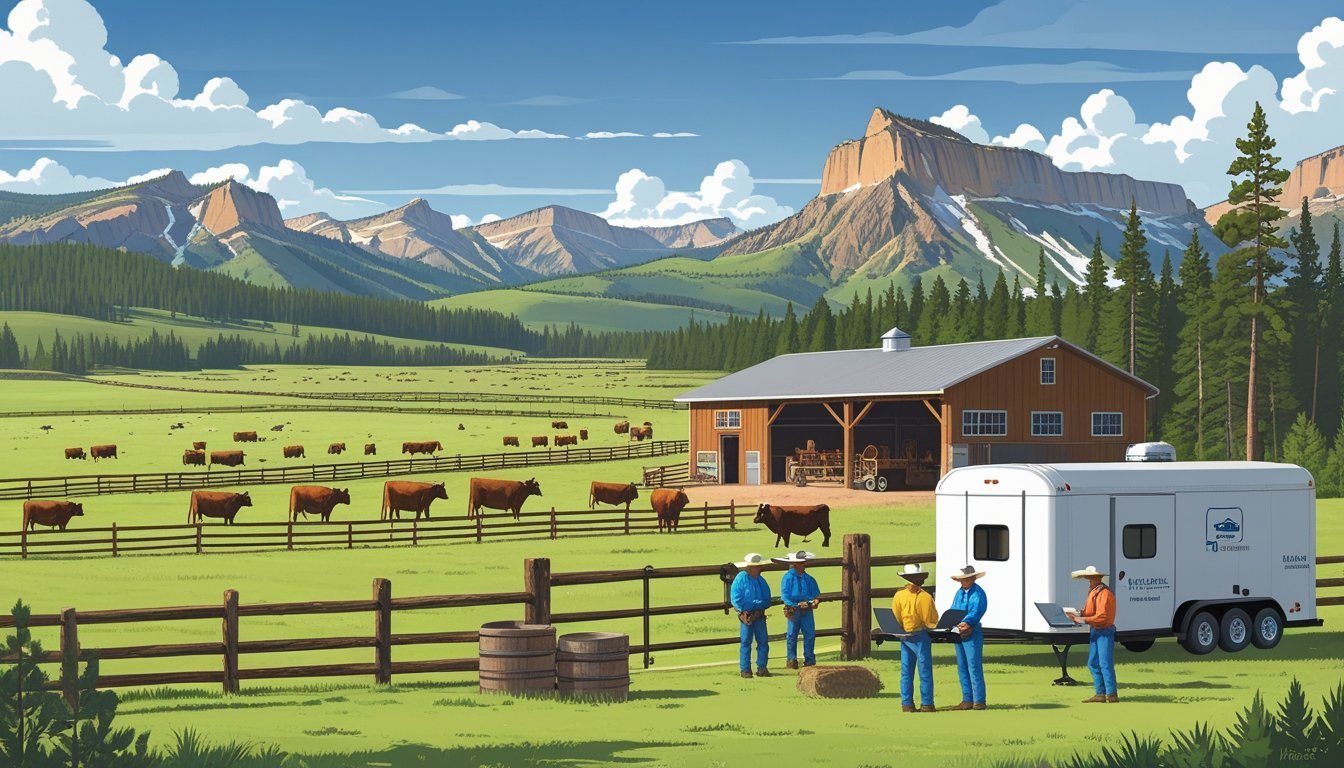
Yellowstone Dutton Ranch, the central focus of the series, is depicted as a vast cattle operation rooted in generations of hard work and deep ties to the land. The realities of day-to-day ranch management, the rich history of homesteaded property, and the modern challenges of keeping the land intact shape every decision made by the Dutton family.
The Real Ranching Life vs. Hollywood Depiction
While “Yellowstone” showcases high drama and tension, real ranching is defined by routine, seasonality, and labor-intensive tasks. The Dutton Ranch, shown as the largest ranch in the United States, conducts typical cow-calf operations, where cows are bred and calves are raised for sale.
Unlike television, actual ranchers must manage fluctuating cattle prices, unpredictable weather, and strict regulations. Many of the show’s action sequences are for storytelling and would not occur routinely on working ranches.
The ranch’s daily workflow relies heavily on ranch hands, who handle livestock care, fence maintenance, and land management. This mirrors real-world operations, though the series often accelerates or dramatizes these events for narrative impact.
Historic Roots: Homesteaded Land and the Foundation of Dutton Ranch
The Dutton Ranch's origins are linked to land settled through historical homesteading laws, reflecting patterns found across Montana. The show positions the ranch on the site of the real Chief Joseph Ranch—an area with its own authentic history and ties to the late 19th and early 20th centuries.
Homesteading created an enduring relationship between families and the land. In Yellowstone, this heritage explains the Dutton family’s intense drive to keep the property whole and in the family name.
The homesteaded land comes with legal, environmental, and social responsibilities. Preserving thousands of acres brings conflicts with developers, government agencies, and neighboring communities. These pressures force the family to defend and justify their land use amid changing social expectations.
The Dutton Family Legacy and Its Modern Challenges
Leading the ranch, John Dutton (played by Kevin Costner) embodies the push to protect family property against rising modern threats. Key concerns include escalating property taxes, labor shortages, increased costs for feed and fuel, and stiff competition from developers and tourism interests.
The Yellowstone Dutton Ranch struggles to maintain profitability while adhering to traditional values.
Decisions often balance economic survival with the family's identity and community reputation.
Taylor Sheridan, the show’s creator, uses these economic pressures to highlight the challenges faced by today’s large landowners in the American West. This includes inheritance issues, indigenous rights, and external buyout offers—all of which test the Dutton family's commitment to their legacy.
Financial Management and Revenue Streams
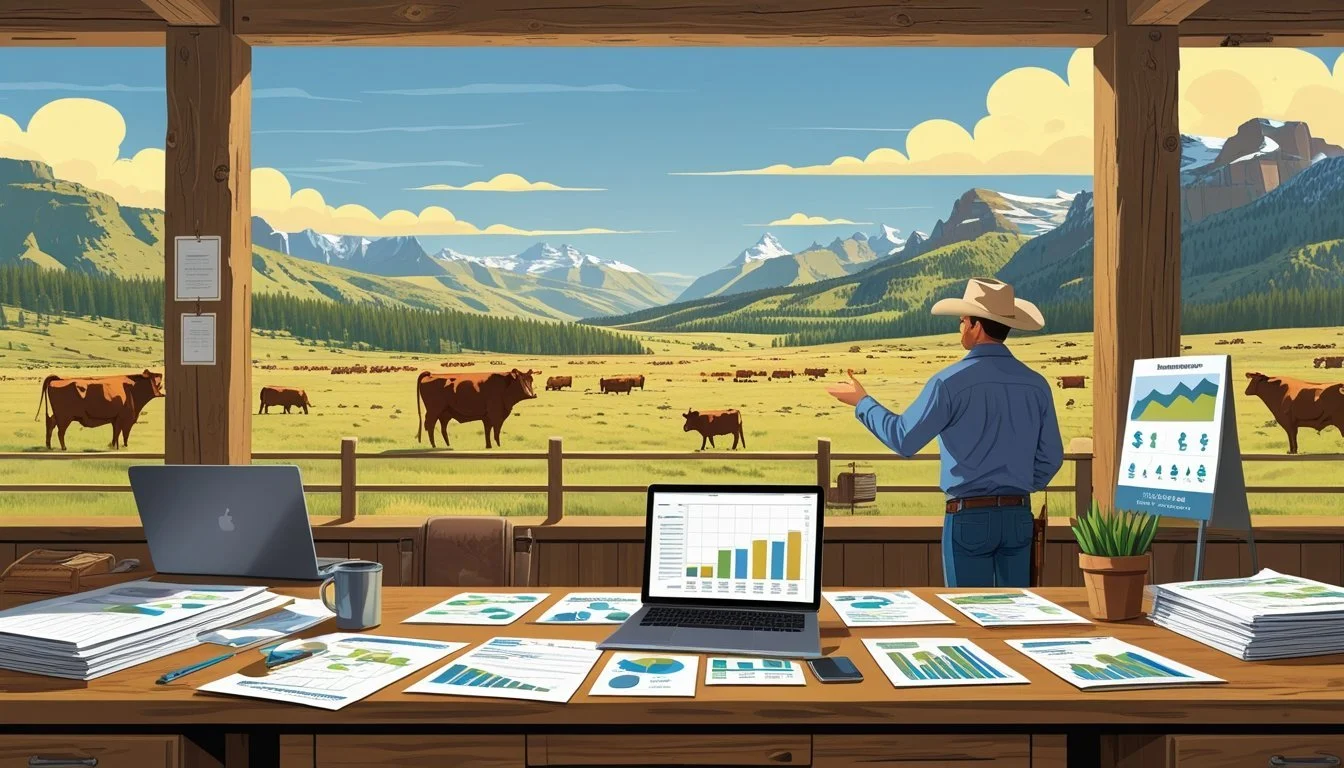
Yellowstone Ranch sustains operations through a mix of traditional ranching, animal breeding, and expanding ventures like filming and tourism. Careful financial management is required to ensure profitability in an industry subject to rapid shifts in market value and costs.
Cattle Ranching: Profits, Losses, and Market Forces
Cattle are the economic foundation of the Yellowstone Ranch. Their main revenue comes from selling beef and livestock at market rates, which fluctuate based on global supply, demand, and feed costs.
Operational costs include grazing land maintenance, feed, veterinary care, and wages for hands and managers. Extreme weather or disease outbreaks can cause significant losses. Effective herd management is critical to minimize risk and stabilize output.
Commodity markets determine cattle prices, so timing sales can make a measurable difference in annual profits. Modern ranches may also use contracts or futures to manage price risk. This segment remains labor-intensive and requires regular investment to maintain quality.
Horse Breeding, Sales, and Related Ventures
In addition to cattle, Yellowstone Ranch invests in horse breeding, training, and sales. Horses are used on the ranch but are also a valuable product for competitions and recreation.
Quality breeding programs can command premium prices, especially for bloodlines suited for ranching or rodeo events. Expenses include stud fees, veterinary care, and specialized staff for training and handling.
The ranch may collaborate with buyers, trainers, and breeders, expanding its reach beyond its own operations. Horse sales do not match cattle in volume but add a significant income stream, especially during peak market periods.
Diversification: Tourism, Filming, and Licensing
Yellowstone Ranch has adapted by opening up to non-agricultural sources of income. Tourism services, such as ranch experience tours, attract visitors and offer a direct interaction with ranch life.
The ranch also serves as a filming location for the Paramount series "Yellowstone" and related spinoffs. Leasing the property for filming adds a substantial, steady revenue stream from Paramount and third parties. This partnership raises the ranch's profile and draws additional interest.
Licensing deals, particularly out of branded merchandise tied to the show's success, create further financial gains. These ventures expand the economic base, decrease reliance on volatile agricultural markets, and stabilize cash flow year-round.
Ownership, Management, and Family Dynamics
The Yellowstone Dutton Ranch operates as a multigenerational family business, blending tradition with formal management. Each member of the Dutton family holds a distinct role, creating unique challenges and opportunities tied directly to ownership and succession.
Family Roles in Ranch Leadership
Ownership of the Yellowstone Dutton Ranch is held by John Dutton, portrayed by Kevin Costner, who acts as both patriarch and principal decision-maker. He sets the direction of the ranch while maintaining strict oversight.
Family members such as Kayce, Beth, and Jamie Dutton each occupy leadership positions, but their approaches and priorities often diverge. For example:
Kayce manages day-to-day operations and connects with ranch workers.
Beth oversees financial matters and business alliances.
Jamie handles legal affairs, especially issues of land rights and property law.
Conflicts sometimes arise over boundaries and authority, highlighting the complexity of mixing family relationships with business management.
Succession Planning and the Future of the Dutton Empire
Succession is a frequent source of tension within the Dutton family. As the current owner, John Dutton must navigate the challenge of ensuring the ranch's future through the next generation.
He considers the suitability and commitment of his children to protect the estate from outside threats and internal division. The process involves legal structuring, management training, and preparing family members for leadership.
Specific succession decisions can be clouded by personal conflict and competing interests. Outside forces, such as land developers, further complicate these decisions, forcing the Duttons to prioritize legacy and business sustainability at every turn.
Land Use, Conservation, and Legal Complexities
Yellowstone's ranch operations face a unique set of land management and legal issues. The ongoing balance between environmental conservation and private property rights shapes every aspect of the ranch’s business decisions.
Land Rights and Environmental Stewardship
Land ownership around the Yellowstone ranch comes with responsibilities for conserving wildlife habitats, such as those crucial for elk migration. The ranch utilizes conservation easements to protect open spaces and limit development, a strategy designed to maintain both agricultural use and wildlife corridors.
Drought conditions regularly threaten water availability for grazing cattle and fishing, especially along rivers like the Bitterroot. These issues prompt measures that include rotational grazing, water management strategies, and cooperation with land trusts.
Animal rights concerns have increased scrutiny over ranching practices. The ranch must navigate local and federal regulations affecting everything from predator management to fencing that doesn’t impede wildlife. Maintaining this stewardship is not just about compliance; it is also essential for long-term economic sustainability.
Legal Battles and Property Disputes
The Dutton ranch, like others in the Yellowstone region, faces frequent legal disputes involving land boundaries, grazing permits, and access rights. Challenges often arise over unclear easements or conflicts with neighboring properties leading to courtroom battles and negotiated settlements.
Development pressures spark further complications. Entities interested in exploiting natural resources or expanding real estate frequently contest the ranch’s claims. Notable historical figures, such as Chief Joseph, highlight the historical tensions in land ownership and indigenous rights that still influence current legal frameworks.
Fishing rights and environmental protections intersect with property laws, resulting in additional complexity as the ranch balances economic pursuits with regulatory compliance. Such disputes can be protracted, affecting daily operations and shaping the future of large ranches in the region.
The Influence of Yellowstone on Real-Life Ranching
Yellowstone’s popularity has sparked significant discussion about its effect on tourism and public perceptions of ranching life. While some see the series as a window into authentic Western culture, others note its influence on how ranch operations and the Western landscape are viewed and visited.
Boosting Ranch Tourism in the American West
Since Yellowstone began airing on Paramount and Paramount Plus, ranch tourism in Montana and neighboring states has surged. Fans frequently visit filming locations, such as the Chief Joseph Ranch, which stands in as the Dutton family home. Many ranches now offer guided tours and overnight stays.
Bookings at guest and working ranches have increased, with some properties even creating "Yellowstone-inspired" experiences. Local economies benefit from increased restaurant, lodging, and retail business. Some ranch owners have reported waiting lists for visitors eager to see iconic spots and reenact scenes.
This boost is not limited to famous filming sites. The portrayal of the ranch lifestyle also draws curiosity to lesser-known operations across the region. However, some ranchers express concerns about crowding and the commercialization of daily work.
Hollywood’s Role in Shaping Ranch Perceptions
Hollywood, led by Paramount’s production of Yellowstone, shapes how the public views ranching. The series showcases a blend of real and fictional conflicts—land disputes, family drama, and the pressures of running a multi-generation ranch. These elements, though dramatized, root the story in the realities faced by many working ranches.
Locations like the Chief Joseph Ranch and Bosque Ranch are presented as both homes and business operations, giving viewers a sense of the scale and complexity of managing cattle, land, and people. While some ranching elements are accurate, other portrayals are crafted for entertainment.
This influence sometimes leads to unrealistic expectations about ranch life, with audiences expecting "Hollywood moments" instead of hard, routine labor. Ranchers note the need to separate dramatization from daily challenges, such as weather, markets, and labor issues, which receive less screen time.
Spinoffs, Crossovers, and Broader Expansions
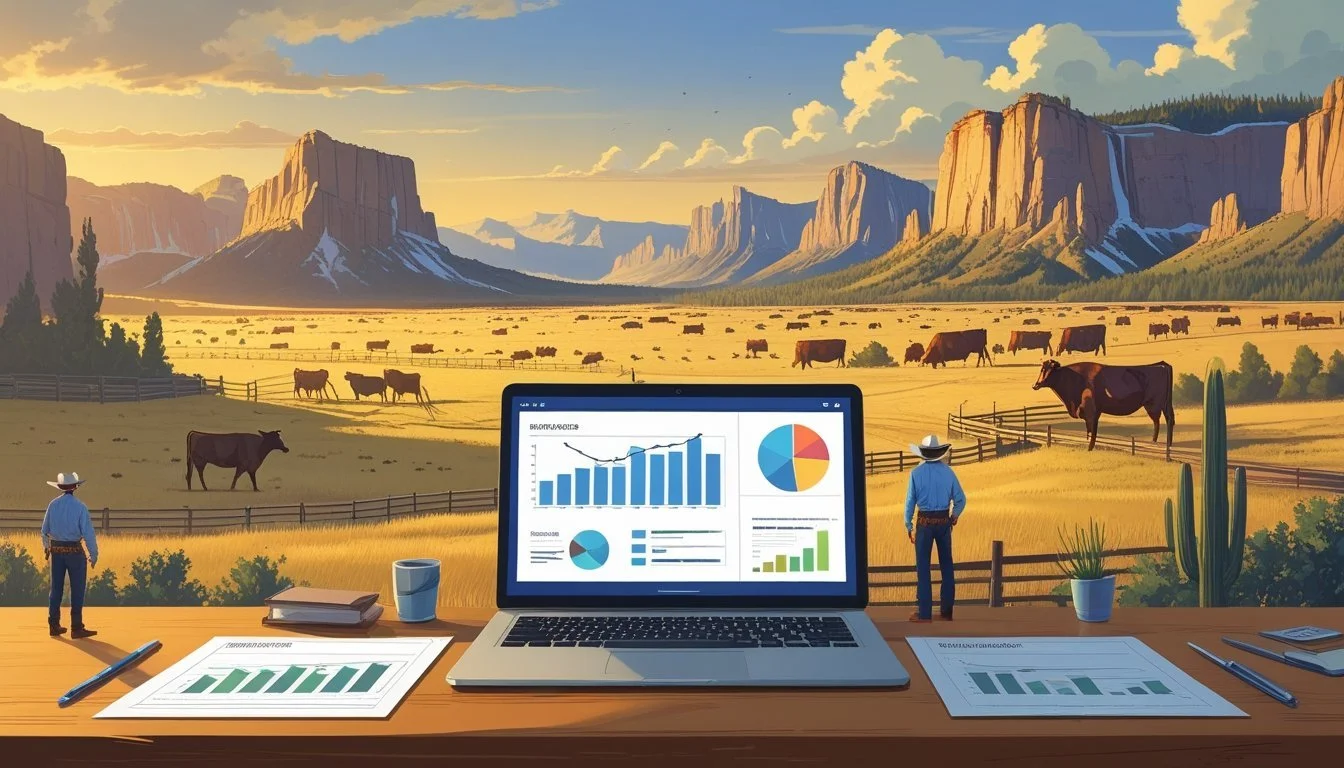
The Yellowstone franchise has developed an interconnected universe, spinning out of its original Montana setting into new stories and settings. These projects extend the brand’s commercial reach and create new business opportunities within the Paramount network.
1883, 1923, and the Expansion of the Yellowstone Universe
The prequels 1883 and 1923 trace the Dutton family’s journey from post-Civil War United States to the founding and preservation of their Montana ranch. 1883 follows the Dutton ancestors across dangerous, changing frontiers, revealing how their struggles shaped both family legacy and land ownership patterns.
1923 picks up decades later, focusing on a new generation facing the Great Depression, Prohibition, and western expansion. With stars like Harrison Ford and Helen Mirren, these series gave Paramount a powerful way to sustain subscriber engagement and license global streaming rights.
These prequels build out the franchise not just by deepening characters but also by attracting a wider audience interested in American history and the evolution of ranching business practices over time.
Rise of Four Sixes Ranch and Texas Ranches
The upcoming 6666 series centers on the historic Four Sixes Ranch in Texas. This expansion moves the Yellowstone brand out of Montana into regions such as Jacksboro, Fort Worth, Cranfills Gap, and Weatherford, reflecting the importance of Texas ranches in the cattle industry.
By shifting focus to the operations and challenges of a real legacy ranch, the franchise taps into the unique culture and business models found in the Texas ranching world. The development of 6666 also allows exploration of modern issues like land deals, water rights, and labor, topics relevant to both ranchers and urban viewers.
Leveraging Texas’s deep ranching roots, the spinoff can showcase local deals and introduce new power dynamics that differ from those in Montana, further broadening commercial appeal.
Integration with the Broader Paramount Storytelling Ecosystem
Yellowstone’s success led Paramount to use its universe as a foundational pillar for related original shows, resulting in cross-promotions and potential character crossovers. Titles like Mayor of Kingstown, Special Ops: Lioness, Tulsa King, Lawmen: Bass Reeves, and the planned Landman illustrate this multifaceted approach.
While not direct spin-offs, these series share creative teams, themes of power, and interconnected marketing strategies, making them valuable assets for Paramount+. Lists of cross-promotional efforts include:
Joint premiere events
Shared trailers and behind-the-scenes features
Rotating cast appearances on press tours
This synergy expands viewership and maximizes content monetization by linking brands and stories across different genres and settings. Paramount’s ecosystem also supports merchandise, streaming bundles, and licensing, deepening the business value of the Yellowstone universe.
Real-Life Inspirations and Locations
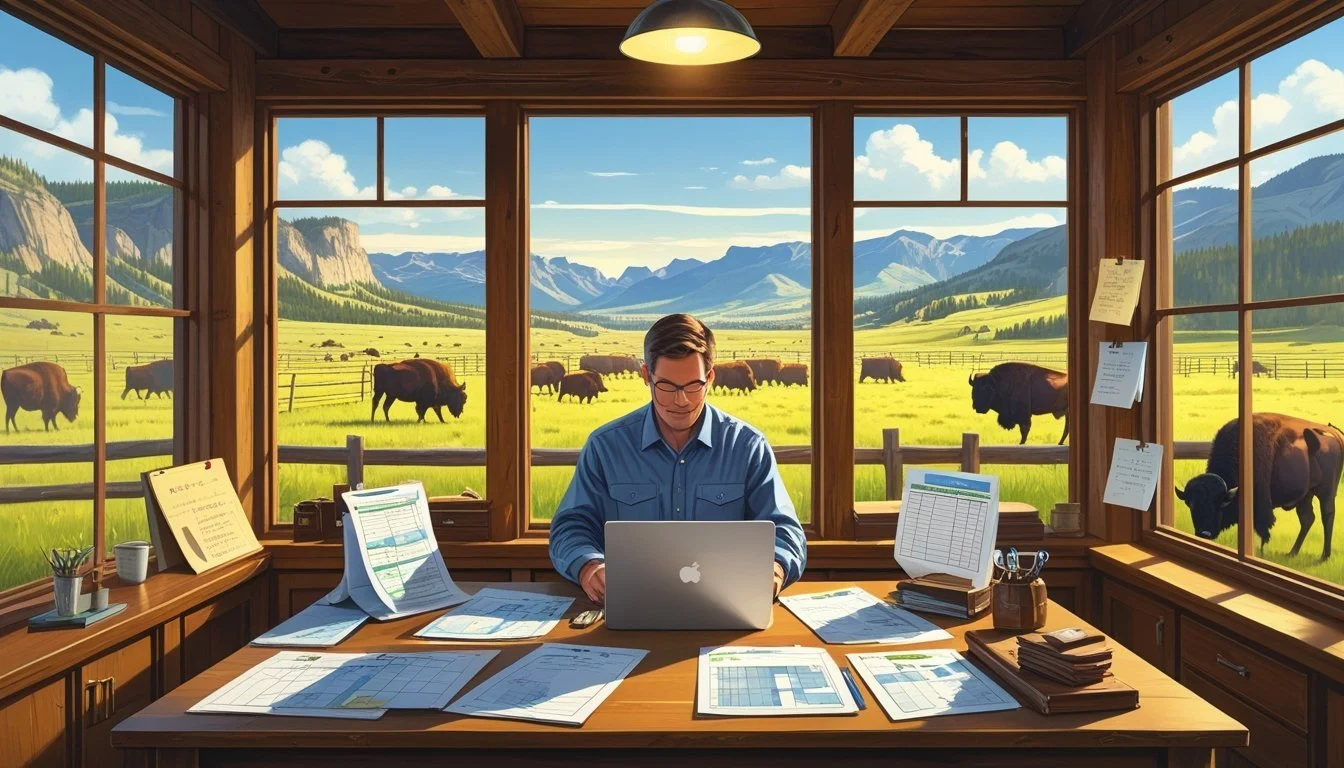
The visual and thematic authenticity of Yellowstone draws from carefully selected real-world properties with significant histories and dramatic scenery. The TV series blends true-to-life ranch operations with sweeping Western landscapes to anchor its fictional narrative.
Chief Joseph Ranch and Its Role as Yellowstone Dutton Ranch
Chief Joseph Ranch, located in Darby, Montana, serves as the primary filming site for the Yellowstone Dutton Ranch. This working cattle ranch sits along the Bitterroot River and has roots tracing back to 1880, when it was first homesteaded. Previously known as the Shelton Ranch, it was purchased and developed by William S. Ford in the early 1900s before becoming Chief Joseph Ranch.
The property features the recognizable log mansion, barns, and distinct entrance shown throughout the series. Its cabins—which are sometimes available for rent—have been named after show characters like Lee Dutton and Rip Wheeler. The real ranch continues normal operations throughout filming, adding a layer of realism rarely found in other productions.
Filming in Montana, Texas, and Beyond
While Chief Joseph Ranch is central, Yellowstone's production also utilizes a variety of filming locations to reflect the vastness of the Dutton empire. Additional Montana locations include stretches of open country near Bozeman and scenic drives through Paradise Valley. The surrounding areas provide the rugged terrain seen in several pivotal episodes.
Beyond Montana, Season 4 featured filming at notable Texas ranches—including the historic 6666 Ranch and Bosque Ranch near Weatherford. These locations accommodate storylines centered on Western ranching culture and add depth to the narrative setting. The blend of Montana’s mountainous backdrops with Texas’s expansive plains brings both realism and variety to the series.
Industry Partnerships and Branding Strategies
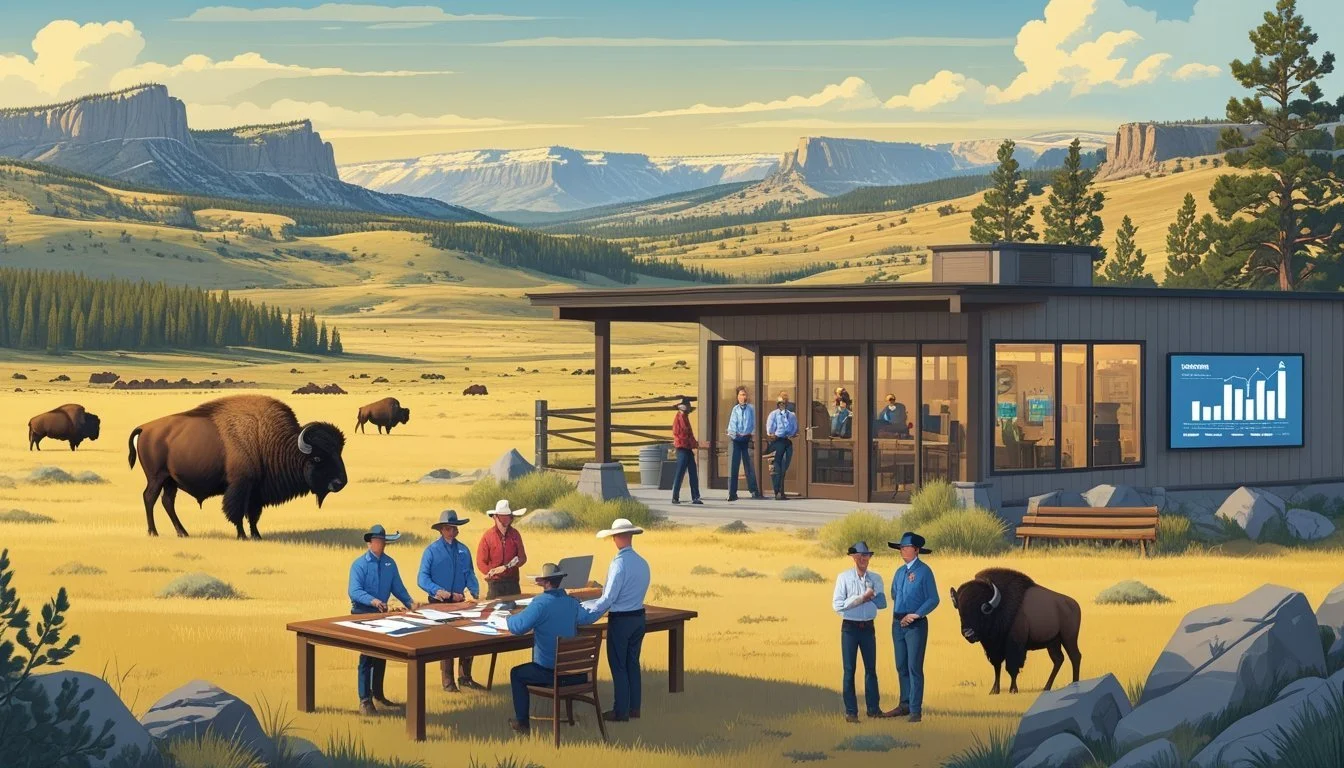
Strategic partnerships and branding efforts play a significant role in the business operations and public image of the Yellowstone ranch. These approaches not only strengthen economic ties with key industries but also shape the perception of ranching in modern media.
Collaborations with Cattle and Horse Industries
The Dutton ranch strengthens its business by leveraging industry relationships for cattle sales, breeding, and horse training. Partnerships with cattle buyers and associations allow access to broader markets and better pricing. These arrangements often involve annual contracts, herd management collaboration, and special events or auctions.
Horse breeding and training are led by figures like Travis Wheatley, who bring expertise and connections. Through selective partnerships, the ranch gains prestige within the performance horse world. Joint ventures with breeders and trainers—sometimes involving outside investors from cities like Los Angeles—create new income streams and help improve genetic stock.
Visibility at major livestock events increases the ranch’s reputation. Working with recognized names further ensures the Dutton brand remains well-respected within both cattle and equine circles. These industry ties offer a practical blend of tradition and innovation.
Celebrity and Media-Driven Branding
The Yellowstone ranch benefits from strong media exposure, prominently featuring actors such as Kevin Costner and Nichole Muirbrook. Their association gives prestige and draws public attention to the ranch’s unique identity. This media presence translates into partnerships with lifestyle and apparel brands, driving merchandise sales and brand recognition.
Brand collaborations often use subtle content integration rather than overt ads. Apparel inspired by ranch hands or the “Dutton style” gains market traction through limited releases and co-promotions. Social media campaigns and branded content build loyalty among fans, especially in urban markets like Los Angeles where western aesthetics have become fashionable.
Appearances on national talk shows and media features extend the ranch’s influence beyond agricultural circles. Celebrity partnerships also open doors for new ventures and broader audience engagement, cementing Yellowstone’s place in both entertainment and ranching industries.
Cultural Impact and Legacy
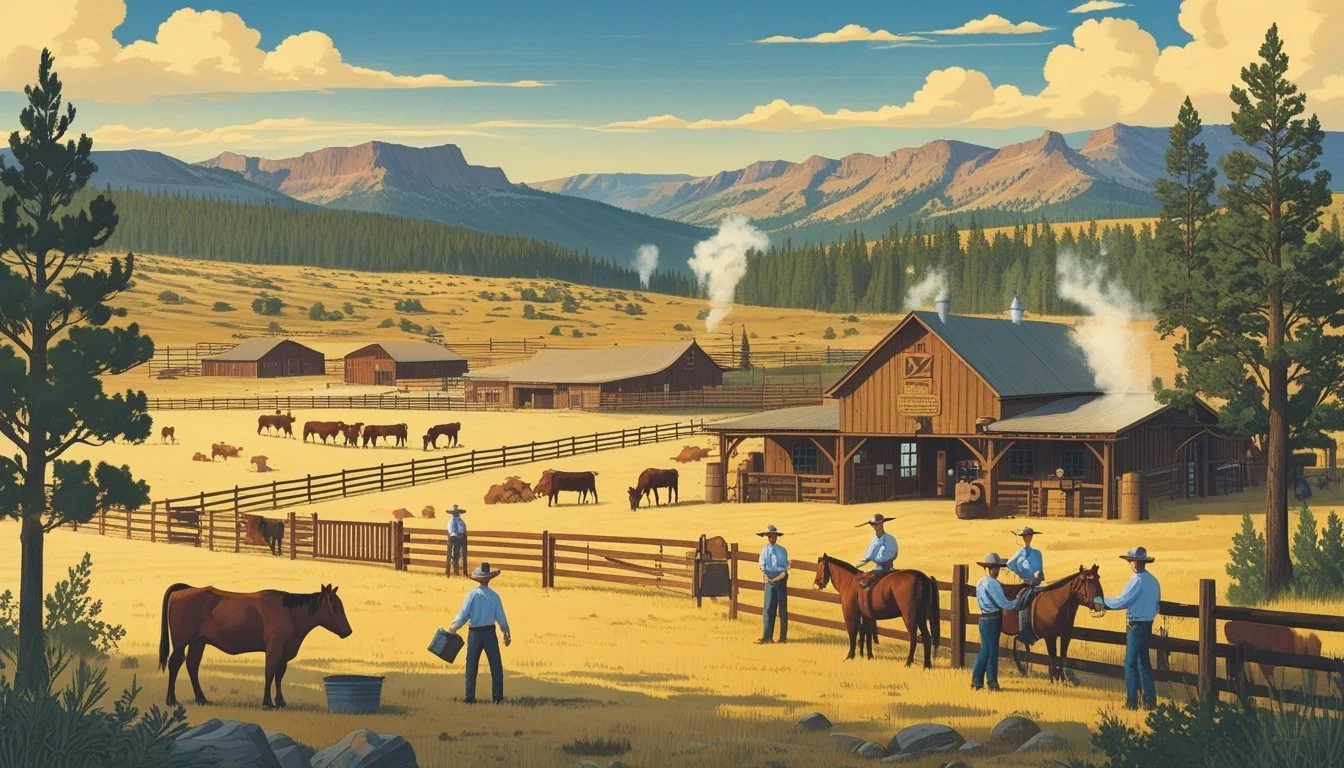
Yellowstone’s depiction of ranch life extends beyond entertainment value, influencing discussions about land, tradition, and the representation of Western culture in modern media. Its themes, settings, and characters leave a marked influence on viewers and industry trends.
The Enduring Appeal of Western Ranching
The fictional Dutton Ranch is anchored in real-life history and myth, embodying the legacy of Western ranching and its challenges. Generational ownership and family dynamics are central, often reflecting authentic struggles over land stewardship and the tension between conservation and economic survival.
This setting taps into the enduring fascination with the American frontier—the cowboy, cattle drives, and the vast, untamed landscape. Conflicts on the show mirror actual disputes over land rights, especially those involving indigenous groups like the Broken Rock Reservation, introducing contemporary discussions about historical displacement.
A table shows a few recurring themes:
Theme Real-World Counterpart Land Ownership Century-old ranches, legal battles Conservation Sustainable cattle operations Indigenous Rights Land reclamation movements
By linking these issues to family drama, Yellowstone maintains a strong connection to rural values and the persistence required to protect heritage.
Influence on Television and Popular Culture
Yellowstone has revitalized Western genres in Hollywood, influencing both network programming and streaming services. Its success prompted multiple spin-offs, such as 1883 and 1923, drawing more attention to rural American stories.
Creators like Taylor Sheridan, known for films such as Sicario, Hell or High Water, and Wind River, use a similar style—gritty realism, moral ambiguity, and layered conflict—that resonates with audiences seeking authenticity in storytelling. These projects contribute to a growing appetite for nuanced, regionally rooted narratives.
The show's popularity has also increased public interest in ranch tourism, Western apparel, and discussions around land use policies. This broader cultural ripple positions Yellowstone as both a television milestone and a catalyst for renewed cultural dialogue about the American West.
Cowboy Camp, Training, and Modern Ranch Life
Authenticity on Yellowstone extends beyond dialog and scenery—it’s rooted in hands-on training and real-world ranch operations. The cast undergoes intensive preparation, while the daily work on set mirrors many realities of large ranch businesses.
Cowboy Camp: Skills and Community Building
Yellowstone’s actors attend “Cowboy Camp”, a mandatory training program led by series creator Taylor Sheridan. During these sessions, participants learn essential ranch skills such as horse riding, roping calves, handling livestock, and performing daily chores. Safety and animal welfare are also emphasized.
Saddling and riding horses
Roping and herding cattle
Cleaning stalls and basic animal care
Communication methods used by ranch hands
This immersive experience helps actors build not just technical abilities but also a sense of teamwork and camaraderie. Sheridan’s cowboy camp takes place at his ranch, fostering an environment that closely resembles the show’s on-screen dynamics. By the end of training, most actors have developed a genuine respect for life on a working ranch.
Day-to-Day Realities on a Major Ranch
Operating a large ranch like the Duttons’ in Yellowstone involves more than riding horses and wrangling cattle. Daily routines include feeding herds, maintaining fences, and scheduling veterinary care for animals. The ranch’s business side also means managing staff, negotiating cattle sales, and balancing overhead costs.
Many ranches, including those inspiring the show, rely on a mix of traditional skills and modern technology. GPS tracking for livestock, mechanized feeding, and digital record-keeping are common. Horses remain vital for certain tasks, particularly in rough terrain, but efficiency is paramount.
A typical workday stretches from before dawn to late evening. Seasonal demands, such as branding or calving, can require extra manpower and expertise. The portrayal on Yellowstone reflects this complex mix of tradition, hard work, and adaptation.
