
How Yellowstone Uses Native American Stories with Emotional Weight to Deepen Its Narrative
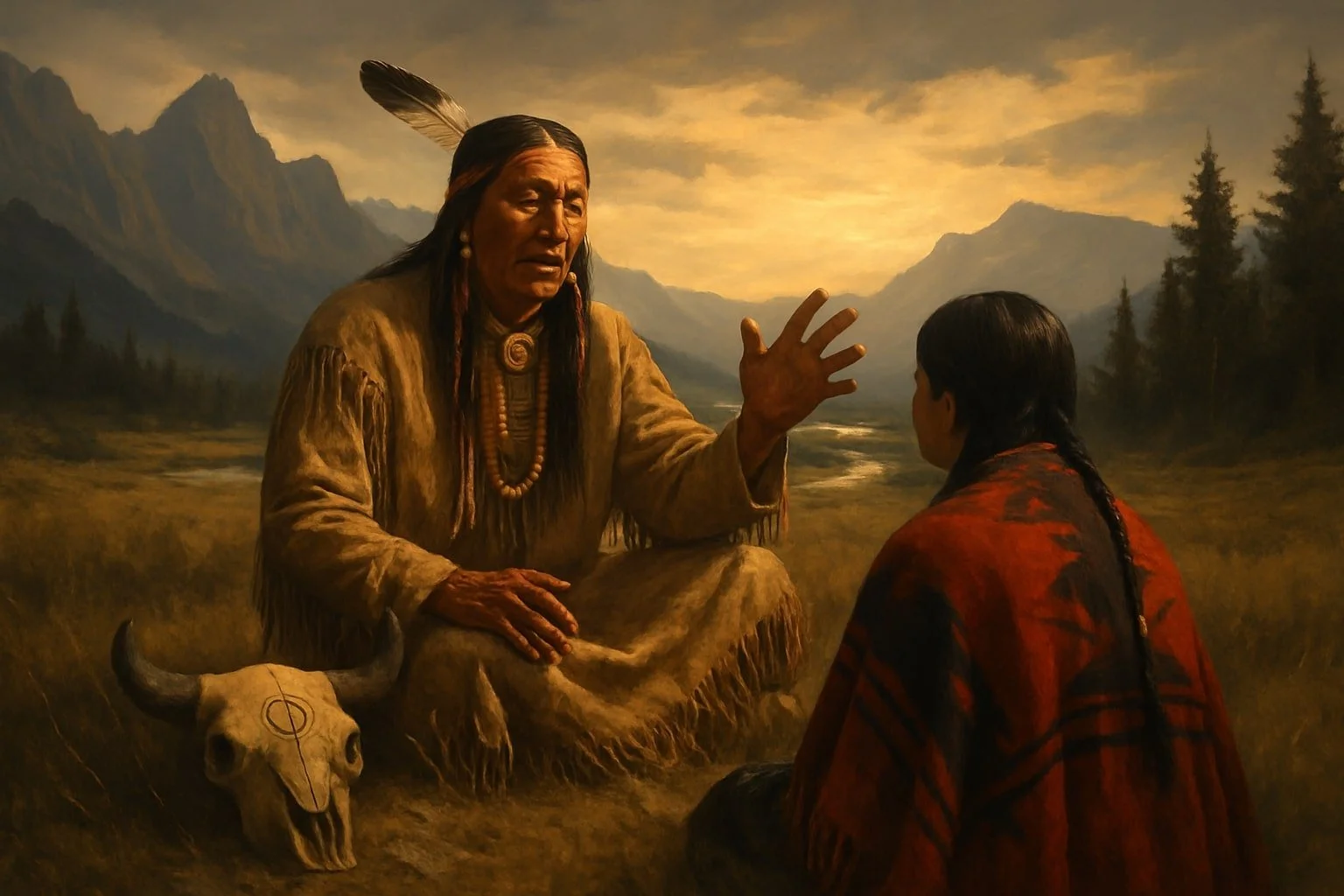
Yellowstone brings Native American stories to the center of the television series, using emotional depth to highlight authentic experiences and cultural challenges. Creator Taylor Sheridan weaves these narratives into the larger plot, ensuring Indigenous characters are more than background figures and giving them substantial roles with genuine emotional resonance.
The show explores traditions, language, and the spiritual aspects of Native life alongside the complexities of modern conflicts. Viewers see characters confront real struggles tied to identity, heritage, and survival, making these storylines both relevant and compelling.
By moving past stereotypes and providing nuanced portrayals, Yellowstone has drawn new attention to Indigenous perspectives in mainstream media. The series sets itself apart by acknowledging real histories and inviting audiences to consider the lasting impact of these stories.
Origins of Native American Storytelling in Yellowstone
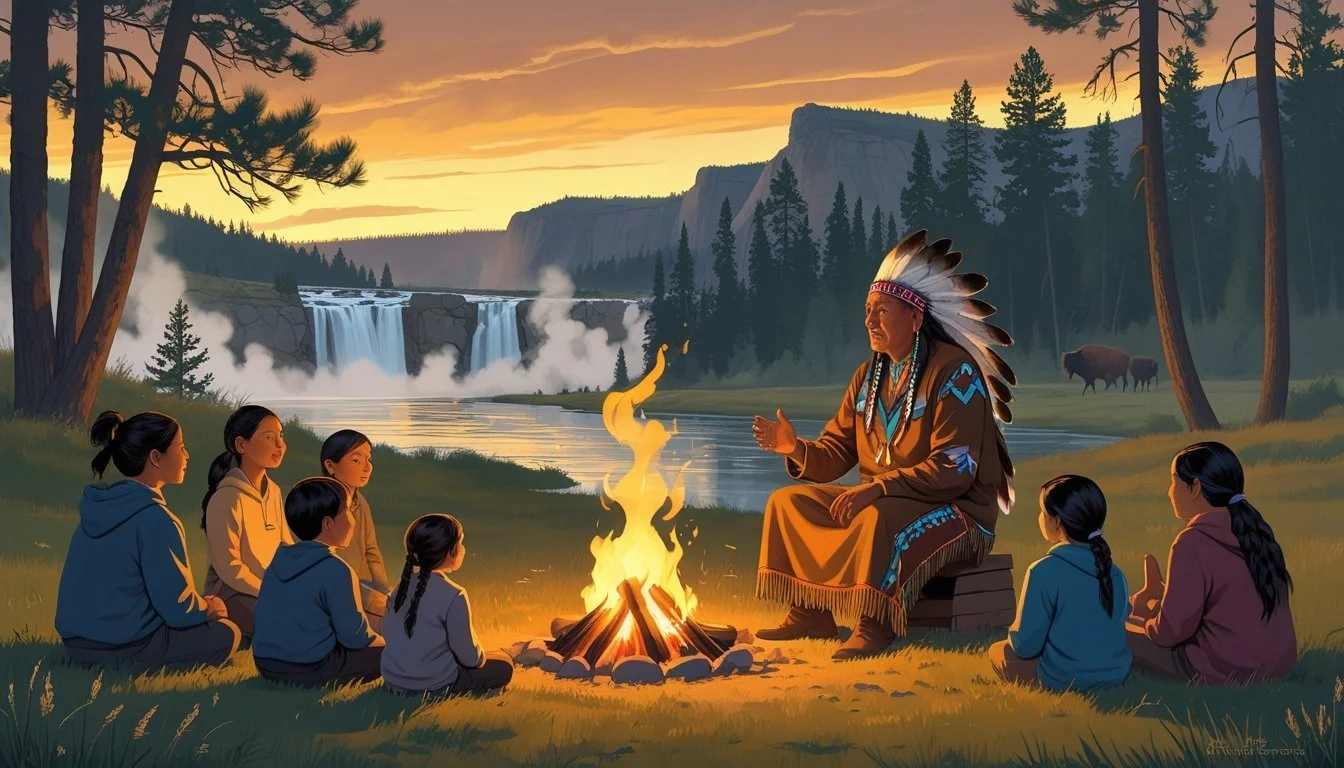
Native American storytelling in Yellowstone draws from a long tradition connected to specific lands, events, and cultural practices. The origins of these stories are shaped by real histories, significant events, and the deep relationship between various tribes and the land now called Yellowstone National Park.
Historical Context
Before Yellowstone became a national park in 1872, it was home to indigenous peoples for thousands of years. Tribes such as the Nez Perce, Shoshone, Crow, and Bannock used the land for hunting, gathering, and spiritual ceremonies.
Archaeological evidence shows human activity in the region dating back over 11,000 years. Indigenous people developed stories and legends about the region’s geothermal features, animals, and challenges of living in the American West.
As Yellowstone's lands were claimed by the U.S. government, the histories and stories of these tribes were often overlooked or suppressed. Despite this, oral traditions have continued, preserving cultural perspectives that predate American settlement.
Inspiration from Real Events
Many Native stories in Yellowstone are rooted in significant historical events. For example, the 1877 Nez Perce flight saw hundreds of Nez Perce pass through Yellowstone while fleeing the U.S. Army. This journey is remembered not only in records but also in oral histories passed down within the tribe.
Bison hunting was another central activity shaping traditional stories. Tribes such as the Shoshone and Crow developed narratives around the movements and survival of bison herds. These stories often involve lessons of respect for nature and illustrate the complexity of indigenous land management.
Events like forced removals and treaty negotiations also influenced storytelling. Narratives reflect both resilience and loss, highlighting the changing relationship between indigenous people and the landscape of Yellowstone National Park.
Cultural Significance of Indigenous Narratives
Indigenous narratives serve as a living link between tribes and the Yellowstone region. They communicate teachings about respect, balance, and coexistence with the natural world. Such stories are not simply tales but carry ethical, historical, and spiritual lessons.
Storytelling is often connected to cultural practices like seasonal gatherings and the teaching of traditional games. These activities use narrative to reinforce identity and community values. Illuminated teepees and community events in Yellowstone today highlight the resilience and living heritage of these traditions.
The ongoing presence of tribes, such as the Crow and Bannock, contributes to the active sharing and adaptation of stories. In media and park interpretations, there is increasing reliance on tribal consultants and historians to ensure that indigenous perspectives are accurately and respectfully portrayed.
Major Native American Characters and Their Impact
Yellowstone introduces complex Native American figures who grapple with both modern and historical struggles. These characters, portrayed by a mix of Native and non-Native actors, interact directly with the Dutton family and drive critical storylines about land, identity, and justice.
Chief Thomas Rainwater
Chief Thomas Rainwater, played by Gil Birmingham, stands out as the leader of the local Native community and chairman of the Broken Rock Reservation. Rainwater is determined to reclaim ancestral land and power, often clashing with the Dutton family over property rights and cultural recognition.
Under his leadership, the reservation pursues economic development through casino revenues and land negotiations. Rainwater’s strategic thinking—balancing legal tactics with activism—adds layers to his character. He embodies both the hope and the frustrations of modern tribal leadership.
The show highlights his efforts to balance tradition with contemporary challenges, depicting internal conflicts within the reservation as well. Rainwater’s dialogue addresses themes of displacement, sovereignty, and belonging, amplifying the emotional weight of Yellowstone’s central conflicts.
Monica Dutton’s Perspective
Monica Dutton, played by Kelsey Asbille, is a Native American woman married to Kayce Dutton. Her storyline centers on her roles as wife, mother, teacher, and member of the Broken Rock community. Monica’s character often grapples with cultural identity and the generational trauma experienced by Native families.
Her journey is defined by struggles with violence, systemic inequalities, and the strain of living between two worlds. As Monica faces discrimination both on and off the reservation, her choices reflect the deep challenges Native women encounter.
Monica’s teaching role in the school and her advocacy for her students further reveal the show’s attention to issues like racial prejudice and family separation. Her perspective humanizes these broader social issues, adding specificity and emotion to the narrative.
Role of Kelsey Asbille and Gil Birmingham
Gil Birmingham, who plays Thomas Rainwater, is of Comanche descent, bringing authenticity to the role and drawing on real-world Indigenous experiences. His performance grounds the character in realism. In contrast, Kelsey Asbille’s casting as Monica Dutton has been controversial due to questions about her claimed Native ancestry, which has sparked debate about representation and authenticity in television.
The series also features accomplished Native actors such as Q’orianka Kilcher and Lily Gladstone in recurring roles. Their presence highlights the ongoing need for accurate portrayals and employment of Indigenous talent in mainstream media.
Together, Birmingham, Asbille, and other cast members shape how Yellowstone addresses Native American stories and the real-life concerns surrounding the industry’s casting choices. The conversations resulting from their roles extend beyond the screen, influencing public discourse about identity and representation.
Emotional Weight and Cultural Authenticity in Representation
Portrayals of Native American stories in Yellowstone draw attention to historical trauma, sovereignty disputes, and the lived realities of Indigenous women. The series integrates these topics into its narrative by dramatizing both the social challenges and cultural resilience faced by Native communities.
Depicting Ancestral Lands and Displacement
Yellowstone frequently addresses the loss and reclamation of ancestral lands. Through characters like Thomas Rainwater, the series explores the emotional toll of historical displacement and the ongoing efforts to restore tribal lands.
Scenes at the reservation and private meetings between tribal leaders reveal how land is tied to cultural identity and heritage. Characters express grief over the forced removal of ancestors and anger towards policies that continue to threaten tribal territories.
The show uses flashbacks and dialogues to connect present struggles to past injustices. This emotional context helps viewers understand that these lands are more than property—they are foundational to Native spirituality and intergenerational survival.
Sovereignty, Land Rights, and Treaties
Yellowstone spotlights disputes over tribal sovereignty and land rights, portraying negotiations and conflicts with local and state governments. The storyline often revolves around legal battles, broken treaties, and the assertion of tribal authority in the face of external pressures.
Characters frequently reference the complexity of treaties and their lasting impact on modern sovereignty. The series illustrates how treaty violations are not distant history but active sources of injustice, directly affecting resource allocation and self-determination for tribal nations.
Key moments include tribal councils discussing legal strategy and scenes where Native leaders explain sovereignty rights to outsiders. By framing these issues through personal stakes, the show delivers an emotionally grounded perspective on the weight of tribal legal struggles.
Indigenous Women’s Stories
Yellowstone addresses the specific challenges faced by Indigenous women, including references to the crisis of missing and murdered indigenous women (MMIW). Monica Dutton’s storyline, for example, highlights vulnerability, resilience, and the cultural burden carried by Native women.
The series includes scenes of family and community support, but also moments of trauma stemming from violence and systemic neglect. Visual cues such as ceremony and communal care emphasize the strength rooted in cultural traditions.
Monica’s character arc serves as an entry point to broader discussions about gender, cultural continuity, and justice. The emotional weight is grounded in her dual role as a mother and cultural educator, bridging generational divides while confronting ongoing threats to Indigenous women’s safety and identity.
Land Disputes and Broken Rock Reservation
Yellowstone uses the fictional Broken Rock Indian Reservation to explore the ongoing impact of land conflicts between Native tribes and non-Native ranchers in Montana. The show addresses both economic challenges and political maneuvering within tribal communities.
Land Ownership Conflicts
Land disputes are a main theme in the power struggle between the Dutton ranch and Broken Rock Reservation. The Dutton family, led by John Dutton, faces continuous challenges over the ownership and use of ranch lands that were once Native territory.
Often, Yellowstone depicts legal and personal battles over land boundaries, water rights, and broken treaties. Native leaders, such as Thomas Rainwater, argue for the return of ancestral lands taken from tribes.
Key issues include:
Unresolved treaty rights
Pressure from developers and ranchers
Attempts to reclaim historical land
These conflicts are shown as ongoing sources of tension and identity for both the ranchers and Native communities.
Casino Profits and Economic Development
The establishment of the Broken Rock casino stands out as a key economic shift for the reservation. Profits from gaming provide significant funding for social programs and infrastructure projects, addressing poverty and underemployment among tribal members.
Casino revenue, however, also introduces new dilemmas. Leaders must weigh the benefits of increased economic independence against the risks of over-reliance on gaming profits.
Notable portrayals:
Tribal debates about using profits for community services versus expanding business ventures
Tensions over whether economic gains can offset historical injustices
The influence of casino money in regional politics
Yellowstone highlights that economic development, while essential, is neither a simple solution nor a cure for all intergenerational challenges.
Tribal Politics and Alliances
Internal tribal politics play a pivotal role in decision-making within the Broken Rock leadership. Yellowstone shows shifting alliances, disputes over tribal direction, and the balance of tradition with modern governance.
The show features frequent negotiations between the tribal council and outsiders like John Dutton. These alliances are strategic, sometimes uniting the tribe with ranchers against common threats, while at other times deepening old rivalries.
List of political dynamics:
Council power struggles
Coalition-building with non-Native groups
Tensions between progressive and traditionalist voices
Through these stories, Yellowstone explores the complexities of sovereignty and unity in the face of both internal and external pressures.
Portrayal of Indigenous Cultures and Traditions
Yellowstone’s narrative addresses Native American stories by focusing on sacred connections to land, honoring traditional practices, and examining efforts to preserve culture and environmental stewardship. The portrayal emphasizes real-life challenges and responsibilities faced by Indigenous communities tied to Yellowstone.
Sacred Sites and Spiritual Practices
Yellowstone highlights several sacred sites that hold deep historical and spiritual meaning for Native American nations, such as the Shoshone, Crow, Blackfeet, and others. These locations—mountains, springs, and geysers—are presented as vital not only to spiritual rituals but also as symbols of ongoing cultural identity.
The series generally shows Native characters recognizing these places with reverence. Storylines sometimes include explanations of spiritual beliefs attached to the land, underscoring the authenticity and importance of cultural continuity. In some cases, the show brings up issues around access to sacred lands, reflecting disputes that still exist between tribes and federal authorities.
A notable tension is the contrast between state/federal management and Indigenous views of stewardship. By including conflicts over sacred site protection, the series reflects real-world debates about environmental stewardship, sovereignty, and self-determination.
Traditional Ceremonies and Rituals
Depictions of traditional ceremonies in Yellowstone range from private family observances to public community rituals. Sweat lodge ceremonies, smudging, and prayer songs appear as important markers of cultural practice, providing viewers with context for Indigenous spirituality.
The use of tribal languages, prayer, and merchandise such as feather bundles or drums is frequently woven into scenes. This adds a layer of authenticity for audiences unfamiliar with these traditions. Such representations are generally presented respectfully and are often framed as central to character motivation and identity.
Occasionally, Native actors and advisors have contributed to shaping these scenes, helping to avoid stereotypes and maintain cultural accuracy. However, some critics argue that there are moments where the show risks oversimplifying complex traditions for dramatic effect.
Cultural Preservation and Stewardship
Yellowstone underscores the long-term efforts by Native nations to preserve cultural knowledge, practices, and sacred lands. Storylines feature community members taking leadership roles in conservation, language revitalization, and intergenerational teaching about tribal heritage.
Some episodes point out the harmful impacts of colonialism and forced removal on cultural continuity, referencing both historical events and present-day challenges. Dialogues often highlight how stewardship over the land is not only about environmental ethics but also cultural survival.
The series sometimes features partnerships between Native groups and Yellowstone management. Through these plot elements, viewers see the importance of Indigenous self-determination and the balance between traditional values and modern conservation efforts.
Environmental and Resource Management Themes
Yellowstone often explores the intersection between Native American heritage and the complex stewardship of natural resources. The series addresses land, wildlife, and environmental policies with an emphasis on the consequences for local communities.
Wildlife Conservation and Geothermal Features
The preservation of elk and bison herds is a recurring element in the show. Bison migrations and their cultural importance to Native nations are depicted alongside the daily challenges of conservation.
Geothermal features, such as geysers and hot springs, are sometimes referenced for their spiritual and ecological significance. Native American characters highlight the significance of these lands and underscore traditional efforts in preserving animal populations.
Key issues addressed include:
Hunting rights and land use conflicts
The impact of modern park boundaries
The relationship between ecological conservation and cultural values
Yellowstone’s storytelling connects the National Park’s famous wildlife and natural wonders to indigenous identities and responsibilities.
Resource Management and Park Management
Resource management is a source of tension and negotiation throughout the series. Tribal leaders engage with the National Park Service and government officials over land ownership, water rights, and resource access.
Casino profits and tribal economic enterprises occasionally surface as attempts to gain greater agency or “buy back” ancestral land. These plot points, while sometimes criticized for oversimplification, reflect real debates over economic development and sovereignty.
Key aspects shown include tribal participation in park policy, collaboration (or conflict) with agencies, and the effect of park decisions on neighboring Native communities.
Environmental Concerns and Gentrification
Yellowstone portrays environmental concerns as both ecological and social. The risks of overuse, pollution, and resource depletion in the Greater Yellowstone area are examined, especially where extraction industries and tourism threaten the land.
Gentrification is a recurring theme, demonstrating rising property values and displacement of Native communities. The show notes how expanding development and “newcomer” investments can erode traditional ties to the land.
Main topics illustrated:
Competing interests in land development
The challenge of protecting sacred sites
Conflicts between conservation, local needs, and economic pressures
Through these storylines, the series reveals how Native American communities weigh environmental stewardship against threats from both inside and outside Yellowstone National Park.
Representation, Casting, and Media Impact
Yellowstone’s approach to Native American stories draws on real social and historical dynamics, reaching viewers far beyond typical western audiences. Its casting and writing choices have led to conversations about the accuracy of Indigenous representation and the emerging impact of modern westerns.
Native American Representation in Hollywood
Traditionally, Hollywood treated Native Americans as stereotypes, often casting non-Indigenous actors in major roles. Films like Dances with Wolves made some progress but often centered white perspectives and left Indigenous stories secondary.
Yellowstone features Indigenous characters from the Broken Rock Reservation, portrayed by Native actors such as Gil Birmingham. This authentic casting helps ground the story and communicates respect for real cultures.
Producers worked with Native consultants when crafting storylines, allowing some cultural accuracy in language and tradition. However, criticism still exists regarding the depth and nuance of these portrayals, as some viewers see missed opportunities to showcase a broader perspective.
Authenticity Versus Stereotypes
Authenticity remains a challenge in Hollywood’s depiction of Native Americans. Many shows and films rely on familiar tropes—such as the spiritual guide, tragic victim, or one-dimensional antagonist.
Yellowstone moves away from some of these patterns, presenting Indigenous characters as complex individuals with competing goals, family dynamics, and agency. For example, Thomas Rainwater, the tribal chairman, is both a political force and a flawed, ambitious person.
Despite positive steps, some critics argue that the series sometimes falls back on generalizations. The depiction of reservation life and tribal politics, while nuanced at times, can lean into dramatization for narrative effect. This tension between drama and authenticity remains a key issue in current media.
Influence of Modern Westerns on Perception
The neo-western genre, revitalized by Yellowstone, shapes how audiences view Native American stories in the context of the modern West. Unlike older westerns that often dehumanized Indigenous peoples, these contemporary series place them at the heart of regional struggles and economic debates.
Casting actual Native actors contributes to greater visibility in the entertainment industry compared to previous decades. As Yellowstone gains popular influence, it also sets expectations for representation in future projects.
The show's widespread reach helps spark public dialogue about land, rights, and cultural identity—but also exposes the ongoing challenges in moving beyond stereotypes. Modern westerns now play a central role in how Indigenous narratives evolve on mainstream television.
Legacy and Influence of Yellowstone’s Native American Stories
Yellowstone’s treatment of Native American stories continues to shape public understanding of land, history, and community. These narratives affect cultural perceptions of the park, its connections to the American frontier, and the ongoing relationship between Indigenous peoples and the broader public.
Impact on Public Awareness
Depictions of Native American stories in Yellowstone—both in the park and in related media—have influenced how the public understands western expansion and the myth of untouched wilderness. Educational programs at places like Yellowstone Tribal Heritage Center highlight the long-standing presence of Indigenous communities, showing that the land’s history goes far beyond its designation as a national park.
Many visitors encounter presentations that discuss Wind River tribes, the forced displacement of local peoples, and changes in land use patterns. This helps to counter ideas of “pristine” landscapes by acknowledging the park’s role in broader historical processes, including Ulysses S. Grant’s establishment of the park and its impact on tribal relations.
The emotional weight of these stories fosters a deeper respect for Indigenous rights and heritage. When combined with accurate historical context, these accounts contribute to ongoing debates over land stewardship and cultural memory.
Bridging Historical and Modern Realities
Yellowstone’s representation of Native American stories draws clear lines between the past and present. Modern programming and exhibits recognize both the cultural significance and the challenges faced by Indigenous communities, such as those from Montana land and reservations near the park.
Many creative works, including television dramas like 1883, attempt to illustrate themes of cultural clash, removal, and adaptation during periods of western expansion. However, the realities shared by Native presenters in the park highlight economic and social struggles that are often simplified in mainstream media.
This combination of historical and modern narratives allows non-Native visitors to see Indigenous communities not just as part of the past, but as living cultures with real agency. By doing so, Yellowstone contributes to a more precise public understanding of tribal sovereignty and contemporary Indigenous issues.
Future Directions for Indigenous Storytelling
Efforts to ensure authentic Indigenous representation in Yellowstone continue to evolve. More Native voices are being included in interpretive planning, media projects, and decisions about how stories are told—shifting away from exclusion and historical suppression of tribal perspectives.
Park initiatives now involve extended collaboration with tribal consultants from groups such as the Shoshone and Crow. These partnerships create new opportunities for Indigenous people to share stories and perspectives rooted in direct connection to the land.
In the future, technology, community-led tours, and educational materials are expected to provide even more platforms for Indigenous communities to narrate their own histories. This is seen as vital for correcting old narratives, supporting Indigenous rights, and deepening appreciation for the park’s layered history.
