
How Alaskan Bush People Is Changing in the Post-Billy Era
New Dynamics and Family Adjustments
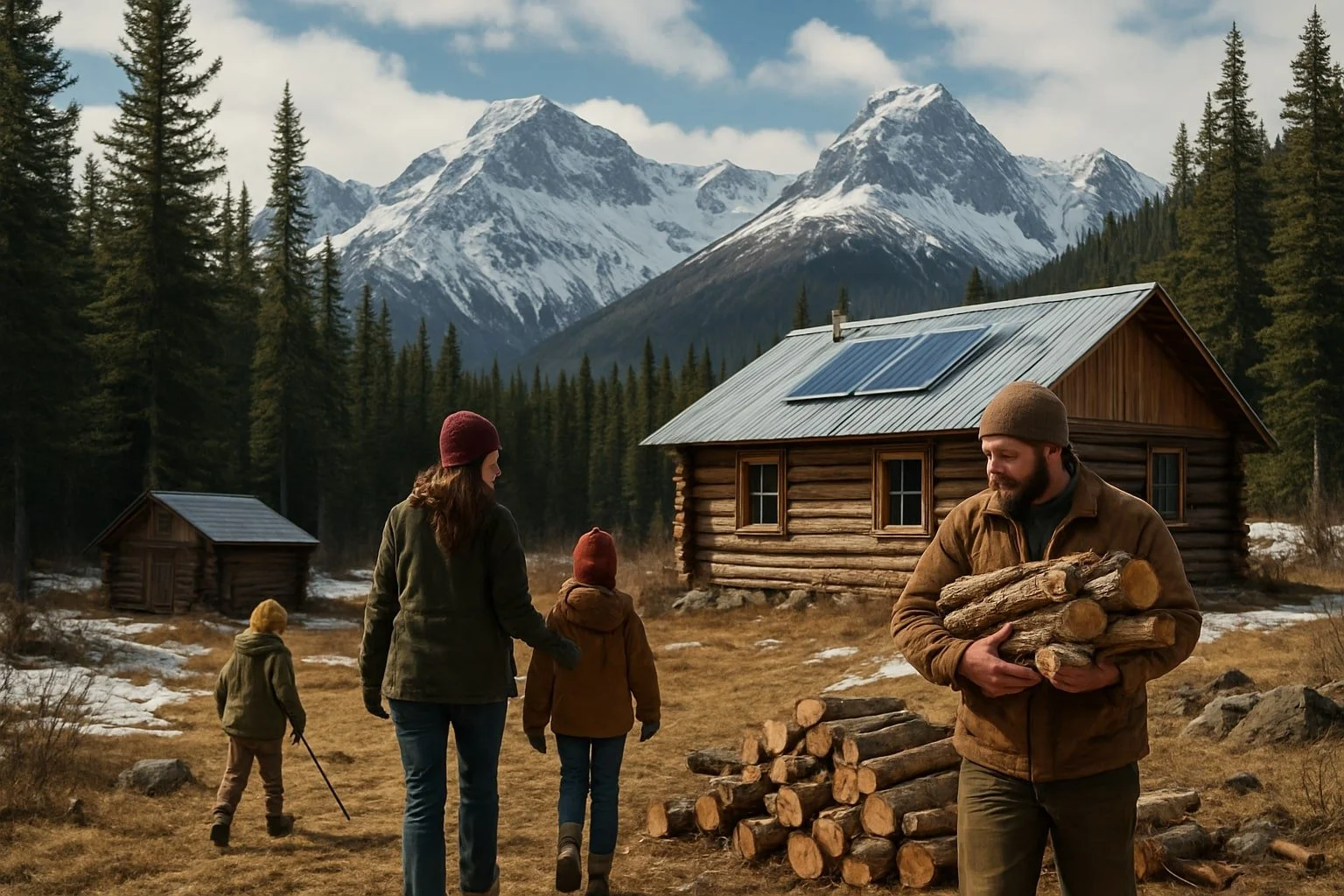
Alaskan Bush People has shifted significantly in the wake of Billy Brown’s passing, with the family adapting to new roles and challenges outside the shadow of their longtime patriarch. The Browns now navigate life without Billy's guiding influence, which has noticeably altered the family dynamic and the storylines featured on the show.
Since Billy’s death in February 2021, the show’s focus has moved from pure survival in Alaska to the family’s adjustment to new realities in Washington state and beyond. Longtime viewers have seen changes in how the siblings interact, take on individual pursuits, and handle the evolving pressures that come with their unconventional lifestyle.
Audiences are witnessing a family in transition, finding ways to honor Billy’s legacy while redefining their own paths. For those interested in how the series and its cast are evolving, the post-Billy era presents a new chapter filled with both uncertainty and determination.
The Impact of Billy Brown’s Death on Alaskan Bush People
Billy Brown’s death marked a turning point for both the show and the Brown family. His loss affected the family structure, the direction of the series, and prompted tributes from fans and the public.
Patriarch’s Role and Legacy
Billy Brown was the foundational figure of Alaskan Bush People, guiding his family through Alaska's wilderness as their patriarch. He shaped the family's off-grid lifestyle, teaching survival skills and instilling values of independence and resilience.
Billy’s leadership had a major influence on the show’s direction. He was not only present in nearly every episode but also acted as the primary decision-maker. The family's dynamic revolved around his advice and authority, creating a unique narrative focus.
After his death, the absence of Billy’s stabilizing presence was immediately noticeable. The family had to reconfigure roles, with adult children and his wife, Ami, stepping into more visible leadership positions. His legacy remains central, serving as a guide for how the family adapts to new challenges.
Family Reactions and Coping with Loss
The Brown family responded to Billy’s death with a blend of grief, reflection, and eventual resilience. Family members openly discussed their loss on the show and shared personal tributes on social media and public statements.
Ami Brown, his wife, took on a more central role, providing strength and continuity for her children. Siblings like Bear and Bam Bam expressed their struggles with grief but also their commitment to preserving their father’s dreams and values.
Rain Brown, the youngest, eventually spoke out after years of silence, highlighting the personal toll of her father's absence. The family’s process of coping was marked by both private mourning and a joint commitment to move forward, keeping Billy’s memory alive in daily life.
Public Tributes and Memorials
Viewers and fans of Alaskan Bush People expressed widespread sympathy after Billy’s death. The show dedicated episodes and on-screen messages as tributes, reflecting the impact he had on both the cast and audience.
Public memorials included online messages, social media posts, and commemorative content from Discovery and related networks. Fans shared their memories and appreciation, underscoring Billy’s role as a symbol of strength and wilderness survival.
Billy’s legacy continues to shape the show’s identity. References and flashbacks to his influence remain a recurring part of the series, keeping his spirit alive for long-time viewers and new fans alike.
Shifting Family Dynamics in the Post-Billy Era
Since the passing of Billy Brown in 2021, the Brown family has experienced major adjustments in their living arrangements, roles, and relationships. Leadership roles have shifted to new hands, siblings face fresh responsibilities, and daily interactions now look quite different.
Ami Brown’s Leadership
Ami Brown stepped into the primary leadership role after Billy’s death. Her approach emphasizes emotional support and practical decision-making. She has become a unifying figure, keeping the family together amid relocation challenges and public scrutiny.
Ami manages household priorities and is especially focused on ensuring stability for her children and grandchildren. She set new routines to help everyone transition, balancing the need for structure with understanding individual needs. Her leadership style is supportive but firm.
Key changes with Ami:
Decision-making: More collaborative but with Ami as final authority
Emotional tone: Increased openness to discussing hardships
Focus: Security for younger members and grandchildren
Bear Brown and Siblings’ New Responsibilities
With their father’s absence, Bear Brown and his siblings—Bam Bam, Gabe, Noah, Bird, and Rain—have taken on more active roles. Bear, often vocal, is now seen as one of the main providers, frequently handling outdoor work and family safety.
The siblings coordinate on major projects, such as maintaining the homestead and exploring new opportunities in Washington. Each has taken on specialized jobs, from property maintenance to caring for animals or supporting Rain with personal challenges.
A table of shifting responsibilities:
Family Member Main Role Notable Changes Bear Provider, safety Leadership in crisis Bam Bam Logistics, building More problem-solving Gabe Family well-being Focus on support Noah Technical, engineering Innovation efforts Rain, Bird Emotional and animal care Increased maturity
Relationships Among the Brown Family Members
With the new family structure, relationships have become both more complex and, in some ways, closer. The bond among the siblings is more pronounced, driven by the shared need to step up.
Conversations now include more collaboration, and decisions are made together more often than before. However, tensions still arise, particularly with the demands of the changing environment and personal goals.
Grandchildren have added a new dynamic, requiring the older Browns to balance tradition with newer, child-focused routines. Rain Brown’s emotional growth, as well as Matt Brown’s ongoing journey outside the main family group, have shaped internal dynamics. The family’s ability to adapt continues to define their connection.
Changes to the Show’s Direction and Storytelling

Alaskan Bush People has shifted its narrative since Billy Brown’s passing, focusing more on how the family continues adapting to harsh conditions and personal struggles. The balance between authentic survival and new challenges has changed the tone and priorities of the program.
Evolution of Off-the-Grid Living
The Brown family's approach to living off the grid now involves new adaptations. With Billy gone, Ami and her children have taken on a greater share of responsibilities and decisions related to their remote lifestyle.
They frequently show updated systems for water, waste, and basic utilities using materials and technologies that were not highlighted in earlier seasons. These changes reflect both necessity and experience, rather than Billy’s traditional methods.
Scenes now emphasize the complexity of maintaining the self-sufficiency Billy championed. Tool usage, solar energy solutions, and weatherproofing play larger on screen roles. Viewers see the outcomes and challenges, such as occasional equipment failures or adaptation to unexpected environmental changes.
Hunting and Survival in the Alaskan Wilderness
Hunting and survival have always been central to the show, but recent episodes focus more on the expertise and independence of the younger Browns. Each family member demonstrates specific skills, such as tracking, foraging, and fishing, with less reliance on Billy’s guidance.
Episodes typically show the planning and consequences of hunting trips. Viewers observe which strategies succeed or fail, as well as the legal and ethical considerations tied to local regulations. The hunting scenes also highlight the need to balance tradition with new techniques to ensure adequate food supplies.
Seasonal changes in the Alaskan wilderness are depicted with heightened detail. The challenges posed by wild animals and shifting weather conditions are presented plainly, spotlighting the risks and adaptations necessary for real survival.
Integrating Real-Life Challenges
Personal hardships and conflict have become more visible in the narrative structure. The death of Billy Brown itself has been addressed openly, affecting both morale and family unity in subsequent episodes.
Court cases, interpersonal disputes, and health issues are included, showing the impact of real-life situations on off-the-grid living. For example:
Legal disputes within the family
Medical emergencies far from town
Interpersonal rifts among siblings
The storytelling includes these elements without overly dramatizing them. Footage often features unscripted reactions and candid conversations, providing a less filtered look at how adversity tests the family's capabilities and relationships.
Discovery Channel’s Creative Involvement
Discovery Channel's creative influence is more pronounced as the show evolves. Producers have adjusted filming styles to highlight both the scenic aspects of the Alaskan wilderness and the ongoing changes in the Brown family's routines.
Cliffhangers and enhanced editing are used to maintain viewer engagement between episodes. Strategic use of narration, flashbacks, and interviews with family members adds context to key decisions and turning points.
The network has encouraged integration of real-life court cases and news, blending traditional reality TV storytelling with documentary elements. Discovery collaborates with the family to select which challenges and innovations are most likely to resonate with the audience while still emphasizing self-reliance and survival.
Public and Media Perception After Billy Brown
Billy Brown’s death marked a significant shift in public interest and critical commentary regarding Alaskan Bush People. Media coverage became more focused on the Brown family’s struggles and controversies, as questions around fame, authenticity, and future plans grew louder.
Fame and Privacy Concerns
After Billy Brown’s passing, the Brown family found themselves dealing with renewed levels of public scrutiny. The reality series, once centered on survival and wilderness lifestyle, attracted more attention about the cast’s lives off-camera.
Media outlets and fans began to probe into the family’s activities, with appearances on interview segments such as the Today Show contributing to the increased visibility. As a result, the Browns struggled to balance their public personas with a desire for privacy during a time of grief.
The pressure of fame, especially in the wake of a family tragedy, led to speculation about how much of their daily life should remain under the public eye. Each family member faced individual pressures related to fan attention, leading to stricter management of their social media and interviews.
Handling Scandal and Accusations
Accusations and scandals have challenged the Browns’ reputation for authenticity. Allegations about the show’s representation of their lifestyle—such as spending more time in town than in the wilderness—surfaced in media reports and online forums.
Legal incidents, including past issues involving government assistance, continued to emerge in conversations after Billy's death. The Browns and the show’s producers had to respond to negative headlines and direct criticism, including rumors about financial motives and family conflicts.
Efforts to address scandals included official statements, interviews, and at times silence, especially when legal matters limited what could be disclosed. Each approach drew new responses from critics and supporters, complicating the family's public image.
Facing ‘Fake’ and Cancellation Rumors
As the show progressed in the post-Billy era, accusations of “fakeness” circulated widely among viewers. Fans and media sources questioned the reality of some episodes, pointing to specific scenes—such as tense confrontations and survival situations—with skepticism.
A gunshot scene from season one, which was reportedly never corroborated by authorities, fueled further debate about the series’ authenticity. This scrutiny led to persistent cancellation rumors, with audiences speculating about the show’s future after the loss of its original patriarch.
Despite controversy, Alaskan Bush People continued airing, but each season faced intensified public skepticism. Discussions about the show’s truthfulness remain a major part of its public and media perception.
The Brown Family’s Personal Struggles and Controversies
In recent years, the Brown family has faced significant legal and health challenges, testing their stability and resilience. These issues have shaped their lives and changed public perceptions since the passing of patriarch Billy Brown.
Legal Issues and First-Degree Burglary Case
The Brown family encountered notable legal trouble after Billy Brown’s death, involving financial disputes and criminal allegations. A lawsuit worth approximately $500,000 targeted Billy Brown's estate, bringing renewed scrutiny to their finances.
Among these legal events, a first-degree burglary case emerged, casting a shadow over the family’s public image. Details remain limited, but the charge signaled deeper turmoil within the family as they adjusted to new responsibilities.
Authorities conducted investigations leading to tense periods for several family members. This period raised questions about the future of their property and legal standing, with outcomes impacting their reputation and unity.
Health Challenges and Rain Brown’s Resilience
Health challenges struck the Brown family both publicly and privately, with Ami Brown continuing to face health complications after her cancer diagnosis. Updates show that persistent medical concerns remain a central issue for her and those closest to her.
Rain Brown, one of the youngest family members, demonstrated significant resilience following her publicized seizure. She has spoken openly on social media about coping with the aftermath and her determination to recover, inspiring support from fans.
Other family members have faced stress and anxiety as they manage ongoing health situations, mounting family pressure, and personal expectations. The Browns’ collective response to health struggles has highlighted their adaptability and strength despite ongoing difficulties.
Legacy and Purpose of Alaskan Bush People Moving Forward

The future of Alaskan Bush People faces critical shifts after Billy Brown’s passing. The show’s ongoing relevance and purpose now rest on how his family maintains his legacy and adapts their storylines.
Continuing Billy Brown’s Vision
Billy Brown built the foundation of Alaskan Bush People around a commitment to self-sufficiency, family unity, and survival against the odds. Since his death, the Browns have made it clear they aim to uphold these values.
The family works together on their homestead in Washington, adapting Billy’s approach to new environments and challenges. Ami Brown and her children continue to live off the land, refining their skills in homesteading and self-reliant living.
They emphasize teamwork and the importance of family traditions, often referencing Billy’s philosophies in both their daily routines and decisions. Their perseverance and adaptation on-screen keep alive the purpose Billy instilled—to inspire viewers with resilience and authenticity.
Impact on Future Episodes and Storylines
With Billy Brown gone, future episodes reflect both his absence and the family’s evolution. Episodes now focus more deeply on the personal growth of each family member and the shifting family dynamics.
Expect storylines centered on Ami’s leadership, sibling responsibilities, and the younger Browns navigating adulthood without their father’s guidance. Themes like legacy, change, and perseverance are more pronounced, offering insight into how each member chooses to honor Billy’s memory.
Audience interest remains high in how the Browns resolve real-life conflicts and adjust to ongoing legal and personal challenges. The series’ purpose now includes addressing life after loss and chronicling the continued pursuit of Billy Brown’s vision, all while keeping the core values at the forefront.
Influences and Guest Appearances in the Post-Billy Era
Alaskan Bush People’s shift after Billy Brown’s death has brought new influences into the spotlight. The show’s interactions and references to figures from popular culture and television have shaped its evolving narrative.
Connections to Other TV Shows and Notable Figures
In more recent seasons, crossovers or collaborations with other reality TV personalities have been minimal. Unlike some Discovery Channel counterparts, few outside celebrities—such as directors like Panos Cosmatos or actors like Vincent Gallo—have appeared or been referenced. There have been no known involvements with Roman Polanski.
The Brown family’s post-Billy journey has emphasized private development rather than guest-driven episodes. Notable is Rain Brown’s social media mention of Josiah Lorton as her boyfriend, reflecting personal connections over industry ties. No episodes link the Browns directly to high-profile figures such as Donald Trump or other political personalities.
The series primarily features the immediate family, opting for authenticity in their interactions. When broader influences appear, they are subtle and do not become the focus of the show. The Browns' engagement with other TV shows remains limited, centering the narrative on their personal adaptation.
