
Why the Brown Family Motto Still Drives Alaskan Bush People Forward in 2025

The Brown family’s enduring motto of resilience, unity, and self-reliance continues to guide “Alaskan Bush People,” keeping the show relevant even after years of challenges and change. Since their television debut in 2014, the family has faced harsh weather, upheaval, and personal losses. These experiences, paired with their motto, have become the foundation of their identity both on and off the screen.
Despite Billy Brown’s passing in 2021 and the series ending in 2022, the Browns’ philosophy has helped them adapt to new lives in Washington and maintain their connection to fans. The motivation behind their approach is not just survival, but the ability to grow and adapt as a family no matter where they are.
Whether dealing with family drama, major life shifts, or living away from the spotlight, the core values embedded in their motto keep the Brown family moving forward—demonstrating that their story goes beyond television.
Understanding the Brown Family Motto
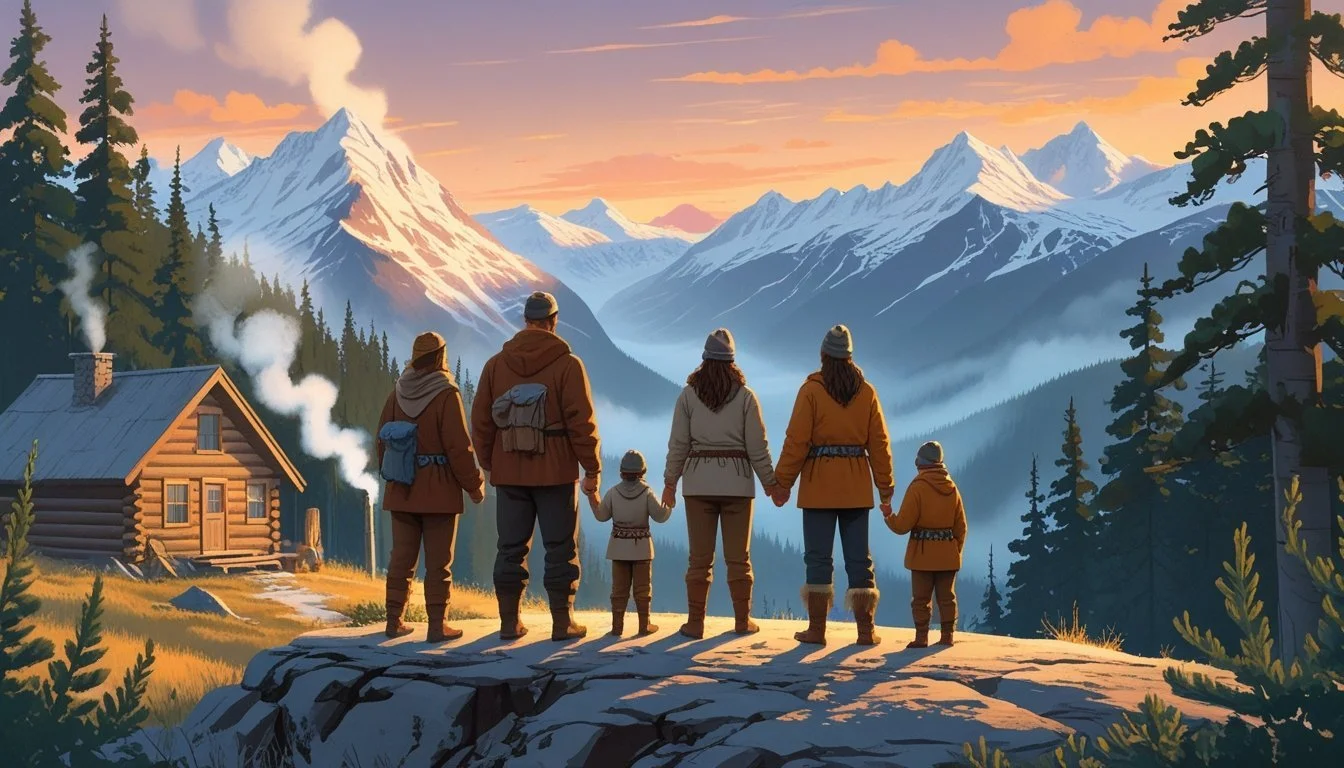
The Brown family motto, first established by Billy Brown, continues to hold deep influence over the "Alaskan Bush People." Through years of challenges and change, the motto guides their choices, strengthens their unity, and highlights their values in the face of adversity.
Origins and Meaning
Billy Brown coined the family motto early in their lives in Alaska, seeking to express principles of perseverance and loyalty. He used the phrase “Never give up, never surrender,” emphasizing resilience as a core value. This simple but direct code encouraged every member of the so-called Wolfpack to stay close and help each other through both physical and emotional hardships.
The origins are deeply tied to Billy’s vision of survival off the grid. The family’s harsh experiences in Alaska—dealing with unpredictable weather, isolation, and scarce resources—helped shape their view of unity and self-reliance. The motto became a mantra during their early television years and in private life.
In interviews and autobiographies, Billy highlighted that this saying was not about individual strength but about lifting each other up. To him, legacy meant passing down not just land or material things, but values that could withstand time and trial.
Significance to the Wolfpack
The Wolfpack refers to the close-knit group formed by Billy, Ami, and their children. The motto acts as a central pillar for the group’s leadership structure, with Billy as the clear leader and each member expected to contribute. The saying reflects the deeply held belief that family comes above all else—even in disputes or personal struggles.
Key aspects of the motto’s significance:
Uniting the family during illness and legal troubles
Reenforcing each member’s role, regardless of age or ability
Serving as a message to fans about overcoming adversity as a team
It is particularly meaningful to Rain, Bear, and the other children who grew up with this principle at the heart of their upbringing. They often echo the motto on social media, indicating a shared legacy beyond TV fame.
How the Motto Shapes Everyday Life
In daily routines, the family motto guides decision-making, problem-solving, and interpersonal relationships. Chores and bushcraft tasks are approached with the mentality that failure isn’t final—there’s always help from another Wolfpack member.
During health scares, such as Ami Brown’s illness, or more recent legal issues reported in the news, the motto surfaces in public statements and family actions. They rally together, using the motto to stay focused and resilient.
The Wolfpack’s cooperation in building projects, hunting, fishing, and adapting to new hardships in Washington state demonstrates the motto in practice. Tasks are often divided, but if anyone falls short, another steps in without complaint. This routine reinforces their commitments and pushes the Brown family legacy forward, even as circumstances or locations change.
Family Legacy and Leadership

Billy Brown’s leadership as the family patriarch shaped the core values of the Brown family, and these values continue to influence their daily lives. These principles have been passed down to each member, guiding their decisions and maintaining unity.
Billy Brown’s Role as Patriarch
Billy Brown, as the patriarch, set the tone for survival, resilience, and independence within the “Alaskan Bush People.” He led by example, establishing a routine of self-reliance in harsh conditions.
His wife, Ami Brown, supported his vision and worked alongside him to build a stable home in the wilderness. Billy’s determination influenced his children—Matt, Bam Bam, Bear, Gabe, Noah, Snowbird, and Rain—each adopting varying aspects of his guidance.
He prioritized direct action and problem-solving, often assigning responsibilities based on skills and temperament. This structure encouraged the children to work together, ensuring every family project had clear roles and leadership.
Passing Down Values to the Next Generation
Billy’s influence continued after his passing, as the family remains committed to his ideals. The siblings work to preserve his legacy by upholding the belief in self-sufficiency and mutual support.
Ami continues to encourage the younger Browns—Rain and Snowbird—in maintaining family traditions. Older siblings like Bam Bam and Bear help lead new projects with guidance inspired by their father’s lessons.
Core values such as adaptability, cooperation, and perseverance are taught through daily activities and shared responsibilities. This approach helps the next generation internalize the family’s motto and apply it to challenges within and outside the wilderness.
Survival Skills and Off-Grid Living
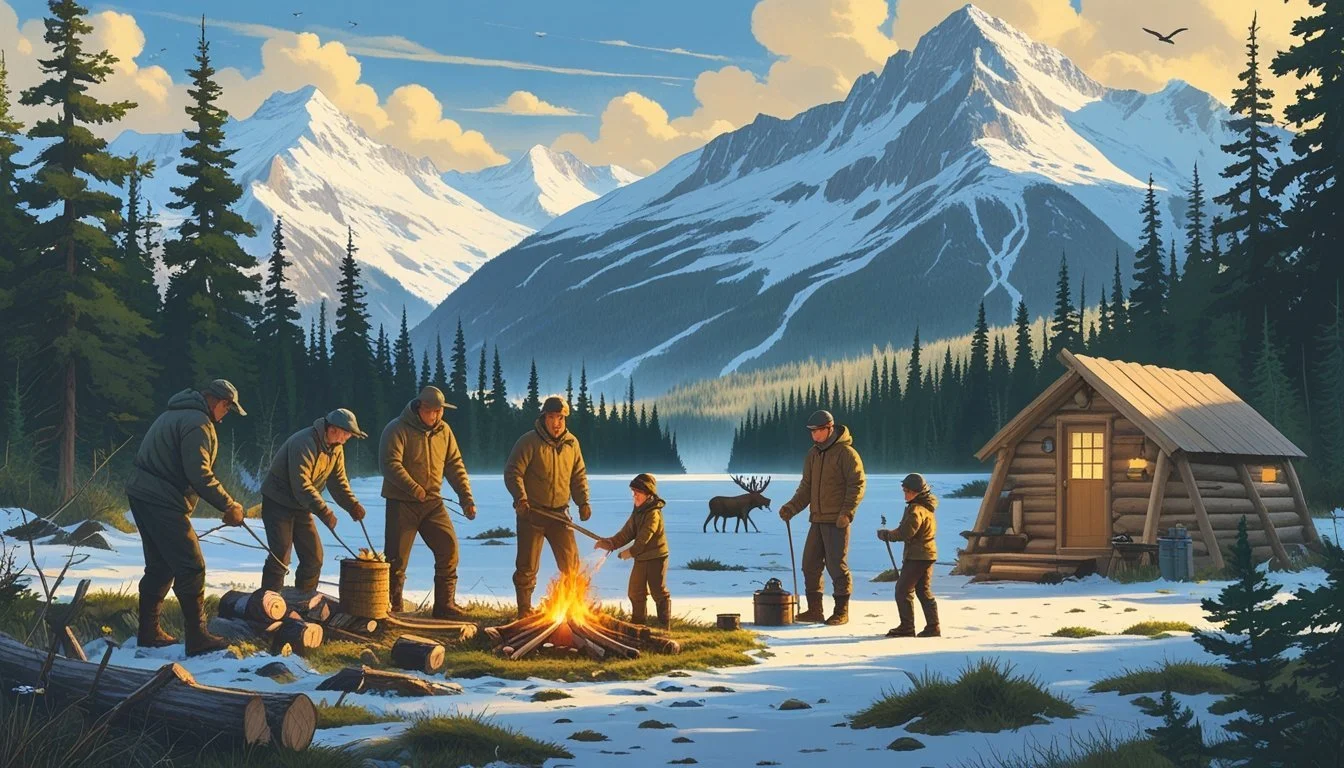
Surviving in the Alaskan wilderness demands practical skills and an adaptable mindset. The Brown family’s commitment to off-grid living shows how deep-rooted resilience and traditional knowledge shape their day-to-day life.
Resilience in the Alaskan Wilderness
Extreme weather, remote locations, and scarce modern conveniences define the Browns’ approach to life off the grid. They rely on resourcefulness and teamwork, using what is available to solve problems and overcome obstacles. Harsh winters and short summers in Alaska require them to plan ahead for each season’s needs.
Key survival strategies include:
Building weather-resistant shelters
Preserving food for the winter
Making the most of limited resources
The family’s survival skills go beyond physical tasks. Decision-making under pressure, creative problem-solving, and mental toughness are just as important. These qualities help them face setbacks, from failed harvests to unexpected storms, with a strong sense of determination.
Crafts and Foraging as Traditions
Handcrafting tools and gathering food from the land are core traditions for the Browns. Hunting, fishing, and foraging for berries, plants, and mushrooms provide most of their daily sustenance. Skills such as trapping and setting up efficient fishing lines support their independence.
Some essential practices include:
Carving and repairing wooden tools
Using natural materials for homestead construction
Identifying edible and medicinal plants in the wilderness
Sharing these skills among family members ensures that knowledge is passed down and adapted as needed. For the Browns, these crafts and foraging activities are not just survival strategies—they are a way to maintain connection with nature and their off-grid heritage.
Health Struggles and Perseverance
The Brown family has faced continuous health challenges in recent years, pushing each member to confront personal and collective adversity. Their journey with cancer, substance abuse, and recovery has tested their resilience and unity.
Ami Brown’s Battle with Cancer
Ami Brown’s diagnosis of advanced lung cancer was a turning point for the family. In 2017, Ami was given a grim prognosis but began intensive treatment, including chemotherapy and radiation. Her journey was marked by uncertainty, frequent hospital visits, and major lifestyle changes.
Ami’s cancer battle brought the family together in new ways. Each member played a role in her support system, from providing emotional encouragement to helping manage daily tasks. Despite periods of remission, Ami has faced renewed health scares, such as hospitalizations and reliance on medical technology, including breathing assistance in 2025.
The family’s willingness to share Ami’s difficult moments—the struggles with tumors, treatments, and setbacks—has resonated with many viewers. Ami’s story is a testament to her resilience and the importance of a strong support network during severe health struggles.
Overcoming Substance Abuse and Rehabilitation
Matt Brown, the eldest Brown son, has openly struggled with substance abuse, leading to several stints in rehabilitation centers. His issues with addiction became public knowledge around 2016, prompting him to seek professional help.
The decision for Matt to enter rehab was not easy for the family, but it underscored their commitment to facing health issues head-on. Matt has spoken about his journey—acknowledging relapses, therapy, and the ongoing work required for sobriety. The process included separation from the family for treatment and gradual reintegration.
Matt’s rehabilitation highlighted the realities of battling substance abuse. His openness about attending rehab, setbacks, and recovery strategies has helped destigmatize these struggles for viewers. The family’s public acknowledgment of his challenges reflects their approach to addressing problems directly and supporting each other’s well-being.
Facing Health Challenges as a Family
The Browns have encountered a variety of other health concerns beyond cancer and substance abuse. These include minor injuries from life in remote areas and stress-related issues intensified by significant losses, such as the death of patriarch Billy Brown.
Coping with Ami’s cancer and Matt’s rehabilitation put the family’s motto of perseverance to the test. They have relied on open communication, delegation of responsibilities, and mutual support to navigate medical uncertainties. Hospitalizations and emergencies have required the Browns to adjust daily routines and living arrangements, emphasizing adaptability.
The combined experiences with serious illness and personal challenges have forged stronger familial bonds. The Browns’ methodical and direct approach in addressing health struggles underscores the central role of resilience in their continued journey.
Adapting Through Relocation and Change
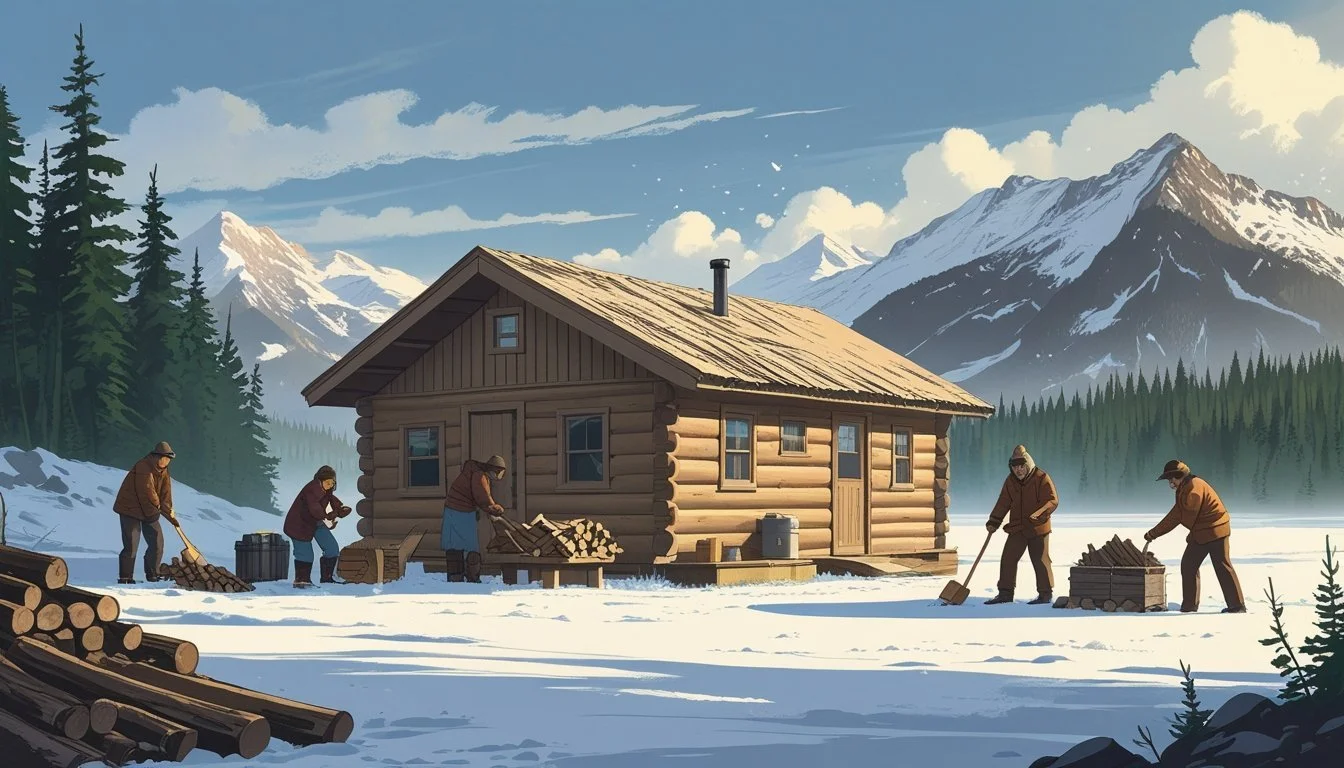
The Brown family’s journey has involved major moves, difficult adjustments, and unexpected hardships. Their ability to adapt has remained central to their continued presence on “Alaskan Bush People,” shaping not only their physical environment but their family dynamics.
Leaving Alaska for Washington
The Browns originally built their lives on Chichagof Island near Hoonah, Alaska, where they faced harsh weather, remote access, and isolation. In 2017, the family made a significant move to Okanogan County, Washington. The decision came after matriarch Ami Brown was diagnosed with cancer and needed to be closer to medical care.
Relocating meant leaving behind the Alaskan bush lifestyle portrayed on the show. Washington’s climate, terrain, and laws differed in many ways from the family’s Alaskan home. While the Browns retained elements of their wilderness ethos, changes in building materials, proximity to towns, and land ownership laws all became practical concerns.
The relocation also required the family to rethink how they would live off the land. They adapted by seeking new ways to remain self-sufficient while complying with local regulations.
Adjusting to Wildfires and New Challenges
After settling in Okanogan County, the Browns faced new environmental threats not present in Alaska—especially wildfires. In August 2020, a wildfire swept across their property, causing significant damage to North Star Ranch. Some structures were lost, and evacuation became necessary for safety.
Wildfires have continued to pose a seasonal risk in the region. The family had to implement new safety measures, like creating firebreaks and removing brush from around buildings.
They also had to quickly adapt to the constant threat, which required updates to emergency plans and changes to the way they interact with the land.
These challenges highlighted the differences between surviving on an isolated Alaskan island and managing a homestead in fire-prone Washington. The family’s ongoing adjustments demonstrate their willingness to change and prioritize safety.
Homesteading on North Star Ranch
North Star Ranch became the new hub for the Brown family after their move. The property is much larger than their Alaskan homestead and consists of hundreds of acres in Okanogan County.
Homesteading at North Star Ranch involves raising livestock, cultivating gardens, and building infrastructure more suitable for the Washington environment. The Browns have constructed barns, animal pens, and larger homes than they had in Alaska. They have also taken advantage of milder winters to expand growing seasons for crops.
The family has had to learn new skills to manage the property and make use of Washington’s resources, such as different water management systems and tools for fire prevention. Adapting their homestead to local conditions has been an ongoing process, marked by both setbacks and innovative solutions.
Family Dynamics and Relationships
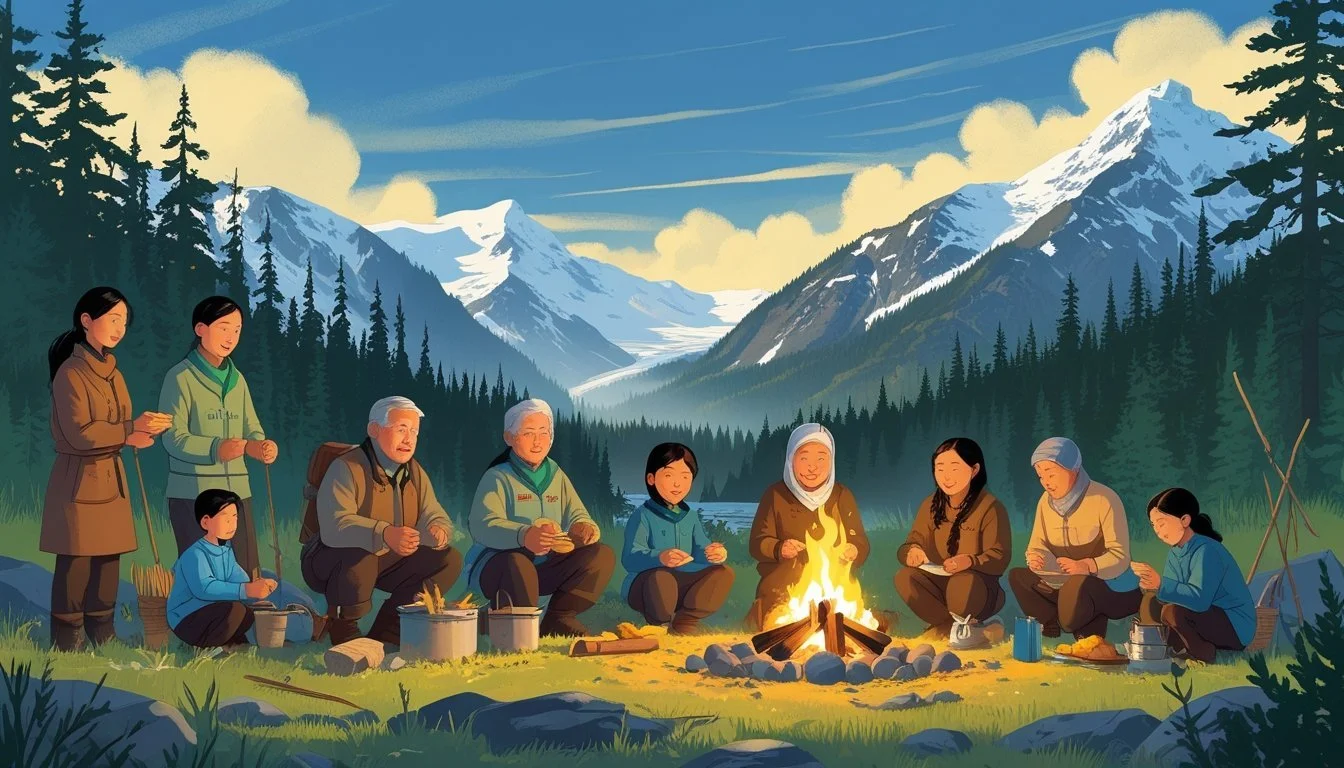
Relationships among the Browns are shaped by their unique upbringing and strong loyalty to family. Their daily interactions, romantic partnerships, and approach to parenting reveal both unity and occasional conflict under the pressure of public attention.
Sibling Bonds and Rivalries
The Brown siblings—Bear, Bam Bam, Gabe, Noah, Snowbird, and Rain—often refer to themselves as the “wolfpack,” highlighting a sense of unity and mutual support.
Growing up in an isolated environment, they developed strong bonds, often relying on each other for survival skills and emotional support. The need to cooperate on building projects or dealing with harsh conditions strengthened their teamwork.
However, rivalries emerge, especially as the siblings mature and seek personal identities. Differences in opinion or lifestyle, such as Bam Bam’s periodic departure from the family, create tension but also drive growth. These dynamics shape how each sibling approaches relationships both inside and outside their family unit.
Romantic Relationships and Marriage
Several Brown siblings have established their own families, balancing personal lives with the demands of their television persona. Bear’s relationship with Raiven drew significant attention, experiencing publicized separations and reconciliations before welcoming their son, River.
Noah married Rhain Alisha, while Gabe wed Raquell. Both pairs focused on creating stable homes and navigating parenthood amid family scrutiny and fan interest. Marriages sometimes bring new challenges, such as blending spouses into the “wolfpack” mindset, maintaining privacy, and managing disputes with extended family.
Production crew member Allison Kagan’s presence (especially in relation to Bam Bam) has also generated speculation. Each sibling’s journey shows the Browns’ varying approaches to partnership, communication, and family values.
Parenting the Next Generation
Parenting styles among the Browns reflect their upbringing’s influence, blending independence with close family ties. Ami and the late Billy’s example of resourcefulness and togetherness informs how their children raise the next generation.
Bear takes pride in being a father to River, emphasizing adventure and nature. Gabe and Raquell welcomed their daughter, Sophie, focusing on maintaining family traditions. Noah’s son, Elijah Connor, is also growing up immersed in the family’s values.
The Browns prioritize teaching resilience and practical skills. They encourage their children—such as Amora Jean, Gabe’s daughter—to develop confidence and adaptability. This approach aims to prepare the next generation for challenges unique to both Alaskan wilderness and public life.
Public Image and Reality TV Fame
The Brown family’s rise from rural obscurity to reality star status has shaped how viewers and critics perceive their story. Their experiences with network television, online feedback, and direct fan interaction have influenced both their on-screen presence and off-screen lives.
Discovery Channel and Alaskan Bush People
Alaskan Bush People premiered on the Discovery Channel in 2014, launching the Brown family into national prominence. The show, produced over numerous episodes and seasons, documents their efforts to live off-grid and face wilderness challenges.
Many viewers questioned how much of the series was scripted, but the Discovery Channel maintained the show’s focus on the survivalist lifestyle. With each new season, the Browns found themselves navigating tightly managed filming schedules, production demands, and evolving public expectations.
Consistent network promotion turned the Browns into notable reality TV personalities. Interviews, behind-the-scenes specials, and promotional events further boosted their recognition and brought their lifestyle to a mainstream audience.
Dealing with Criticism and Controversy
Public scrutiny has been a major part of the family’s reality TV journey. Critics have accused the show of exaggerating or scripting events, leading to debates over its authenticity.
Allegations including staged scenes and even legal issues such as the reported theft incident amplified controversy. The Browns responded by highlighting their commitment to their unique way of life in interviews and social media updates.
These repeated controversies tested the family’s public reputation. However, the Browns continued to appear in new episodes, suggesting a focus on moving forward despite negative attention and speculation.
The Impact of Social Media and the YouTube Channel
Social media has played a significant role in shaping the Browns' public image. Members of the family, especially Rain Brown, built active presences on Instagram, sharing personal updates and direct messages to fans.
Rain, for example, posted about her own milestones and shared moments from her life away from the show. The family’s YouTube channel has also given them a way to interact with audiences outside of traditional television, featuring unique content and behind-the-scenes glimpses.
Through these platforms, the Browns have managed both praise and criticism, often addressing rumors, clarifying misunderstandings, and maintaining a loyal fanbase. Platforms like Instagram and YouTube provide the Browns with more control over their narrative, helping them connect with viewers on their own terms.
Celebrating The Brown Family’s Enduring Influence
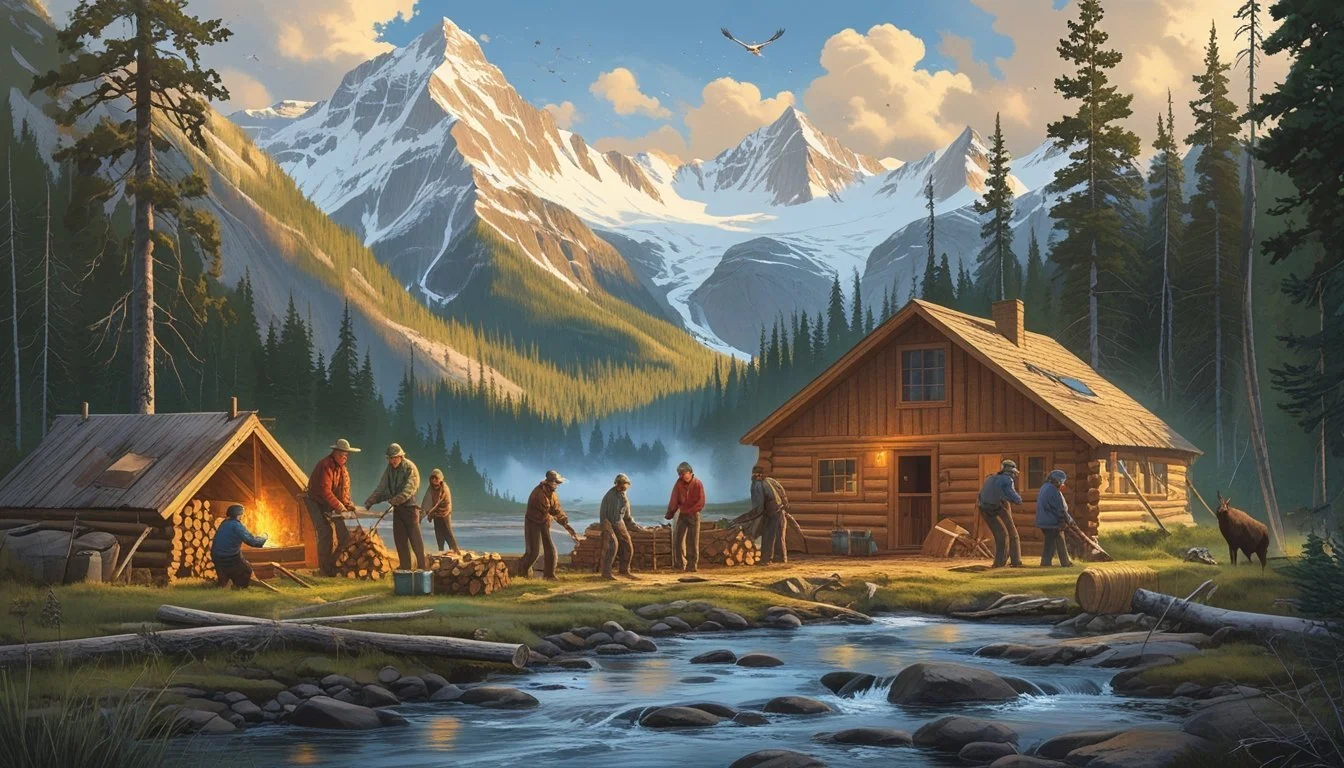
The Brown family’s ongoing dedication to their values has shaped not only their own lives but also influenced viewers who follow Alaskan Bush People. Their consistency, even in difficult times, highlights a legacy built on resilience and commitment.
Inspiring Fans Through Adversity
Viewers have watched the Browns face harsh winters, medical challenges, and shifting family dynamics. Each obstacle has been met with a clear determination rooted in their family motto of self-reliance and togetherness. This approach has resonated with those who admire strength in the face of difficulty.
Stories from fans often point to the Browns as examples of handling adversity without losing compassion or resolve. The family's actions encourage others to value perseverance and unity as key tools for overcoming their own hardships. Through their genuine responses to loss, and their drive to honor Billy Brown’s memory, the Browns have demonstrated that resilience can be lived out daily.
Looking Forward: The Future of Alaskan Bush People
The Brown family is navigating new phases while continuing their wilderness lifestyle. After Billy Brown’s passing, they remain committed to living off the land and continuing the principles he set in motion.
Ongoing episodes show the Browns adapting practices to fit new realities. Children take on greater leadership, and the family makes decisions grounded in the values that have defined them since the beginning. The show documents their progress, emphasizing a legacy that is both preserved and evolving.
A strong focus remains on teaching younger generations the importance of resourcefulness, respect for nature, and supporting one another. These guiding principles contribute to the sustained relevance of their story for viewers who look for authentic examples of perseverance.
