
How Grief Has Shaped Every Season of Alaskan Bush People Since Billy’s Passing
A Look at the Family’s Ongoing Journey

Billy Brown’s death in 2021 marked a turning point for Alaskan Bush People, deeply influencing every season of the reality TV series since. The Brown family, once led by their determined patriarch, had to navigate not only the demands of wilderness life but also the emotional challenges brought on by their loss. Their journey—broadcast on the Discovery Channel—shifted as viewers watched the family work through grief in the public eye.
The impact of Billy’s passing went far beyond a single episode, reshaping family dynamics and intensifying storylines centered on healing and resilience. Each member of the Brown family confronted grief differently, creating a narrative that explored both vulnerability and perseverance. With their experiences unfolding onscreen, Alaskan Bush People offered a rare look at mourning, strength, and adaptation set against the backdrop of the wild.
Fans who followed the Browns noticed a new tone and depth in the series, as the family searched for purpose and stability after Billy’s loss. These seasons revealed how sorrow shaped their decisions, relationships, and identity as a family, setting them apart in the landscape of reality TV.
Billy Brown's Legacy and Passing
Billy Brown, the central figure in “Alaskan Bush People,” guided his large family through years of wilderness life and personal hardship. His death at age 68 marked a turning point, deeply affecting both the show’s direction and the emotional dynamics within the Brown family.
Billy Brown’s Role as Patriarch
Billy Brown was more than just the head of the family—he was the driving force behind their unconventional lifestyle. Known as the “wolf pack” patriarch, he led his wife Ami and their seven children from rural Alaska to remote parts of Washington State.
He instilled values of self-reliance and unity, teaching his children essential survival skills. Billy’s decisions shaped nearly every aspect of their daily lives, from constructing homes by hand to hunting and gathering.
Fans often saw him mediate family conflicts and set the tone for each season, making his presence pivotal. His influence extended well beyond the screen, cementing his legacy as the heart of the Brown family.
Health Challenges Before His Death
In the last years of his life, Billy Brown faced growing health issues. He was diagnosed with stage 3 lung cancer and frequently struggled with symptoms like shortness of breath.
Complications such as pneumonia and recurring lung infections led to multiple hospital stays. Despite medical advice to avoid the high altitudes of their mountain home, Billy continued to participate in the family’s activities when possible.
His declining health became more apparent on the show, especially as his physical limitations increased. Friends, family, and viewers watched as he fought tumors and coped with worsening medical problems. He suffered a fatal seizure in February 2021, ending his long battle with illness.
Immediate Impact on the Brown Family
Billy’s death brought a sudden and profound shift to the dynamics of the Brown family. Each member responded differently to the loss, with some grappling with visible grief and others taking on new responsibilities.
Family matriarch Ami Brown was faced with leading the group through uncertainty. The loss also affected Billy’s children—Bear, Bam Bam, Gabe, Noah, Bird, Rain, and Matt—as they adjusted to life without their father and mentor.
The sense of uncertainty grew regarding their future on the show. Production paused briefly after his passing, and subsequent episodes focused on their emotional process and efforts to honor Billy’s legacy.
Family Dynamics in the Wake of Loss
Billy Brown’s death marked a significant turning point for the Brown family, influencing relationships, roles, and emotional well-being. The impact has been seen in how surviving members manage daily life, express grief, and support each other while filming Alaskan Bush People.
Ami Brown's Journey After Billy
Ami Brown faced immediate changes after losing her husband. She became the emotional anchor for her children, taking on decisions that Billy once handled. Daily responsibilities increased, requiring her to balance grief with practical matters, such as maintaining the homestead and supporting her children’s ambitions.
Ami’s health remained a priority, especially after her previous cancer battle. She often spoke about Billy's influence and the void left by his absence. Despite challenges, she aimed to keep family traditions alive and foster unity, navigating moments of tension with patience.
Siblings’ Emotional Responses
Each Brown sibling coped with grief in a unique manner. Rain Brown and Snowbird Brown, the youngest sisters, frequently discussed their struggles with mental health and occasionally withdrew to process their emotions privately. Rain, in particular, shared glimpses of her vulnerability with fans, openly addressing the emotional toll.
Bear, Bam Bam, Noah, Gabe, and Matt Brown each handled the loss differently, which sometimes intensified family drama. For example, Bam Bam maintained a stoic approach, focusing on practical tasks. Matt’s absence from much of the recent seasons highlighted ongoing challenges within the family dynamic.
Individual expression of grief sometimes led to miscommunication or disagreement, influencing how siblings related to one another and to Ami.
Strengthening Family Bonds
Despite adversity, the Browns worked to maintain cohesion by emphasizing open communication and mutual support. They made intentional efforts to honor Billy’s memory—whether by revisiting shared rituals or tackling new projects together on the mountain.
Family meetings grew more frequent, providing everyone space to voice thoughts and feelings. This collective approach helped address miscommunication and reinforced unity.
The Browns also leaned on teamwork during physically demanding tasks. Through shared responsibilities and emotional check-ins, the family strived to adapt to their new normal while protecting each member’s mental health.
Key Efforts:
Keeping traditions alive
Supporting individual healing
Prioritizing honest conversations
Seasonal Shifts in Alaskan Bush People After Billy’s Passing

Billy Brown’s death marked a turning point for Alaskan Bush People, prompting major adjustments to both the family’s daily life and the show’s narrative on the Discovery Channel. The Brown family was faced with the task of continuing their off-grid journey while mourning their patriarch.
Storyline Changes in Season 13
Season 13 began shortly after Billy’s passing, which was directly addressed in the opening episodes. The episodes explored how each member of the family coped with grief and loss. Ami Brown’s leadership role became more prominent, as she made important decisions for the homestead and guided her children through uncertain times.
Viewers saw more focused coverage of the emotional struggles faced by Bam, Bear, and Noah, who each approached grief differently. Alaskan Bush People shifted from large family group scenes to smaller, intimate moments, highlighting personal reflections and conversations about Billy’s influence.
The tone of the television series became more introspective. There was an increased emphasis on the family’s memories, as well as scenes that paid tribute to Billy’s legacy. The narrative also took more time to show the individual journeys of the Brown children as they adjusted to life without their father.
New Challenges in Season 14
Season 14 documented the Browns confronting practical and emotional hurdles in the aftermath of their loss. Much of the season’s conflict centered on maintaining the North Star Ranch and ensuring the family’s financial stability. Challenges included property management, wildfires, and uncertainty about the future.
The family members divided responsibilities in new ways. For instance, Bear and Bam took on larger roles in daily operations, while Ami focused on health and maintaining family unity. There was less focus on external adventures and more on the logistics and setbacks of homestead life.
Key episodes presented Ami’s health updates and explored unresolved issues stemming from Billy’s estate, including a reported $500,000 lawsuit. The show’s style became more documentary-like, using direct-to-camera confessions and updates. This reflected the raw, ongoing impact of Billy’s absence on the Discovery Channel series.
Adjusting to Life Without Billy: Homestead and Wilderness Challenges

Billy Brown’s death marked a turning point for the Brown family, changing the leadership and daily rhythms of both their homestead and wilderness routines. Their move to Washington State and the shift from Alaskan wilderness to North Star Ranch brought new obstacles to their self-sufficient lifestyle.
Managing North Star Ranch
After Billy’s passing, responsibility for North Star Ranch shifted to his wife Ami and their children. They faced tough decisions about how to run the property, delegate tasks, and maintain the land.
Key adjustments included:
Assigning clear roles among siblings
Coordinating repairs and maintenance
Managing livestock and gardens without Billy’s oversight
Without their patriarch’s leadership, disputes sometimes arose regarding priorities or methods. Every season required learning new skills, from operating machinery to addressing seasonal threats like wildfires or wildlife incursions. The Browns repeatedly emphasized teamwork to keep the ranch operational.
The Washington State Homestead Experience
Relocating from remote Alaska to Washington State forced the Browns to adapt quickly. The environment at North Star Ranch differed from the harsh, freezing conditions they once faced in Alaska.
Major changes:
Milder climate requiring different building and agricultural methods
More accessible supplies but new legal and regulatory hurdles
Navigating privacy challenges after gaining a higher profile
The Browns contended with both physical and emotional adjustments as they developed their Washington homestead. They faced increased attention from neighbors and local officials, shifting the family’s sense of isolation and security. Learning to build resilience and operate in an entirely new setting became a central challenge.
Survival and Self-Sufficiency Struggles
Self-sufficiency had always been at the core of the Brown family ethos. Billy’s absence complicated their ability to secure food, water, and shelter in their signature off-the-grid style.
Practical struggles included:
Maintaining reliable energy sources without grid access
Ensuring adequate food production from gardens and hunting
Coping with emergencies or resource shortages on their own
Each family member took on more responsibility, learning unfamiliar skills related to repair, foraging, and animal husbandry. Resource management became stricter, and the margin for error shrank as they adjusted to new contingencies and uncertainties.
Adapting the Off-the-Grid Lifestyle
Operating off the grid in Washington involved significant adaptations compared to Alaska. The Browns faced evolving technology, changing weather patterns, and an altered relationship with the wild.
Key adaptation areas:
Upgrading solar and off-grid power systems
Adjusting water collection and filtration routines for new terrain
Integrating local knowledge and state laws into their lifestyle
Challenges arose in balancing privacy with ongoing filming commitments and public curiosity. Learning to navigate the local ecosystem and respect the diverse Washington wilderness helped the family persist in honoring Billy’s vision for an authentic, independent life.
Individual Stories of Growth and Resilience
In the seasons following Billy Brown’s death, members of the Brown family have faced distinct challenges. Their responses highlight personal growth and the ability to navigate grief while continuing their father’s legacy.
Bear Brown’s Life Updates
Bear Brown experienced a series of personal changes during this period. He married Raiven, and their relationship became a central focus for viewers. The couple welcomed their first child together, which brought an added sense of responsibility for Bear.
He encountered public and private struggles, including moments of separation and reconciliation with Raiven. Through these events, Bear has spoken about how grief pushed him to strengthen family bonds and maintain his role as both a brother and a father.
Bear took on more leadership within the family, participating in homestead projects and decisions. His willingness to be open with fans about his challenges demonstrates an ongoing process of resilience.
Noah Brown’s Family and Homestead
Noah Brown chose to prioritize stability for his growing family. After Billy’s passing, he and his wife focused on building a permanent home that could support their young children, reflecting his commitment to their future.
Noah began to take on a larger share of responsibilities around the homestead. He implemented improvements to their living conditions, emphasizing security and comfort for his family. These efforts align with the practical needs of raising children in an isolated environment.
He has mentioned how his father’s values continue to guide his choices. By balancing grief with new responsibilities, Noah shows steady growth and the resilience needed to sustain the family’s way of life.
Health Issues and Personal Challenges
Members of the Brown family have faced serious health problems and personal hurdles following Billy Brown’s death. These health struggles and journeys toward recovery have affected each individual’s life, shaping how they approach both the show and their daily routines.
Rain Brown’s Mental Health Journey
Rain Brown has openly discussed her struggles with depression and anxiety after Billy’s passing. She has provided updates to fans about her mental health, at times taking breaks from filming and social media to focus on self-care.
She has shared that therapy and support from her family have been vital to her recovery. Viewers have seen Rain’s vulnerability in episodes where she addresses her emotions and the pressures of growing up in the spotlight. In interviews, Rain has encouraged others dealing with similar issues to seek professional help.
Her journey has increased mental health awareness among the show’s audience, demonstrating resilience and openness. Rain’s experiences underscore how grief and transition can impact a young person’s wellbeing in unique ways.
Snowbird Brown’s Health Battles
Snowbird Brown, known for her independent spirit, has faced significant health issues in recent years. In 2022, she underwent surgery after doctors found two large tumors in her ovaries. The process tested her physically and emotionally as she navigated recovery with the support of her family.
Snowbird’s medical challenges were documented on “Alaskan Bush People,” with episodes showing her hospital visits and the concern felt by her siblings. Despite the health scares, Snowbird remained focused on her responsibilities and returned to daily life as soon as her condition stabilized.
Regular medical checkups and an emphasis on prevention have since become crucial parts of her routine. Snowbird’s health battles have highlighted the importance of early detection and support during medical crises.
Matt Brown’s Rehab Recovery
Matt Brown, the eldest Brown sibling, has experienced a long battle with addiction. He checked into rehab several times, starting before Billy’s passing and continuing after, as he worked toward sobriety. His struggle with alcohol abuse and the consequences for both his health and family relationships were discussed on and off the show.
Matt has been candid about his journey through social media and interviews, describing the challenges of maintaining recovery. He spent extended periods away from the family while participating in inpatient treatment programs.
Since leaving rehab, Matt has focused on building a stable, healthy life, away from the show’s public eye. His commitment to sobriety and self-improvement remains an ongoing process, and his experiences serve as a reminder of the complexities involved in overcoming addiction.
Navigating Fame, Privacy, and Social Media
Social media has changed how the Brown family interacts with fans and processes loss in the public spotlight. Balancing fame with privacy remains a constant challenge as their grieving unfolds online and in real life.
Brown Family on Instagram
The Brown family uses Instagram to share updates, memories, and glimpses of daily life following Billy’s passing. Their posts often feature photos of family gatherings, heartfelt tributes, and short messages reflecting their emotions. This platform lets them communicate directly with a wide audience, without the limitations of network television.
Followers respond with condolences, encouragement, and questions, turning each post into a public forum. Because of their fame, every comment and image receives significant attention. The family must carefully select what they share, protecting intimate moments while still maintaining connection with viewers.
Key considerations the Browns face on Instagram:
Balancing personal grief with fans’ expectations
Responding to both support and criticism
Deciding which aspects of their journey to reveal
Instagram has become a space where grief and remembrance intersect with the realities of being public figures.
Managing Public Grief
Living in the public eye means the Brown family's grieving process unfolds under constant observation. Adjusting to this reality requires thoughtful management of privacy and boundaries, especially when addressing sensitive topics after Billy’s death.
Social media exposes every emotion and reaction to scrutiny. The Browns must decide when to engage, when to step back, and how much vulnerability to show. Too much openness could invite invasive attention; too little may appear distant or unauthentic to viewers.
Privacy strategies the family employs include:
Limiting posts during particularly painful milestones
Using neutral language to avoid fueling rumors
Temporarily disabling comments to reduce unwanted speculation
Managing fame and grief on social media means the Browns are always navigating between authenticity and self-protection. Their approach highlights the complicated relationship between online platforms, mourning, and privacy.
Legal and Behind-the-Scenes Complications
Alaskan Bush People has faced various legal and production hurdles since Billy Brown’s death, affecting both the cast and the show’s future. These challenges include fraud charges, contract disputes, and ongoing issues with production companies.
Legal Troubles and Lawsuits
The Brown family has encountered several legal troubles after Billy's passing. Notably, fraud and theft charges were brought against some family members due to false residency claims in Alaska. This resulted in court appearances and strained the family’s relationship with the state.
Multiple lawsuits arose regarding the show’s authenticity and finances. Some of these legal battles centered around the accurate representation of the Browns’ living situation, with accusations that certain elements were staged or exaggerated. Legal proceedings required the family to divide their attention between grief and ongoing court obligations, adding stress to an already difficult period.
Breach of Contract with Robert Maughon
In 2020, Dr. Robert Maughon filed a breach of contract lawsuit against the Browns. Maughon claimed he had an agreement entitling him to earnings from the show, and he alleged the family failed to honor this contract.
Court documents detailed Maughon's assertion that he was owed a portion of the “Alaskan Bush People” profits. The lawsuit highlighted disagreements over financial transparency and contract terms. The case posed another distraction for the Browns as they managed public scrutiny and private loss.
The legal battle required the family to produce contracts and financial records. This breach of contract issue was widely covered and added another complex layer to their post-Billy reality.
Alaskan Wilderness Family Productions
Alaskan Wilderness Family Productions has played a key behind-the-scenes role since the show’s inception. The production company has worked closely with the Browns but has also faced its own issues.
Insiders have reported that after Billy’s passing, creative disagreements escalated, impacting storytelling decisions and production logistics. ■Production scheduling and on-location logistics became more complicated as grief and legal matters slowed progress.
The relationship between the family and production became increasingly contractual. Disputes over intellectual property, usage rights, and payments further strained both parties, sometimes affecting the continuity and scope of the series.
Wilderness Living and Survival After Billy

The loss of Billy Brown marked a dramatic shift in how the Brown family approached the harsh realities of wilderness survival. His absence left lasting changes in the family's relationship with nature and their reliance on animals in daily life.
Adapting to Wildlife and Nature
Life in the Alaskan wilderness required the Browns to constantly adjust to unpredictable conditions, but Billy’s leadership had always anchored them. After his passing, family members took on new responsibilities for maintaining shelters, sourcing food, and preparing for changing seasons.
The move from Alaska to Washington State introduced new terrain and wildlife challenges. They had to learn about the local flora and fauna, adapting their traditional off-grid lifestyle to fit an unfamiliar environment. This included foraging for edible plants and learning which native animals to avoid or track.
Billy had often acted as the family’s guide in dangerous situations, but his absence forced the children, especially Bam Bam and Bear, to become more self-reliant. They used tools, set traps, and coordinated group efforts to ensure safety during severe weather or when predators lurking nearby. Consistent adjustments in routines became necessary to manage the demands of wilderness living without Billy’s direct guidance.
Role of Animals in Family Life
Animals have consistently played a central role in the Brown family's off-grid lifestyle. After Billy's death, caring for livestock and pets gained deeper practical and emotional importance as the family worked to keep his memory alive.
They maintained goats, chickens, and horses for food and transportation, integrating animal care into daily routines. When returning Billy’s beloved animals to the mountain after his passing, the act symbolized his ongoing presence and the family's commitment to rural traditions.
Family members formed stronger bonds with their animals, using them not only for survival but also for companionship and emotional support during the grieving process. Decisions about breeding, animal shelter maintenance, and veterinary care became collaborative, teaching the younger Browns new skills and responsibilities.
A simplified table below demonstrates some of the Browns’ key animals and their purposes:
Animal Purpose Goats Milk, meat Chickens Eggs, meat Horses Transport, work Dogs Protection, companionship
This focus on animal husbandry remains a core aspect of how the Browns continue to adapt and survive in their wilderness environment post-Billy.
North Star Ranch and Wildfire Recovery

North Star Ranch in Washington State became the setting for one of the most challenging periods faced by the Brown family. The aftermath of a devastating wildfire tested their ability to adapt and rebuild under intense emotional and physical strain.
Impact of Wildfires on the Family
The wildfire that struck North Star Ranch forced an emergency evacuation and immediate threat to the family’s home and livestock. It burned across thousands of acres in Washington, damaging property and destroying parts of the ranch the Browns had spent years developing.
For Ami Brown and her children, the loss meant watching their hard work go up in flames just when stability was already compromised after Billy’s death. The emotional weight was significant; personal belongings and memories tied to their patriarch were among what the fire endangered or claimed.
Support from the broader community proved vital. Volunteers and neighbors arrived to help with relief efforts, showing the importance of local networks during disasters.
Building Resilience at the Homestead
In response, the Browns adopted new strategies to secure North Star Ranch against future threats. They worked together to clear brush, improve firebreaks, and reinforce buildings, learning from the challenges the wildfire presented.
Family members took on specific roles based on their skills. For example, Bear Brown led much of the physical recovery, while others focused on caring for animals or managing logistics.
Despite earlier setbacks, their commitment to restoring the homestead underscored a growing sense of resilience. The Browns continued to invest in community connections and disaster preparedness, ensuring North Star Ranch remained both a family legacy and a symbol of perseverance.
Legacy and Continuing the Wolf Pack Tradition
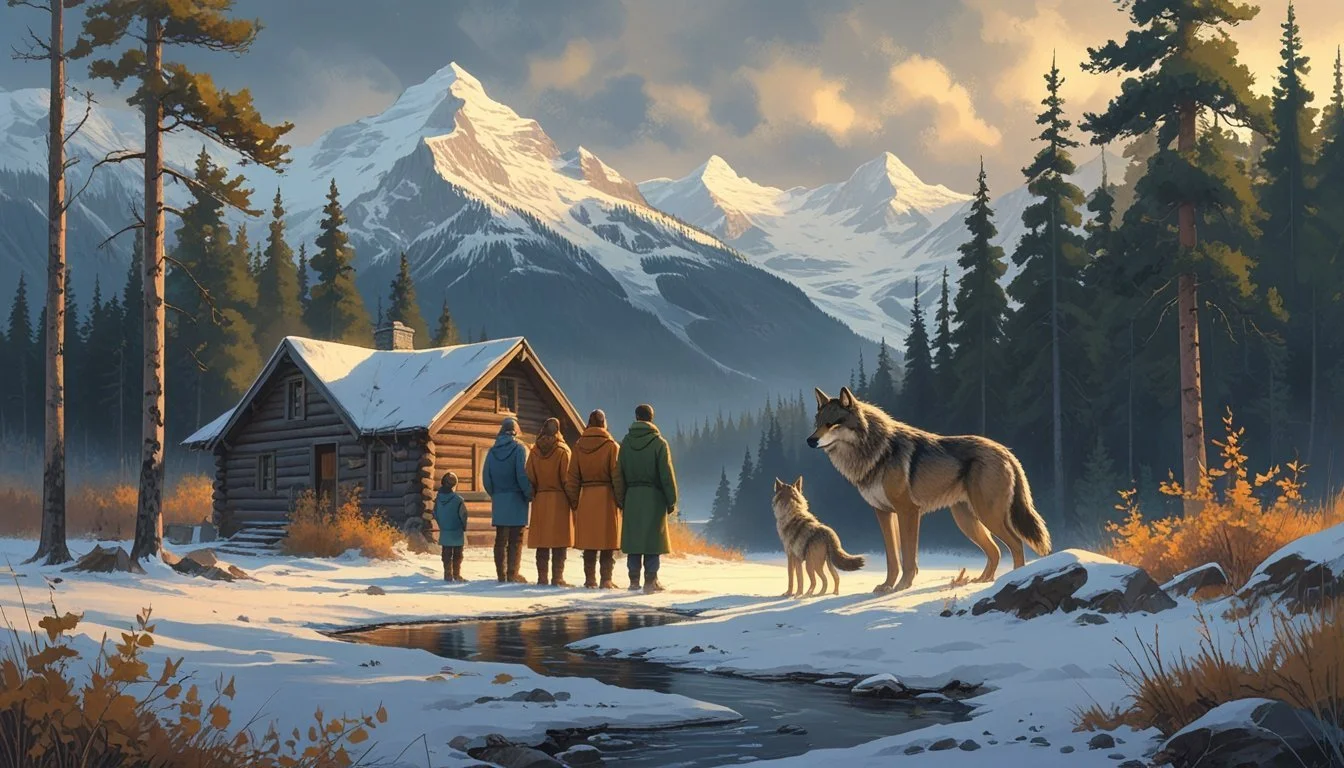
Billy Brown’s passing marked a turning point for "Alaskan Bush People," compelling the family to adapt while staying true to their unique identity. The Browns worked to preserve his ideals and legacy, while also facing new internal and external challenges as the “wolf pack” evolved.
Preserving Billy’s Vision
Billy Brown – known by fans as the driving force behind the “wolf pack” – emphasized independence, self-reliance, and living apart from modern conveniences. Since his death, each family member plays a role in upholding those ideals.
Ami Brown’s leadership became central. She guided her children through grief while keeping Billy’s philosophies alive. They continued building their off-grid homestead and honoring the show's original spirit by facing the wilderness with determination.
Events following Billy’s death, including major health challenges and shifting group dynamics, have tested their resilience. Despite disagreements and bouts of family drama, the Browns regularly reference Billy’s lessons and his vision, making his values a pillar for their ongoing journey.
Future of the Brown Family
The family’s future rests on maintaining unity while allowing for individual growth. Siblings have begun to explore their own paths—some taking on leadership roles, others stepping away from the spotlight, such as Matt Brown, who departed the show after season 8.
Key themes for upcoming seasons include navigating personal ambitions versus collective needs. The family’s “wolf pack” mentality continues, but with new interpretations by younger members. Some embrace modern adaptation while still valuing tradition.
Rumors and real struggles around health, relationships, and the family’s future plans provide both tension and intrigue. How the Browns balance their public personas, private lives, and Billy’s legacy remains central to the ongoing story.
Exploring New Ventures and Hobbies

Family members have taken up new interests and creative pursuits as a way to adapt after Billy’s death. These changes are visible in both hobbies shared on the show and personal passions outside the cameras.
Bam Bam Brown’s Passion for Photography
Bam Bam Brown’s interest in photography has become a major presence since his father’s passing. He is often seen capturing Alaska’s wilderness and documenting family milestones through his lens. Photography not only provides him with a creative outlet but also a way to preserve memories during a time of transition.
Bam Bam’s social media highlights his progress. He shares photographs ranging from landscapes to candid family moments, demonstrating improved skill and attention to detail. This passion connects him to nature and offers viewers a glimpse into both his personal healing and the changing family story. The act of photography also serves as a form of expression and comfort, creating a new narrative for the Browns.
Creative Pursuits in the Family
Other family members have gravitated toward a variety of creative activities, both in public and private moments. These new hobbies include painting, woodworking, music, and crafting, with each person finding their own space to grow.
Table: Notable Fan-Observed Hobbies Since Billy’s Passing
Family Member Hobby Bam Bam Brown Photography Rain Brown Painting Bear Brown Woodworking
By exploring these pursuits, the Browns establish routines and foster resilience. Creative hobbies are recommended by grief experts as ways to process pain and reconnect with joy, and for the family, they serve as both distraction and healing. The visible embrace of new and old talents helps them rebuild purpose and share hope with both themselves and the audience.
