
The Best Quotes Ever Said on Alaskan Bush People
Memorable Lines and Insights from the Show
The best quotes from Alaskan Bush People capture their unique way of life, resilience, and adventurous spirit in the wilderness of Alaska. These words reflect not just survival, but the family's close bond and their ability to find meaning in the challenges they face every day. From memorable one-liners about mud and peanut butter sandwiches to thoughts on time and freedom, the Browns’ sayings often highlight what life off the grid means to them.
Fans of the show appreciate the honesty and humor in quotes such as, “A day without mud is like a peanut butter sandwich without jelly,” and the reminder that “We don’t live on a clock; we have the freedom to do what we want.” These simple yet powerful statements offer a window into the mindset needed to thrive in Alaska’s remote landscape.
The quotes featured throughout Alaskan Bush People reveal the values that keep the family strong—respect for nature, courage in adversity, and the importance of togetherness. Whether tackling survival challenges or sharing lighthearted moments, the Browns’ words continue to resonate with viewers drawn to their extraordinary lifestyle.
Defining the Alaskan Bush People Experience Through Quotes
Through their words, the cast of Alaskan Bush People offer a direct look at the values and mindset that guide their lives in the remote Alaskan wilderness. Their quotes touch on resilience, family bonds, and the independent spirit needed to thrive in such an environment.
Famous Quotes from Alaskan Bush People
Billy Brown, the family patriarch, often summarized their way of life with honest, unembellished language. For example, he once said, “True happiness is found living off the land,” capturing his philosophy of finding fulfillment in simplicity and hard work.
Members of the Brown family have repeatedly stressed the importance of sticking together. Phrases like, “We may not have much, but we always have each other,” reveal how mutual support is at the heart of their daily survival.
These quotes are not just catchphrases for television. They highlight the show’s focus on the strong family bonds and collective effort that underpin life in Alaska’s untamed landscape.
Capturing the Spirit of Survival
The Alaskan Bush People face physical and emotional challenges unique to their remote lifestyle. Their words frequently reflect this resilient mindset.
Matt Brown once expressed a core philosophy: “When you live out here, every day is a test.” This attitude shows how survival in Alaska demands adaptability, determination, and courage, qualities viewers see in every episode.
Many quotes offer practical advice that resonates with fans. For instance, “Out here, you don’t wait for help. You solve the problem,” underlines a do-it-yourself mentality. This focus on practical solutions demonstrates their readiness to face uncertain situations.
Quotes collected from the family consistently point to an unwavering will to persevere, showcasing survival as an ongoing challenge embraced by choice, not circumstance.
Pioneering Life and Self-Reliance
The pioneering spirit is central to both the show and the family’s philosophy. Their statements are grounded in a tradition of self-reliance and forging a unique way of life far from modern conveniences.
Bear Brown’s words, “Normal has never been our thing,” speak to their openness to adventure and rejection of conformity. This sentiment reflects Alaska’s reputation as a haven for those seeking independence and personal challenge.
Another key idea drawn from their quotes is learning by doing. As Bam Bam Brown put it, “You figure things out as you go.” This pragmatic approach shows how experience and trial-and-error shape their skills and confidence.
Key Aspects Shown in Their Quotes:
Emphasis on resourcefulness
Value of family and teamwork
Daily adventures and learning opportunities
This perspective highlights the adventurous spirit that defines both Alaskan Bush People and the pioneering legacy of Alaska itself.
Connection to Nature: Wisdom from the Wilderness
The Brown family’s experiences reveal the meaning behind Alaska’s pristine wilderness and showcase daily life in close contact with abundant wildlife and unspoiled landscapes. Their lives speak to a deep connection with nature, emphasizing both harmony with the land and the responsibilities of the frontier ethic.
Living in Harmony with Untamed Wilderness
Living off the grid in the Alaskan wilderness requires constant adaptation to nature’s demands. The Browns respect the unpredictable climate, moving in rhythm with the midnight sun and the long, dark winters. Their days are shaped by sunrise over snowy peaks, gathering food, and watching for wildlife.
Wilderness encounters are everyday events, whether observing caribou at dawn or viewing the aurora borealis on clear nights. The family’s respect for Alaska’s natural beauty influences every decision, from where to build a cabin to when to hunt or fish. For them, wilderness is not just a backdrop but a partner in survival.
Their attitudes reflect a belief that solitude in the wild can heal and inspire. Rather than conquering nature, they find fulfillment in learning from it and honoring its power.
Lessons from Alaska’s Rugged Beauty
Alaska’s rough terrain and dramatic landscapes shape the wisdom passed down by the family. Peaks like Denali, rolling tundra, and old-growth forests become classrooms for self-reliance and creativity. The Browns often quote that “true fulfillment comes from living off the land”—a sentiment rooted in their everyday routine.
The pristine wilderness pushes them to solve problems independently and value each resource. The presence of abundant wildlife reminds them to remain observant and cautious. Evenings spent beneath the northern lights foster reflection and appreciation, reinforcing their bond with the land.
Adapting to the extremes of Alaska turns challenges into lessons. These experiences become guidance for nature lovers seeking to find purpose in the simplicity and trials of wild places.
Preserving the Frontier Ethic
Frontier ethic defines the family’s approach—balancing freedom with stewardship. They see themselves as caretakers of the wilderness, mindful of the impacts every action leaves on Alaska’s pristine landscapes.
Wilderness preservation is not an abstract concept but a set of practiced values. The Browns model sustainable behaviors: limiting waste, respecting wildlife, and passing down skills for responsible living amid natural abundance.
Emphasis on continuity means traditions are preserved and adapted for future generations. The family demonstrates that living on the edge of civilization offers a chance to uphold the dignity of both people and place, ensuring Alaska’s natural beauty endures.
Adventure and Exploration: Quotes on Discovery
Alaskan Bush People often speak about adventure as a necessary path to growth and self-discovery. Their words capture what it means to live in the “Last Frontier,” balancing risk and promise in every moment.
Embracing Adventure on the Last Frontier
Adventure in Alaska is more than a concept—it is a way of life for the Brown family. Bear Brown’s saying, “Adventures are the best form of freedom,” expresses the spirit of seeking out new experiences in the wild. Their approach shows that the challenges of nature can offer both struggle and liberation.
Living off the grid means facing the unknown. Quotes from the family remind viewers that each journey into Alaska’s wilderness demands courage and flexibility. As they build cabins or navigate forests, their language often returns to the theme of embracing uncertainty.
The Browns reflect the belief that Alaska, often called “The Great Land,” pushes individuals into extraordinary acts of resilience. Their stories connect to many famous Alaska quotes that celebrate exploration as a central part of life.
Dreamers and Explorers
The series highlights dreamers—people who turn visions into reality despite Alaska’s harsh climate. Members of the Brown family express a deep connection to dreams as fuel for their journey. They use phrases that emphasize the importance of imagination and the willingness to chase what others might see as impossible.
Lists and conversations from the show often underscore that exploring Alaska is about more than physical travel. It is about exploring the limits of one’s own endurance and creativity.
Quotes such as, “Respect the Danger,” or, “Quite smart, quite strong,” come from moments when inner dreams intersect with the realities of nature. The family’s commitment to exploration shapes their identity as true Alaskan dreamers.
Moments of Transformation
Many quotes from Alaskan Bush People detail the transformative power of living in Alaska. The wilderness is presented not only as a setting but as a force that shapes character and perspective. As the Browns face challenges, they describe how every obstacle becomes a lesson.
One of the show’s recurring ideas is that exploration is not only about discovering new land, but also discovering new aspects of oneself. Short, direct statements from the family illustrate this idea: Growth happens in the wild, and, You find out what you’re made of when the snow comes.
The characters’ experiences show how adventure on the Last Frontier brings about personal change. Facing Alaska’s unforgiving environment leads to strength, humility, and a renewed sense of purpose. Their words serve as examples of how the extraordinary setting offers lasting transformation.
Resilience and Adaptation in Extreme Conditions
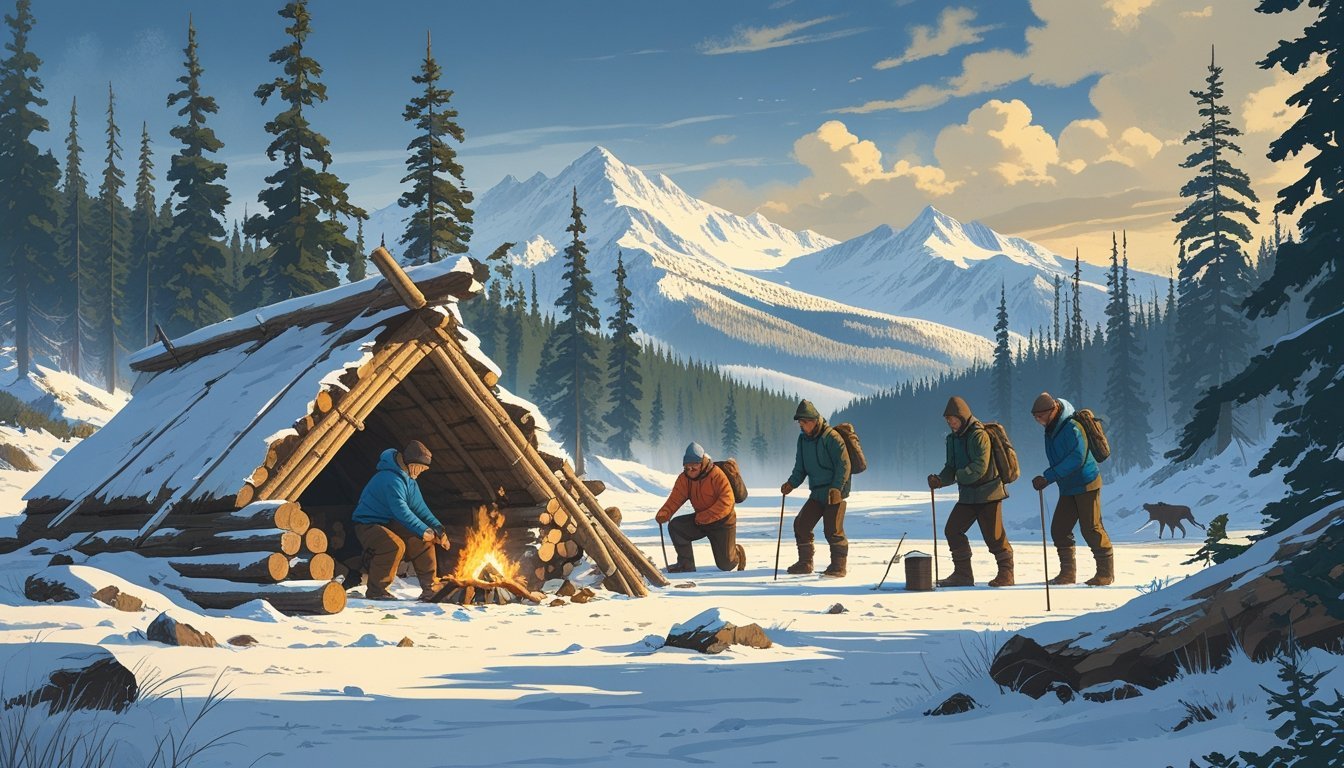
Resilience in the Alaskan bush is defined by a unique ability to adapt, survive, and thrive in conditions few others ever experience. Survival depends not only on specific skills but also on a mindset focused on self-reliance, resourcefulness, and respect for the environment.
Surviving Alaska's Harsh Environment
Alaskan Bush People face some of the coldest temperatures, heaviest snowfalls, and longest winters in North America. The threat of blizzards, unpredictable wildlife, and isolation require families to be constantly prepared.
Daily life involves gathering firewood, fishing, hunting, and building shelters before freezing weather sets in. Simple mistakes—like letting wet clothes freeze or underestimating a snowstorm—can mean genuine danger.
The environment shapes a unique way of life where self-sufficiency isn't just preferred but required. As a result, these communities often follow the old saying: “In the bush, you don’t wait for help—you make your own way.”
The Power of Adaptation
Adaptation is central to survival. The Alaskan Bush People constantly modify tools, shelters, and routines in response to the changing seasons.
When resources are scarce, they substitute materials—such as using driftwood for building or trading fish for supplies. Ingenuity helps them tackle problems with what is on hand. Flexibility becomes a survival skill almost as critical as hunting or fishing.
The ability to shift strategies—like changing hunting grounds or finding new water sources—shows how adaptation turns struggle into opportunity. As one proverb goes: “The more you bend, the less you break in the wild.”
True Stories of Strength
Families in the bush often tell stories of hardship that test their strength and unity. After a sudden snowstorm, some have survived for days by rationing food and using every scrap of clothing for warmth.
There are accounts of building temporary shelters from nothing but branches and tarps and using centuries-old fire-making techniques to outlast bitter cold. Resilience is often demonstrated by returning to rebuild after a disaster, undeterred by loss.
These stories, passed down as lessons, reinforce the value of perseverance and the power of community. For Alaskan Bush People, strength isn’t in avoiding struggle—it’s in meeting it head-on with courage and self-reliance.
Community, Family, and Mutual Support
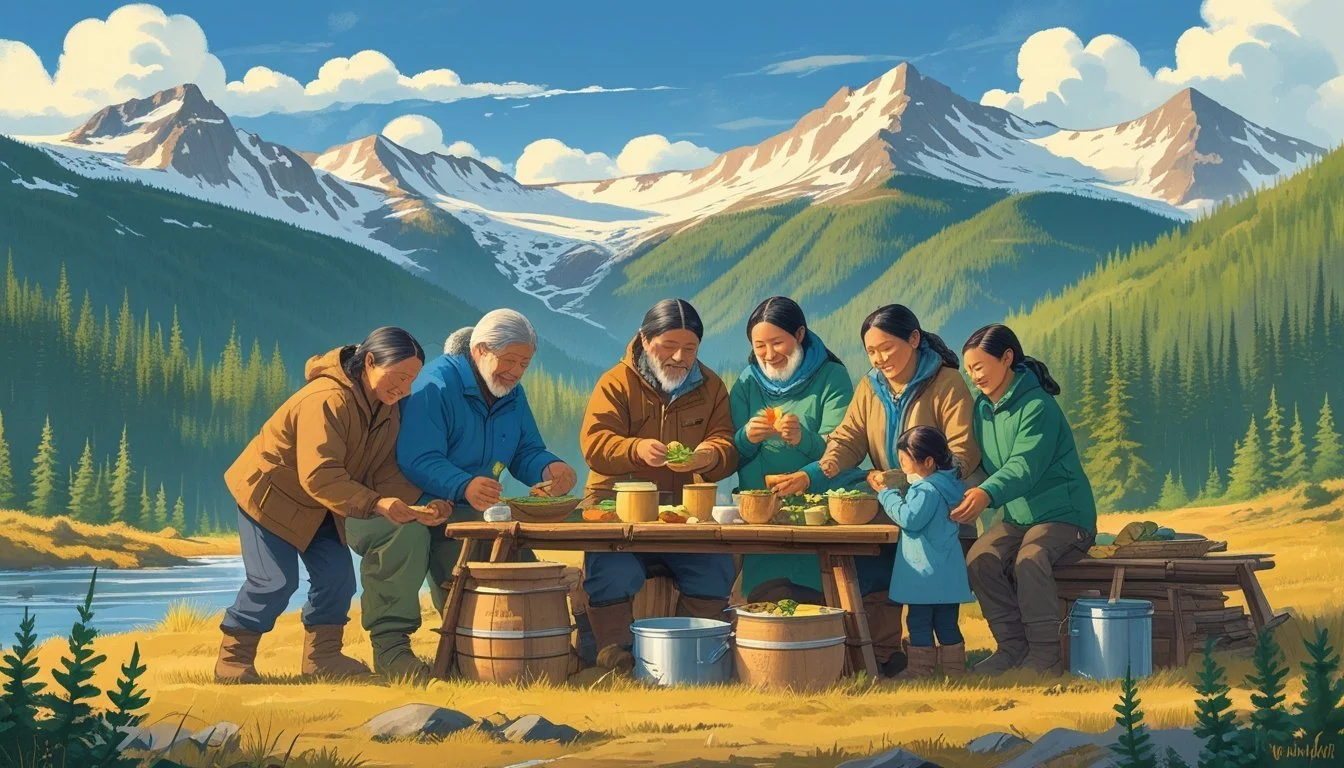
Life in Alaska’s remote wilderness requires a firm reliance on family bonds and cooperation. The Alaskan Bush People show that shared responsibility and unity matter when facing both daily challenges and unexpected hardships.
Strong Family Bonds
The Brown family consistently highlights the importance of family as both a foundation and a source of strength. Living far from modern conveniences, they rely on each other for basic needs, emotional support, and survival itself. Each family member plays a distinct role, ensuring that tasks like hunting, building, and gathering are shared.
Family sayings such as, "We survive together or not at all," reflect their approach to obstacles. This reliance is not only practical but also forms the emotional center of their life. Celebrations, problems, and even minor tasks are communal efforts—building a sense of belonging and security in a world where self-reliance is essential.
Table: Examples of Family Roles in the Bush
Role Typical Tasks Parent Guidance, decision-making Older Sibling Leadership, teaching skills Younger Sibling Learning, supporting tasks
Building Community in Isolation
The Alaskan Bush People often face extended periods without contact from outsiders. Community, for them, means forging strong internal connections and cultivating mutual trust. In such isolation, support networks must be maintained from within, and success often depends on how well they work together.
Shared work such as building shelters or preparing for winter encourages cooperation. When a crisis arises, like injury or shortages, their system of mutual support becomes critical. This shared hardship fosters a deep respect for the contributions of each family member and underscores the value of community as a key part of their way of life.
Lists of communal living principles often cited by the Alaskan Bush People include:
Help each other before asking for help from outside
Share resources fairly
Always communicate openly
Cultural Perspectives and Indigenous Wisdom
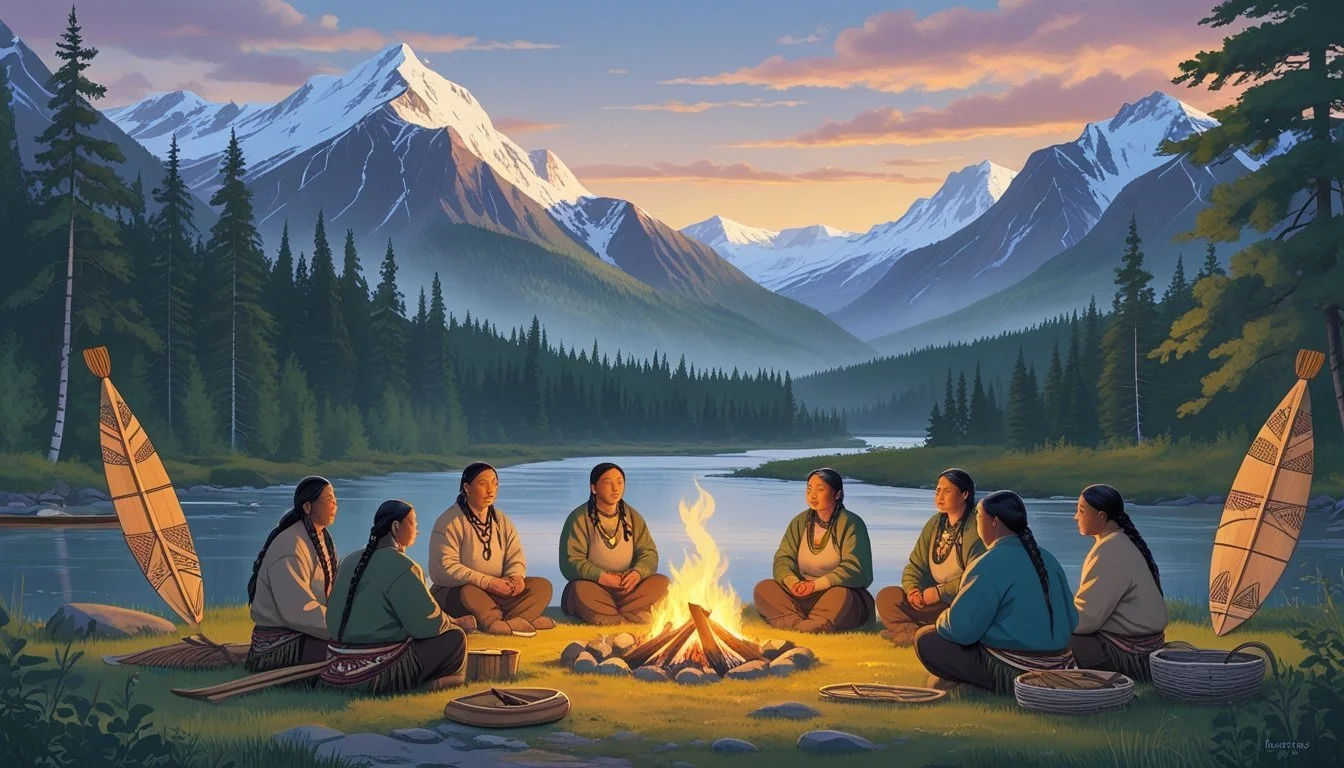
Alaska’s history is deeply shaped by indigenous communities, whose values and insights continue to influence local culture. Many proverbs and traditions stress the importance of respecting nature and relying on communal knowledge for survival and well-being.
Indigenous Cultures and Proverbs
Indigenous peoples in Alaska, such as the Iñupiat, Yup’ik, Tlingit, and Athabascan, hold a wealth of proverbs that communicate survival skills, community values, and respect for the environment. These sayings are not only practical but also reflect a deep sense of interconnectedness with the land and its creatures.
For example, the phrase “The earth does not belong to us; we belong to the earth” is commonly referenced to express humility and stewardship. These proverbs often use direct, simple language that conveys rules for living responsibly within the harsh and beautiful Alaskan wilderness.
Stories and sayings are passed from one generation to the next, ensuring that wisdom is always available. Gratitude for what nature provides and sharing resources are recurring themes found across many Alaska Native languages.
Lessons from Alaska’s Native Heritage
Alaska’s indigenous wisdom emphasizes sustainable living and a balanced approach to natural resources. The idea that “what we take from the land, we must give back” shows how traditional communities avoid overexploitation.
Hunting, fishing, and gathering are done with an awareness of the limits imposed by nature. Seasonal cycles and animal migrations are respected, forming the basis for many community rules and stories.
Table: Key Principles from Alaska Native Wisdom
Principle Description Respect for Nature Treat the land and animals with care Gratitude Appreciate resources and share with the community Interconnectedness Recognize the ties between people, environment, and spirit
Storytelling remains important, acting as both education and social glue within villages. These lessons continue to influence how Alaskans approach conservation and daily life in remote areas.
Natural Beauty and Awe-Inspiring Landscapes
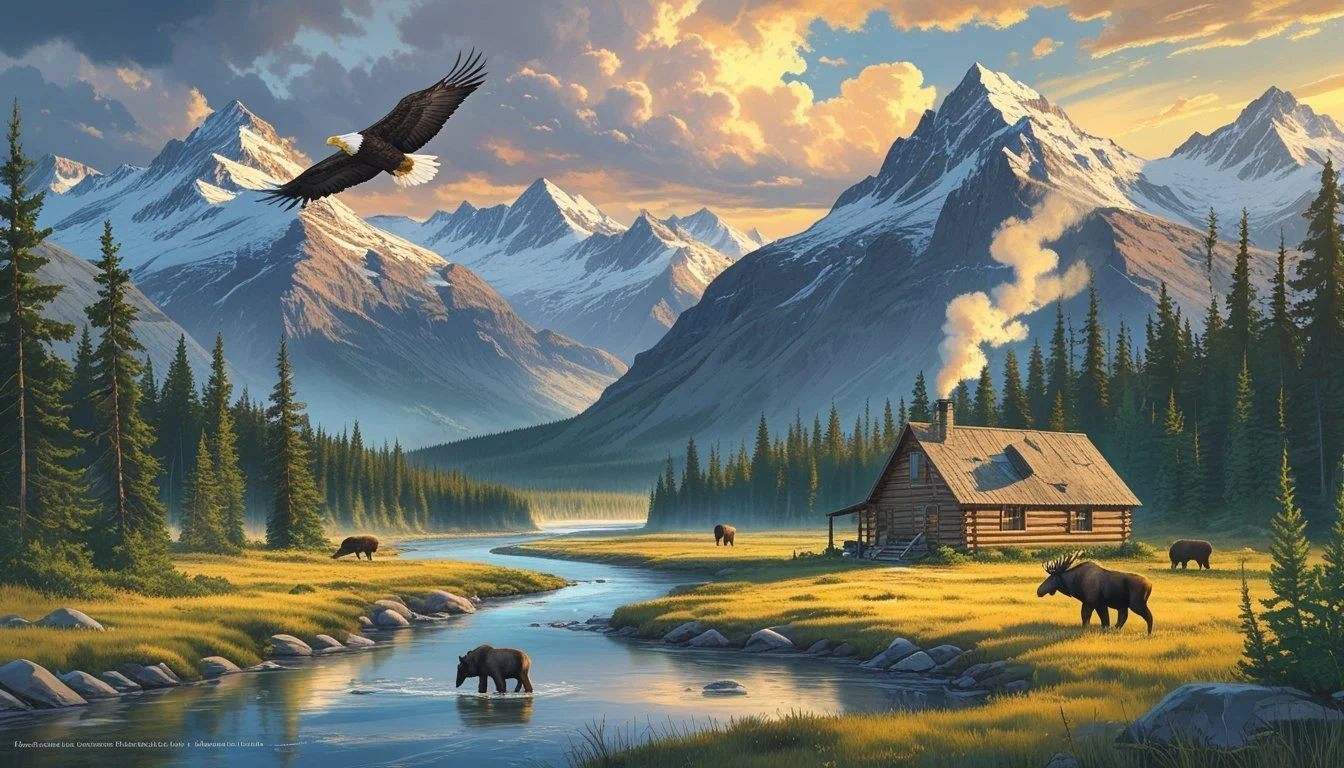
Alaska’s rugged terrain and dramatic weather have shaped not only its landscapes, but also the perspectives and words of those who call it home. Viewers of Alaskan Bush People often remark on the sheer magnitude and isolation that define daily life for the Brown family.
Marvels of Alaska’s Wilderness
No other American wilderness matches the raw, unfiltered experience of Alaska’s backcountry. Towering spruce forests, expansive tundras, and crystal-clear streams are a constant theme in “Alaskan Bush People” quotes. Cast members often comment on the “untamed wilderness” and the “pristine beauty” that surround them.
It is not uncommon for the family to observe the silence broken only by distant wildlife. They share thoughts on the importance of living amidst such grandeur and the peace that the isolation of the bush allows. The Brown family’s remarks capture the tension between challenging conditions and the gratitude for unhindered access to pure, wild land.
Many quotes reference the clear night skies illuminated by the aurora borealis. The Northern Lights, as described by cast members, inspire both awe and humility. Their words frequently emphasize that Alaska’s beauty is as much about feeling small in the face of nature as it is about the view itself.
Iconic Landmarks in Quotes
References to Denali, North America’s tallest mountain, appear as symbols of perseverance and strength. The family uses Denali and other ranges as metaphors in their conversations, describing challenges as “mountains to climb” and victories as “reaching the summit.”
The “midnight sun” of an Alaskan summer is described not just as a curiosity, but as a gift—allowing for long days of work or exploration. Quotes from the family and show narrators highlight unique places like Alyeska, Juneau, and Anchorage, each noted for their distinctive roles in Alaskan life.
Notable moments include remarks about standing on a ridge overlooking the vast landscapes, or crossing snowfields under constant daylight. Regular mention is made of the feeling of being on the edge of civilization, surrounded by nature that is both breathtaking and indifferent. The words chosen by the cast convey deep respect for Alaska’s enduring beauty and the ever-present power of its land.
Practical Wisdom and Life Lessons
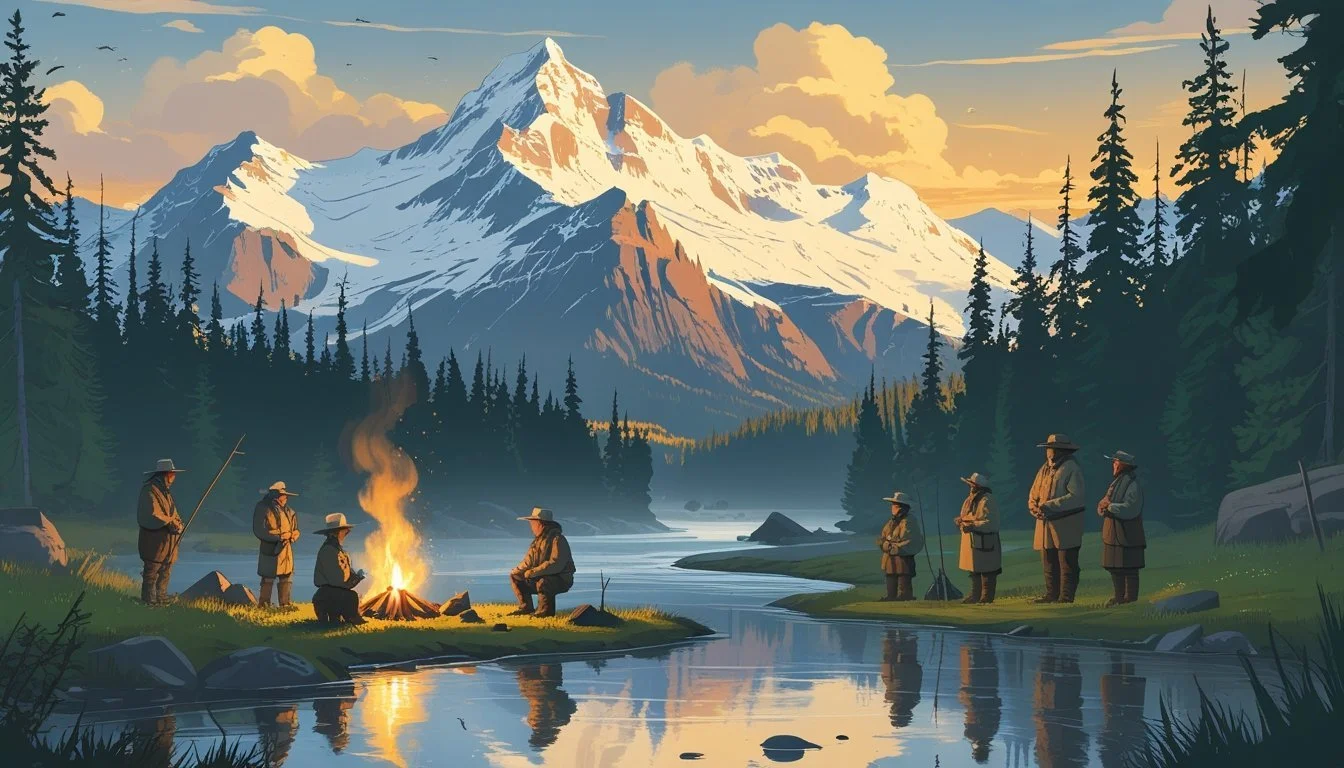
Many memorable quotes from Alaskan Bush People contain practical advice for facing Alaska’s unique challenges. These lines reflect the family’s daily strategies for survival and the wisdom passed through generations in the bush.
Everyday Sayings and Advice
The Browns often repeated phrases that capture both the spirit and reality of bush life. One well-known Alaska saying, “Fish or cut bait,” encourages quick decision-making and personal responsibility.
Another memorable line, "Into the wild is the only way to live," highlights how embracing the environment is central to survival. These phrases honor the need for adaptability and a willingness to act when opportunities or difficulties arise.
Locals also say, “North to the Future,” which expresses optimism about life in Alaska despite hard conditions. Through quips and classic one-liners, the family reinforces the idea that life in the bush rewards courage, clear thinking, and the ability to find opportunity in every moment.
Practical Tips for Bush Living
Practical advice and survival skills are frequent topics on the show. The Browns share step-by-step methods for building shelters, collecting firewood, and fishing with minimal resources.
A common lesson focuses on resourcefulness: “Use what you have, where you are.” Creating solutions from available materials—such as turning scrap into tools—represents a core bush value. They emphasize food preservation, water purification, and navigation skills to handle various challenges.
Some episodes feature Alaska puns and jokes, making serious lessons more memorable. For example, sayings about “surviving another cold snap” serve as both warnings and encouragements, blending humor with survival tips. These lessons reflect the realities of daily bush living rather than romanticized versions of off-grid life.
Pop Culture Impact and Social Media Captions
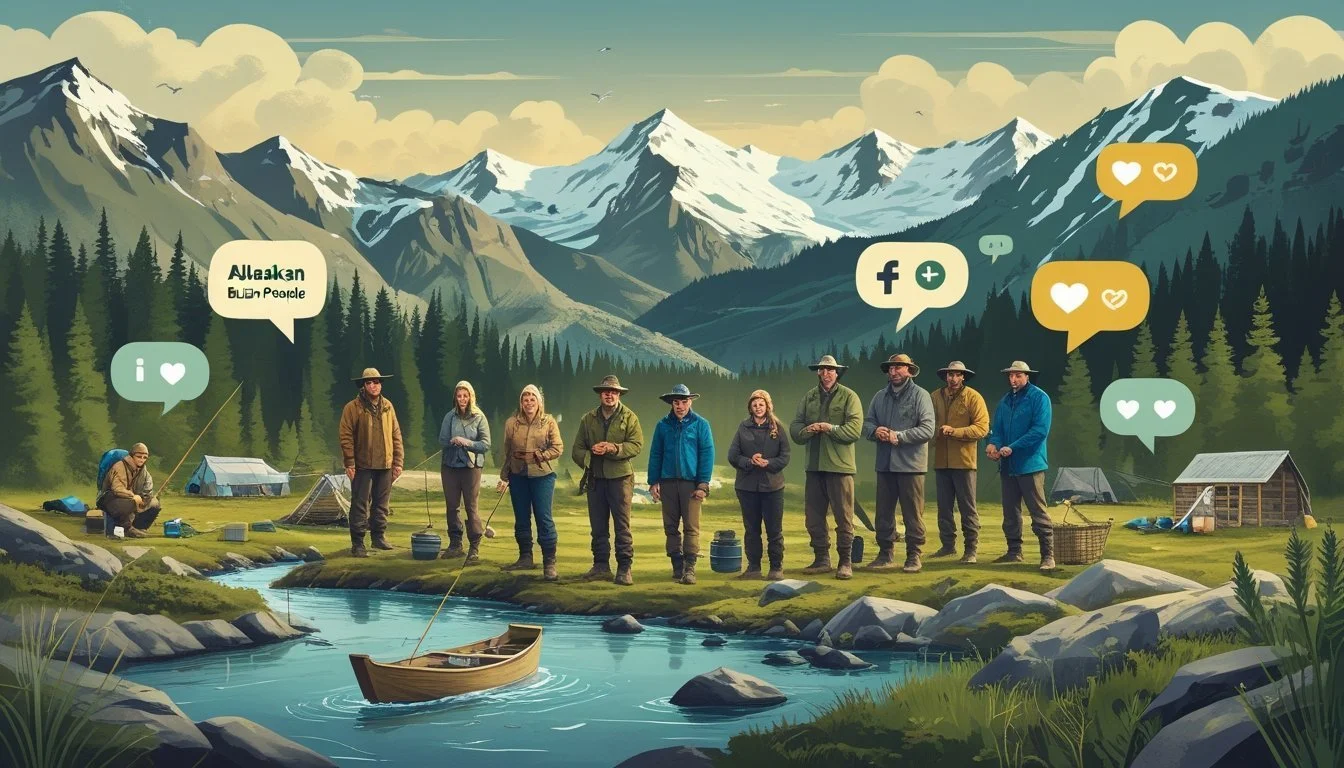
Alaskan Bush People has influenced pop culture with its unique blend of family wisdom, rugged Alaskan philosophy, and memorable one-liners. Many of these quotes and sayings have migrated onto social media, helping fans express everything from adventure to humor with a distinct Alaskan flavor.
Popular Social Media Sayings
Instagram and TikTok are full of captions inspired by Alaskan Bush People, capturing the wild spirit of the show and the state itself. Common social media captions include:
"Living my best bush life."
"Raised by the wild, thriving in the wild."
"Not all classrooms have four walls—some have mountains."
These short phrases pair well with adventure or nature photography, especially photos taken in remote areas or snowy landscapes. Fans often use #AlaskaVibes and #BushWisdom to connect with others who appreciate life off the grid.
A table can help organize preferred social media captions:
Caption Ideal Use Wild at heart, Alaska on my mind Travel photos Surviving, thriving, loving the wild Family/adventure posts Hunt, fish, repeat Outdoor activity shots
Viral Alaska Quotes and Puns
Many lines from Alaskan Bush People have become viral due to their authenticity and humor. Puns like "Feeling ice-solated in Alaska" or "Kodiak moments only" are popular on Twitter and among meme creators.
Quotes about Alaska itself—such as "Alaska is not just a place, it's a way of life"—are often reused in travel blogs and meme pages. Alaska puns are especially common in comments and stories, including:
"Alaska: Where the bears have Wi-Fi and the snow never judge."
"You had me at moose."
These sayings work well as stickers, Instagram stories, and even profile bios. They highlight both the challenge and charm of a life spent in the far north, making them favorites among fans and outdoor enthusiasts.
