
The Brown Family’s Best Builds Across Alaskan Bush People Seasons
A Look at Their Most Impressive Projects
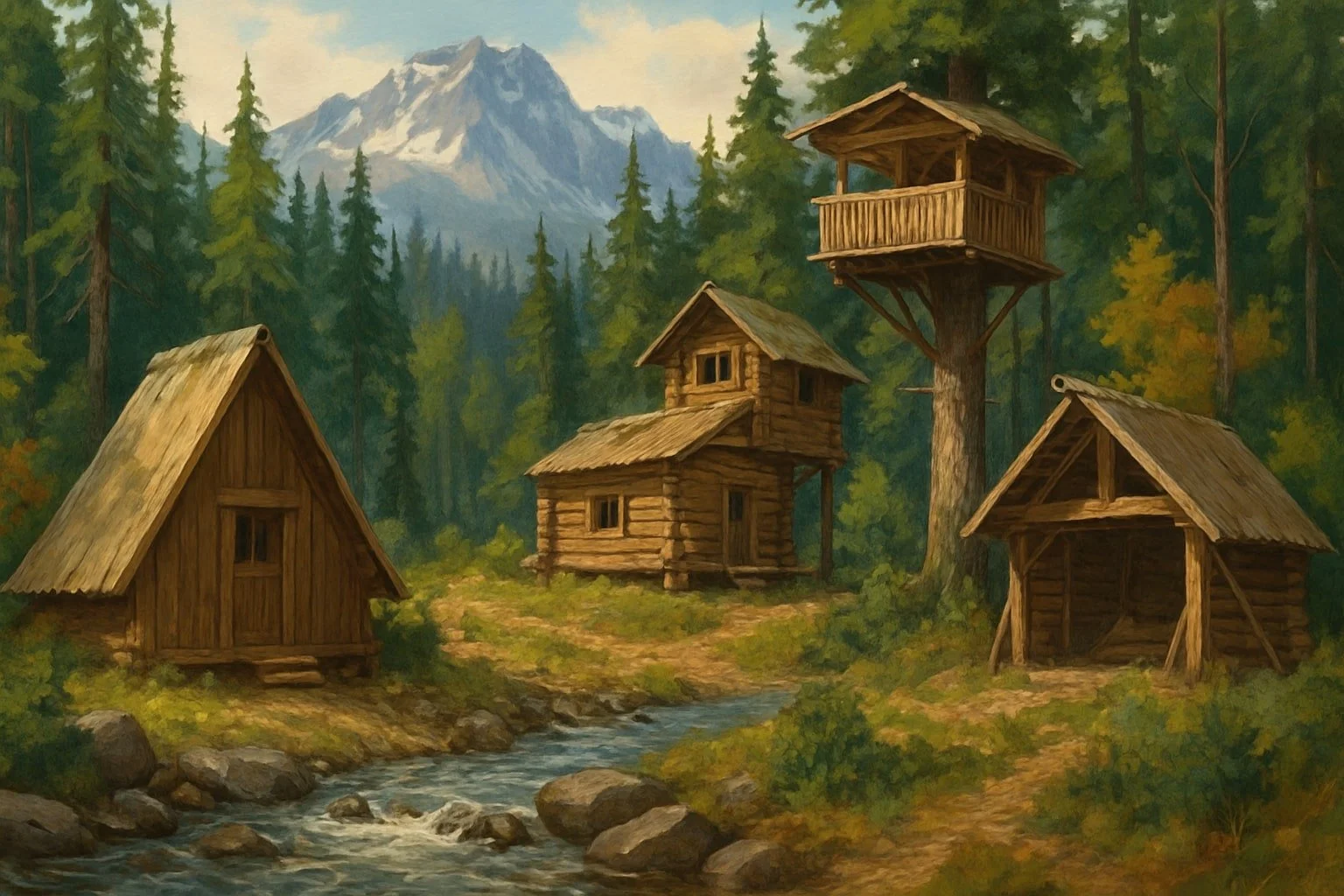
For many fans of reality TV, the Discovery Channel’s Alaskan Bush People stands out for its focus on the Brown family’s survival skills and unique off-grid lifestyle. The family’s ingenuity shines through their most memorable builds, from rugged cabins and treehouses to homemade boats, all designed to handle Alaska’s harsh conditions.
Each season, viewers watch as the Browns tackle new construction challenges, often relying on limited tools and local resources. These builds not only highlight the family’s teamwork and creativity but also underscore their commitment to a self-sufficient way of life in the wilderness.
By exploring the best builds featured across Alaskan Bush People, readers can appreciate the resourcefulness and determination that have become the Brown family’s hallmark on the series.
Overview of the Brown Family’s Journey
The Brown family’s time on "Alaskan Bush People" is marked by their strong bonds, dramatic adaptations to wilderness living, and relocation from Alaska to Washington. Their adventures involved strict self-reliance, regular struggles with unpredictable nature, and a deep commitment to family unity.
The Wolfpack’s Unique Family Dynamic
The Brown family, often called the "Wolfpack," consists of Ami and the late Billy Brown and their seven children: Matt, Bam Bam (Joshua), Bear, Gabe, Noah, Bird, and Rain. Each member played a different role in the family’s rural survival.
They emphasized teamwork, with each child learning skills necessary for off-grid living. The nickname "Wolfpack" reflects their belief in sticking together under pressure.
Despite challenges, the Browns demonstrated strong loyalty, often making decisions collectively. The family dynamic set them apart from other reality TV families by focusing on cooperation over individual pursuits.
Many viewers became invested in their relationships, especially as they navigated leadership changes, health issues, and the need for resilience in harsh surroundings.
Life in Alaska and Relocation to Washington
The Browns originally lived in the remote forests around Hoonah on Alaska’s Chichagof Island. Their early seasons focused on building homemade cabins and crafting tools from salvaged materials, emphasizing survival skills unique to the Alaskan wilderness.
Alaskan winters were severe and isolation was intense, shaping their daily routines and seasonal builds. Living off the land required ingenuity, especially with few outside resources.
Due to health concerns for Ami Brown and property issues, they eventually relocated to rural Washington State. The move brought new terrain and required the Wolfpack to adapt their building techniques for a milder but still challenging environment.
Homes in Washington integrated lessons learned in Alaska but benefited from closer proximity to supplies and somewhat more predictable weather.
Dealing with Off-Grid Challenges
Living off the grid presented technical and emotional challenges for the family. Key obstacles included unpredictable weather, limited access to food, and the pressure of maintaining functional shelters.
Building reliable structures meant accounting for heavy snowfall, high winds, and sometimes, bear encounters. The Browns frequently repaired or redesigned their homes to adapt to new threats and materials.
Their off-grid life also caused social challenges—minimal contact with nearby communities and difficulty accessing modern healthcare. This isolation required them to become highly resourceful and self-sufficient.
Overcoming these challenges became central to the show’s appeal, with viewers watching the Wolfpack solve practical problems together using creativity and persistence.
Defining the Brown Family’s Off-Grid Builds
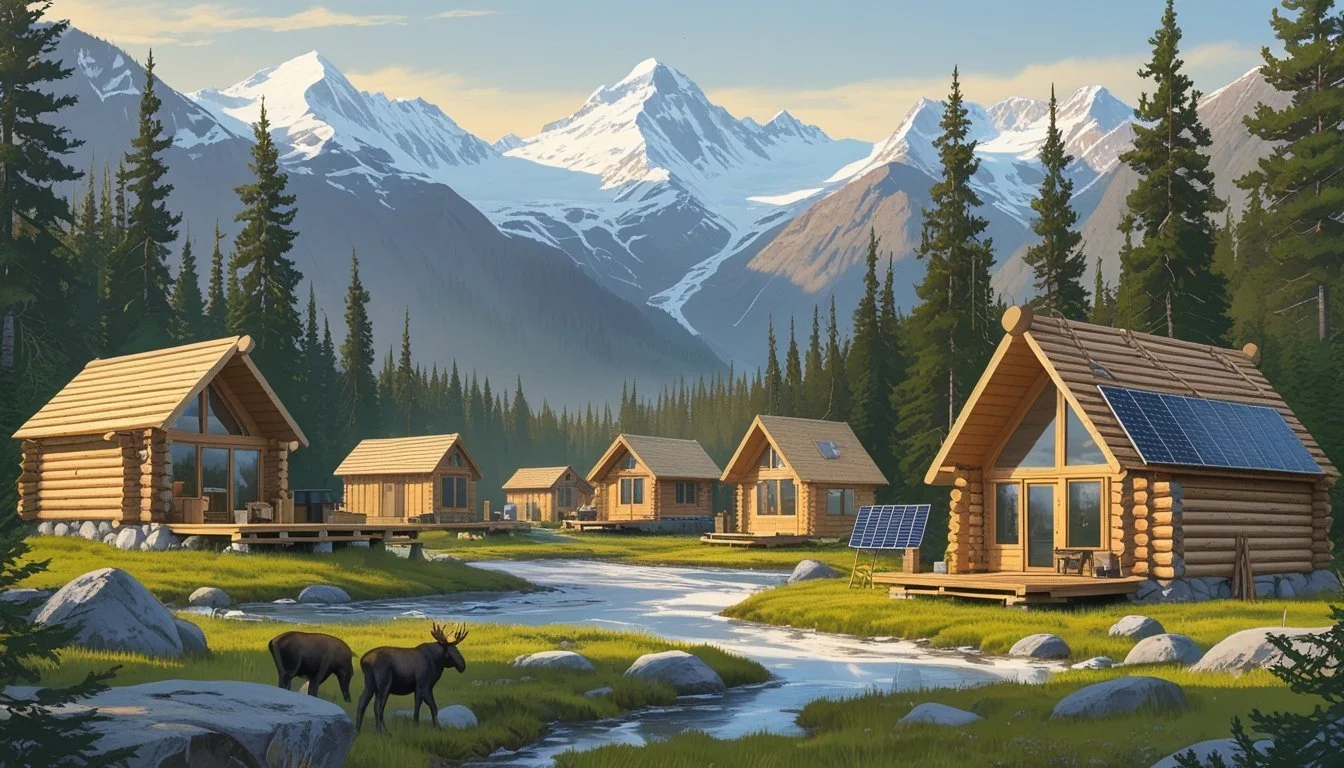
The Brown family’s approach to construction emphasizes adaptability, practical skills, and the ability to make the most of natural resources available in the wilderness. Their projects center on survival needs, comfort, and sustainability for long-term off-grid living.
Cabin Construction and Innovations
Building weather-resistant cabins from scratch has stood at the core of the Brown family’s off-grid lifestyle. Using hand-cut logs, reclaimed wood, and local stone, they designed shelters that could endure harsh Alaskan winters and later mountain weather in Washington.
Throughout the seasons, the family improvised with the tools they had, often relying on manual labor and teamwork instead of heavy machinery. Notable innovations included insulated roofing from foraged materials and windows crafted from repurposed glass to maximize daylight and conserve heat.
Each cabin build demonstrated adaptability—some structures were built on stilts to avoid flooding or snow buildup, while others featured wood-burning stoves for off-grid heating. These choices reflect their commitment to resourcefulness and self-reliance in the wilderness.
Self-Sufficiency Structures
Self-sufficiency was critical for survival, so the Browns prioritized outbuildings that supported food preservation, water sourcing, and livestock care. Root cellars, smokehouses, and simple greenhouses allowed them to store and grow food year-round.
Key features included:
Smokehouses constructed from salvaged metal and wood for preserving fish and meat.
Hand-dug wells and gravity-fed water systems tailored for remote environments.
Functional barns made from on-site timber for housing livestock and storing feed.
Each addition underscored their survival skills—favoring simplicity and durability in every design choice. They often repurposed as much material as possible, demonstrating a waste-not mindset integral to off-grid living.
Survival-Focused Installations
The Browns installed off-grid utilities and features to increase their chances of thriving in unpredictable wilderness. Firewood storage racks, emergency shelters, and hand-built fencing provided extra security and convenience.
Examples of survival-focused installations:
Rain collection systems assembled from barrels to secure water during dry spells.
Outdoor cooking stations created using stone and metal scrounged from the land.
Perimeter fencing built to deter wildlife and protect their food supply.
By prioritizing survival essentials, the Browns revealed a deep understanding of off-grid challenges. Their practical solutions highlight how careful preparation and ingenuity help maintain a functional wilderness lifestyle.
Iconic Builds by Season
The Brown family’s projects on Alaskan Bush People have ranged from simple cabins to complex structures, reflecting their adaptive skills and changing environments. Highlighted below are some of their most notable achievements and innovative developments as seen across several key seasons.
Landmark Projects Seasons 1-5
During the early seasons in Hoonah, Alaska, the Browns established Browntown—an essential homestead built from locally sourced timber. This camp included several wooden cabins designed for each family member, along with communal areas.
One of their standout projects was the family’s first group shelter, which set the foundation for future construction. They also developed smokehouses and outhouses, focusing on practical survival needs.
Table: Notable Early Structures (Seasons 1-5)
Structure Purpose Location Browntown Cabins Family housing Hoonah, Alaska Smokehouse Food Preservation Near main camp Outhouse Sanitation Behind cabins
Projects were often completed with limited tools, emphasizing creativity and resourcefulness.
Major Innovations in Season 8
By season 8, the Browns moved to Washington, bringing new challenges and opportunities. Here, they embarked on their largest builds yet, such as a multi-level main house designed to withstand harsher climates.
They introduced more advanced techniques and materials, contrasting with the early rustic approach in Alaska. Notably, the family constructed a barn for livestock and a greenhouse, demonstrating a shift toward semi-permanent infrastructure.
Technical skills improved, especially as the family adapted to new terrains and weather conditions. These projects signaled a turning point for the ABP homestead, blending tradition with new ideas and setting the groundwork for later seasons, including those filmed in season 11 and season 12.
Washington State Era: New Builds and Ranch Expansion
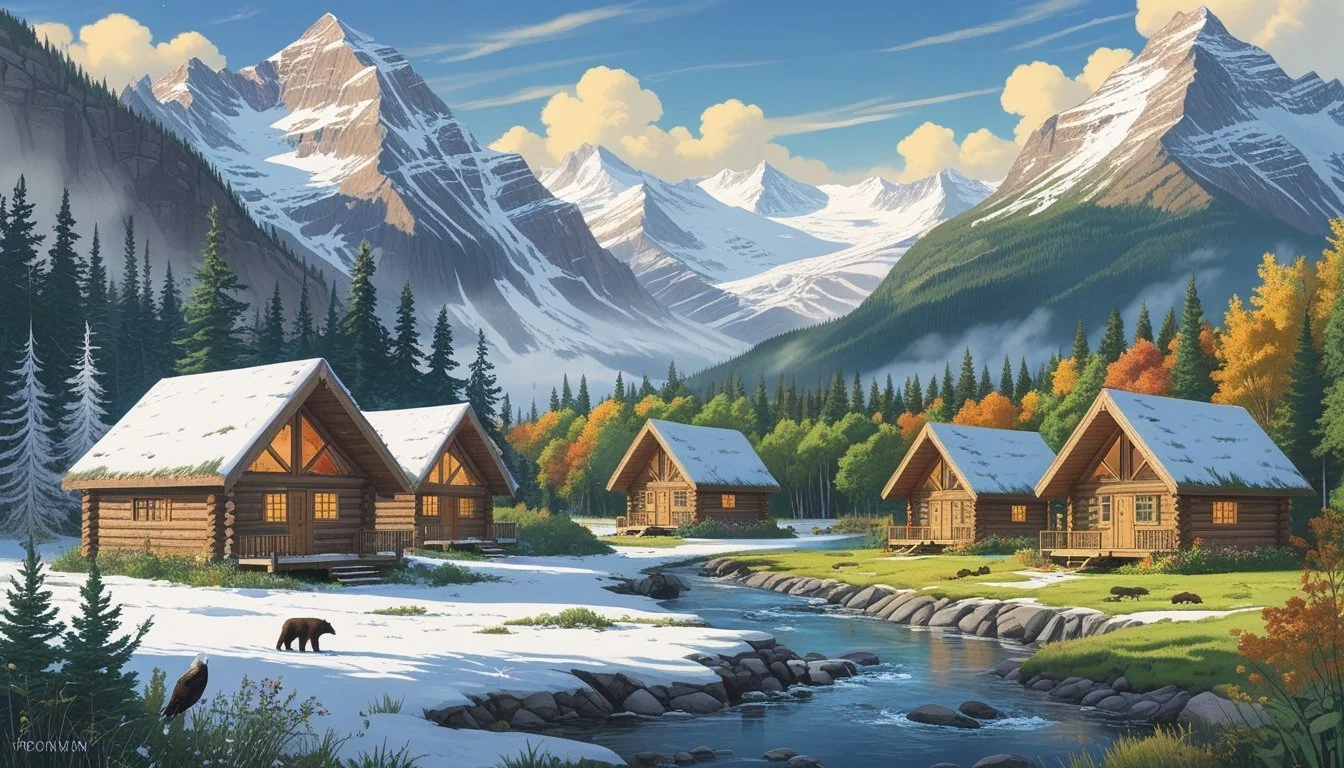
After leaving Alaska, the Brown family moved to their new property in Washington state. Their efforts shifted toward developing North Star Ranch, which became a major focus in recent seasons and introduced viewers to a set of new challenges and construction projects.
North Star Ranch Developments
Upon relocating, the family purchased over 400 acres in the Tonasket area, establishing what they named North Star Ranch. This property became the setting for ambitious building efforts as they sought to create a sustainable homestead from the ground up.
Key builds have included cabins for individual family members, new animal enclosures, and communal spaces. The ranch’s vast size allowed for multiple independent structures, making layout planning a central part of their work. The Browns built a barn, chicken coops, and installed fencing to hold livestock.
A table of notable builds:
Structure Purpose Family Member(s) Main house Family gatherings, living Ami, Billy Individual cabins Personal space Each sibling Barn/Enclosures Animal management All
The expansion was ongoing, with new projects each season as the family adapted and the ranch evolved.
Adaptations to a New Environment
Washington’s climate and terrain presented challenges very different from rural Alaska. The Browns dealt with forest fires, unpredictable weather, and steeper, more rugged land.
Construction required new materials and building techniques. Structures were built to withstand heavy rain and wind, and the family learned to integrate local resources, like nearby timber, into their projects.
They also adjusted ranch layouts to suit Washington’s landscape, spacing out builds to maximize safety and utility. Fencing and water systems were redesigned for the new property, showing their ability to adapt skills developed in Alaska to the demands of their Washington home.
Member Contributions to the Best Builds
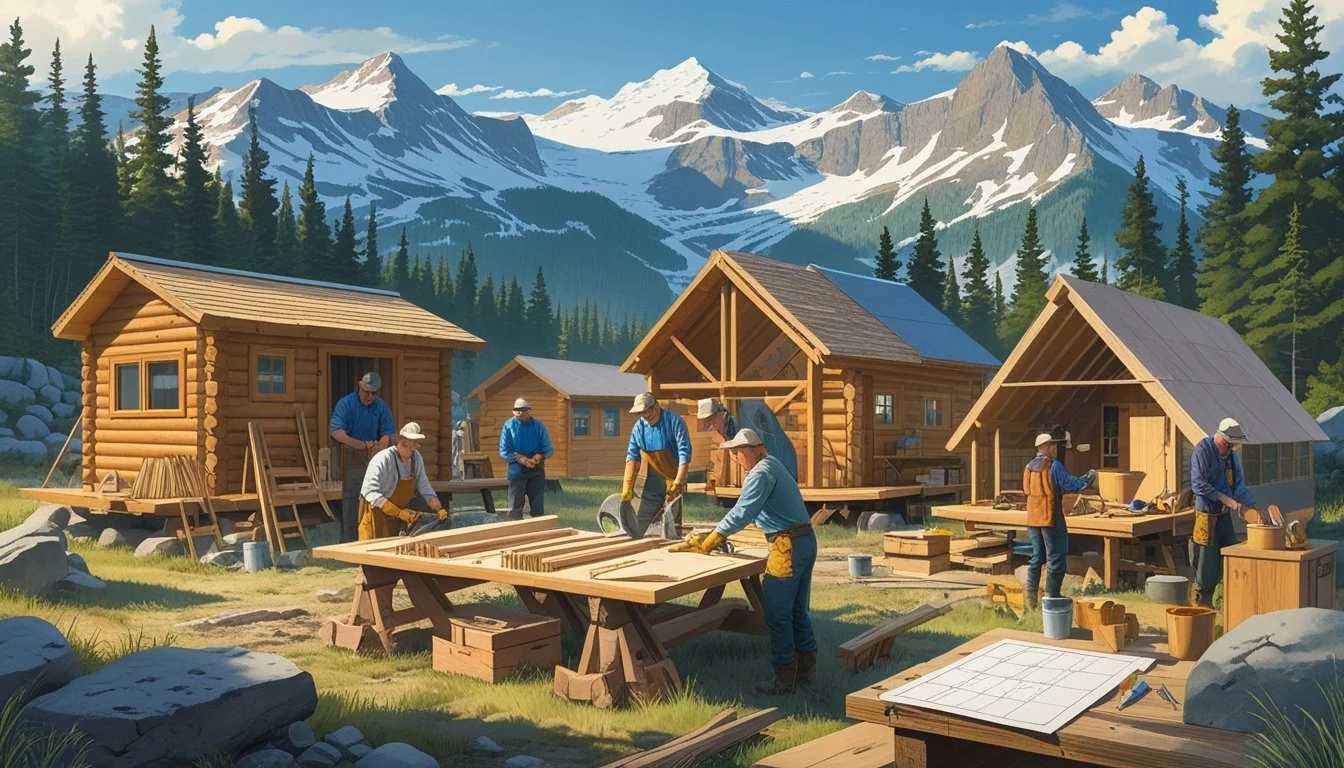
The Brown family's most impressive builds were made possible by combining vision, technical know-how, and a willingness to adapt. Each family member contributed unique strengths, resulting in projects that often required both creativity and practical skill.
Billy Brown’s Vision
Billy Brown provided the overarching direction for the family’s builds. His approach emphasized resourcefulness, drawing from decades of experience living off the grid. He encouraged the use of salvaged materials and practical designs, steering the family towards sustainable solutions.
He coordinated large-scale projects such as cabin construction, animal pens, and their homemade dock. Billy’s leadership kept builds on schedule and ensured that every member had a defined role. He also prioritized constructing spaces that fostered family togetherness and safety. Many of the Brown family’s most memorable builds were conceived and initiated by Billy’s forward-thinking mindset.
Technical Ingenuity of Matt, Bam, and Bear
Matt Brown often led the implementation phase, using his experience to troubleshoot and adapt plans on the fly. He managed rigging systems, basic electrical wiring, and structural supports. Matt’s problem-solving skills were valuable in ensuring builds remained functional even when supplies were limited.
Bam Bam Brown brought a focus on precision and durability. He preferred detailed planning and meticulous execution, double-checking measurements and ensuring the structural integrity of buildings and platforms. Bam’s attention to detail complemented Matt’s improvisational style.
Bear Brown specialized in building outdoor structures such as lookout towers and platforms. His physical energy was an asset during labor-intensive phases. He also introduced unconventional techniques, sometimes adapting traditional bushcraft ideas into the family’s workflows.
Key Contributions Table
Name Key Strength Project Focus Matt Troubleshooting Systems, basic electrical Bam Bam Precision Structural quality Bear Labor, bushcraft Outdoor builds
Noah’s Engineering Skills
Noah Brown played a crucial role in the family’s most challenging mechanical projects. He used his background in electronics and mechanics to build and repair engines, water wheels, and solar-powered devices.
His contributions were particularly noticeable in projects that involved automation, such as water filtration systems and the Integrity boat’s engine maintenance. When the family faced tough engineering problems, Noah often designed custom solutions using scavenged parts. His work not only kept essential equipment running but also allowed the family’s builds to evolve technically.
Noah’s engineering abilities enabled innovation that the Browns would not have achieved otherwise. His skillset expanded what was possible for bush living, especially when the family needed solutions that blended old and new technology.
Creative Contributions from the Sisters
Snowbird and Rain Brown contributed creativity and attention to aesthetic details. Snowbird often handled interior arrangements, maximizing comfort with ingenious use of limited materials. Her carpentry skills added finishing touches that made spaces more livable.
Rain Brown took on tasks like painting, organization, and small-space gardening. She was instrumental in designing raised beds and helping to create storage solutions that improved daily life.
Both sisters were essential in animal care structures and garden projects. Their contributions ensured that the builds were not only functional but also welcoming and suitable for the family’s needs. By focusing on both design and utility, they brought warmth and personality to the Browns’ most important projects.
Survival Techniques and Resourceful Building
The Brown family became known for their practical use of natural resources, keen survival instincts, and inventive DIY crafts. Their structures and systems were defined by pragmatic adaptation to the Alaskan wilderness.
Utilizing Local Materials
The Browns consistently relied on locally sourced wood, stone, and even river clay to build homes, furniture, and storage spaces. Using axes and handsaws, they felled spruce trees and milled the trunks on-site.
Selective logging helped reduce strain on the environment, and large driftwood pieces were often used as beams or fencing. They frequently insulated cabins with moss and layered bark to keep interiors warm, especially during harsh winters.
Basic building materials were transformed into surprisingly sturdy shelters and barns. For example, flat river stones created strong foundations, and birch bark sometimes reinforced roofs. This hands-on approach ensured that almost everything built on the homestead could be repaired or replaced with tools and materials readily at hand.
Innovative Hunting and Fishing Setups
Hunting and fishing were essential for both food and crafting. The family specialized in making improvised snares and setting primitive traps for small game like rabbits. These crafts often involved basic fencing, netting, and simple spring-loaded triggers.
For fishing, they set up net weirs and improvised ice holes when streams froze over. Bear Brown sometimes demonstrated spear fishing during spawning season, using sharpened branches. Traditional fish traps and even makeshift smoker ovens built from rocks and mud helped preserve catches longer.
These methods relied on observation and adaptation. Each setup reflected careful study of animal behavior and understanding of the landscape, so resources could be gathered efficiently and with little waste.
DIY Approaches to Shelter and Tools
Shelter construction was guided by necessity, speed, and local weather. The Browns used pole-frame cabins that could be raised quickly with family teamwork. For roofs, they combined wooden planks with overlapping bark shingles to resist rain and snow.
Tools were often cobbled together from leftover metal, wire, or scrap wood. Simple water filters made from sand, gravel, and charcoal provided cleaner drinking water. Lists of crafted items included:
Homemade axes and knives
Rope fashioned from animal sinew or plant fibers
Wooden utensils and storage boxes
Many shelters featured extra firewood storage, elevated perches for safety, and hidden compartments for gear. The family prioritized fixes and improvements using what was available, turning basic materials into the essential gear that made day-to-day survival possible.
Public Perception and Controversies Around Builds
Questions about how genuine the Brown family’s projects are have circulated since the early seasons of Alaskan Bush People. Viewers have also discussed various legal and financial issues linked to the show, some involving state benefits and residency claims.
Authenticity Concerns
Many fans and critics have doubted the authenticity of the builds featured on the show. Claims that some scenes are staged or scripted have become common, especially when the Browns are shown building large structures with limited resources. Observers have pointed out that filming locations are not as remote as portrayed and that production crews sometimes provide unseen assistance.
Questions often arise about the true timelines for these builds. Reports suggest some projects are completed off-camera or with outside help, leading viewers to believe the level of DIY effort is exaggerated. Some fans also note inconsistencies in how long the family claims to live without modern conveniences.
Below is a summary of authenticity critiques:
Concern Example Staging/scripted scenes Quick construction turnarounds Production assistance Presence of heavy equipment Location exaggeration Proximity to roads/civilization
Legal and Financial Disputes
The Brown family has faced legal scrutiny regarding their residency status in Alaska, which is tied to eligibility for the Permanent Fund Dividend (PFD). In 2016, several family members were charged with PFD fraud, accused of claiming the annual state payment while not meeting the required residency criteria. This brought public attention to contradictions between their on-screen lifestyle and their legal documentation.
Legal proceedings resulted in guilty pleas and financial penalties for some members. The incident fueled skepticism about the Browns’ portrayed way of life, particularly when it comes to their independence and self-reliance. Financial disputes related to the show, such as reported tax issues and alleged misrepresentation of income sources, have also been covered in media reports and fan forums.
Impact of Health and Personal Struggles on Building Projects
Health and personal challenges significantly shaped the Brown family's progress on their construction projects. Serious illnesses, rehab journeys, and the demands of caregiving affected how—and when—the Browns could pursue their ambitious homesteading goals.
Ami Brown’s Cancer Battle
Ami Brown’s diagnosis of stage 3 lung cancer in 2017 changed the course of the family’s projects. The discovery came following persistent pain and respiratory issues. Her treatment, which included chemotherapy and radiation, required extended stays in California, moving the family far from their land and halting much of their hands-on building work.
During this period, the focus shifted to Ami’s care and well-being, with family members prioritizing hospital visits, doctor consultations, and support roles. Progress on large building projects paused or slowed, and essential maintenance became more difficult without the full team present. Relocation added logistical challenges, requiring the family to balance medical needs with their desire to remain self-sufficient.
Ami’s recovery eventually allowed the Browns to resume construction, but the cancer battle cast a lasting shadow on their ability to work at the pace and scale seen in earlier seasons. Ongoing health monitoring remained a priority even after her remission.
Family Resilience Amid Health Issues
Despite health setbacks, the Browns frequently adapted their approach to construction. They redistributed tasks based on each member’s abilities and availability, ensuring the essential work continued, even at a slower pace. For example, when one family member was unavailable due to health concerns, others took on additional responsibilities such as sourcing materials, handling tools, or overseeing livestock.
There were numerous instances where planned builds had to be scaled down or postponed due to illness or recovery. The need for flexibility led to more streamlined, modest projects rather than complex builds. This resilience allowed them to finish necessary shelters, water systems, and essential infrastructure, though sometimes short of their original vision.
Key adaptation strategies included:
Rotating labor based on health status
Completing projects in incremental phases
Relying more on durable, quick-assembly techniques
This approach maintained forward momentum, ensuring the family’s survival and comfort during difficult times.
Substance Abuse and Recovery Journeys
Matt Brown’s struggles with substance abuse and multiple stays in rehab further influenced family dynamics and work capacity. His absences left the Browns without one of their strongest builders, directly affecting project timelines and manpower.
Rehab commitments required the family to recalculate who could participate in construction. They often modified schedules to fill gaps, shifting roles when Matt could not contribute due to treatment or recovery needs. His journey also introduced emotional stress, compounding the practical impact of losing a skilled worker during key building phases.
On camera, these struggles were addressed with transparency, highlighting the realities of addiction recovery within a remote, demanding environment. When possible, Matt resumed involvement in builds, but the family maintained contingency plans to handle setbacks. The experience underscored how substance abuse and recovery can reshape the outcomes of labor-intensive, group-dependent projects.
Media Influence and Social Engagement
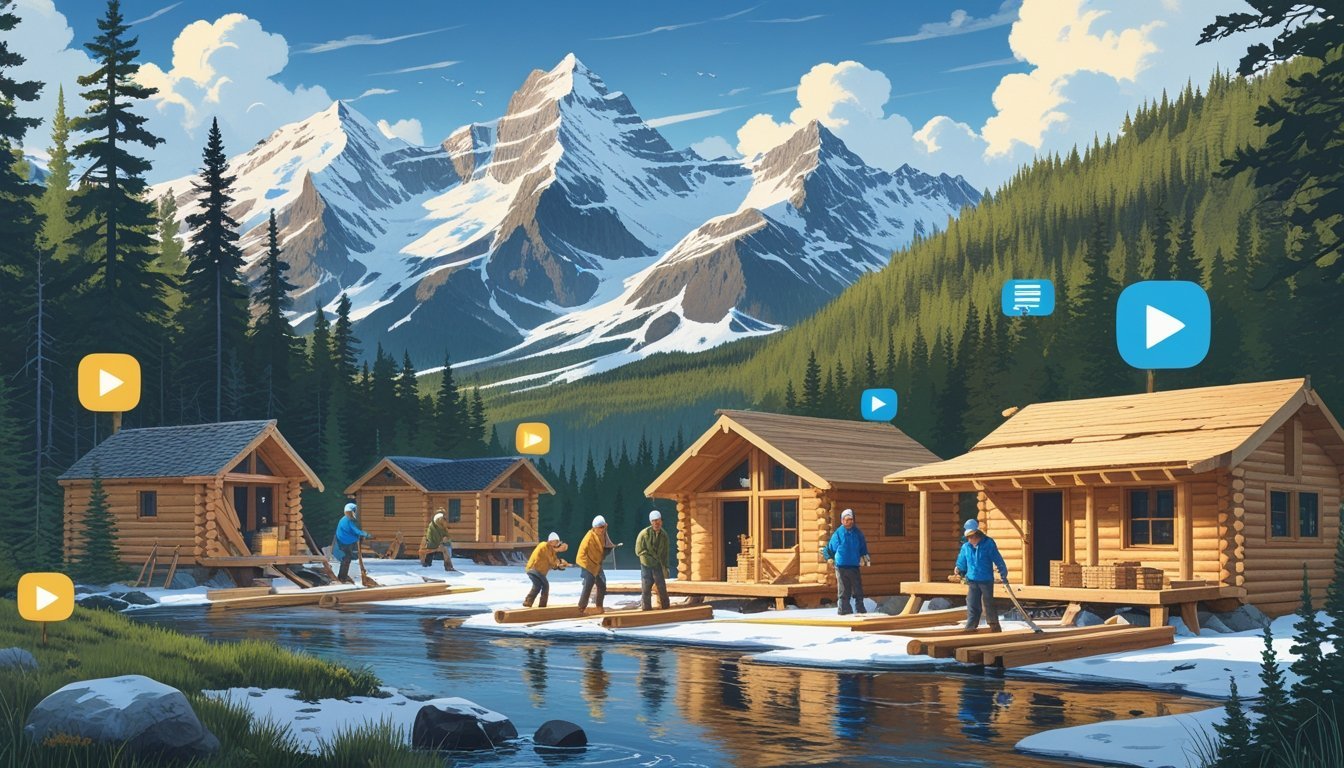
Media platforms have played a major role in amplifying the Brown family's reach beyond television. Their activities, updates, and direct interactions with fans shape not only their public image but also how viewers engage with their projects and the Alaskan Bush People brand.
Social Media Platforms
The Brown family maintains active profiles on platforms like Instagram and Facebook. By posting photos and videos of Alaska’s scenery, daily routines, and bushcraft, they provide a steady stream of content that keeps fans informed and invested.
Their posts often highlight not just their builds, but also behind-the-scenes moments from their personal lives. This approach humanizes them and creates a sense of direct communication.
Instagram stories and photo updates allow for real-time fan engagement, especially during new episodes of the reality TV series. Social media has helped the family maintain a loyal fanbase, especially as the show’s format and cast evolve.
YouTube Channel Content
The Browns operate a YouTube channel that features exclusive content such as DIY tips, music, and project showcases. Video uploads like “One Wave at a Time” provide insights into their creative side, separate from the reality TV show.
Their YouTube content covers both recent homestead improvements and older builds, appealing to viewers who want step-by-step explanations. Music videos and personal vlogs reveal a different side of the family, from Bear’s songwriting to Gabriel’s craftsmanship.
Thumbnails often include striking photography of the Alaskan wilderness, which draws in viewers with an interest in nature as well as the family’s lifestyle. This content complements what is seen on television by adding depth and detail.
Public Image and Fan Interactions
The Browns’ engagement with fans directly impacts their public image. Comment sections on social media posts and YouTube videos give viewers space to ask questions, suggest ideas, and discuss episodes.
Fan feedback has influenced some projects, especially those that gained traction after being featured online. The family often responds to comments, sometimes offering clarifications or extra context about their reality television experiences.
Direct interactions, such as Q&As or live streams, help reinforce the family’s authenticity. This approach increases trust among followers, ensuring ongoing interest in both their builds and their personal journeys.
Family Legacy and Future Prospects
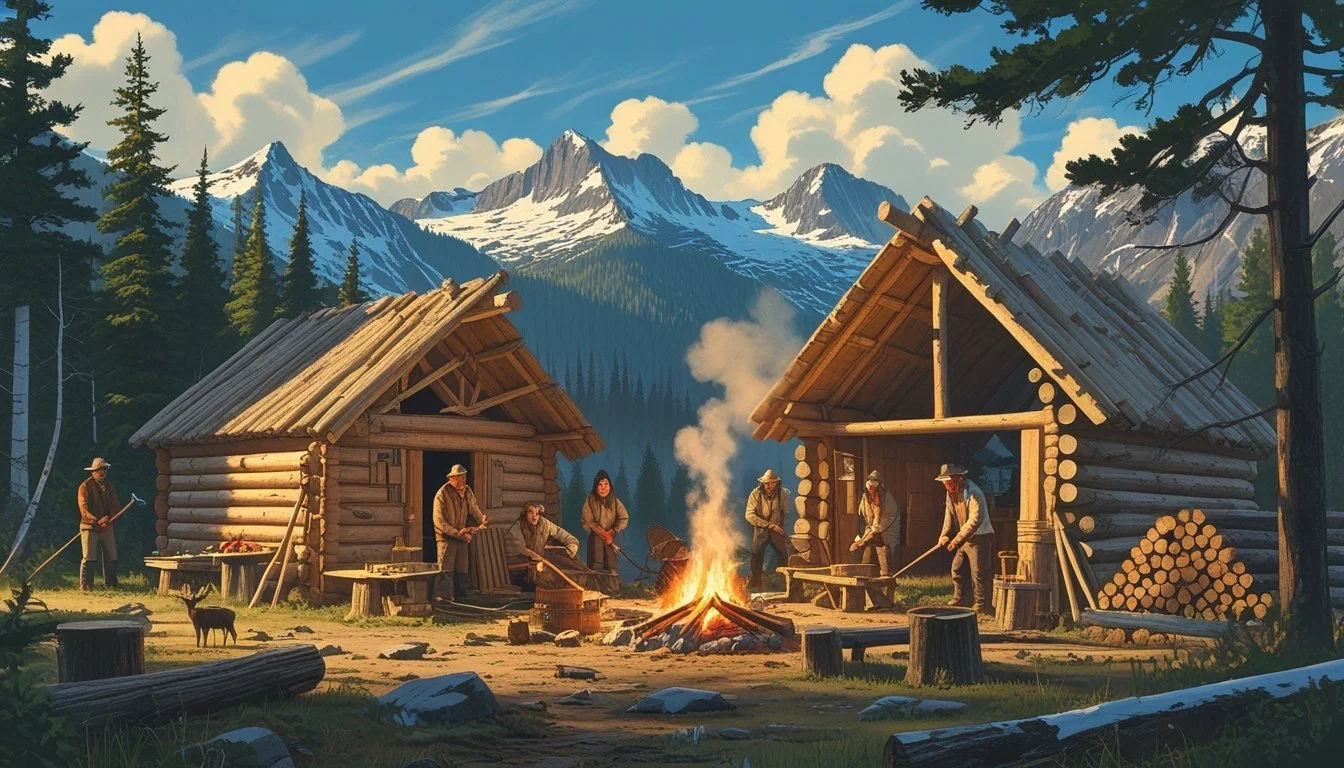
The Brown family’s future is shaped by the next generation stepping up, with a clear focus on how their building strategies have changed over time. Specific attention is on the roles, skills, and ambitions of Elijah Connor Brown and the way the family adapts to new challenges.
Elijah Connor Brown and the Next Generation
Elijah Connor Brown represents the younger side of the Brown family, bringing fresh ideas and skills. He is involved in hands-on construction and often experiments with techniques using available resources. This marks a shift from older, more traditional bush methods to a blend of practical bushcraft and new technology.
The children of the family are expected to take on leadership roles in both maintaining and expanding the homestead. Their responsibilities now include teaching these skills to younger siblings, showcasing a learning process that is more collaborative. The family is also considering the impact of modern tools and sustainability, reflecting a broader awareness of their place in Alaska.
Evolution of the Family’s Building Strategies
Earlier seasons of Alaskan Bush People highlighted basic log cabins and makeshift shelters, built with minimal equipment. These builds prioritized survival, using whatever materials were at hand. Over time, the Browns have started combining hand tools with limited power tools, resulting in sturdier and more practical structures.
A timeline of their builds shows the use of improved insulation, solar panels, and rainwater collection systems. Future seasons are likely to feature more environmentally conscious techniques, such as the use of recycled materials and better off-grid technologies. The Browns’ strategies continue to evolve as they adapt to resource availability, weather patterns, and changes in the family’s needs.
