
What Alaskan Bush People Teaches About Life Without a Safety Net and Adapting to Extreme Challenges

Living without a safety net requires self-reliance, adaptability, and a willingness to embrace uncertainty—qualities consistently demonstrated by the Alaskan Bush People. This family’s experience, away from modern conveniences, highlights the realities of carving out a life in an unpredictable environment. Their daily choices show the impact of resilience and problem-solving when support systems are minimal.
Viewers and readers draw practical lessons from this lifestyle, from learning to adapt quickly to changing circumstances to relying on essential survival skills. The challenges of the Alaskan wilderness reveal how developing resourcefulness and confidence can make thriving without traditional security possible.
Foundations of Life Without a Safety Net
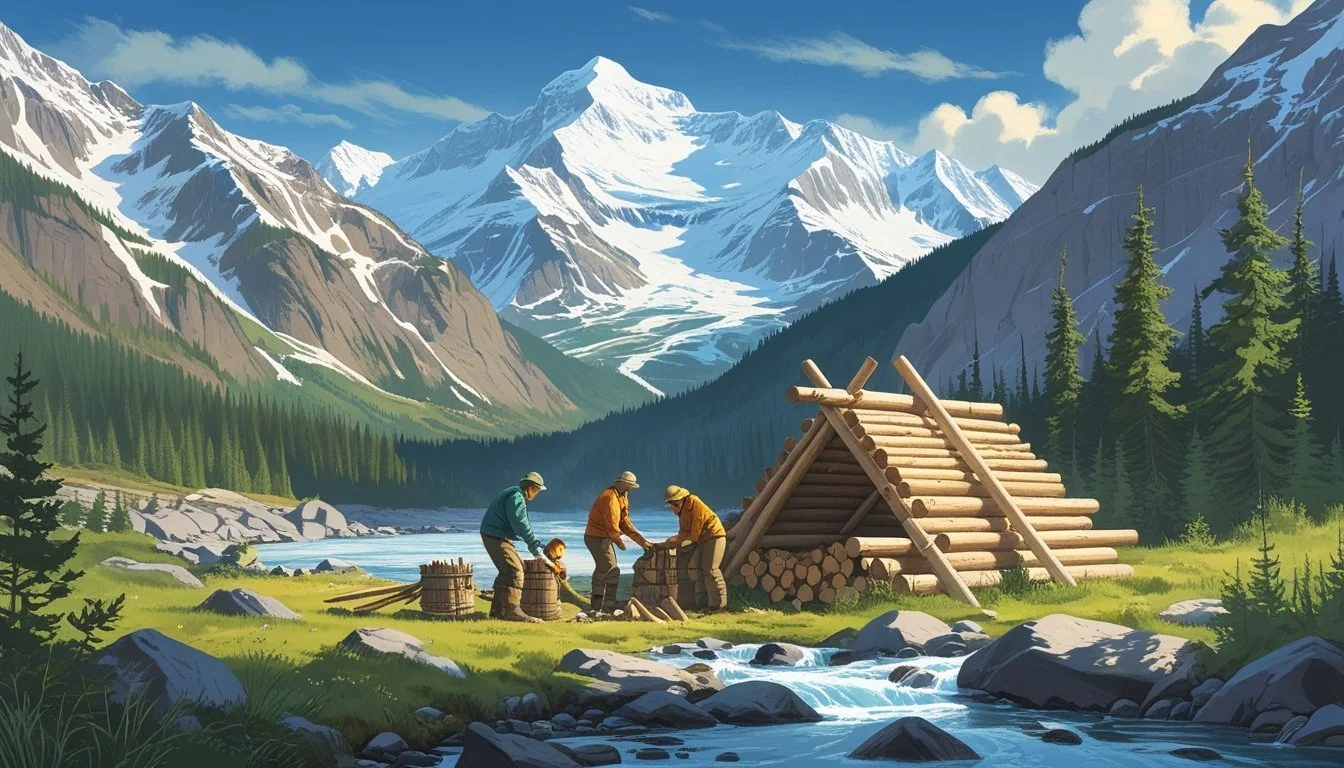
Living off the grid in Alaska, as seen with the Alaskan Bush People, highlights the core requirements for surviving without traditional safety nets. Success depends on practical skills, adaptability, and a strong commitment to self-reliance.
Understanding the Concept of Living Without Conventional Security
In remote Alaska, the Brown family’s lifestyle removes the familiar protections many take for granted. There are no regular emergency services, steady incomes, or easy access to stores. Every aspect of life, from food to shelter, must be secured through hands-on effort and local resources.
This lack of conventional infrastructure requires careful risk management. The family must anticipate potential dangers, such as severe weather and wildlife threats, and make plans without depending on immediate outside help. They operate on the principle that survival cannot be left to chance.
Without health care facilities or reliable transportation, even minor accidents can have major consequences. Each family member learns early that vigilance and preparation are not optional— they are essential for daily life.
Lessons in Self-Reliance and Resourcefulness
Self-reliance is a consistent theme for the Alaskan Bush People. Each person is tasked with contributing to the family’s overall well-being, which often means mastering a wide range of survival skills including hunting, fishing, and improvised construction.
Key skills demonstrated:
Building and repairing shelters
Sourcing and purifying water
Harvesting and storing food
Maintaining basic health and hygiene
Resourcefulness is also tested in off-grid living. They often reuse or repurpose materials found in the wilderness, adapting them for practical household needs. The ability to improvise with what is available makes the difference between comfort and hardship, especially in Alaska’s isolated landscapes.
Adapting to Harsh and Unpredictable Environments
The Alaskan environment is known for its unpredictability and severity. Winter storms, subzero temperatures, and remote forests present daily challenges, demanding continuous adaptation.
Survival means learning the patterns of the land and weather. They must secure food stocks before winter, reinforce structures against wind and snow, and develop routines for handling emergencies. Errors in judgment or hesitation can quickly turn into life-threatening situations.
Adaptability in this context is about adjusting both mindset and techniques. When resources become scarce or plans fail, they shift strategies quickly, always remaining alert to changes in their surroundings. This constant flexibility allows them to persist in a uniquely demanding environment.
Survival Skills and Practical Wisdom
Living without a safety net in the Alaskan wilderness demands practical skills, keen observation, and adaptability. The people who thrive in these conditions know how to handle harsh climates, build shelter, and approach obstacles using creativity and determination.
Coping With Extreme Weather Challenges
Alaska’s climate is notoriously unpredictable, bringing heavy rainfall, sudden temperature drops, and snowstorms. Staying safe requires careful preparation and quick reactions.
Experienced bush residents rely on layered clothing and waterproof gear to avoid hypothermia. They watch cloud patterns and wildlife behavior to predict changes in the weather. When storms approach, they secure shelters and reinforce their roofs with natural materials like moss or bark for added insulation.
A simple checklist for weather preparedness includes:
Waterproof outerwear
Insulated boots and gloves
Emergency blankets or tarps
Quick-access repair kits for shelter
Consistent monitoring and readiness are not optional; they are vital for survival.
Mastering Basic Survival Techniques
Survival in the Alaskan bush starts with the basics: making shelter, finding water, starting a fire, and handling injuries. Setting up a solid shelter comes first because exposure to the elements can be fatal within hours.
Water sources must be identified and purified using boiling, filtration, or chemical treatment. Fire-making methods include flint and steel, matches stored in waterproof cases, or improvising from available resources. For minor injuries, carrying a small first-aid kit and understanding simple treatments is crucial.
Table: Key Survival Techniques
Skill Why It Matters Tools/Methods Shelter-building Protection from exposure Tarps, branches, moss Water purification Prevent illness Boiling, purification tablets Fire-starting Warmth, cooking, safety Flint, waterproof matches First-aid basics Manage injuries Sterile pads, bandages, antiseptics
Innovative Problem-Solving in the Wilderness
The wilderness rewards those who can think creatively and adapt quickly. Bush families regularly face challenges such as broken equipment or unexpected shortages.
Improvisation is often required. For example, when supplies run low, they might repurpose old materials to repair tools or construct makeshift solutions. If navigation tools are lost, they use natural indicators—like the sun’s position or tree moss—to find their way.
Group members frequently share ideas and test new approaches. In the absence of outside help, resourcefulness and collaborative problem-solving become essential skills for daily survival and overcoming the unpredictable demands of adventure in remote Alaska.
Shelter and Living Arrangements
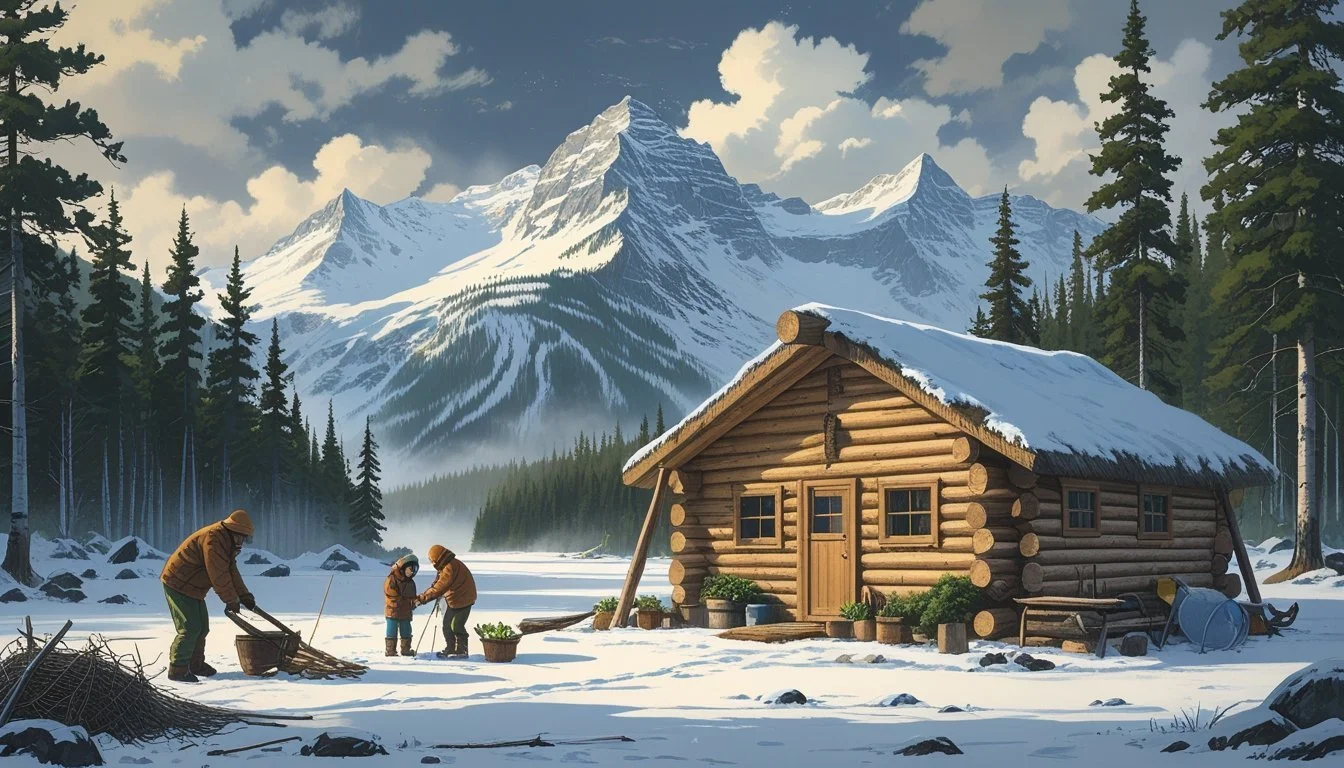
Establishing reliable shelter is a top priority for survival in the Alaskan wilderness. The family’s approach combines proven wilderness building methods with adaptations for harsh environments and the realities of off-grid life.
Building Durable Shelters in the Wild
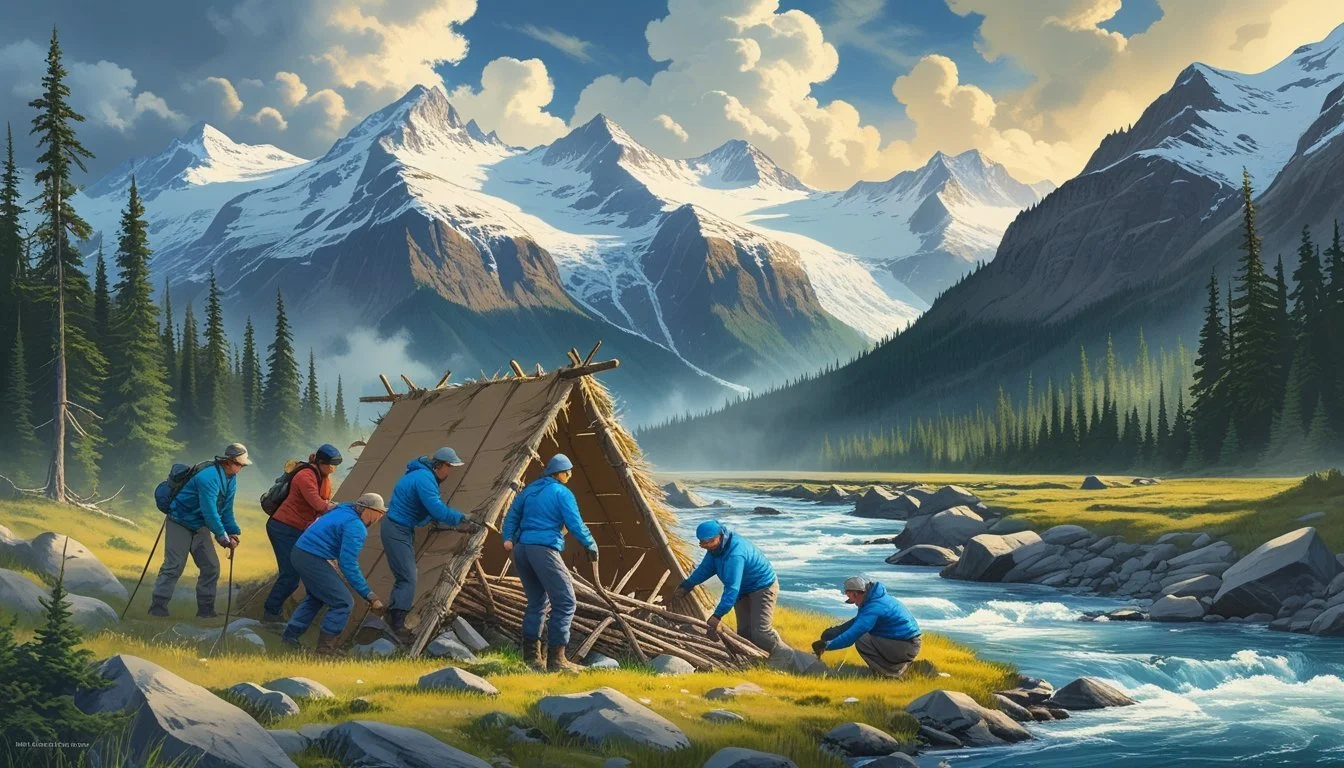
Shelter is essential to protect against wind, cold, and wet conditions that are common in Alaska. The Alaskan Bush People often build shelters with thick walls and roofs designed to keep out the elements. They use locally available materials like logs, branches, moss, and even snow.
A common approach includes sturdy log cabins set on firm foundations to prevent decay and moisture intrusion. In emergencies, quick options such as lean-tos made from branches and insulated with leaves or brush are used. For extreme cold, snow caves or quinzhees—rooms carved from piled snow—provide insulation and wind protection.
Weatherproofing is also vital. Extra insulation, overlapping wooden planks, and raised floors help maintain warmth and dry interiors. These methods allow residents to stay safe for extended periods, even miles from modern support or help.
Utilizing Traditional and Innovative Shelter Techniques
Alaskan Bush People rely on both traditional knowledge and creative problem-solving for their living arrangements. Lean-tos and log cabins stem from indigenous and pioneer experience, with methods adjusted for seasonal needs. For instance, cabins may have sod roofs for insulation or elevated sleeping platforms for warmth and to avoid damp ground.
Innovations are often born of necessity. Salvaged materials, tarps, and even modern items like reflective emergency blankets are used alongside classic techniques. In heavy snow, building a quinzhee or a snow cave reduces wind exposure and conserves body heat, with a small entrance and a slightly elevated sleeping platform to keep occupants warmer.
The need for flexibility drives experiments in design. Some choose collapsible structures for mobility, while others favor semi-permanent log homes with added features like wood stoves or basic solar panels. Each choice balances durability, resource availability, and ease of construction to create safe, functional off-grid shelter.
Food, Water, and Sustenance Strategies
Living in Alaska’s remote wilderness requires reliable food, clean water, and smart resource management. The Alaskan Bush People rely on a combination of foraging, hunting, fishing, and effective preservation methods to support daily life and seasonal survival.
Foraging for Edible Plants and Resources
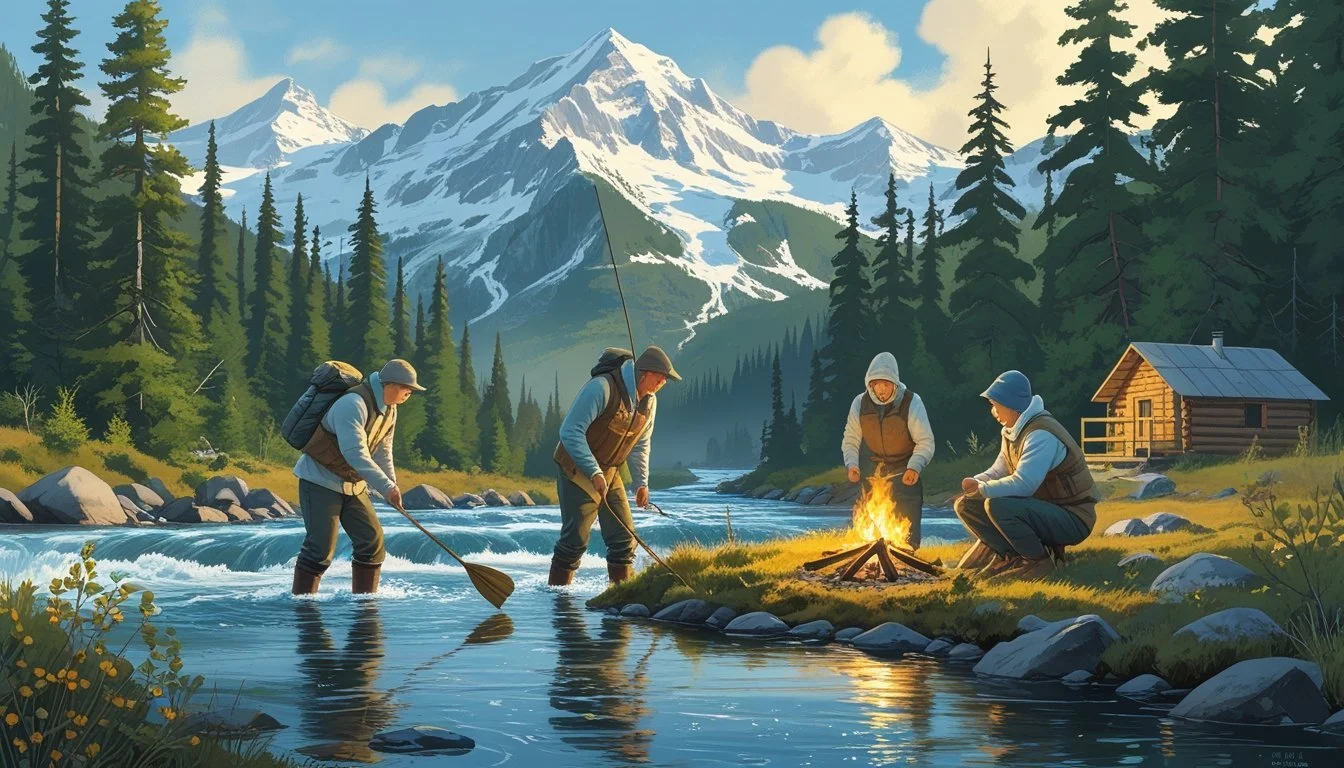
Foraging is a vital skill for anyone living off the land. The Alaskan Bush People regularly seek wild berries, roots, and greens, which provide essential nutrients when other food sources are scarce. Popular options include blueberries, crowberries, and wild greens like fireweed shoots.
Key foraging practices:
Identifying safe, edible species
Avoiding toxic plants (e.g., baneberries, certain fungi)
Gathering with respect for natural ecosystems to prevent overharvesting
Plants are often consumed fresh, dried for later use, or sometimes cooked in stews. This approach ensures a consistent supply of vitamins and dietary variety, particularly during times when wildlife is less abundant.
Hunting and Fishing for Survival
Hunting and fishing form the cornerstone of bush subsistence. Large game such as moose and deer are hunted in season, providing protein and materials for tools or clothing. Small game, such as rabbits and birds, supplement larger catches.
Fishing—especially ice fishing in winter—remains crucial. Salmon, trout, and grayling are typical catches, often preserved through smoking or drying to last through long winters.
Food preservation is essential due to irregular access to fresh resources. Techniques like smoking, drying, and canning help stockpile food for leaner months. Individuals also process animal fat and organs, making use of as much of each animal as possible to minimize waste.
Safe Water Sourcing and Preservation
Securing clean water is non-negotiable in the Alaskan wilderness. The Alaskan Bush People collect water from streams, lakes, and melted snow or ice, but untreated sources can harbor parasites and bacteria.
Common water safety practices:
Method Purpose Boiling Kills pathogens Filtering (cloth or sand) Removes debris Chemical treatment Disinfects from parasites
Water storage relies on clean containers or ice blocks. In freezing conditions, storing ice outdoors provides a steady supply that can be melted as needed. Proper storage and boiling prevents waterborne illnesses, supporting overall health and food preparation.
The Role of the Brown Family
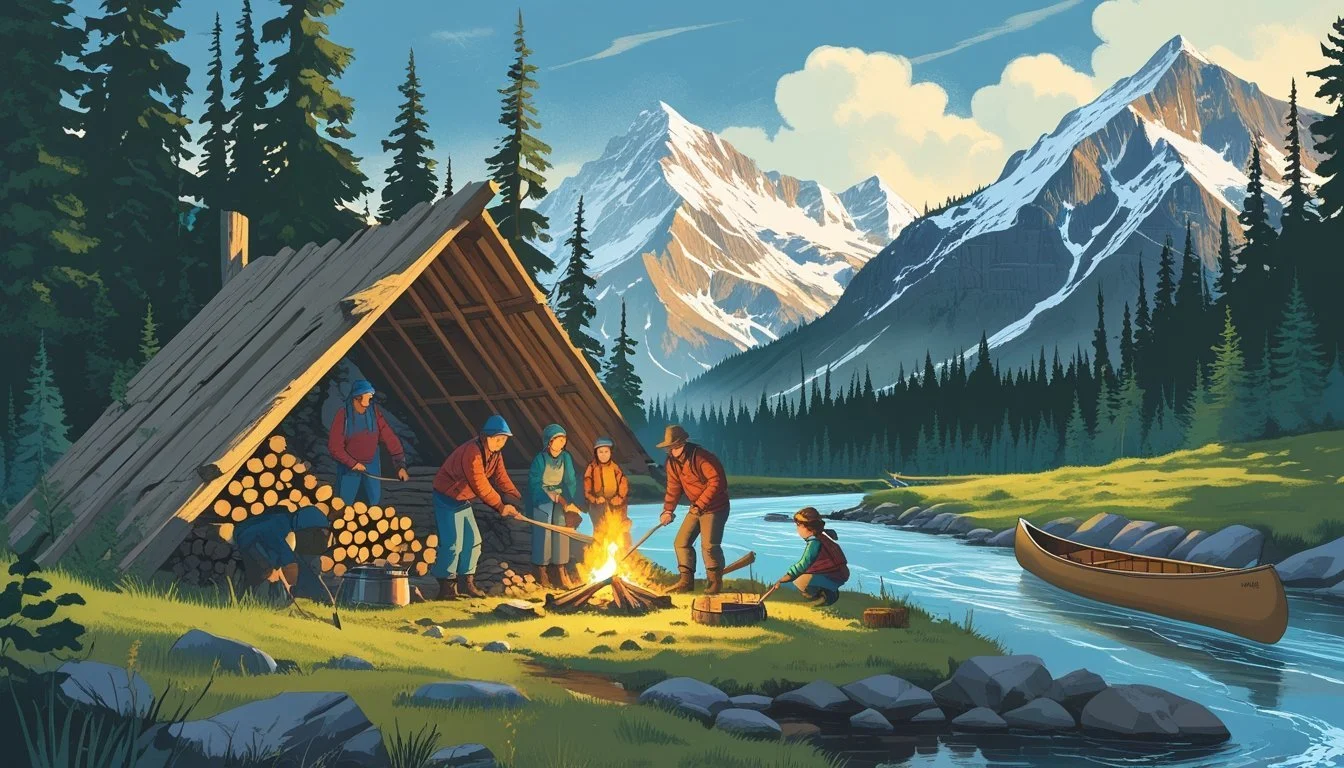
The Brown family offers real-world examples of surviving without modern comforts, relying instead on deep family ties and adaptability. Their life demonstrates how interconnectedness and resilience are developed through shared experience and challenge.
Family Bonds and Emotional Support in Isolation
Isolation in the Alaskan wilderness placed the Brown family in a position where emotional support was essential. Cut off from broader society, they relied on one another for companionship, encouragement, and daily survival.
Family bonds were strengthened through mutual dependence. Tasks like gathering food, building shelter, and dealing with harsh weather required cooperation. This combined effort helped each member understand their value and responsibility within the group.
Open communication was critical. Disagreements and stress, common in confined environments, were managed through conversation and supportive gestures. The family’s shared hardships created a sense of unity and security, illustrating how emotional resilience can be built in remote living.
Individual Stories: billy brown, ami brown, and the Children
Billy Brown, the patriarch, led by example. His focus on practical skills and no-nonsense advice set the tone for the family’s lifestyle. Billy’s leadership often balanced survival demands with moments of guidance and reassurance.
Ami Brown provided emotional balance, nurturing her children through difficult times. She offered comfort during health scares and periods of uncertainty, emphasizing the importance of caring for one another when outside help was not available.
The children—Noah, Gabe, Bear, Bam, Rain, and Matt—grew into distinct roles. For instance, Gabe often provided strength during tough tasks, while Noah applied creative solutions to problems. Rain and Bam contributed organizing skills and a youthful spirit. Matt, though less present in recent years, also played a key role in early seasons.
Together, these individual stories form a picture of shared growth, adaptability, and the importance of each person’s contribution to the family’s ability to live without a safety net.
Lessons in Self-Sufficiency and Independence
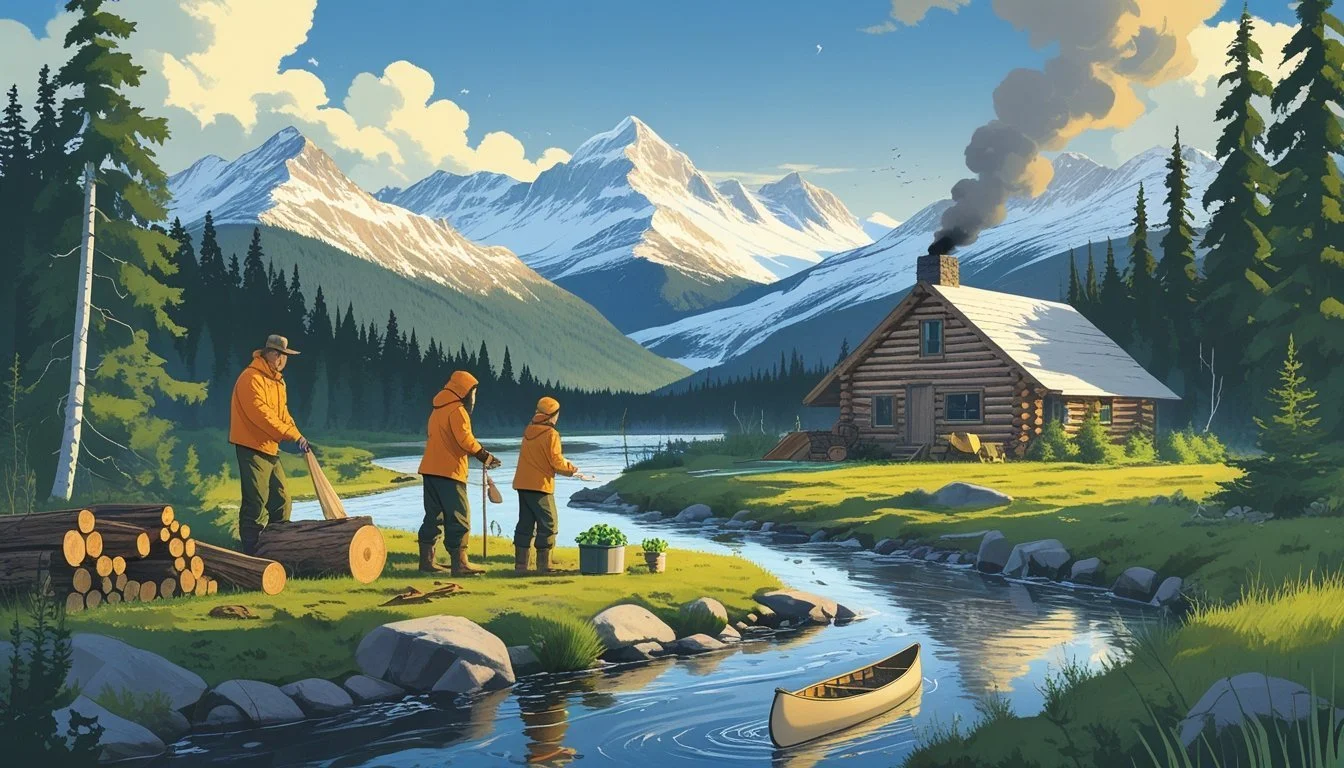
To live without a safety net, one must rely on learned skills and personal discipline. The Alaskan Bush People show through daily life how survival often depends on practical ability, resourcefulness, and a commitment to living with less.
Developing Practical and Outdoor Skills
Building knowledge in hunting, fishing, and foraging is central to the Brown family’s survival strategy. Each member takes on the responsibility of mastering tasks such as sourcing food, constructing shelters, maintaining tools, and handling emergencies. These skills are not hobbies but necessities for life in remote, often harsh, conditions.
Tasks like repairing equipment or improvising solutions with limited materials encourage adaptability. The need to respond to weather, wildlife, or isolation fosters critical thinking and resilience. For many viewers, the show highlights that self-sufficiency comes not from convenience but from consistent practice and a willingness to solve problems with the resources at hand.
Key skills often include:
Shelter construction
Basic first aid
Food preservation (smoking, drying)
Navigation and orienteering
Fire making and water sourcing
Mastering these basics is essential where modern support is unavailable.
Living Off the Grid: Independence and Minimalism
Off-grid living demands careful management of supplies, energy, and waste. The Brown family models a lifestyle where independence means generating one’s own power, sourcing water, and growing or hunting food. This reduces reliance on outside systems, encouraging a minimalist approach that prioritizes essentials over excess.
Being independent in the wilderness often requires a reassessment of needs. Items taken for granted in urban environments become luxuries. Instead, the focus shifts to what is necessary for health, comfort, and survival. Minimalism is not just about owning fewer possessions; it’s about purposeful living and knowing exactly what is needed to thrive.
Independence also means making decisions without external guidance or safety nets. Each choice—where to build, what to eat, how to heat a cabin—carries real consequences. This fosters confidence and a strong sense of personal responsibility, providing a clear example of how living off the grid shapes self-reliance.
Community, Teamwork, and Social Dynamics
Navigating life without modern conveniences highlights the essential role of cooperation and strong social bonds. In remote and challenging environments like those faced by the Brown family, teamwork and a sense of community directly affect survival, wellbeing, and emotional resilience.
The Importance of Teamwork and Cooperation
Every task, from gathering firewood to building shelter, requires hands-on collaboration. The Brown family’s lifestyle demonstrates that teamwork is not optional but a daily necessity where each person’s effort directly impacts the group’s safety and comfort.
Key elements of effective teamwork in this context include:
Clear communication to coordinate roles
Mutual trust to handle risks and uncertainties
Accountability for shared goals
When challenges such as harsh weather or resource shortages arise, cooperation becomes even more critical. Emotional support also strengthens teamwork by fostering patience and problem-solving, as individuals rely on each other for encouragement and reassurance.
Building Community in Remote Areas
Isolation pushes individuals to develop strong internal networks. In the Alaskan wilderness, traditional social resources are absent, so the family itself forms a tight-knit community. This network is based on shared experiences and a mutual dependence for both physical and emotional needs.
Essential aspects of building community in remote living include:
Rituals and routines that reinforce group identity
Celebrations of milestones and achievements
Adaptability to quickly address member needs
A strong sense of community provides a buffer against loneliness and stress, helping each member endure setbacks and appreciate small victories. These social dynamics allow the group not just to survive, but to build a meaningful life despite the challenges.
Traditional Knowledge and Connection to Nature
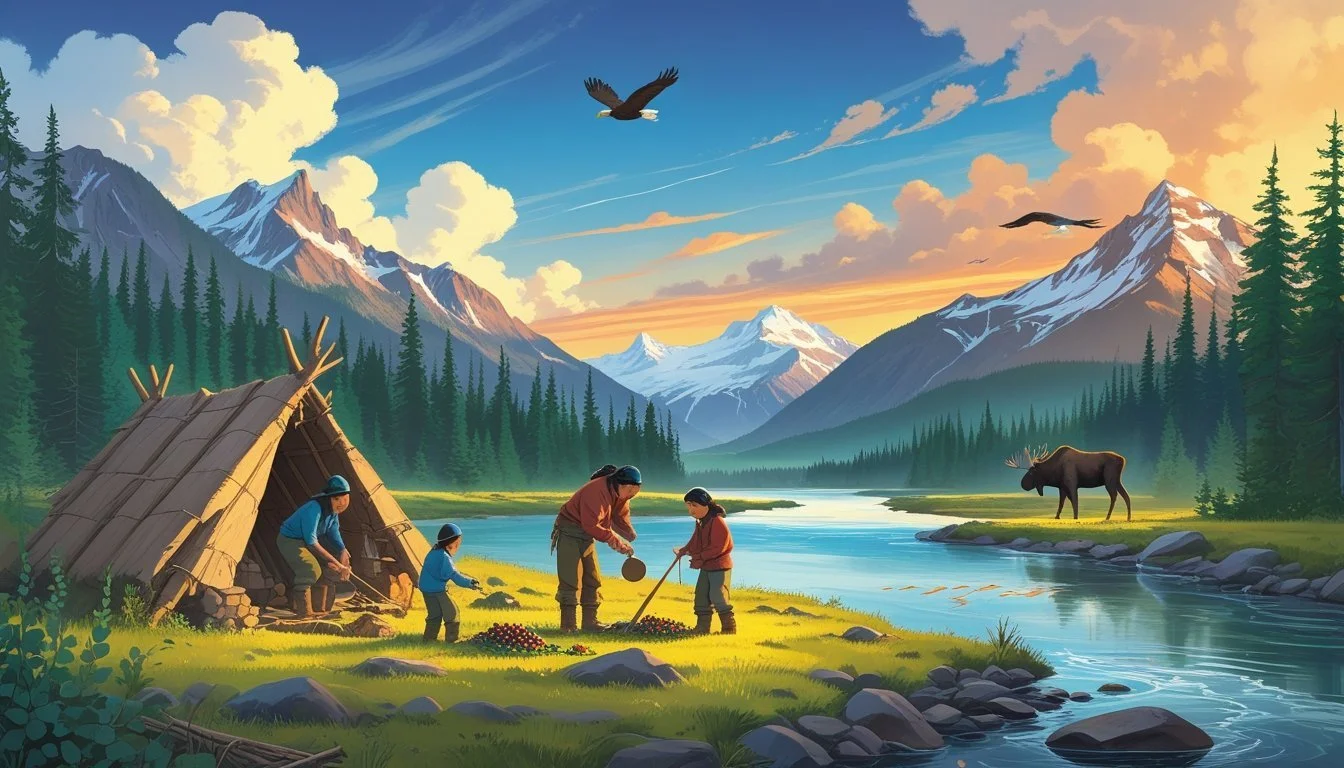
Alaskan Bush People demonstrates how living off-grid requires integrating traditional knowledge with practical survival skills. Their lifestyle is closely linked to respecting nature’s limits and understanding the interdependence between people and their environment.
Applying Wilderness Wisdom and Ancestral Practices
The Brown family relies on accumulated methods passed down through generations. These include building shelters from natural materials, navigating using landscape features, and foraging for seasonal foods like berries and fish.
Nature provides the foundation for daily decision-making. By repairing tools and making clothing from animal hides, they show how ancestral knowledge translates into real-world utility. This approach means meeting needs with resources directly from the land, minimizing reliance on outside support.
Lists, diagrams, and oral traditions guide the transfer of this knowledge. Skills such as recognizing edible plants or tracking animals reflect both survival necessity and respect for their environment. This understanding fosters harmony with nature and limits waste.
Cultural Identity and Environmental Stewardship
A deep connection to nature is central to their sense of identity. The family’s lifestyle is shaped by the values and practices of Indigenous communities and early settlers in Alaska, who emphasize living in balance with the ecosystem.
Environmental stewardship is not a formal rule but an everyday responsibility. They avoid over-harvesting, hunt and fish only in season, and rotate gathering locations to maintain local resources. These actions reflect an ethic of restraint and humility.
Cultural identity is preserved through shared stories and community rituals that highlight the importance of respecting natural cycles. This close relationship with the land shapes every decision, reinforcing a strong sense of belonging and duty to future generations.
Wildlife Encounters and Navigational Challenges
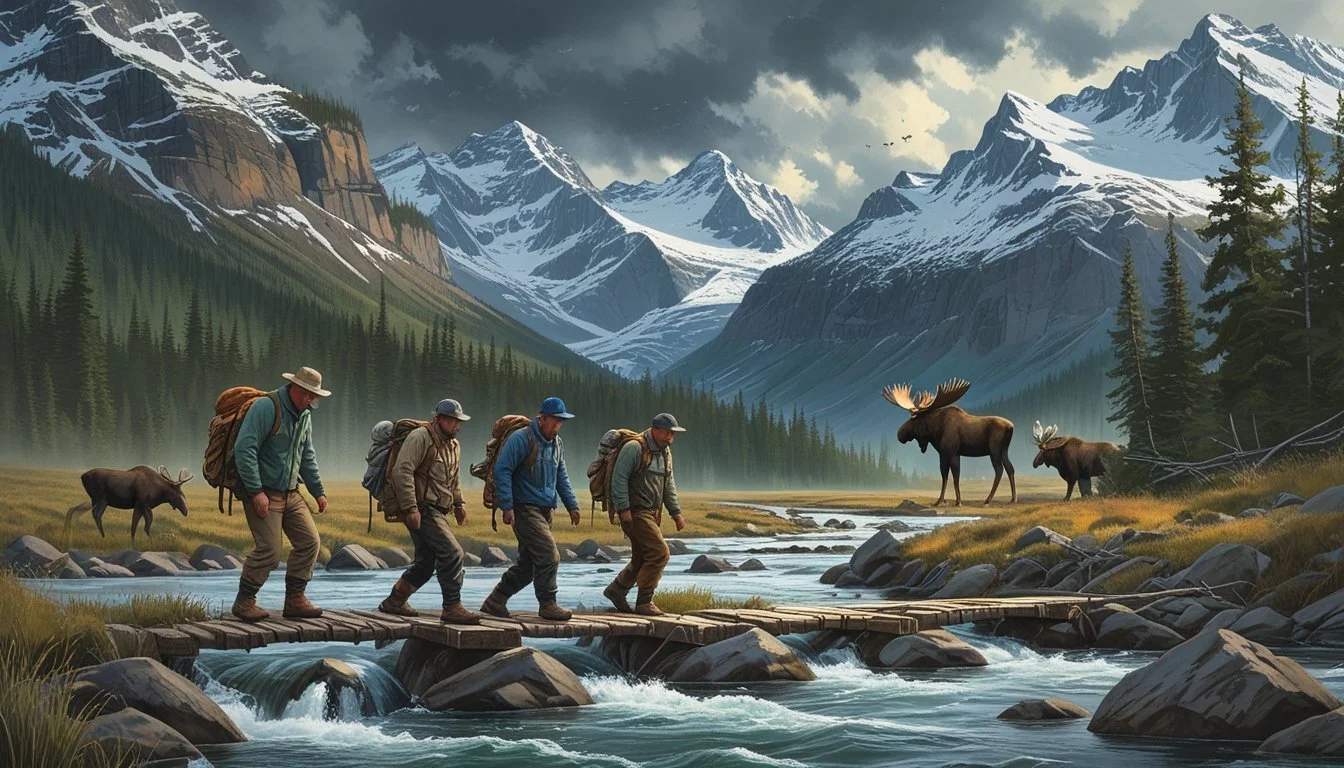
Surviving off-grid in Alaska requires practical skills and constant vigilance. The Brown family's life in the wilderness highlights how unpredictable wildlife and harsh terrain demand adaptability each day.
Learning Animal Behavior and Staying Safe
Living near Fairbanks or in other remote regions of Alaska, residents face routine encounters with bears, moose, wolves, and other animals. The ability to interpret animal signals—such as agitation in moose or the presence of bear tracks—can be crucial for avoiding dangerous situations.
Some families, like the Browns, train themselves and their children to recognize warning signs and adopt defensive behaviors. They store food securely, avoid surprising animals, and keep campsites clean to reduce unwanted visits. Carrying bear spray or noise-making devices is also common practice.
Children are taught through both direct experience and structured lessons about how to act calmly and safely when faced with wildlife. Simple strategies such as making noise while hiking and keeping a safe distance are emphasized. This continuous vigilance enables families to balance a respect for animal territories with their own safety.
Animal Key Behavior to Watch Safety Tip Bear Bluff charging, snorting Carry bear spray, never run Moose Raised hackles, stomping Give space, move behind cover Wolf Following at distance Stay in group, don’t turn your back
Navigating the Last Frontier
The vast, often unmapped terrain between Alaskan homesteads and places like Fairbanks requires strong navigation skills. Snow, dense forests, and shifting landmarks make traditional map reading and compass use essential.
Travelers routinely check weather and daylight hours before setting out, as rapid changes can quickly turn minor mistakes into emergencies. GPS devices, while helpful, are not always reliable due to remote coverage gaps, so locals rely on a mix of modern tools and traditional methods such as following streams or using the sun for direction.
Obstacles such as iced-over rivers or unpredictable wildlife crossings challenge mobility and require careful planning. Safe travel often depends on sharing routes, leaving markers, and understanding natural cues. For those living deep in the bush, navigation is an ongoing process of observation, adaptation, and respect for the land’s hazards.
Alaskan Bush People as a Reality Television Phenomenon
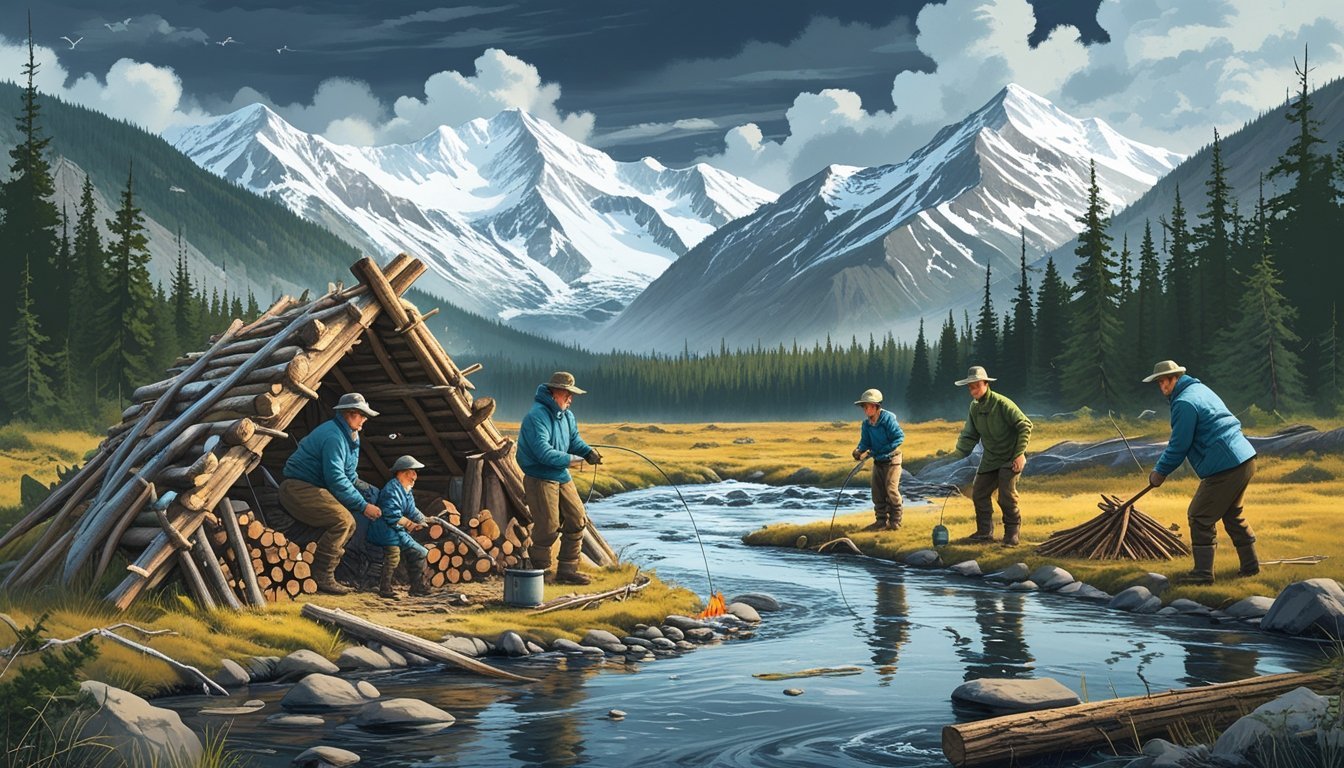
Alaskan Bush People grew into a notable part of reality television, known for its focus on the Brown family’s unique lifestyle. By documenting their remote existence and relationship to the natural world, the series marked a distinct approach in the Discovery Channel’s programming lineup.
Depiction of Unconventional Lifestyles in Media
The Brown family lived in isolation, relying on traditional survival skills and minimal contact with modern society. Unlike shows focused on wealth or urban drama, Alaskan Bush People centered on self-reliance, resourcefulness, and adaptation to the harsh Alaskan wilderness.
The series offered viewers structured glimpses into shelter-building, hunting, and family cooperation under extreme conditions. This depiction of daily life highlighted both the challenges and rewards of living off the grid.
Presenting such a rugged, determined lifestyle on television provided rare insight into survival without conventional safety nets. The novelty of this approach set the series apart from common reality TV trends and fueled ongoing interest.
Impacts of Reality TV on Viewers’ Perceptions
Reality TV like Alaskan Bush People often shapes how viewers imagine life outside mainstream society. By showing the Browns adapting without modern conveniences, the show contributed to discussions on resilience and independence.
Some viewers appreciated the authenticity of the family's struggles and achievements, making them question their own definitions of comfort and necessity. Others raised questions about the accuracy of certain scenarios, noting that some moments might be staged.
The wide reach of Discovery Channel helped make this lifestyle visible to millions, influencing public perception of what it means to survive in extreme isolation. The series encouraged curiosity about self-sufficiency and challenged prevailing stereotypes about rural families on reality television.
Personal Growth and Overcoming Adversity
Living without a safety net challenges each member of the Alaskan Bush People to develop resilience and adaptability. Their experiences highlight the impact of hardship on growth, and the difficult realities of confronting personal struggles such as substance abuse.
Transformative Experiences in Wilderness Living
Wilderness living demands continuous adaptation to unpredictable situations. The Brown family navigates harsh weather, limited resources, and isolation, requiring them to learn new skills quickly. Each challenge forces them to rely on problem-solving and collaboration.
Personal growth often becomes evident as family members gain independence in daily survival tasks. For example, building shelter, gathering food, and maintaining safety sharpen both physical and mental abilities. Trial and error foster self-reliance and confidence.
This lifestyle tests emotional resilience. The remoteness exposes personal weaknesses but also highlights strengths, allowing the Browns to transform setbacks into learning opportunities. In turn, they develop a deeper understanding of themselves and each other.
Key skills developed include:
Skill Application Resourcefulness Building, repairs, hunting Adaptability Facing weather, shortages Teamwork Group survival tasks Patience Waiting, enduring hardship
Addressing Substance Abuse and Personal Struggles
Substance abuse and personal challenges are part of the family's history. Billy Brown and other members have spoken about these issues openly, acknowledging how difficult conditions can increase vulnerability. Recovery requires ongoing commitment and community support.
Reflection plays a major role as individuals work through setbacks. The wilderness environment amplifies both the challenges and the need to address them head-on, with limited distractions or escape. Support systems within the family become essential.
Adaptability is critical for recovery. Members often adjust routines and seek healthy ways to cope with stress and temptation. Honest conversations, clear boundaries, and shared responsibilities contribute to progress.
By facing struggles directly and learning from mistakes, the Browns show the importance of persistence and mutual support in overcoming adversity. Their journey demonstrates the real difficulties of life without a safety net, as well as the potential for change.
