
How Yellowstone Turned Ranching into Shakespearean Drama Exploring the Modern Western Epic
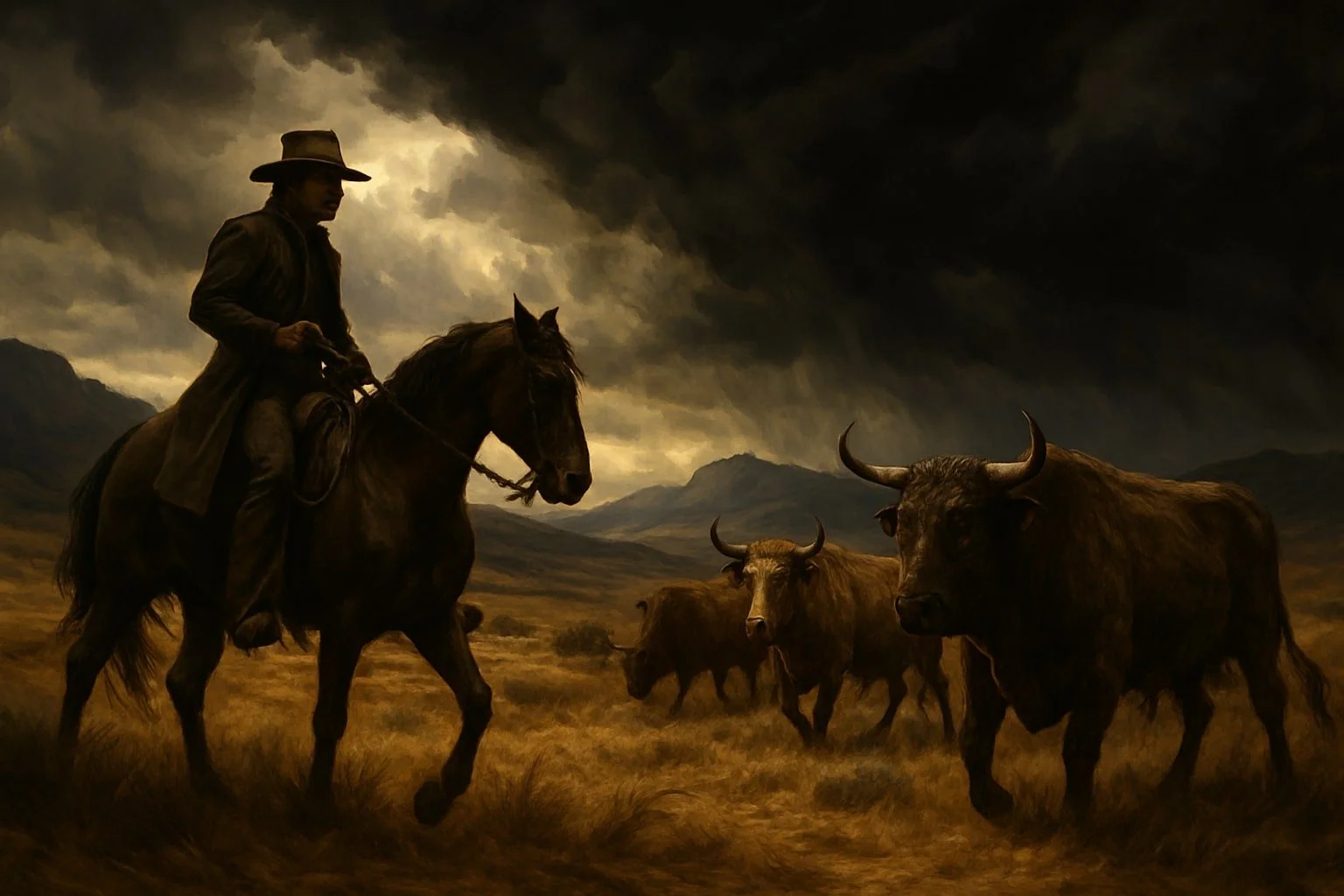
Yellowstone transforms the world of ranching into a stage for Shakespearean drama by weaving together power struggles, family loyalty, and betrayal reminiscent of classic tragedies. This modern Western draws clear inspiration from Shakespeare’s works, incorporating themes of generational conflict and the cost of ambition against the backdrop of Montana’s rugged landscape.
Viewers find themselves pulled into the Dutton family’s world, where alliances shift and sacrifices are inevitable. The show’s creator, Taylor Sheridan, has openly acknowledged Shakespeare’s influence on the script, making the connection between sprawling cattle empires and royal dynasties both deliberate and profound.
As a result, Yellowstone stands out as more than just a story about ranching—it becomes a modern epic that mirrors the complexities found in some of literature’s most enduring tragedies.
The World of Yellowstone: A Modern Western Epic
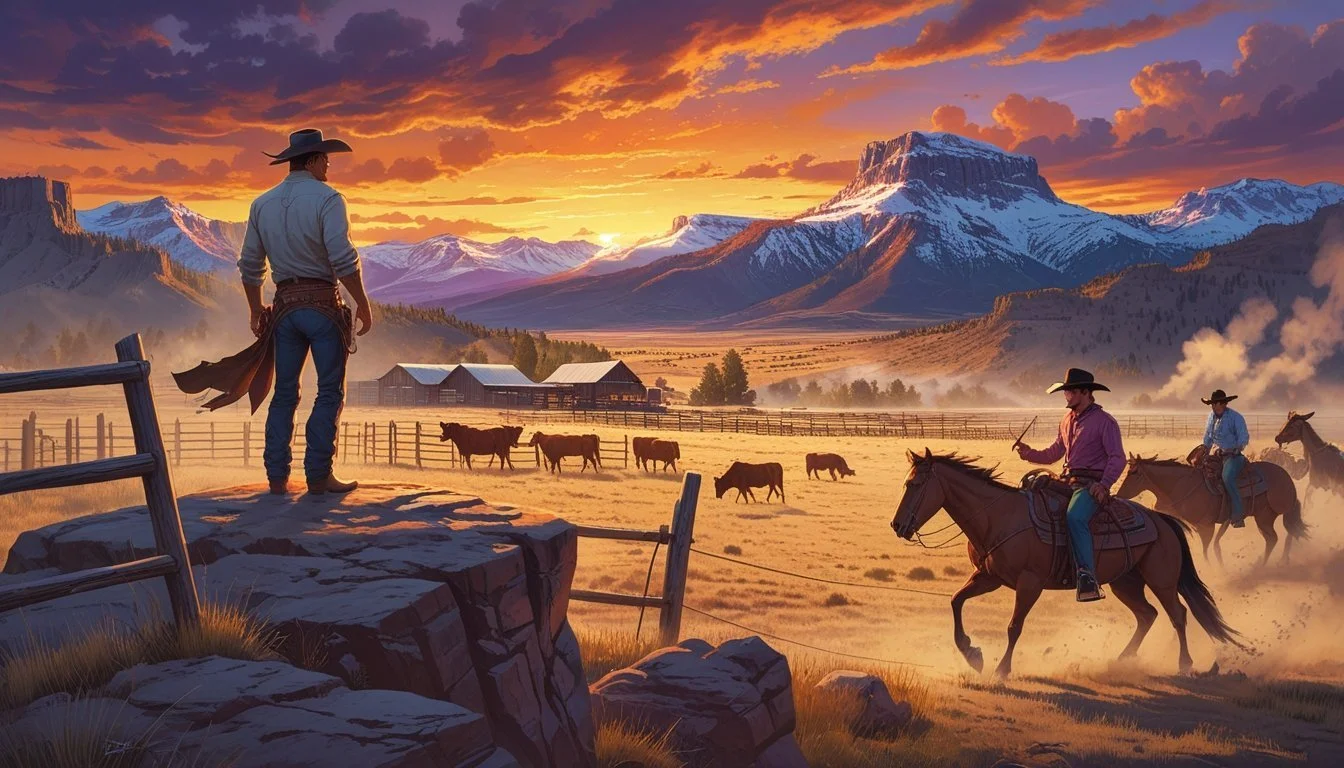
Yellowstone skillfully blends the harsh realities of Montana ranching with grand themes of power, heritage, and survival. Set against a backdrop of sweeping landscapes and constant conflict, the series presents a unique fusion of old traditions and present-day ambitions.
Yellowstone’s Setting and Legacy
Yellowstone is set in present-day Montana, centering on the vast Dutton Ranch. The show's landscapes are marked by rugged mountains, wide valleys, and the proximity of Yellowstone National Park. This natural setting shapes every conflict and alliance on screen.
The legacy of the land is a consistent theme, illustrating generational ownership and the burden of preserving family heritage. The Dutton family’s position as Montana ranchers is contrasted with the encroachment of modern society, which threatens both tradition and survival.
By featuring both the splendor and hardship of Montana, Yellowstone redefines the idea of the modern western. It turns the frontier myth into a contemporary story of competing interests and legacies.
Montana Ranching and the Dutton Family
At the show's center is the Dutton family, led by patriarch John Dutton. He struggles to protect not just thousands of acres, but also his family’s place in Montana’s history. The day-to-day ranching life is depicted with brutal honesty, showing the work, danger, and stress involved.
Family members, each with distinct loyalties and ambitions, create conflict that is both personal and political. Their relationships echo classic Shakespearean drama through betrayals, alliances, and quests for power.
The Dutton Ranch is more than just a business. It represents a way of life under siege, its survival tied to the strength and unity of the Dutton family. The show portrays this with clear focus, never romanticizing but never losing sight of the stakes involved.
Development and Conservation in the Modern American West
Yellowstone dramatizes the collision between established ranching interests and the pressures of development and conservation. Land developers, corporate interests, Native American tribes, and national parks all vie for control and influence.
Conflicts over land ownership are at the heart of the series, echoing real-life battles in the modern American West. The presence of Yellowstone National Park brings additional complexity, as conservation efforts frequently clash with ranching traditions.
Viewers see legal disputes, political maneuvering, and environmental debates play out as fiercely as any physical confrontation. The show does not offer easy answers, instead highlighting the layered realities of land, law, and legacy in contemporary Montana.
Shakespearean Themes at the Heart of Ranching Drama
Ranching life in "Yellowstone" is shaped by conflicts that echo the depth and complexity found in Shakespeare’s greatest works. Shakespearean elements are woven into struggles for power, complicated family dynamics, and the search for meaning across generations.
Power Struggles and Political Intrigue
"Yellowstone" vividly mirrors the power dynamics and political intrigue featured in plays like "King Lear" and "Macbeth." Characters vie for control of the Dutton ranch and surrounding lands, facing opposition from rivals, politicians, and even their own kin.
Key elements:
Land is a source of power, much like the thrones and kingdoms in Shakespeare’s works.
Negotiations often resemble chess matches, with each player calculating their next move.
Corruption, manipulation, and backroom deals are part of daily life, reflecting the timeless appeal of intrigue.
This approach gives weight to every conflict, grounding modern ranch drama in classic human ambitions.
Family Loyalty, Betrayal, and Redemption
At the heart of "Yellowstone" is a family bound by loyalty, but fractured by betrayals reminiscent of Shakespearean tragedies. Sibling rivalries, parent-child relationships, and questions of inheritance are constant themes.
Typical dynamics:
Family members must choose between loyalty to the ranch and their personal desires.
Betrayals often have lasting consequences, driving plots much like the downfall of Lear and his daughters.
The quest for redemption—whether through sacrifice or forgiveness—echoes Shakespeare’s concern with the possibility of change.
These tensions shape the emotional core of the series, grounding high-stakes drama in deeply personal choices.
Identity, Generational Trauma, and Human Nature
Questions of identity and the weight of generational trauma pervade the show, reflecting Shakespeare’s exploration of the human condition. Characters struggle with inherited expectations and the legacy left by those who came before them.
Important aspects:
Each generation grapples with the moral costs of defending their legacy.
Trauma is passed down, influencing decision-making and worldviews.
Personal growth, or the lack of it, offers insight into what truly shapes identity.
This focus captures both the personal battles of its characters and the broader, timeless struggle to define oneself in a changing world.
Key Characters and Performances
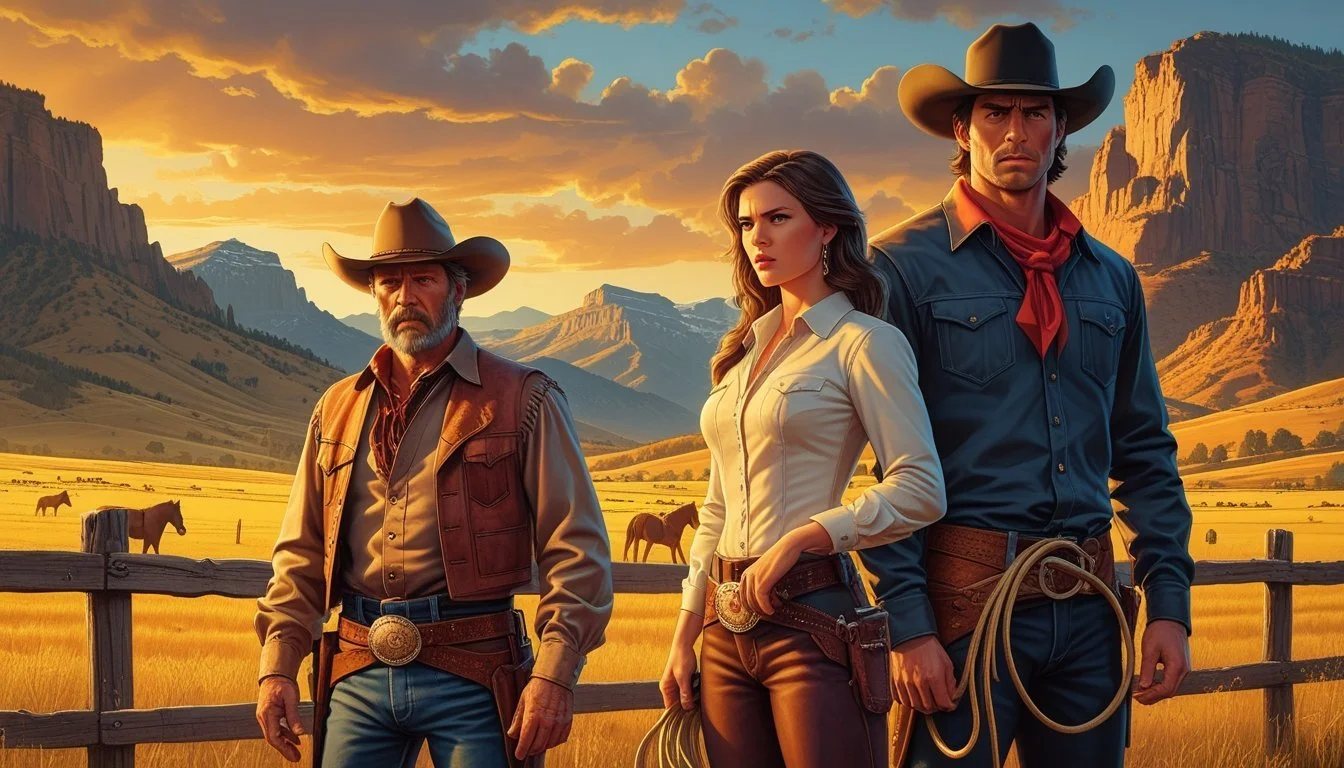
The Dutton family at the heart of Yellowstone reflects a legacy driven by conflict, loyalty, and generational ambition. The series blends complex relationships, familial pressures, and rivalries, offering nuanced portrayals that ground its modern Western narrative.
John Dutton and the Central Patriarch
John Dutton, played by Kevin Costner, is the owner of the Yellowstone Dutton Ranch and the family patriarch. He is often depicted as stoic, determined, and deeply protective of his land. Like King Lear, John struggles with the burdens of legacy and power.
His decisions drive much of the ranch’s fate, balancing moral compromise with unwavering loyalty to the family name. Land preservation and maintaining control over the ranch’s future are constant sources of conflict.
Costner’s portrayal gives John a weary gravitas, showing both vulnerability and ruthlessness. Many of his scenes deal with the cost of leadership and personal sacrifice.
Beth, Kayce, and Jamie: The Dutton Children
The Dutton children each have distinct relationships with their father and the ranch. Beth Dutton is fierce and unpredictable, using her intellect and cunning in both business and personal matters. She often protects the family from external threats, showing loyalty that borders on obsession.
Kayce Dutton is caught between his loyalty to the ranch and his marriage to Monica, a member of the local Native American community. His character often navigates themes of violence, ethics, and identity, which makes him a direct link between competing cultural worlds.
Jamie Dutton is the adopted son whose ambitions and insecurities fuel major plotlines. His struggles with identity, belonging, and moral choices create tension within the family, especially as he grapples with his role as both advocate and adversary.
Character Key Traits Conflicts Beth Dutton Intelligent, ruthless Loyalty vs. vulnerability Kayce Dutton Conflicted, loyal Family vs. personal ethics Jamie Dutton Insecure, ambitious Ambition vs. loyalty
Rip Wheeler and Loyalty to the Ranch
Rip Wheeler serves as John Dutton’s right hand and enforcer. Born into hardship and violence, Rip’s loyalty to John and the ranch is unwavering. He operates by a strict moral code defined by loyalty rather than law.
Rip’s relationship with Beth is deeply emotional but often turbulent, adding another dimension to his character. His actions frequently protect the Duttons from internal rebellion and outside threats, and his sense of duty is perhaps second only to John Dutton’s.
He is respected, feared, and sometimes resented by others on the ranch. His performance, marked by restraint and intensity, embodies the moral complexity of life on Yellowstone.
Native American Leaders: Chief Thomas Rainwater
Chief Thomas Rainwater is a powerful and strategic leader of the local Native American tribe. His main goal is to reclaim ancestral lands once taken by families like the Duttons.
Rainwater operates with long-term vision, often using political and legal pathways rather than force. His debates with John Dutton highlight ongoing themes of historical injustice, cultural reclamation, and modern sovereignty.
The portrayal of Rainwater adds depth to Yellowstone’s narrative of land, legacy, and the consequences of American expansion. His presence creates a nuanced counterpoint to the Duttons’ perspective, offering viewers insight into both sides of the ongoing struggle.
Ranching as Epic: Life, Culture, and Conflict
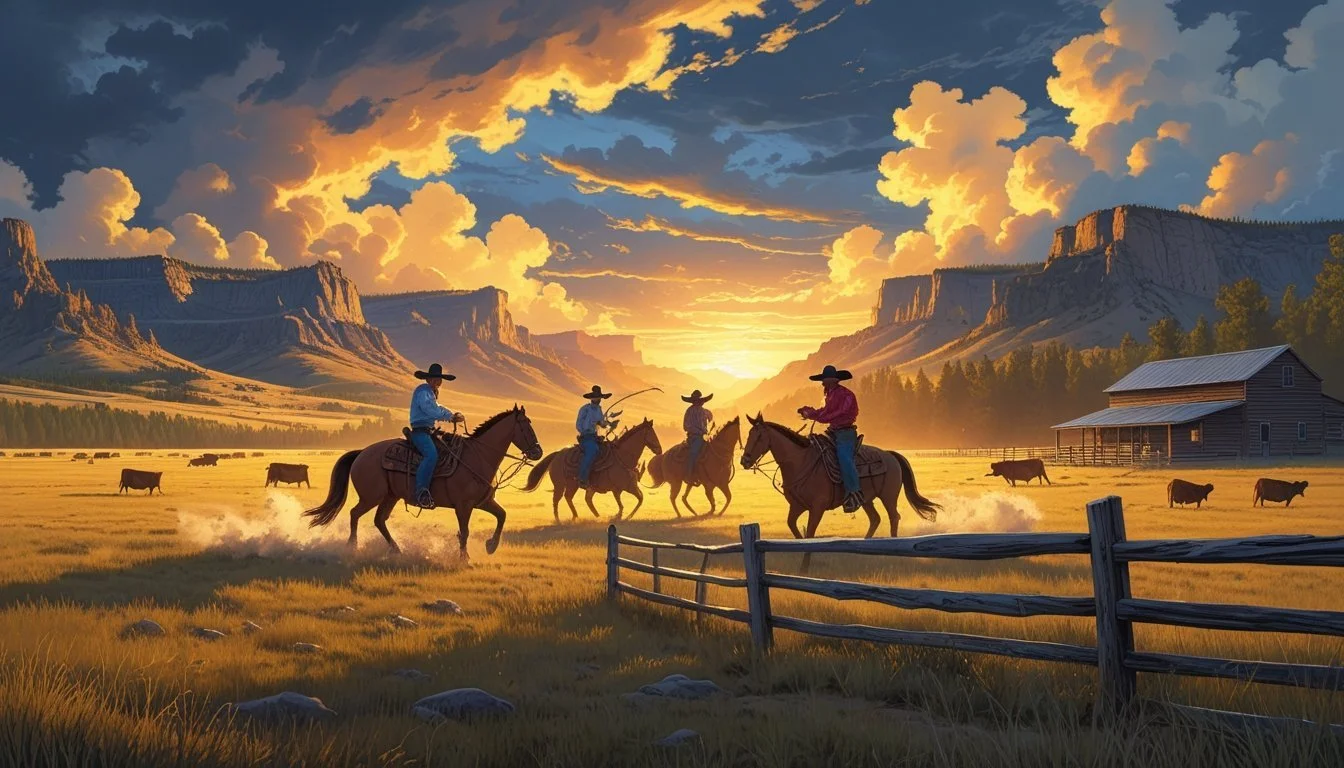
Ranching in the American West combines demanding labor, unique traditions, and persistent conflicts over land. Everyday routines and high-stakes battles shape the culture of cattle ranches and the lives of those who run them.
Ranch Operations and Cowboy Culture
Ranch operations define daily life for those who work the land. Early mornings, seasonal rhythms, and tough conditions come standard. Cowboys and ranch hands handle physical tasks, from herding cattle to mending fences, relying on skills like horseback riding and roping.
Cowboy culture values resilience, teamwork, and loyalty. It holds deep roots in American history and shapes how ranchers interact, work, and solve problems. Traditions such as branding and communal meals reinforce shared identity. These unwritten rules pass through generations, maintaining the ethos of the ranch.
Ranchers also balance work with a sense of stewardship over the land. Decisions around livestock, grazing, and caretaking reflect both economic realities and a long-term connection to the ecosystem. This balance between profit and legacy forms the backbone of ranch life.
Cattle Drives and Traditional Techniques
Cattle drives remain one of ranching’s most recognizable icons. Moving herds between summer and winter pastures, or to market, demands coordination and expertise. Cowboys rely on horses, dogs, and time-tested techniques to guide cattle safely across open country.
Modern ranches often combine traditional methods with newer technologies. Handwritten ledgers may coexist with GPS tracking. Despite advances in gear and transportation, skills such as calm handling, strategic movement, and persistence remain critical for efficient drives.
Branding, a traditional method for marking cattle ownership, is still practiced. It represents both a legal and cultural ritual, ensuring herds are identified and deterring theft. On the range, good stockmanship and reading animal behavior are considered essential parts of the cowboy’s craft.
Land Ownership and Disputes
Land forms the heart of the ranching economy—and conflict. Ownership can involve vast acreage, historic deeds, and intricate legal boundaries. Disputes over fences, water rights, and grazing territory have shaped ranching communities for decades.
Conflicts may arise between ranchers and government agencies, private developers, or conservation groups. In places like Montana, competing interests in land use—ranching, recreation, resource extraction—add tension beneath the surface. Legal battles and negotiations mark the long-term fate of many cattle ranches.
Ranchers often see themselves as custodians, not just owners. The struggle for land reflects ongoing challenges around tradition, survival, and the changing face of the American West. These real-world pressures lend gravitas to both day-to-day ranch life and its dramatic portrayals.
Historical Roots and Modern Parallels
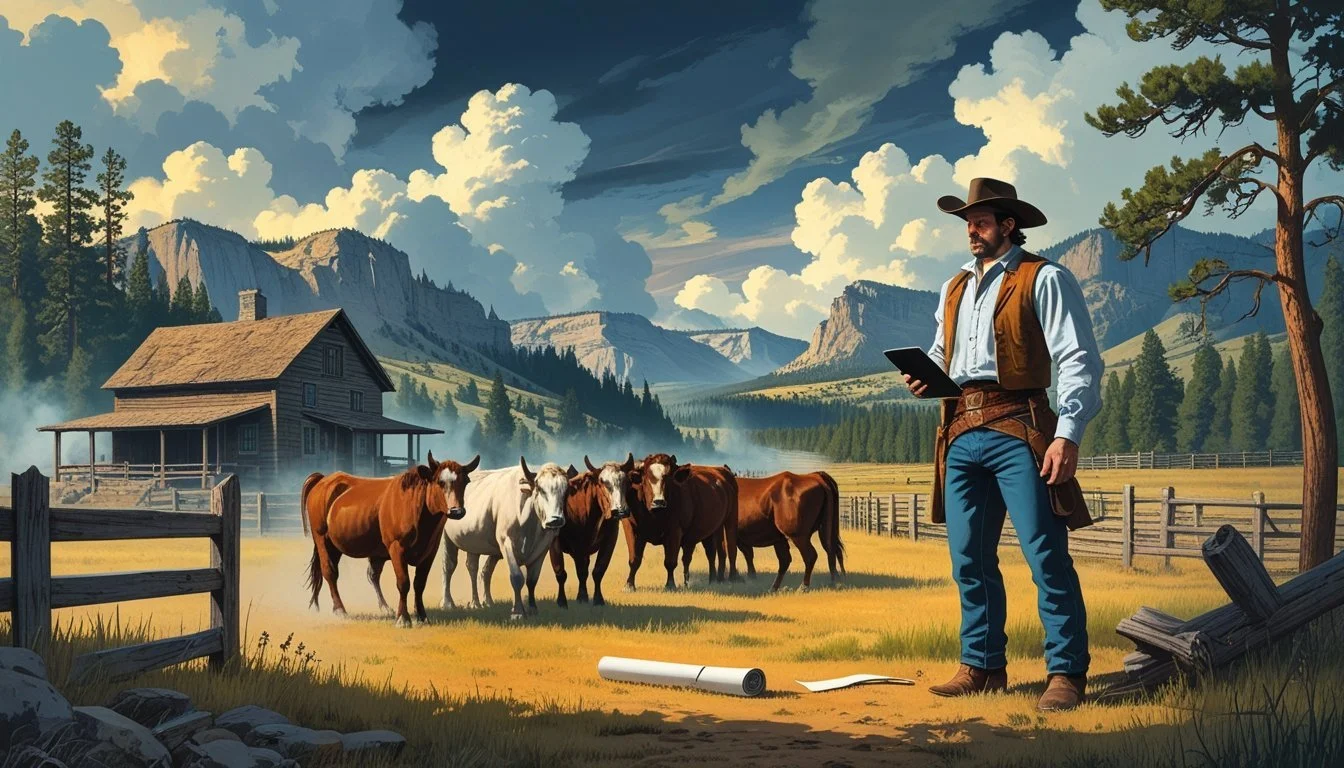
Ranching in the American West emerged from a unique historical context shaped by the movement of settlers, industrial progress, and ongoing conflict over land and power. The modern drama of Yellowstone echoes real tensions rooted in centuries-old struggles within ranching history and western development.
From Frontier Life to Modern Ranching
Frontier life in the late 1800s established the cultural and economic foundation for ranching in the West. Settlers seeking land and opportunity carved out homesteads on open prairies, often contending with harsh weather, limited resources, and isolation.
The series 1883 captures this period, showing the dangers and uncertainty of early migration across open country. The move from survival to building stable ranches signaled a transition toward organized communities.
Modern ranching, as depicted in Yellowstone, still reflects elements of this legacy—including pride in land ownership, autonomy, and resilience. Essential practices, like cattle drives and branding, remain rooted in these original frontier traditions.
The Evolution of Ranching Communities
Ranching communities grew from small, isolated families into more networked settlements as railroads expanded and towns developed. Facilities like general stores, schools, and local governments became hubs for these populations, reinforcing their social bonds and identity.
In the early 1900s, chronicled in the series 1923, ranchers formed alliances and associations to address shared concerns like water rights, grazing land disputes, and protection against outside interests. These organizations laid the groundwork for modern agricultural policies and local leadership.
Today, western ranching communities maintain a sense of heritage while adapting to pressures from urban development and economic change. Yellowstone mirrors these struggles by portraying close-knit family structures, shifting alliances, and the push and pull of progress.
Historical Conflicts: Railroads, Cattle Barons, and Developers
Major historical conflicts in western history involved powerful cattle barons, expanding railroads, and ambitious land developers.
Party Interest Resulting Conflict Cattle Barons Control over grazing land Fought rival ranchers and settlers Railroads Access to new routes & land Drove displacement and speculation Developers Urban and resource development Pressured traditional ranch lands
Railroads cut through open ranges and restricted cattle movement, leading to battles over property lines and economic survival. Developers, in later decades, saw land as an investment, spurring legal and sometimes violent disputes over ownership.
These themes directly inform Yellowstone’s central storyline, drawing from real incidents where ranch families were forced to defend their holdings against outside encroachment, echoing the historical battles that shaped the West.
Native American Perspectives and Broken Rock
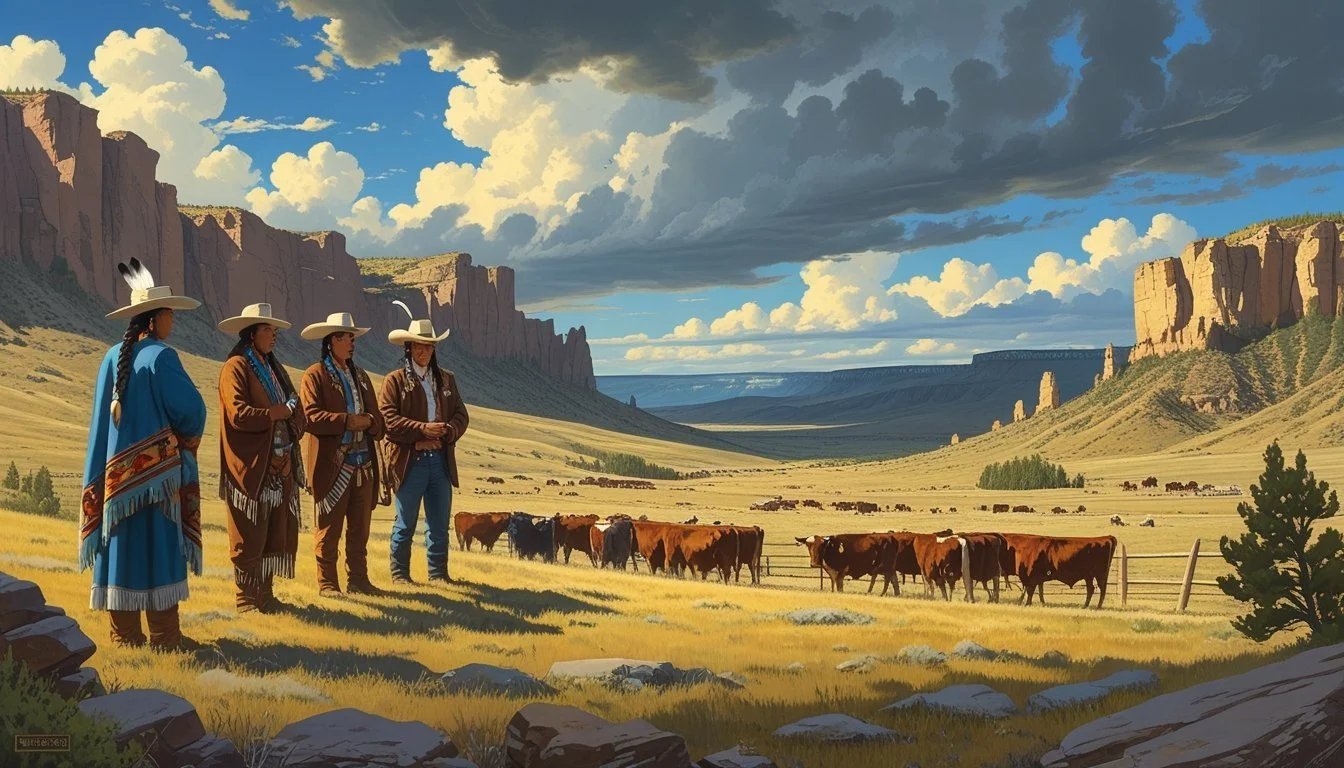
Yellowstone places the fictional Broken Rock Indian Reservation at the center of its conflict over land, identity, and power in Montana. The series uses characters like Chief Thomas Rainwater to spotlight tribal viewpoints and the ongoing struggles faced by Native American communities.
Cultural Heritage and Land Rights
Broken Rock is presented as a stand-in for real Montana tribal nations, focusing on issues of land, sovereignty, and cultural survival. Tribal members, under the leadership of Chief Thomas Rainwater, fight for the recognition of their historical rights to territory in the region.
Land disputes drive much of the drama. The show explores the tribe’s desire to reclaim traditional lands now held by ranchers and outside investors. This tension highlights how legal boundaries often fail to align with Native historical connections to the territory.
Yellowstone addresses the complexities faced by Native nations seeking self-governance. The series references the tribe’s efforts to maintain cultural traditions and secure economic stability, including attempts to develop their land for the long-term benefit of the community.
Relationships with the Dutton Family
The Dutton family’s Yellowstone Ranch neighbors Broken Rock, fueling disputes and uneasy truces. Interactions between John Dutton and Chief Rainwater often mix personal rivalry with political negotiation, focusing on contested land boundaries and property rights.
The show avoids depicting either side as wholly right or wrong. Instead, it highlights mutual distrust, moments of reluctant cooperation, and shifting loyalties. Major issues include water rights, land transfers, and evolving alliances as new threats emerge to both groups.
Key storylines examine how history shapes present-day connections and divides. By including Native American perspectives, the show adds depth and nuance to its portrayal of the West’s ongoing transformation.
Politics, Power, and the Modern West
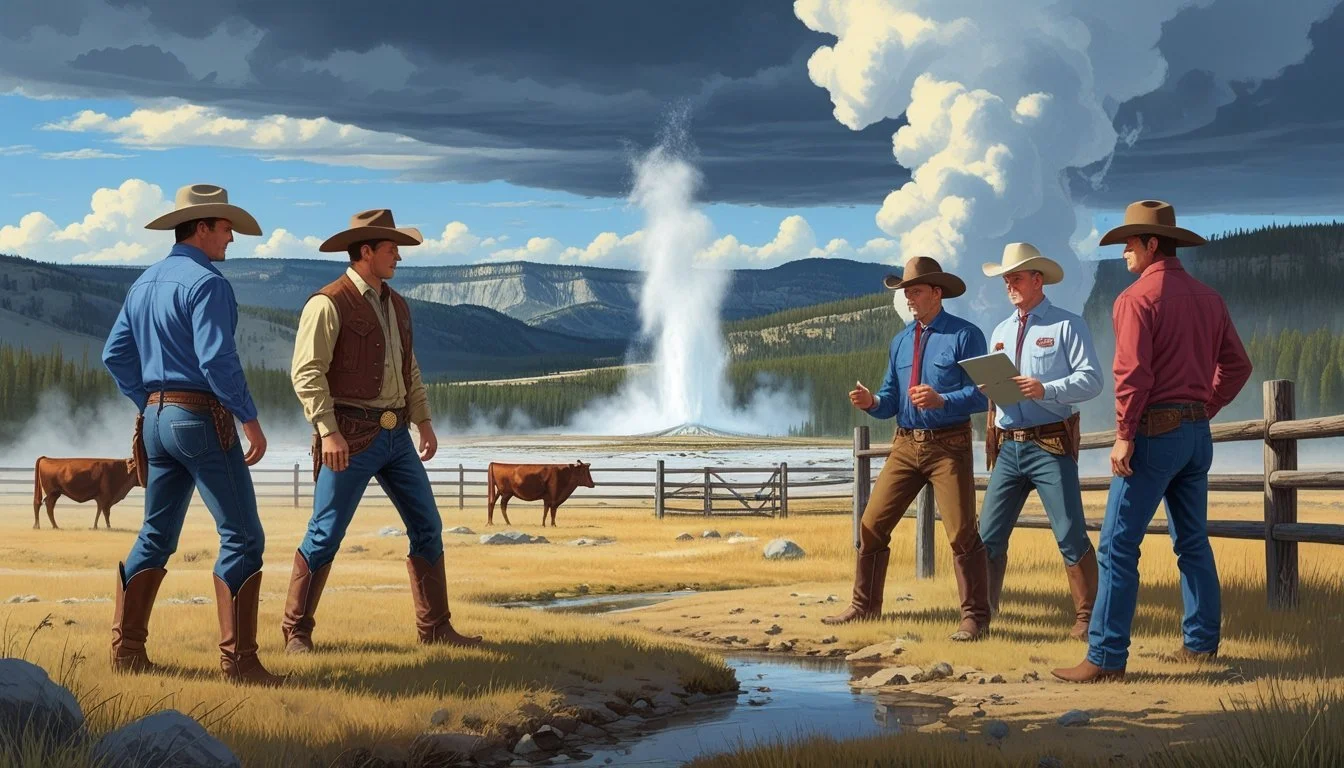
Yellowstone’s narrative centers on the intersection between raw political maneuvering, environmental battles, and the struggle to balance tradition with modern pressures. The show illustrates how ranching is shaped by political deals, conservation debates, and economic shifts in the West.
Political Corruption and Societal Norms
Yellowstone exposes how power operates behind closed doors in rural America. Political corruption is depicted through bribery, personal alliances, and manipulation by powerful families like the Duttons. These arrangements frequently override public interests, shaping land use and legal decisions for private gain.
The show also delves into societal norms that drive loyalty, secrecy, and rugged individualism. Local officials, law enforcement, and business leaders are often depicted as part of insular systems. Justice in this world isn’t just about laws but about who can enforce them.
This dynamic fosters a tense balance where tradition confronts outside influences. Decisions over land and resources become personal battles, embedded within generational conflict and regional identity.
Environmental Concerns and Conservation Efforts
Environmental issues are woven deeply into Yellowstone’s storyline. Conflicts over water rights, grazing permits, and land conservation reflect real-world debates across the American West. Characters must constantly weigh economic survival against ecological costs.
Some episodes highlight conservation efforts, such as disputes with Native American tribes over protected land. Conservationists, ranchers, and developers are shown fighting for limited resources, with wildlife preservation and sustainable ranching practices as frequent topics.
The show avoids simple answers, portraying both the necessity of conservation and the complexities facing families who’ve depended on the land for generations. Fire, drought, and government regulations challenge the Duttons and their neighbors, demonstrating the constant negotiation between progress and preservation.
Tourism, Development, and Ranch Survival
Montana’s growth as a travel destination directly affects the world of Yellowstone. The show depicts tourist demand and land development as major threats to ranching families. Rising property values, outsider investors, and short-term profit ventures increase pressure to sell traditional ranch lands.
A table outlining key pressures:
Pressure Impact on Ranchers Tourism boom Raises land prices, taxes Land development Reduces grazing acreage Urban expansion Introduces new regulations
The need to balance tourism’s economic benefits with the survival of historic ranches is a recurring theme. The influx of new money and shifting demographics places the ranching community in constant negotiation over their future and identity.
Ranchers in the show face stark choices: adapt, resist, or be forced out. These issues echo real-life challenges in rural America, where rapid change continuously tests the resilience of established ways of life.
Dramatic Storytelling and Modern Television
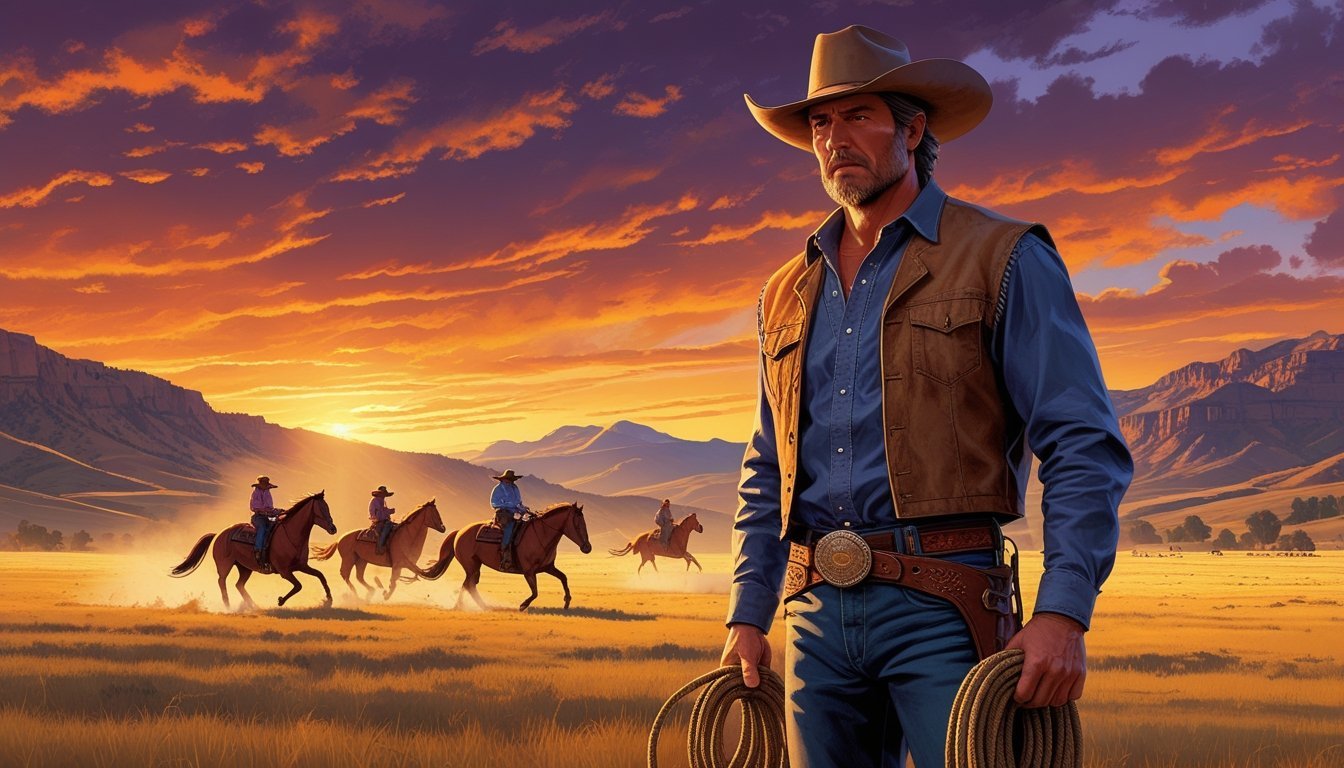
Yellowstone reshaped contemporary television by blending intense family drama with the traditional Western genre. The show’s success draws on Taylor Sheridan’s unique approach, distinct influences, and a notable expansion of the story world through multiple spin-offs.
Taylor Sheridan’s Vision and Influences
Taylor Sheridan, known for acclaimed works like Hell or High Water, Sicario, and Wind River, brought a cinematic perspective to the TV series. His writing emphasizes complex characters and morally ambiguous situations, setting Yellowstone apart from other dramas. Sheridan’s direction combines the heightened emotional stakes of Shakespearean tragedy with stark realities of the modern West.
He carefully weaves themes of loyalty, betrayal, and inheritance, drawing clear parallels to classics such as King Lear. The storytelling approach invites viewers into the internal struggles of the Dutton family, adding a psychological depth rarely seen in mainstream Westerns. Viewers are presented with personal dilemmas that reflect larger questions of power and legacy.
Sheridan’s background in neo-Westerns gave him the tools to update traditional frontier narratives. By focusing on dialogue-heavy scenes, intense confrontations, and ethical gray areas, the show appeals to those who appreciate layered storytelling and character-driven drama.
Western Genre and Storytelling Techniques
Yellowstone reimagines the Western genre for modern audiences. Unlike sanitized depictions of ranching found in shows like Heartland, Sheridan opts for grit, realism, and ongoing conflict. The show uses slow-building tension, rich visual landscapes, and detailed family dynamics to intensify dramatic storytelling.
Key storytelling techniques include juxtaposing Montana’s sweeping vistas with private family disputes. The score, costume design, and attention to authentic ranching techniques all contribute to an immersive atmosphere.
Sheridan’s scripts favor concise dialogue and unflinching confrontations rather than melodrama. By depicting the real challenges of ranch life and the encroachment of outside influences, the series resonates with contemporary issues. This approach appeals to a broad viewership, boosting Yellowstone’s profile beyond typical Western fans.
Spin-Offs and Expanding the Yellowstone Universe
Capitalizing on Yellowstone’s popularity, Paramount has developed multiple spin-offs to further explore the Dutton family and their legacy. Notable series include 1883 and 1923, each focusing on different generations and historical periods.
These spin-offs delve into American frontier history, offering varied storytelling styles and character arcs. They reinforce recurring themes of survival, power, and family, while maintaining Sheridan’s commitment to grounded storytelling.
The expansion of the Yellowstone universe attracts new viewers and deepens engagement among existing fans. This multi-generational approach has helped define the modern Western TV landscape, ensuring continued interest and high viewership across the franchise.
Authenticity Through Production: Filming and Design

Yellowstone achieves a believable representation of ranch life through careful attention to filming locations, set and costume design, and the involvement of real cowboy expertise. Every production choice, from the ranch setting to the denim thread, contributes to an atmosphere grounded in reality.
Chief Joseph Ranch and Filming Locations
Chief Joseph Ranch in Darby, Montana, serves as the iconic Dutton family home. Its landmark white barns and sweeping fields are not only visually striking but also reflect working ranch conditions. Many scenes are filmed on the actual property, capturing genuine Montana landscapes without fabricated backdrops.
Other filming locations, such as areas near Bozeman and Missoula, further root the series in authentic Western settings. Wide-open pastures, rugged woodland, and mountain vistas help establish a sense of place.
By choosing real ranches over soundstages, the series brings the environmental challenges and beauty of ranch life to the screen. Local extras and working animals, often sourced from nearby rodeos and ranches, add layers of realism.
Costume and Set Design
Costume designers focus on details that reflect the clothing ranchers actually wear. Durable denim and canvas, weathered cowboy boots, and practical hats dominate the wardrobe. Jackets, belts, and gloves are chosen for utility, not just aesthetics.
Set design highlights the lived-in world of a functioning cattle operation. Tack rooms, mudrooms, and bunkhouses contain authentic tools and gear. The main lodge’s interiors mix rich leathers, rustic wood, and branding irons—elements common to Montana ranches.
Props and vehicles are frequently sourced from regional suppliers, ensuring accuracy right down to the brands found in a Bozeman feed store. This dedication minimizes any artificial gloss and maintains the illusion of a working ranch.
Horsemanship and Cowboy Attire
The cast trained with real cowboys to develop authentic horsemanship skills, from saddling to working cattle. Many of the recurrent extras are professional wranglers or rodeo veterans, teaching actors proper riding and lasso techniques.
Cowboy attire, including boots, chaps, and weathered hats, is chosen for function as much as appearance. Actors wear gear that shows real wear, dust, and scuffs, not stylized versions for camera.
This emphasis on practical clothing and proper technique is enhanced by consulting actual ranchers for accuracy. The physical demands of Western ranch life translate to the screen, reinforcing the show’s realistic tone.
Inheritance, Legacy, and the Future of the Ranch
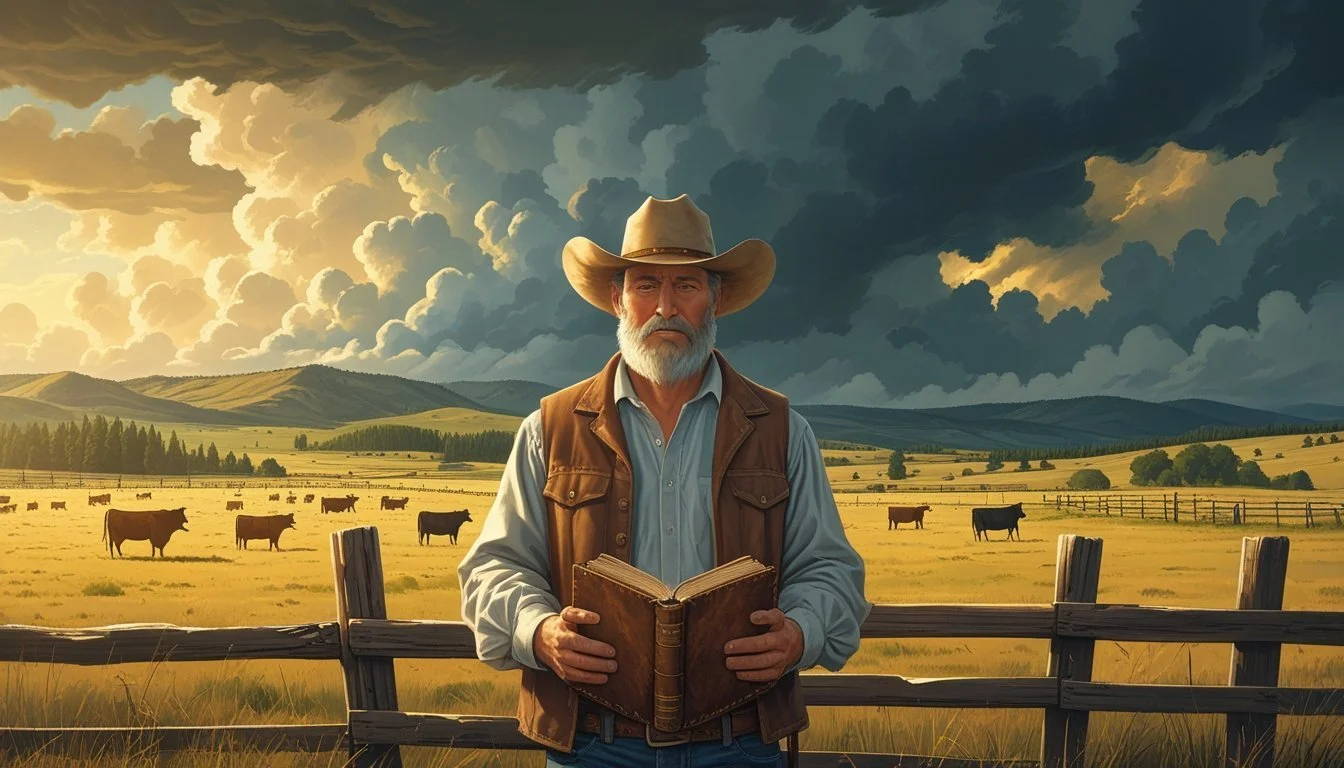
The fate of the Yellowstone Dutton Ranch is shaped not only by legal inheritance but also by the values and traditions embedded in ranching families. Control, legacy, and uncertainty frame the ongoing struggles facing those who wish to preserve—or claim—the ranch for future generations.
Passing Down the Ranching Tradition
In Yellowstone, inheritance goes beyond legal transfers of land. The show depicts how skills, ethics, and the hard realities of ranching life are instilled in each generation. Veteran ranch hands mentor the next, teaching horsemanship, land stewardship, and the day-to-day management necessary to keep a massive ranch running.
The Duttons’ legacy is closely linked to their ability to maintain their land and culture. Family members, whether blood or adopted, must prove their loyalty and competence. Responsibility is not just handed down; it is earned through hard work, personal sacrifice, and an understanding of the ties between land, labor, and legacy.
Ranching traditions are passed along through:
Mentorship: Older hands overseeing newcomers
Rituals: Branding, cattle drives, and seasonal routines
Storytelling: Sharing family and ranch history by word of mouth
These elements reinforce the stability and identity of the Yellowstone Ranch, tying its future to those willing to uphold its traditions.
Challenges to Dutton Family Legacy
The Dutton family's inheritance is continuously threatened by legal, financial, and personal conflicts. Outside developers, shifting laws, and competing business interests put direct pressure on the family’s claim to their land, making the ranch's future precarious.
Family ties often strain under the weight of succession. John Dutton, as patriarch, faces hard decisions about which family members are fit to inherit leadership and control. The series highlights disputes, rivalries, and betrayals within and outside the family, further complicating the inheritance process.
Key obstacles to legacy preservation:
Legal battles and contested wills
Economic pressures such as property taxes and land value spikes
External threats from corporations and politicians seeking the land
Real-world ranch inheritance can involve protracted court cases and financial strain, echoing the drama shown in Yellowstone. The show’s portrayal underscores how legacy in ranching requires constant vigilance and adaptation, not just a name on a deed.
