
When Yellowstone Characters Choose Violence Over Love
Key Moments and Their Impact on the Series

Yellowstone often shows its characters choosing violence as a solution, even when love or reconciliation might be possible. The series features frequent conflicts where emotions and grudges quickly lead to confrontations, escalating tension at every turn. These choices are not limited to background characters; main figures like Beth, Rip, and Kayce routinely wrestle with the decision between protecting their own through force or strengthening bonds through understanding.
This pattern of violence over love shapes the show’s distinct atmosphere and drives many of its most pivotal moments. Family loyalty and survival instincts often take priority, resulting in a cycle where peaceful resolution is rarely the first option. The consequences of these decisions leave lasting impacts, not just on relationships, but also on the personal well-being of the characters involved.
The Core Conflict: Violence Versus Love in Yellowstone
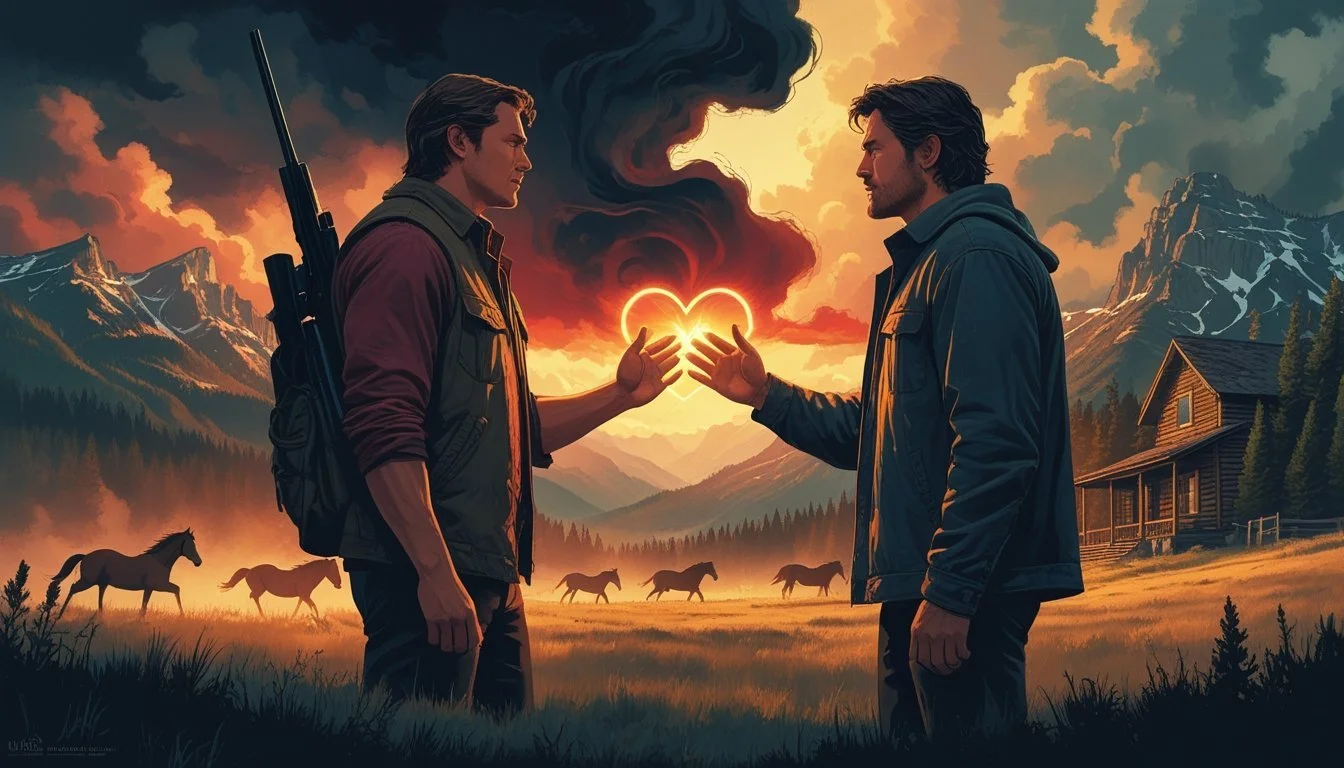
In Yellowstone, violence and love are deeply enmeshed in the personal and political struggles of the Dutton family and those around them. Taylor Sheridan’s neo-Western drama leverages these forces to reveal character motivations and highlight the power structures at the heart of Montana’s harsh landscape.
Thematic Exploration of Violence and Love
Violence in Yellowstone is not just a recurring event; it is a significant vehicle for advancing the plot. Characters often face choices that force them to weigh loyalty and compassion against the survival of their land and family.
Love emerges in complex forms—such as Beth’s fierce loyalty to her father John and Rip’s devotion to Beth. However, love rarely shields characters from brutality. Instead, it sometimes motivates their most desperate acts, like seeking vengeance or defending the ranch at all costs.
These dualities reflect the larger themes at play in Taylor Sheridan’s vision of the modern Western. Conflict, often settled violently, frequently overshadows expressions of intimacy or forgiveness. In this environment, love and violence are entwined, each influencing the other within the family and their power struggles.
Moral Ambiguity and Power Dynamics
Moral lines in Yellowstone are intentionally blurred. Characters who seek to protect family or legacy often cross ethical boundaries, justified by their own sense of duty or love.
Power dynamics sit at the center of these choices. John Dutton’s leadership style relies on force as much as persuasion, suggesting that in his world, power is seldom separated from the potential for violence. This is visible in both business negotiations and personal confrontations.
The series uses this ambiguity to challenge viewers: characters like Jamie and Beth must navigate decisions where the difference between right and wrong is not always clear. As a result, acts of violence can appear as love’s extension, rather than its opposite, complicating traditional views of heroism in the modern West.
Character Motivations: Choosing Violence Over Love
Violence in Yellowstone often emerges not out of impulsiveness, but from deliberate personal values tied to legacy and loyalty. Characters such as John Dutton and Beth Dutton make decisions that place duty and self-preservation above emotional connection.
John Dutton's Approach to Family and Survival
John Dutton, portrayed by Kevin Costner, sees violence as a necessary tool for survival and protection of his family's legacy. For him, the Yellowstone ranch represents both heritage and identity, and he equates its safety with the survival of the Dutton family line.
Rather than rely on compassion or negotiation, John frequently resorts to intimidation and force. This approach stems from deep-seated beliefs about the ruthlessness required to defend land and family in a hostile environment. He measures love for his family through acts of protection, even if those acts are morally ambiguous.
Key aspects of John’s motivations:
Motivation Manifestation Family Preservation Confrontation, retribution Legacy Protection Unyielding management style Survival Instincts Preemptive violence
John's choices often alienate him from those closest to him, emphasizing the cost of placing violence above more nurturing forms of love.
Beth Dutton’s Unyielding Loyalty and Vengeance
Beth Dutton, played by Kelly Reilly, channels her loyalty into acts of aggression and revenge. Her upbringing in the Dutton family instilled not only a sense of duty but also the expectation that violence is justified when defending family honor.
Beth rarely hesitates to retaliate against anyone threatening her father or the ranch. Her sense of love intertwines with vengeance; these motivations frequently overlap. She considers acts of revenge as demonstrations of loyalty, blurring the line between affection and hostility.
She uses psychological tactics as much as physical confrontation, blending emotional intensity with strategic ruthlessness. Beth’s unwavering loyalty, when combined with her trauma and anger, results in a fierce approach to conflict that prioritizes vengeance over reconciliation.
Key Moments When Yellowstone Characters Opt for Violence
Violence is a defining part of life at the Yellowstone Dutton Ranch. Major events often center on the choice to use force as a way to protect family, land, or personal power in Montana’s often-unforgiving environment.
Notable Shootouts and Confrontations
Shootouts have become a staple of the Yellowstone series, demonstrating the harsh reality of ranch life in Montana. Key examples include the opening scene of Season 1, where John Dutton is drawn into a deadly standoff with a rival ranch. Other shootouts, such as the attack on the Dutton family in Season 3’s finale, highlight the ever-present threats those at the ranch face.
These moments not only drive the show’s action but also reveal deeper motives and rifts between characters. When Kayce and Rip defend the ranch from hired attackers, it emphasizes the seriousness of the threats and their willingness to resort to violence.
Physical altercations, intimidation, and stand-offs reinforce power dynamics within the Dutton family and among their rivals. The consequences of these choices ripple through relationships, amplifying stress and distrust.
Confrontations With Market Equities and External Threats
Market Equities, a powerful corporate entity, plays a central role as a key antagonist, using aggressive tactics to acquire land. The Duttons respond with forceful resistance, from destroying survey equipment to orchestrating covert threats against company representatives. These actions underscore the tension between modern business interests and traditional ranching.
Beth Dutton’s calculated maneuvers against Market Equities especially showcase psychological warfare and the threat or use of violence to keep opponents at bay. Confrontations with armed mercenaries in Season 4 further escalate the stakes, blurring the lines between personal and corporate battles.
This clash brings external dangers directly onto ranch property, making violence seem like an inevitable response. As a result, the Duttons are often forced to meet these intrusions with equal or greater force to maintain control.
Land Rights and the Protection of Yellowstone Dutton Ranch
Land is at the heart of every major conflict in Yellowstone. The Duttons’ commitment to protecting their ranch from outsiders—be it neighboring landowners, Native American tribes, or corporate giants—frequently turns disputes violent.
To defend Yellowstone Ranch, the family and loyal ranch hands take direct, sometimes brutal action. Notable instances include confrontations over cattle boundaries and the forceful removal of trespassers. Legal avenues are often abandoned in favor of swift, physical retaliation.
Table: Types of Land-Related Conflict and Typical Responses
Conflict Type Typical Dutton Response Land grabs and encroachment Armed standoffs, threats Sabotage of property Retaliatory attacks Cattle theft Violent pursuit, gunfire
For the Duttons, violence is viewed as a necessary tool in the ongoing fight to preserve their family’s legacy and territory. The readiness to use force is woven into the very fabric of Yellowstone ranch life.
Family Dynamics and Loyalty Within the Dutton Clan
Family loyalty in the Dutton household shapes nearly every decision, influencing not only the present but the trajectory of future generations. The clash between personal ambitions and the duty to protect family legacy often leaves lasting consequences for both the young and the old.
Impact on Tate and the Younger Generation
Tate, as the youngest Dutton, experiences firsthand the consequences of his family's battles. Exposed to threats, kidnappings, and high-pressure situations, he grows up in an environment where violence and conflict are normalized. These events impact Tate’s perception of trust, security, and family boundaries.
Major influences on Tate include:
Exposure to trauma from attacks against the ranch
Parents and grandparents modeling loyalty through drastic measures
Difficulty forming relationships outside the family due to constant threats
Tate’s involvement in family matters, even as a child, highlights how the Dutton legacy prioritizes survival over emotional well-being. The ongoing cycle places immense responsibility on younger members, pushing them to internalize aggressive behavior as necessary for the family’s survival.
Role of Jamie Dutton in the Family Divide
Jamie Dutton stands as one of the most conflicted characters regarding loyalty and ambition. His quest for acceptance and his legal expertise often put him at odds with other family members, especially as secrets surface about his past and the family legacy.
In Season 5, Jamie’s decisions and shifting alliances intensify existing fractures. His struggle is marked by:
Attempting to assert independence while facing rejection from John and Beth
Legal maneuvers that either protect or threaten Dutton interests
Dilemmas involving parenthood and belonging, as he grapples with his adoption and biological roots
Jamie's actions often escalate tensions, forcing the family to confront uncomfortable truths. His position exemplifies how personal ambition and unresolved trauma can disrupt even the closest family ties.
Rip Wheeler’s Moral Code and Consequences
Rip Wheeler stands out in Yellowstone for his rigid loyalty and willingness to cross legal and ethical lines for the Dutton family. These choices often reveal the tension between his sense of duty and the high price he pays on a personal level.
Allegiance to the Duttons
Rip’s loyalty to John Dutton is absolute. He follows orders as the family’s trusted enforcer, acting as both protector and fixer when conflicts arise. Whether carrying out acts of violence or managing the ranch’s darkest secrets, Rip rarely questions the morality of his tasks.
Key aspects of Rip’s allegiance:
Executes John’s directives, even when illegal
Prioritizes the ranch’s survival over his own safety
Rarely seeks outside validation or recognition
Cole Hauser’s portrayal brings depth, showing Rip’s struggle with personal responsibility. The character often sacrifices his autonomy, making decisions with legal consequences. His unwavering allegiance shapes both the story’s moral landscape and the Duttons’ power dynamic.
Personal Sacrifices
Rip’s identity is shaped by his troubled past and the sacrifices he makes for the family. As an orphan who suffered tremendous trauma, his sense of belonging to the Duttons is both comforting and costly. His willingness to shoulder violence serves as both a bond and a burden.
Rip gives up personal happiness for ranch loyalty. His relationship with Beth Dutton, though powerful, is marked by secrecy and risk. He mentors younger ranch hands, reinforcing the code of violence over vulnerability.
Through Cole Hauser’s nuanced performance, Rip’s emotional sacrifices are clear. The character development centers on a man who chooses hard loyalty at the expense of love and peace, illustrating the show’s central theme of the cost of violent devotion.
Native American Tribes: Resistance, Survival, and Cultural Preservation
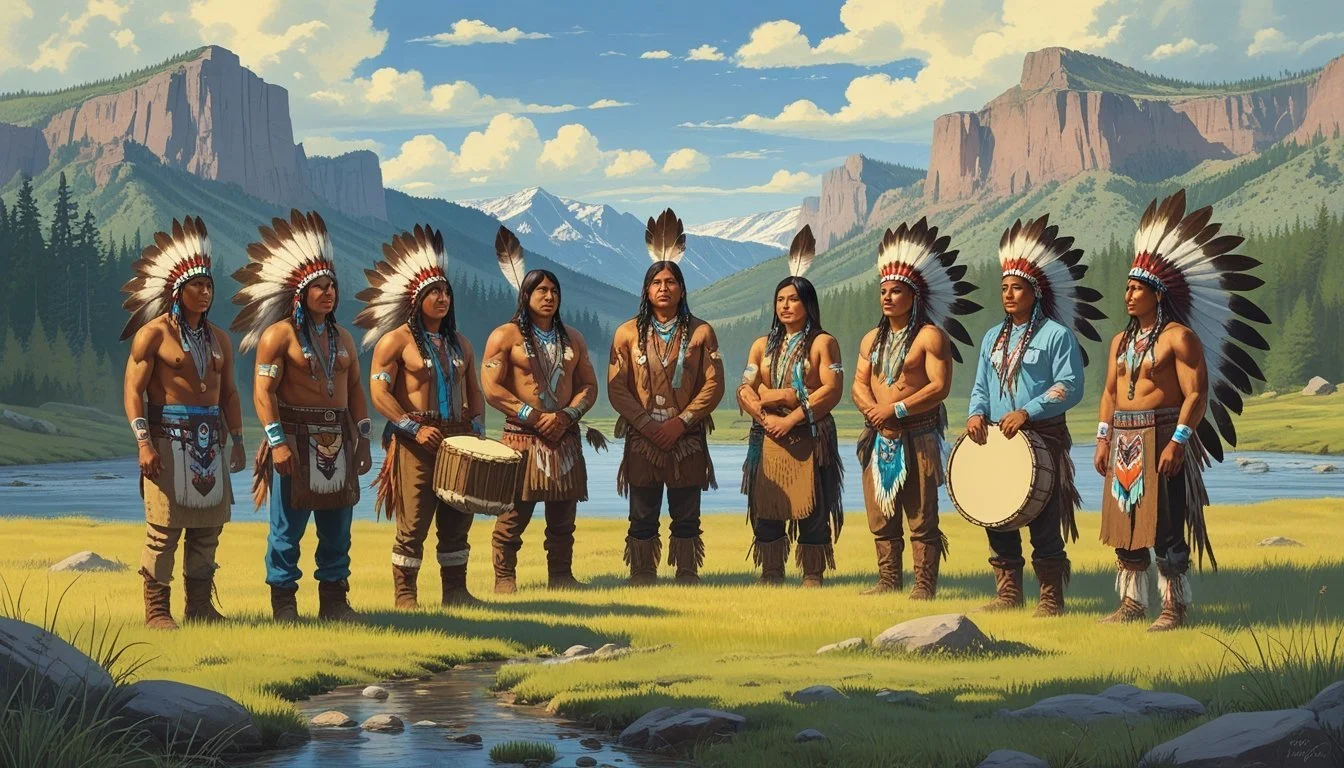
Indigenous people in the Yellowstone narrative contend with a legacy of land disputes, resistance, and cultural survival. Their interactions with neighboring communities, including the Dutton family, reveal ongoing challenges and alliances rooted in historical realities.
Land Disputes and Historical Injustices
Native American tribes in the Yellowstone region face continued struggles over land rights and ownership. The legacy of broken treaties, forced removals, and government-sanctioned land seizures still impacts their communities today. These injustices are not just historical but remain part of present legal and political battles.
Tribal leaders fiercely defend their land and sovereignty. The depiction of the fictional Broken Rock Reservation in Yellowstone highlights contemporary conflicts between Indigenous communities, government agencies, and powerful ranch owners. Issues such as resource access, hunting rights, and sacred land preservation are major sources of tension.
Cultural preservation is central to these disputes. Maintaining connection to ancestral land is intertwined with survival, traditional values, and identity. Legal battles and activism serve both as resistance against further loss and as a means of affirming tribal heritage.
Alliances and Rivalries With the Duttons
The relationship between the Dutton family and the local Native American tribes is marked by shifting alliances and rivalries. At times, tribal leaders form strategic arrangements with the Duttons to achieve mutual goals or counter external threats, such as land developers or political interests.
Despite occasional cooperation, these alliances are fragile. Power imbalances and historical grievances often resurface, fueling conflict. The Duttons, while sometimes sympathetic, act primarily in defense of their own interests, sometimes clashing with tribal objectives for land reclamation and cultural recognition.
Tribal characters, exemplified in figures like Thomas Rainwater, leverage both legal systems and negotiation to advance their tribe’s rights. Their resistance is deliberate and pragmatic, blending traditional values with modern tactics in a landscape where trust is precarious and survival requires adaptability.
The Influence of Setting: Montana, the American West, and Ranch Life
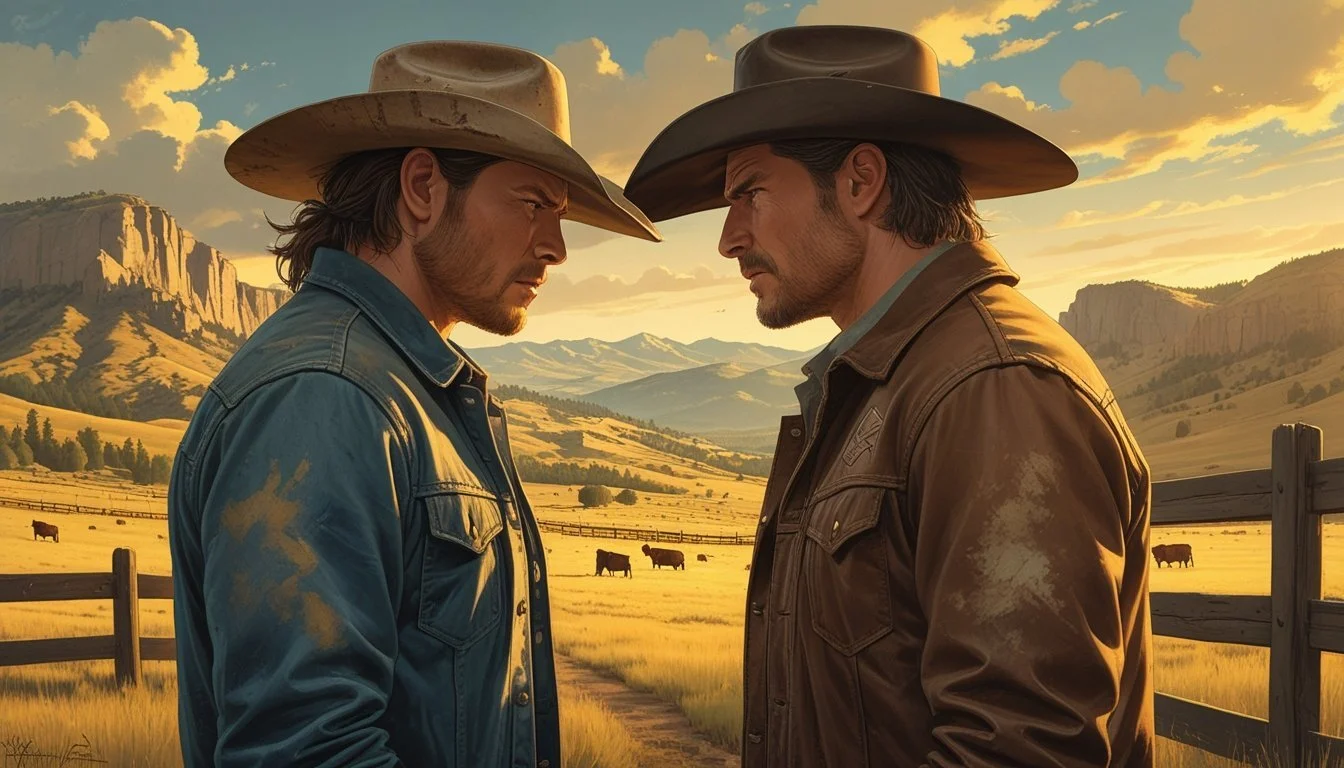
Montana’s imposing landscapes shape every decision on Yellowstone. The American West’s history and the Dutton ranch’s traditions make violence and conflict feel inevitable, overshadowing moments of connection or gentleness.
Symbolism of the Yellowstone Dutton Ranch
The Yellowstone Dutton Ranch serves as the show’s central symbol—both a haven and a battleground. Ownership of this vast property drives the series’ main conflicts, where family loyalty collides with threats from land developers, rival ranchers, and even government officials.
Ranch life on the property is grueling and physically demanding. The isolation of rural Montana, combined with dramatic scenery, amplifies the stakes of every encounter. Characters often reject compromise, seeing violence as a primary method for protecting what they believe is rightfully theirs.
The ranch’s traditions are steeped in old codes: respect for land, hard work, and unwavering loyalty. These ideals can push characters toward violent choices when challenged. The ranch is not just a setting—it is an extension of the Dutton family identity, representing their legacy and the lengths they will go to protect it.
Broader Significance in the Western Genre
The American West, and especially Montana, is central to the Western genre’s enduring appeal. Stories in this tradition often center on rugged landscapes, clashes over land, and the tension between modernity and tradition.
Yellowstone taps into classic Western themes: settlers versus outsiders, individual versus law, and the blurred moral lines of frontier justice. The use of actual Montana locations adds authenticity, making the consequences of violence or compassion feel immediate and real.
Montana’s harsh climate and vast openness reinforce characters’ tendencies toward self-reliance and toughness. The genre frames love and violence as twin responses to the pressures of survival, and Yellowstone echoes this dynamic through every struggle, negotiation, and confrontation on Dutton land.
Environmentalists and the Battle for Land
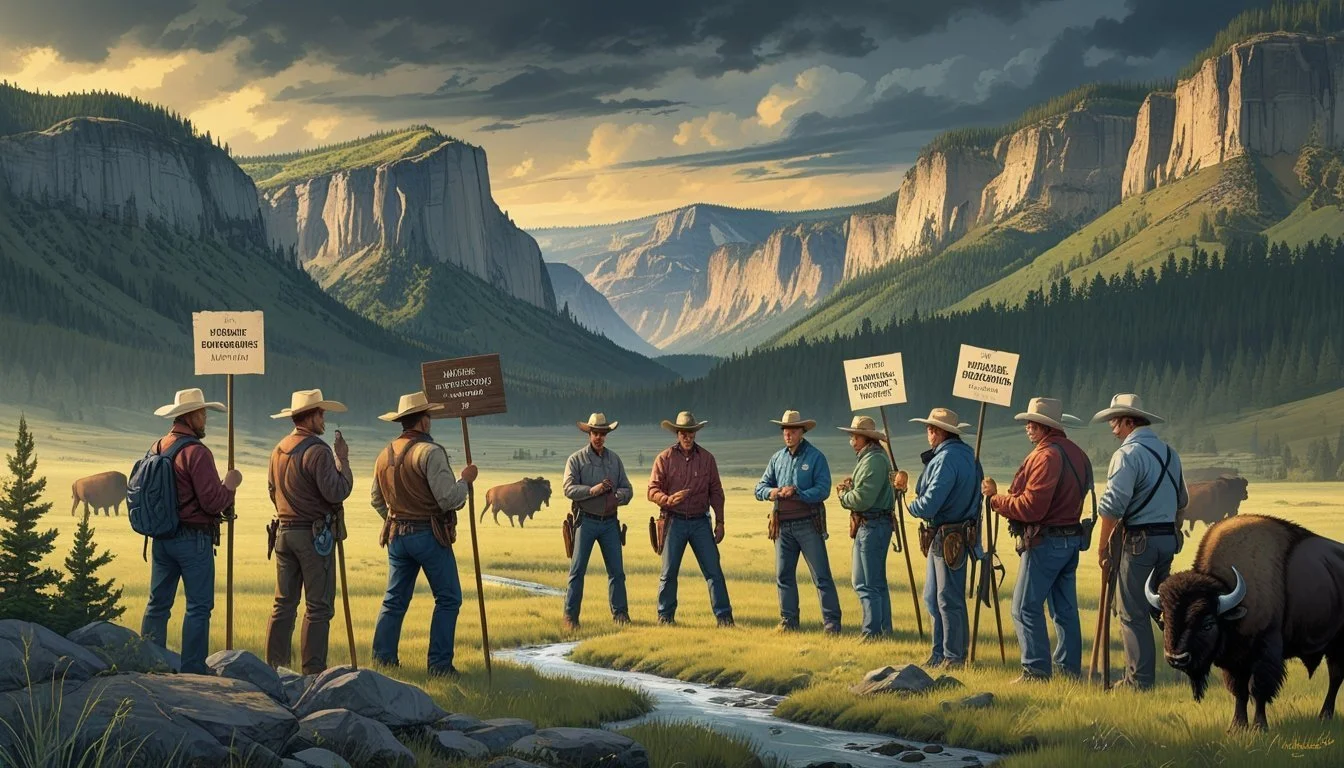
Yellowstone highlights ongoing disputes between conservation groups and commercial interests. The series uses these tensions to show how violence can become a chosen tool in fierce debates over land use.
Conflict Between Progress and Preservation
Environmentalists in Yellowstone seek to protect the park’s ecosystem and wildlife from commercial threats. Groups often clash with Market Equities, a company intent on large-scale development, including resorts and airports.
These disputes are not just business disagreements. They center on core values: long-term environmental integrity versus immediate economic gain. Market Equities views land as an asset to be exploited and converted into profit, while environmentalists emphasize intrinsic value and historical significance.
Demonstrations, legal battles, and covert sabotage are common strategies. Both sides sometimes cross lines, with some environmentalists portrayed as willing to sabotage or even resort to violence to block bulldozers or halt construction. This escalation raises questions about whether such actions undermine the very principles activists aim to protect.
Love, Romance, and the Suppressed Tenderness Among Characters
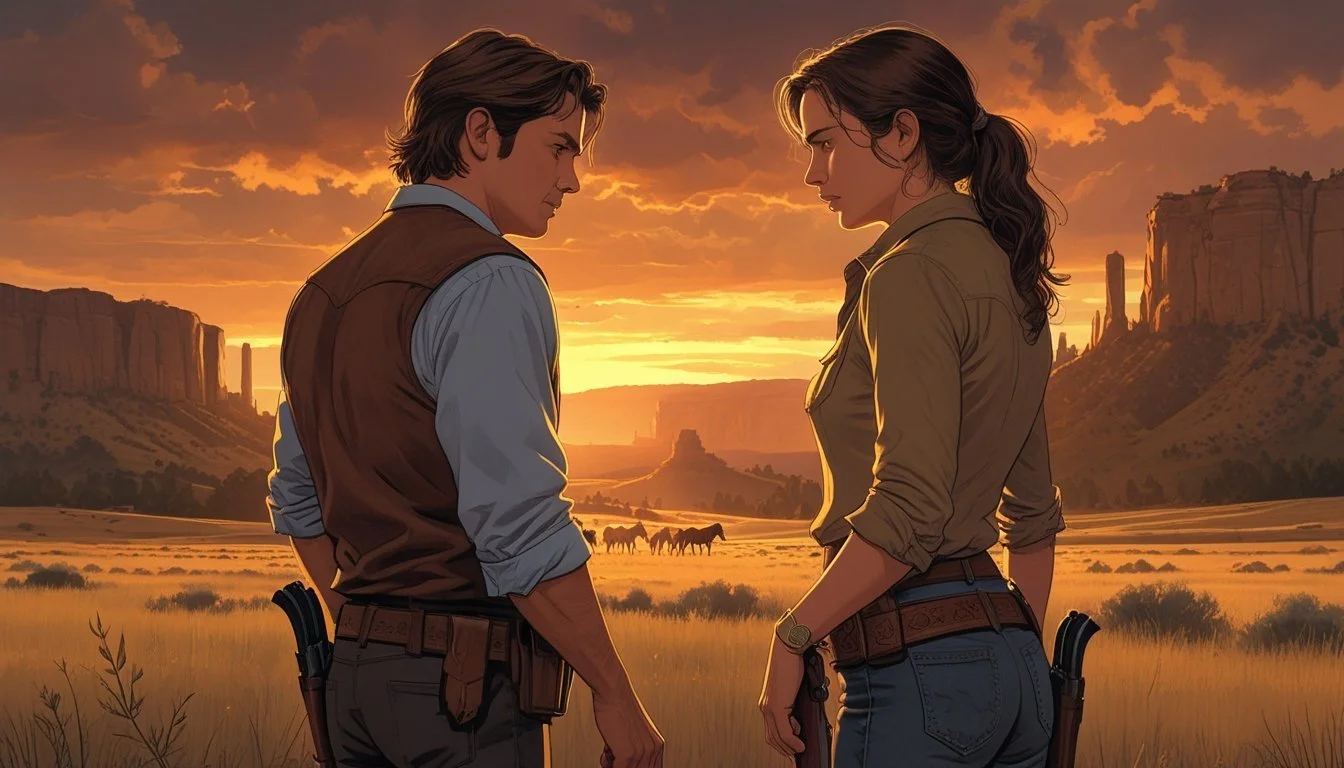
Characters in Yellowstone frequently battle between expressing affection and resorting to aggression. Emotional connections are often complicated and marked by deep-seated trauma, impacting how love is shown or withheld.
Beth and Rip’s Troubled Relationship
Beth Dutton and Rip Wheeler’s romance is defined by intensity and loyalty but also by pain and guarded emotions. Their bond is built on decades of shared hardship, shaping their approach to love as both a sanctuary and a struggle. Beth’s traumatic past and blunt personality cause her to shield her vulnerabilities, while Rip’s unwavering dedication sometimes masks his own emotional wounds.
Despite frequent conflict, their moments of tenderness—often brief and understated—highlight repressed affection beneath their tough exteriors. For viewers, their relationship provides insight into how suppressed tenderness shapes character development, revealing the cost of survival in a hostile environment.
Character Key Traits Suppressed Tenderness Beth Dutton Fierce, wounded Struggles to show softness Rip Wheeler Loyal, stoic Hides pain with strength
Yellowstone in the Context of Spin-Offs and the Sheridan Universe
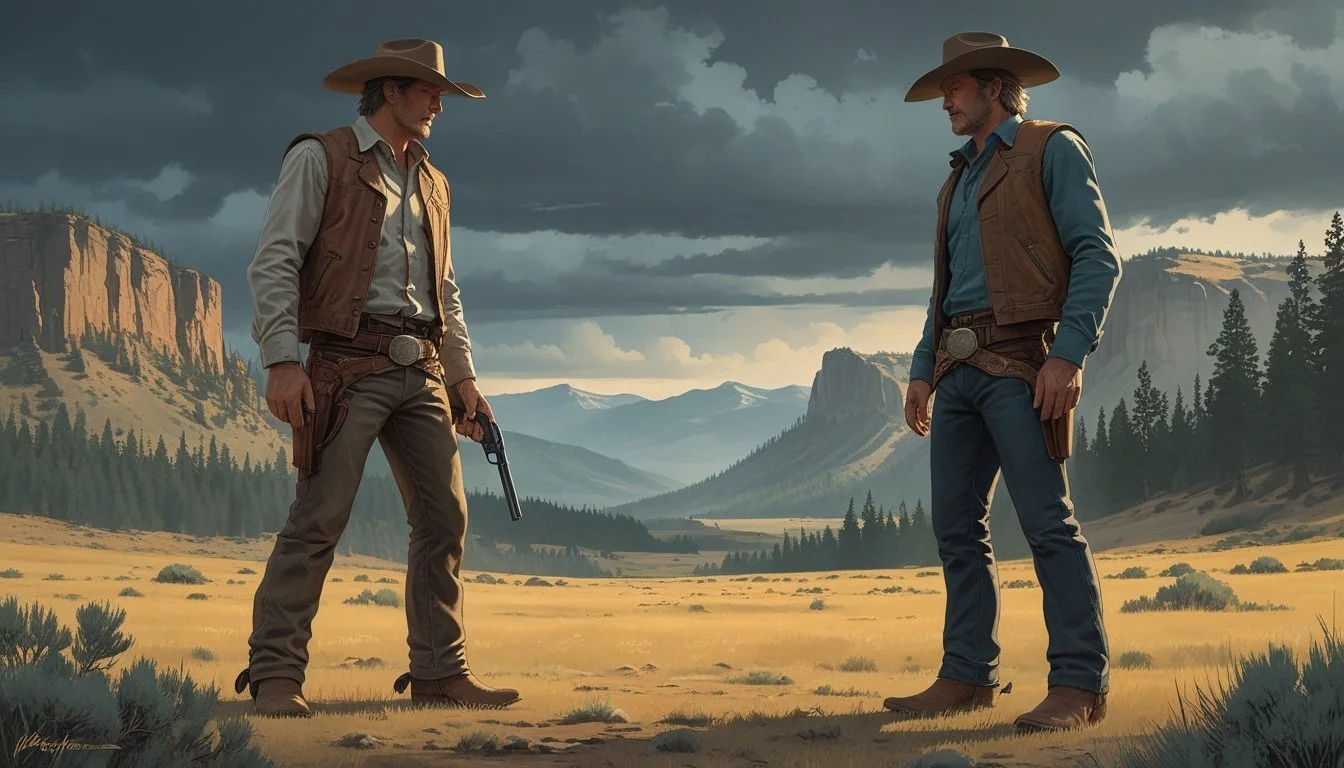
The world of Yellowstone has grown beyond a single series, becoming central to Taylor Sheridan’s expanding universe. Key projects like 1883 and Horizon interweave the Dutton family legacy with the themes and conflicts that define the neo-western genre.
Legacy of 1883 and Horizon
1883 serves as a prequel to Yellowstone, following the Dutton ancestors on their journey westward. This series lays the foundation for the family’s values and traumatic experiences, emphasizing how survival and loss influenced their harsh approach to both love and violence.
Horizon introduces new timelines, further connecting the Duttons’ choices to U.S. history. These entries in the Sheridan universe give context to the methods later seen in Yellowstone, illustrating generational cycles where fierce loyalty often supersedes compassion.
Both 1883 and Horizon expand the narrative by exploring different eras. This approach helps viewers understand how the Duttons' relationships and conflicts are shaped by historic patterns and deep-rooted traditions. The spin-offs ensure deeper character layers and highlight the persistence of violence across generations.
The Expansion of the Neo-Western Drama
Taylor Sheridan’s universe, including multiple Yellowstone spin-offs, has redefined the modern western. Series like 1883 and the anticipated Horizon merge historical context with contemporary issues, highlighting land disputes, family loyalty, and the cost of power.
These dramas build on Yellowstone’s formula—intense drama and morally complex characters. As more spin-offs appear, the narrative web gets richer, blending personal motivations with larger cultural themes.
Sheridan’s interconnected stories use violence and love as intersecting forces. By expanding the universe, each series enhances the depiction of struggle, identity, and adaptation in the American West, enabling a multi-faceted exploration of Yellowstone’s core motifs.
Audience Reactions and Cultural Impact
Viewers have shaped discussions about "Yellowstone" both in online communities and through their streaming habits. These reactions highlight the show's resonance with different audiences and its place in a rapidly changing television landscape.
Reddit and Fan Discussions
Reddit serves as a prominent platform for fans to share their thoughts on "Yellowstone’s" depiction of violence versus love. Threads often analyze why characters choose violence and discuss whether these choices feel justified or necessary.
Many users express admiration for the show's ability to develop morally complex characters such as John Dutton. Some discussions focus on how violence drives family loyalty, while others question the emotional toll these choices take. Polls and fan theories are common, sparking debate on potential character arcs and outcomes.
Conversations are not limited to praise. Criticism appears around the show's lack of diversity in both characters and perspectives. However, the emotional storytelling consistently fosters strong engagement, with fans revisiting episodes to unpack specific moments of conflict or reconciliation.
Streaming Platforms and Viewership
"Yellowstone" streams primarily on Paramount Network, with additional access through Peacock and select content on Paramount+. The series has become one of the most-watched dramas in the U.S., notable for attracting a large audience outside of traditional urban centers.
Streaming statistics indicate that the show's appeal is strongest among viewers seeking character-driven drama and high production quality. Data shows that binge-watching is common, with new seasons often causing spikes in subscriber numbers for platforms hosting the show.
The show's reach has prompted other streaming services to consider similar Western or rural-themed content. "Yellowstone’s" popularity also influences how networks market and schedule original programming, reinforcing the importance of accessible streaming options.
Climactic Outcomes: Series Finale and Character Legacies
Key choices in the final episodes of Yellowstone fundamentally altered the fate of the Dutton family and secured, or forever changed, the legacy of their land. The commitment to violence or the rejection of love played a visible role in how each legacy was sealed in the series finale.
Endings in Season Finale and Series Finale
The series finale brought several characters’ long-running struggles to a head. John Dutton's death, which happened off-screen, was a decisive moment that removed the central figure anchoring the family's fate.
Vaulted into new roles, Beth and Kayce confronted their own choices, with Beth leaning into ruthlessness while Kayce was torn between preserving his family and following the violent path laid before him. Rip’s actions during the finale—transporting an adversary to “the train station”—summed up his loyalty, but also his unwavering commitment to Dutton-style justice above reconciliation.
The final episode delivered on dramatic closure for most main characters, but also showcased how a life shaped by conflict leaves little room for connection. Major decisions, each driven by violence or the desire for preservation, marked the endpoint of arcs that began with fractured loyalties.
Long-Term Impacts on Family and Land
The loss of John Dutton signaled a tectonic shift in the family legacy. The ranch’s future became uncertain as the remaining Duttons clashed over how to honor his memory and maintain control.
Beth’s enduring antagonism complicated any hopes for the family to heal or reverse the scars violence had caused. The land, so fiercely protected through both diplomacy and bloodshed, remained the ultimate prize and burden.
Inheritances were shaped not just by title, but by the relentless tension between protection and destruction. The ongoing fight to secure the Dutton name on the land underscored that violence, once chosen, cast a lasting shadow on each generation’s attempts to define the family’s legacy.
