
How Yellowstone Reinvented the Modern Western: Shaping Contemporary TV Drama
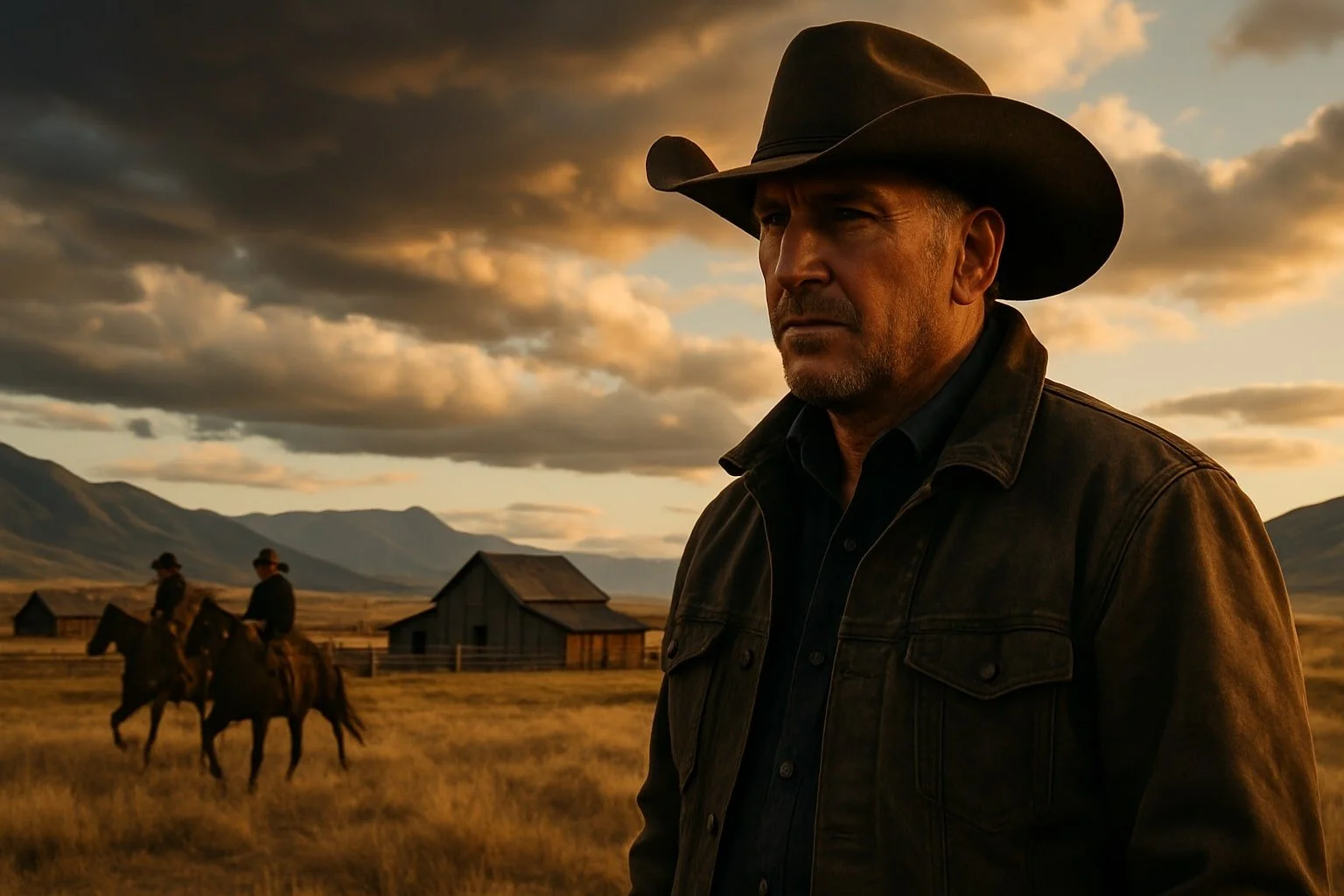
Yellowstone has redefined the modern Western TV drama by blending classic Western themes with contemporary storytelling and complex characters. Since its debut in 2018, the series has brought new energy to the western genre, attracting a wide audience and sparking renewed interest in stories rooted in American tradition.
The show stands out for its sharp focus on family loyalty, land conflicts, and rugged individualism, all set against the backdrop of current social and cultural issues. Yellowstone’s approach has made the Western relevant to today’s viewers and turned it into a cultural phenomenon.
With its high production values, engaging narratives, and impactful characters, Yellowstone has raised the standard for modern western TV and inspired a fresh wave of interest in this once fading genre.
The Legacy of the Western Genre
The Western genre has shaped popular understandings of American identity and cultural values for generations. Its enduring symbols—rugged landscapes, stoic heroes, and frontier justice—have influenced storytelling across film, television, and literature.
Defining Characteristics of Classic Westerns
Classic Westerns present clear moral conflicts set against sweeping, often unforgiving American landscapes. Common themes include rugged individualism, survival, and the tension between civilization and the wilderness.
Notable features are:
Heroic but flawed protagonists, usually portrayed as cowboys or lawmen
A frontier setting, often in the late 19th century American West
Showdowns, lawlessness, and personal codes of honor
The genre has traditionally emphasized personal justice, simplicity, and social order threatened by chaos. By reinforcing values like self-reliance, these stories have contributed to American myths of character and destiny.
Iconic Western Films and Influences
Seminal Western films have set enduring standards for the genre’s style and substance. John Wayne, a symbol of the Western hero, starred in classics such as Stagecoach and The Searchers, both directed by John Ford.
Influential Films:
Film Year Director Stagecoach 1939 John Ford The Searchers 1956 John Ford Unforgiven 1992 Clint Eastwood
John Ford’s films helped define the imagery and themes associated with Westerns, focusing on resilience and the moral struggles of settlers. Unforgiven questioned old tropes, deconstructing the myth of the noble gunslinger and prompting a reevaluation of violence and redemption.
Evolution of the Western in Popular Culture
The Western evolved over decades, reflecting changing social values and audience expectations. Early Westerns promoted a romantic view of the frontier, but later works became more critical, addressing topics like injustice and the loss of indigenous cultures.
Television adaptations expanded the genre’s reach, with shows like Gunsmoke and Bonanza introducing Western motifs to a broader public. The genre’s enduring influence is visible in modern reinterpretations—such as gritty revisionist Westerns and contemporary series—that explore the complexities of cultural preservation and American identity.
The legacy of the Western endures by continually redefining itself in response to shifting narratives and cultural attitudes.
Yellowstone's Groundbreaking Storytelling
Yellowstone redefined the Western TV landscape through bold narrative choices and a sharp focus on contemporary issues. The show intertwines gritty realism, dynamic character arcs, and unexpected drama to keep viewers deeply invested.
Modernizing Classic Western Tropes
Yellowstone takes traditional Western elements—such as land disputes, cattle ranching, and family loyalty—and grounds them in modern conflicts. Instead of relying on outdated motifs, the series confronts relevant topics like corporate greed, environmental struggles, and political maneuvers.
Montana's vast prairies and rugged mountains serve as a striking backdrop, enhancing the story with both danger and beauty. This scenery supports the drama but never overshadows the contemporary themes woven into each episode.
The Dutton family’s fight to protect their land recalls classic standoffs yet feels timely. Conflicts involve lawyers and billionaires instead of bandits and sheriffs, making each episode feel familiar and fresh.
Moral Ambiguity and Complex Characters
Character development is central to Yellowstone’s appeal. The series avoids clear-cut heroes and villains, presenting deeply flawed individuals. Characters like John Dutton, Beth Dutton, and Rip Wheeler each carry complex motivations and personal histories that challenge viewer expectations.
Their choices often blur the line between right and wrong, forcing viewers to question their own loyalties. For example:
Character Notable Traits Key Moral Dilemmas John Dutton Ruthless, principled Defending land at any cost Beth Dutton Fierce, vengeful Balancing love and revenge Rip Wheeler Loyal, violent Obeying orders vs. morals
By embracing shades of gray, the show achieves a gritty realism that makes its drama resonate.
Narrative Structure and Plot Twists
Yellowstone’s storytelling structure emphasizes long-term arcs and suspenseful plot twists. Episode pacing is deliberate, with slow builds followed by explosive confrontations that often change the series’ direction.
Surprise betrayals and dramatic deaths, such as the shocking losses within the Dutton family, deliver emotional impact and reset alliances. The script weaves in flashbacks to reveal character backstories, enriching each plot turn.
The progression relies on cliffhangers rather than simple resolution. This technique keeps audiences invested while maintaining high stakes throughout the season, ensuring the show remains fresh and gripping.
The Dutton Family Saga
The Dutton family's legacy shapes much of the central conflict in Yellowstone. Power struggles, loyalty, loss, and generational duty define their relationships and daily battles on the ranch.
John Dutton's Leadership
John Dutton stands as the patriarch and primary decision-maker of the Yellowstone ranch. His leadership is defined by a strict adherence to family values and a relentless drive to keep the ranch under Dutton control. This commitment sometimes puts him at odds with his children and outside forces alike.
He navigates threats from land developers, rival ranchers, and even the government, relying on longstanding family traditions to protect the property. John’s decisions often have life-or-death consequences, impacting everyone connected to the ranch. His deep knowledge of the land and people gives him an advantage, but he is constantly tested by betrayal, ethical dilemmas, and personal loss.
Not only does John hold legal authority, but he also sets the moral tone for the family. His tough choices underscore the brutal reality of survival in a changing West. Character deaths and internal strife frequently challenge his leadership, yet he remains resolute, seeing his stewardship as part of a larger family legacy dating back to the original Dutton pioneers.
Beth Dutton’s Resilience
Beth Dutton is the daughter whose intelligence and ferocity make her one of the most formidable figures in the series. Scarred by trauma from her youth and the loss of her mother, Beth uses her personal pain as both a shield and a weapon.
She excels in the world of finance, using business acumen to fight off those threatening the family’s land. Her willingness to take drastic measures, even at great personal risk, distinguishes her from other characters. Beth’s outspokenness and confrontational style lead to intense family drama and sometimes unstable alliances.
Despite their conflicts, Beth’s loyalty to John is unwavering. She frequently sacrifices her own happiness for the greater good of the family. Her ability to recover from setbacks and stand firm against powerful enemies makes her a central figure in the saga of survival and legacy on the Yellowstone ranch.
Rip’s Loyalty and Relationships
Rip Wheeler is the ranch foreman and one of the most loyal protectors of the Dutton family. Orphaned and adopted by the Duttons as a teenager, Rip’s sense of debt and belonging shapes every action he takes on the ranch. To John, Rip is both an enforcer and a surrogate son.
Rip’s loyalty extends beyond words, expressed through his willingness to perform the ranch’s most difficult and dangerous tasks. He often deals with threats swiftly and quietly, demonstrating a moral code rooted in survival and protection of the family. His relationship with Beth adds emotional depth, showing a softer side rarely seen among the other hands.
The bond between Rip and the Duttons, particularly with John and Beth, is — at times — stronger than blood. Their trust in him is absolute, and his readiness to do whatever is necessary highlights the often harsh choices required for the ranch’s survival.
Family Loyalty and Survival
Family loyalty remains the backbone of the Duttons’ strength and complexity. * Everyone on the ranch, whether by blood or by oath, is bound by a deep commitment to defend their home at all costs.
Frequently, members are forced to choose between law and loyalty. Betrayals, shifting alliances, and character deaths create continuous tension. These moments are not only dramatic but deeply consequential, often reshaping the family dynamic and testing individual resolve.
Survival for the Duttons is never just personal; it is tied directly to maintaining the ranch’s legacy. Sacrifices, both large and small, define their relationships and the future of the Yellowstone ranch. The family’s legacy is preserved through tough decisions, a willingness to fight, and the capacity to endure trauma and loss for the sake of those who come after.
Ranch Life and American Identity
Yellowstone’s portrayal of Montana’s ranch life has shaped new conversations about what it means to be part of an enduring American tradition. By focusing on both the hardships and beauty of the landscape, the show explores how ranching, cowboy culture, and the land itself influence American identity.
Depiction of Everyday Ranch Life
Yellowstone presents ranch life as physically demanding and deeply connected to the rhythms of nature. The show features early morning cattle drives, fence repairs, and the constant battle with weather conditions. These details highlight the dedication and resilience required to maintain a working ranch in modern times.
Danger and unpredictability—from wildfires to animal injuries—are frequent challenges for ranch families. Relationships between ranch hands, family members, and local communities are tested by these trials, revealing how responsibilities often outweigh personal desires. The work is shown as never-ending, underscoring the lifestyle's reality instead of romanticizing it.
Table: Elements of Ranch Work Portrayed in Yellowstone
Task Frequency Key Challenges Cattle Drives Daily Weather, Terrain Fence Repairs Weekly Distance, Tools Branding Seasonally Injury, Precision Negotiations Ongoing Land, Water Rights
Cowboy Culture and Traditions
Cowboy culture on Yellowstone is closely tied to authenticity and respect for longstanding traditions. The characters use real ranch skills such as roping, riding, and branding, passing techniques down through generations. The code of honor among cowboys, including loyalty and stoicism, is consistently highlighted.
Traditions such as rodeos, western attire, and storytelling preserve a sense of continuity amid change. The show also explores the tension between tradition and progress as ranchers adapt to new technologies and pressures from land developers. This struggle is central to the series’ portrayal of cultural identity, grounding the characters in a shared heritage.
List of Cowboy Traditions in Yellowstone:
Rodeo participation
Wearing classic western attire
Oral storytelling around campfires
Seasonal branding rituals
Symbolism of the Land
The Montana landscape in Yellowstone serves as both a backdrop and a central character. Sweeping plains, breathtaking mountains, and open skies contribute to the ranchers’ sense of belonging and responsibility. Ownership of land is depicted as a direct link to American identity and legacy.
Conflicts over land and water rights represent deeper debates about tradition and modernity. The land is more than property; it embodies history, family, and the ongoing fight to maintain a way of life. The show’s cinematography reinforces the majesty and harshness of Montana, illustrating why protecting this land is a driving force for its characters.
Power Struggles and Social Commentary
Yellowstone sets itself apart by using its storyline to examine who holds power and how it is contested. Through disputes over land, political corruption, and confrontations with developers, the show reflects real tensions in the American West.
Land Rights and Conflicts
Land rights serve as a central battleground on Yellowstone. The Dutton family's fight to keep their ranch is not just about property, but about preserving their legacy against outside threats. These disputes touch on patterns of land ownership that have defined the region for generations.
The show introduces Native American perspectives, notably through Chief Thomas Rainwater. He challenges the historical loss of tribal land and seeks to reclaim territory through legal and political strategies. Conflicts are not simply legal battles; they are struggles over identity, history, and belonging.
Land developers and corporations are consistently portrayed as aggressive forces, often seeking profit over heritage. This tension creates a cycle of negotiation, resistance, and—sometimes—violence that makes each player's motives clear.
Political Corruption and Power
The corridors of local power are often shadowed by corruption and manipulation. John Dutton, while determined to protect his family's legacy, does not shy away from using his political influence. His seat as livestock commissioner gives him leverage over law enforcement and policy decisions, blurring ethical lines.
Yellowstone casts a critical eye on the overlap between business and politics. Market Equities, a major development firm, regularly lobbies for favorable policies and uses their resources to gain access to valuable land. This interplay between business interests, land ownership, and government exposes how systemic power is wielded in the pursuit of control.
Favoritism, backdoor deals, and legal maneuvering are not exceptions but recurring methods for getting things done. Characters navigate these systems with varying degrees of morality, emphasizing that the fight for the West is as much about politics as it is about land.
Rival Ranchers and Land Developers
Rivalries on Yellowstone are sharpened by the arrival of well-funded land developers and competing ranching families. These new and old adversaries introduce constant tension. The Duttons face challenges from longstanding rivals as well as Market Equities, whose financial muscle brings new strategies for taking land.
Developers press to subdivide and commercialize land, threatening the ranch’s traditional way of life. The motivations of competing ranchers often blend personal grudges with broader economic pressures as they try to resist both extinction and takeover.
Table: Forces Threatening the Duttons' Land
Foe Methods Motivation Market Equities Development, Lobby Profit, Expansion Rival Ranchers Legal challenges Survival, Grudge Chief Rainwater Tribal claims Restitution, Sovereignty
The constant pressure pushes characters to their limits, forcing decisions that reveal both the harshness of the modern West and the resilience of those who call it home.
Taylor Sheridan's Influence
Taylor Sheridan’s approach to television dramatically changed how Westerns are crafted for a modern audience. By combining classic motifs with contemporary issues, Sheridan’s work set new benchmarks in serialized drama and genre storytelling.
Directorial Vision and Storytelling Approach
Sheridan distinguishes his work with a focus on authenticity, complexity, and character-driven narratives. His storytelling often highlights family conflicts, land disputes, and the ethos of rugged individualism, grounding these themes in current societal issues. His scripts layer morally ambiguous decisions and nuanced character motivations, moving away from the simplistic good-versus-evil structure of older Westerns.
Cinematic techniques—such as sweeping landscape shots, natural lighting, and prolonged silences—define the show's visual identity. Sheridan directs many key episodes himself, ensuring a consistent tone and style across “Yellowstone.” He also employs a mix of veteran actors like Kevin Costner and newcomers, enhancing narrative tension and depth.
Creation of a Modern Western Franchise
Sheridan extended “Yellowstone” into a larger franchise by developing several spin-offs. Notable spin-offs include:
1883, a prequel exploring the origins of the Dutton family
1923, focusing on the next generation’s challenges
Both series deepen the world-building and further explore recurring threads from the main show. Sheridan’s influence is seen in the careful interconnections across these features, as well as the expansion into companion media like behind-the-scenes videos and special features.
The franchise model proved successful by blending serialized storytelling with new historical settings, ensuring the Western genre remains relevant in modern media landscapes.
Star Power and Performances
The casting and character work in Yellowstone set a strong standard for modern Western series. High-profile talent and nuanced acting ground the show's narrative, giving each episode a sense of authenticity.
Kevin Costner as John Dutton
Kevin Costner’s role as John Dutton provides Yellowstone with instant credibility. His decades of experience in film, particularly in Westerns, elevate the series and draw in viewers who associate him with the genre. Costner’s performance presents Dutton as a complex blend of strength, vulnerability, and authority.
He uses subtle expressions and restrained speech to communicate the weight of the ranch and family legacy. Dutton’s interactions with both his allies and adversaries reveal a man navigating loyalty and survival. Costner’s presence ensures John Dutton is a grounded, believable patriarch, anchoring the dramatic elements that define the tv series.
Kelly Reilly’s Portrayal of Beth
Kelly Reilly’s performance as Beth Dutton is pivotal to the emotional tone of Yellowstone. She brings sharp intelligence, intensity, and unpredictability to the role. The character is known for her biting dialogue and deep loyalty to her family, both of which Reilly fully embraces.
Reilly portrays Beth’s internal struggles—shaped by past trauma—with clarity, giving depth to her harsh exterior. Critics and fans have noted her ability to move between fierce confrontation and moments of vulnerability. Her dynamic performance ensures Beth stands out as one of television’s most memorable and layered characters.
Supporting Cast Contributions
The supporting cast in Yellowstone rounds out the story with nuanced performances. Actors such as Luke Grimes (Kayce Dutton), Wes Bentley (Jamie Dutton), and Cole Hauser (Rip Wheeler) each bring distinctive qualities to their roles.
Their character arcs explore varied aspects of power, loyalty, and moral conflict. Supporting actors often handle difficult emotional material, from loss to betrayal, adding realism and depth to the series. Their consistency enables the ensemble to function effectively, making the family and ranch life at the show’s center believable and compelling.
Key Supporting Cast:
Character Actor Kayce Dutton Luke Grimes Jamie Dutton Wes Bentley Rip Wheeler Cole Hauser
Each member of the cast is integral to Yellowstone’s success, reflecting the importance of ensemble performances in building a lasting television drama.
Visual Excellence and Cinematic Quality
Yellowstone stands out for its carefully crafted visuals, high production standards, and a realistic approach to set and costume design. The show’s cinematic presentation defines its identity and sets a benchmark for Western dramas on television.
Cinematography and Breathtaking Visuals
The series is known for its striking cinematography, with sweeping shots of Montana’s vast wilderness and the rugged beauty of the American West. Camera work often highlights the scale and isolation of the landscape, framing the Dutton ranch and surrounding lands as a character in itself.
Natural lighting plays a key role, giving scenes a sense of realism and rawness. The use of wide angles, aerial footage, and slow pans immerses viewers in terrain that shifts from tranquil to harsh. Unique color grading enhances the earthy tones of the plains and mountains, while emphasizing shifts in mood.
Consistent visual choices maintain thematic unity, reflecting the tough, changing environment where the characters live. Directors and cinematographers collaborate to ensure every frame contributes to both narrative and setting.
High Production Values
High production values are evident in every aspect of Yellowstone. The show invests in large-scale location shoots, robust technical crews, and the latest camera technology. This results in sharp visuals, fluid camera movement, and sound design that amplifies the story’s dramatic tension.
Detailed set construction replicates working ranches authentically, from barns to bunkhouses. Props, equipment, and vehicles are selected to match regional history and modern ranching practices. Schedules allow for optimal lighting and weather, providing conditions that enhance the finished product.
Budgets support extensive post-production work, where color correction, sound mixing, and editing maintain film-quality standards throughout each episode. This commitment to excellence raises the bar for Westerns on television and attracts both critical recognition and viewer loyalty.
Authenticity in Set and Costume Design
Yellowstone uses detailed set and costume design to foster a believable world. Ranch interiors include practical furnishings and weathered tools, while exteriors reflect realistic details such as fencing, livestock, and outbuildings. These elements build an immersive setting that feels familiar to viewers with knowledge of rural ranching life.
Costume designers work closely with cast members to create functional western wear. Characters wear boots, denim, cowboy hats, and rugged outerwear selected for both style and practicality. Some items, like Beth Dutton’s coats or Rip Wheeler’s work shirts, have influenced fashion trends beyond the show.
These authentic touches are central to the show's visual credibility, grounding dramatic events in a world that feels tangibly real. The attention to detail in both clothing and environment helps establish an enduring connection with the audience.
Cultural Impact and Fan Engagement
Yellowstone has played a substantial role in reviving interest in the Western genre, while also cultivating a dedicated fanbase. Its blend of classic Western themes with modern storytelling has extended its influence well beyond television.
Yellowstone’s Influence on Modern Television
Yellowstone redefined the TV drama landscape by modernizing Western narratives. Instead of relying solely on nostalgia, the series incorporates current social issues—such as land disputes, power struggles, and family loyalty—setting them against the backdrop of contemporary America.
The show's high production values, cinematic visuals, and sharp writing distinguish it from traditional Westerns. Viewers are drawn to complex characters whose motivations mirror real-life dilemmas, making the series relatable for a broad audience.
Its success sparked a trend in modern Western TV, inspiring similar shows and prequels like 1883 and 1923. This influence extends to fashion and lifestyle, with increased interest in Western-inspired clothing and outdoor culture, as seen in online and retail spaces.
Network executives and producers have taken note, leading to more investments in rural and frontier-based programming. Yellowstone's formula—mixing tradition with relatable modern drama—has reshaped expectations for what Westerns can achieve on screen.
Fan Communities and Cultural Phenomenon
Yellowstone's reach extends into popular culture through its highly engaged fanbase. Social media platforms teem with discussions, memes, fan theories, and scene breakdowns, fostering a vibrant online community.
Fans interact with cast and crew digitally, sharing behind-the-scenes content and organizing watch parties. This deepens the sense of ownership and connection that viewers feel with the series.
Tourism in Montana and Western states has surged, with fans seeking firsthand experiences of filming locations and the landscape showcased in the series. Western fashion trends, including cowboy hats and boots, have seen renewed demand, reflecting the show's broader cultural influence.
Yellowstone's dedicated audience plays a central role in making it a cultural phenomenon, keeping conversations lively well beyond each season’s end. As a result, it remains a touchpoint in discussions about the evolving face of modern Western TV and drama.
Yellowstone Universe and Expansion
Taylor Sheridan’s "Yellowstone" has grown beyond a single series, evolving into a wider storytelling universe with multiple shows, complex timelines, and new creative directions. Viewers now have access to interconnected stories across streaming services, all focused on the Dutton family legacy.
Prequel Series: 1883 and 1923
1883 explores the origins of the Dutton family as they journey west, setting the foundation for their future in Montana. The show, released on Paramount+, showcases early American frontier hardships and provides meaningful context to the "Yellowstone" narrative.
1923 moves the timeline forward, capturing the Duttons in the midst of Prohibition, economic turmoil, and the rise of modernity. Both prequels are notable for their period-specific detail, character-driven stories, and the way they deepen the viewer’s understanding of the mainline series.
These prequels help to bridge generational gaps and explain longstanding Dutton family traditions and conflicts.
Spinoffs and Story Arcs
The universe expands beyond prequels into a variety of spinoffs and narrative arcs, reflecting changing strategies in television production. New shows, such as the announced series tentatively titled "2024," are being developed to further explore the lives of the Duttons and characters introduced in "Yellowstone."
Spin-off projects allow writers and creators to focus on side characters and parallel storylines. This has enabled Sheridan’s universe to maintain momentum even as the original series nears its conclusion.
The move toward a multi-show approach is supported by platforms like Paramount+, Max, and Netflix, making the "Yellowstone" universe widely accessible and maximizing audience reach.
Speculation About Future Seasons
As "Yellowstone" Season 5 progresses, there are still open questions about the Duttons’ fate and the broader direction of the franchise. Rumors of additional spinoffs and sequels hint at more stories set in both contemporary and historical settings.
Production strategies have shifted, with hints about new characters and possible changes in visual style and narrative approach. A table below highlights anticipated directions:
Topic Detail Possible New Spinoffs Legal drama, ranch workers’ stories Expanding Platforms Max, Netflix, continued use of Paramount+ Franchise Longevity Creator interest in multi-generation saga
Viewers can expect major announcements regarding casting, streaming, and storylines as the universe continues to expand.
Critical Reception and Legacy
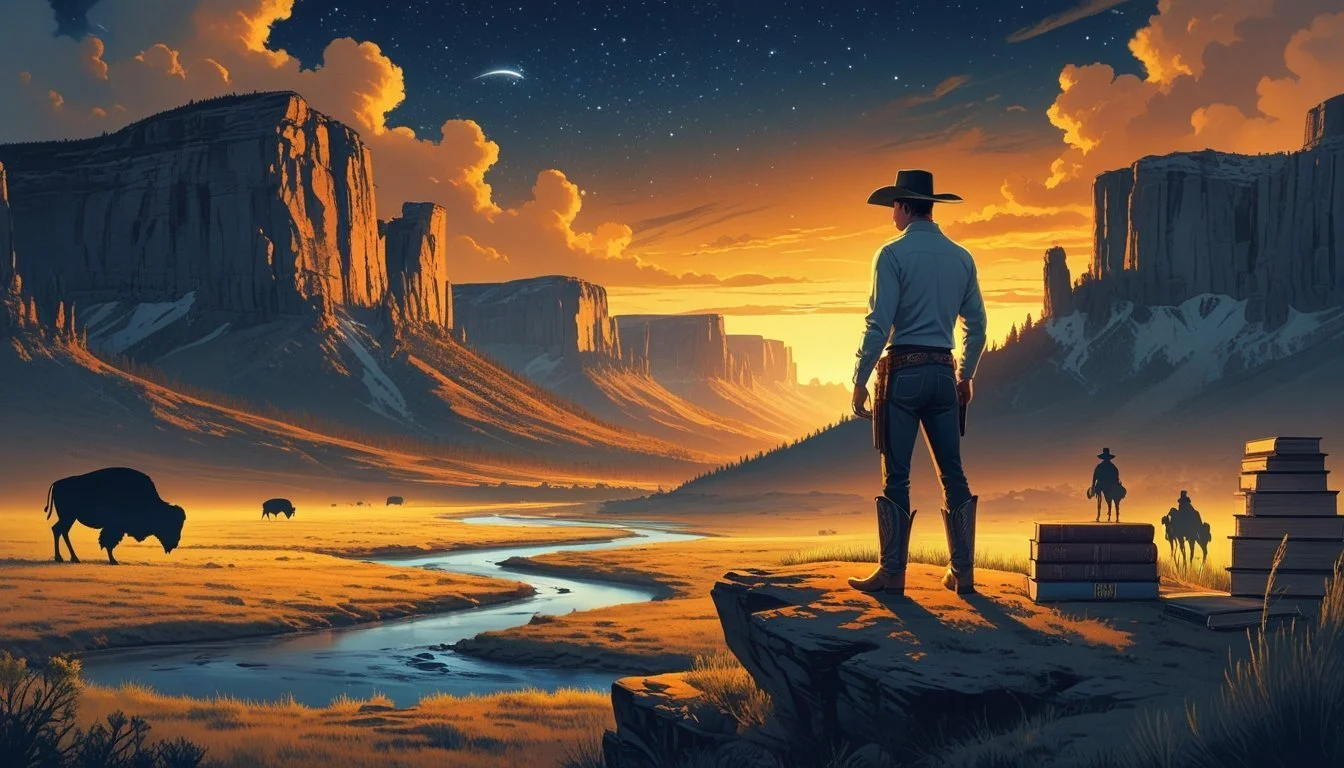
Yellowstone quickly gained attention for both its storytelling and its portrayal of contemporary Western life. The series received praise and scrutiny, influencing not only critics' opinions but also shaping the evolution of the Western genre in modern television.
Critics’ Reviews and Accolades
Critics responded favorably to Yellowstone upon its debut, noting its compelling mix of drama, moral complexity, and high production values. Many reviews highlighted Kevin Costner’s performance as John Dutton, viewing it as a career-defining role that added credibility to the series.
Publications such as The Hollywood Reporter and Variety praised the show’s strong writing and willingness to address contemporary issues within a Western framework. Audience ratings mirrored this acclaim, as Yellowstone consistently topped cable television charts, outperforming competitors in its time slot.
The series has received multiple nominations for Screen Actors Guild Awards and earned other industry recognition for acting, cinematography, and ensemble performance. These accolades helped solidify Yellowstone's place as a standout among modern television dramas.
Lasting Influence on the Western Genre
Yellowstone’s legacy is marked by its revitalization of the Western on television. The show modernized the genre by weaving in complex family dynamics, political intrigue, and power struggles, making it accessible to viewers beyond traditional Western fans.
Its influence is evident in the surge of new Western-themed series since its premiere, with several studios developing their own contemporary takes on the genre. Yellowstone's success encouraged the creation of prequels and spin-offs, demonstrating sustained audience interest.
Notably, the depiction of character deaths and high-stakes conflicts set new standards for dramatic tension in Western dramas. The show’s willingness to explore morally gray characters, land disputes, and modern-day challenges has redefined expectations for the genre’s future.
Key Features That Set Yellowstone Apart
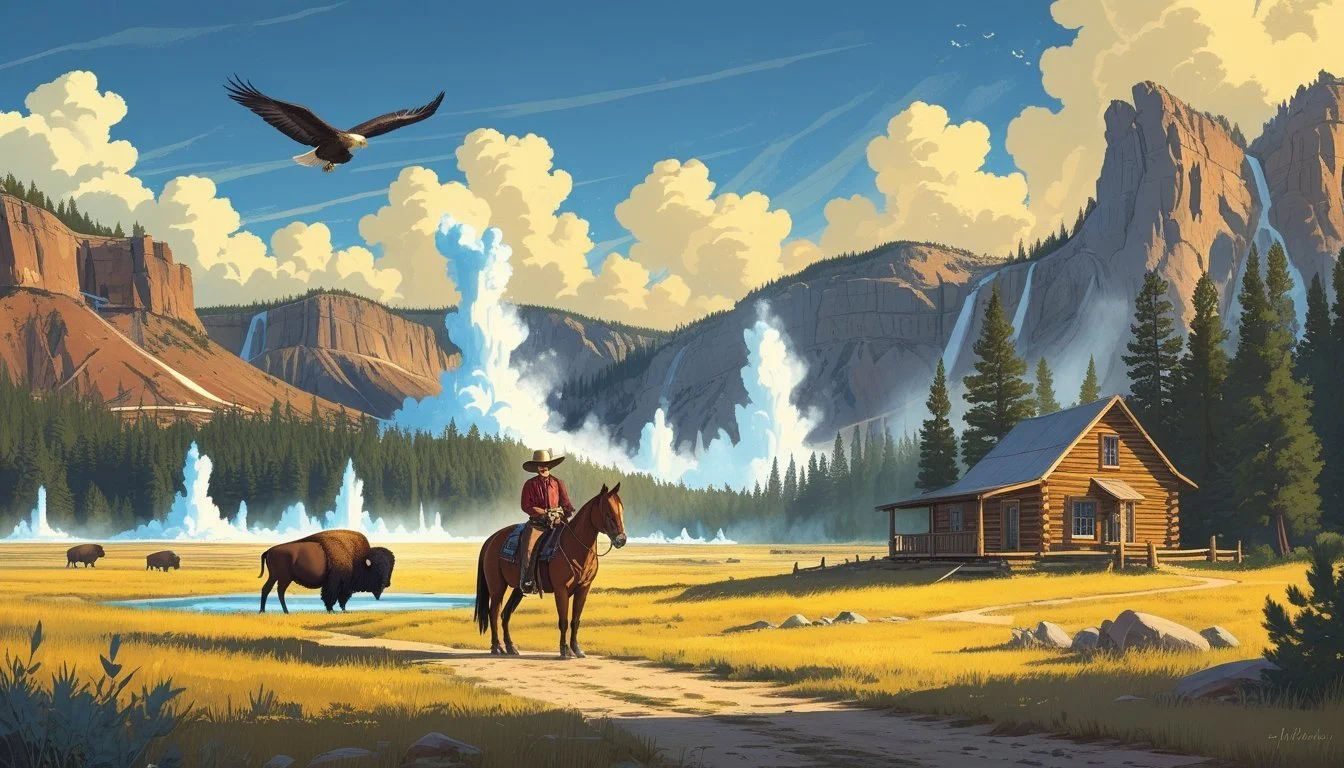
Yellowstone stands out in the television landscape for its fusion of classic Western motifs with contemporary narratives. Its ability to modernize tradition without sacrificing the genre’s visual or thematic roots is evident in its storytelling, cinematography, and character development.
Unique Blend of Tradition and Progress
Yellowstone incorporates hallmark Western elements—land disputes, family legacy, and rugged independence—while integrating current societal and political issues. The Dutton family’s ranch combines age-old values of honor and land stewardship with battles over corporate expansion, government regulation, and the encroachment of outsiders.
The show excels at depicting generational conflict, highlighting how younger characters—like Kayce—balance heritage with modern aspirations. This cross-generational tension is foundational to the drama.
Key elements include:
Interfamily conflict and loyalty
The clash between ranching tradition and commercial interests
Conflicts involving Native American sovereignty and modern law
Rather than simply recreating Western tropes, the series updates them for a 21st-century audience, making each theme resonate with contemporary viewers.
Distinctive Approach to Modern Westerns
Cinematic visuals set Yellowstone apart from other TV dramas. Wide-angle shots capture Montana’s striking landscapes, while the lighting and color grading mirror the scope of big-budget Western films. This high production value enhances immersion and grounds the story’s themes in a vivid physical setting.
Dialogue combines sparse, tough Western speech with modern language, ensuring characters feel both timeless and believable.
The show also weaves in modern storytelling techniques—such as non-linear narratives, morally ambiguous characters, and plotlines involving complex legal and business dealings. These attributes create a dense, engaging experience not usually found in traditional Westerns.
The use of a contemporary soundtrack and detailed costume design further reinforce the show’s unique identity, bridging past and present convincingly.
