
The Dutton Family Legacy
What Yellowstone Says About American Power and Influence

The television series Yellowstone showcases the Dutton family’s ongoing fight to keep control of their massive Montana ranch amid threats from business interests, rivals, and changing times. This saga uses the Dutton legacy to examine how power is built, maintained, and handed down in America, highlighting the realities of land ownership and generational influence. Through the family's struggles, ambitions, and conflicts, Yellowstone offers a stark look at how tradition, family loyalty, and calculated decision-making shape both individual lives and wider communities.
The Duttons’ story is woven into the landscape of the American West, where their hold on the Yellowstone Ranch becomes a symbol of both privilege and vulnerability. Power, for the Duttons, is not just about wealth but about presence, politics, and persistent negotiation. In showing the family’s challenges and triumphs, Yellowstone prompts viewers to consider what it truly means to inherit—and defend—a legacy in modern America.
The Origins of the Dutton Family Legacy
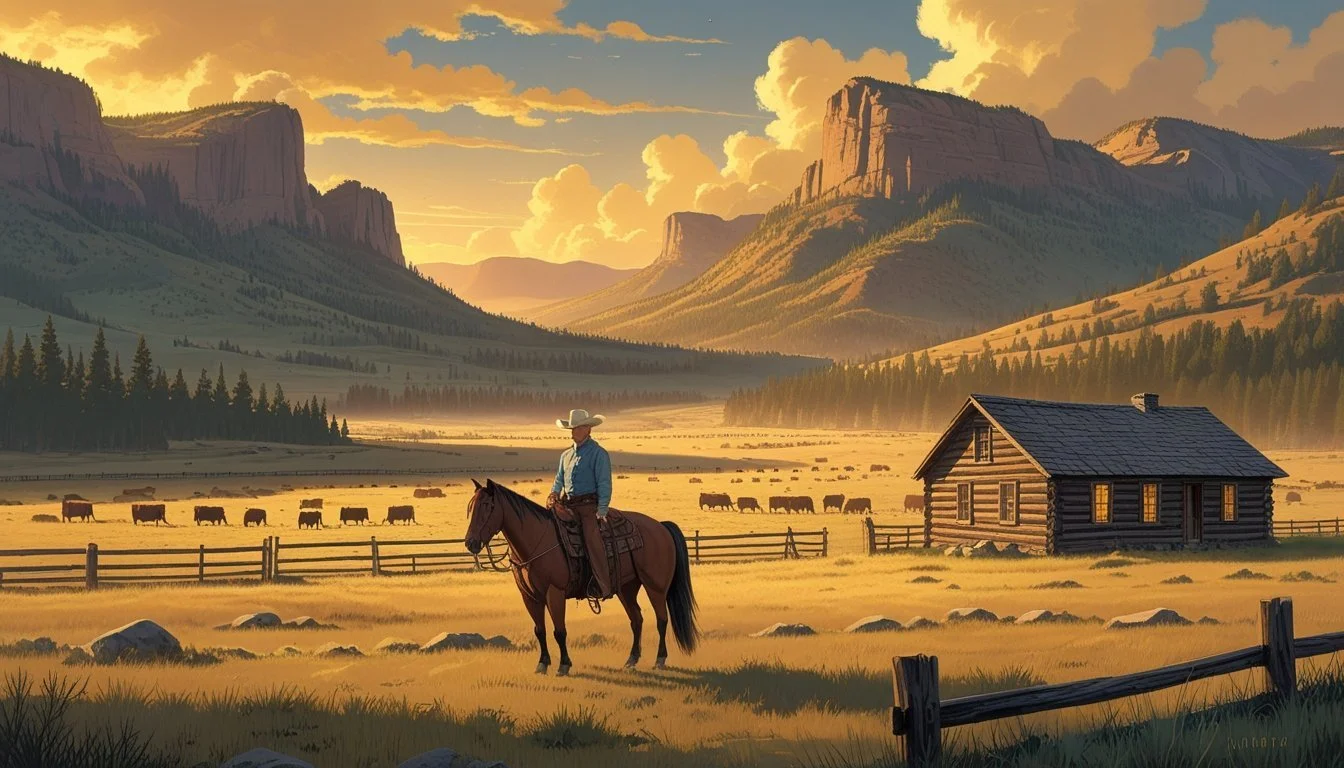
The Dutton family’s story is rooted in true historical challenges, shaped by migration, survival, and investment in land. Their journey highlights the impact of western expansion and the importance of generational stewardship in Montana.
From 1883 to the Modern Era
The Dutton family legacy traces back to 1883, when James and Margaret Dutton left Tennessee after the Civil War. Their trek westward was driven by both necessity and ambition, and they settled in Montana to lay new family roots.
In the series “1883,” the Duttons endure hardship and loss as they cross the frontier, facing hostile terrain and personal tragedy. This endurance sets the tone for future generations, establishing a pattern of resilience and adaptation.
Key timeline:
Year Event 1883 James Dutton leads his family to Montana 1923 Duttons face Prohibition and the Great Depression Present Modern Duttons steward the Yellowstone Ranch
Each generation of Duttons is tested by the era’s challenges, from the lawless days of westward expansion to modern legal and economic battles over land.
Montana and the American Frontier
Montana, with its vast and often unforgiving landscape, is central to the Dutton story. The American frontier represents both a promise and a threat, offering opportunity but demanding sacrifice.
The Duttons secure their land at a time when the West is still shifting from lawlessness to settlement. Their story mirrors the history of Montana’s transformation from a rugged frontier to a cornerstone of American ranching and agriculture.
Through their interactions with neighboring settlers, local tribes, and competing interests, the Duttons’ fortunes are closely tied to the broader story of the western United States.
Family Legacy and Heritage
Family legacy remains the Duttons’ defining value. Each member’s actions are influenced by what has come before, and their heritage guides decisions around land, loyalty, and conflict.
In "1923", the Duttons confront periods like Prohibition and the Great Depression. These times test the family’s unity and business sense, emphasizing their capacity to adapt and endure.
Heritage is preserved not just through land, but also through passed-down values—perseverance, duty, and the protection of what previous generations built. This ongoing stewardship underpins the Dutton family’s identity in Montana’s tumultuous history.
Yellowstone Ranch: Power and Land Ownership
Yellowstone Ranch highlights the complex relationship between power, land control, and traditional values in the American West. The show's focus on the Dutton family's quest to preserve their property reveals ongoing challenges tied to ownership, rights, and environmental stewardship.
Land Disputes and Rights
Conflicts over land rights are at the core of Yellowstone Ranch’s story. The Dutton family’s hold on hundreds of thousands of Wyoming and Montana acres is continuously threatened by developers, government agencies, and neighboring communities.
Key disputes often center on territorial claims from indigenous groups, particularly the Broken Rock Reservation, who seek the return of ancestral lands taken generations ago. This tension echoes real-world struggles, with the ranch symbolizing unresolved historical grievances and ongoing battles for restitution.
Legal battles and political maneuvering are constant as rival entities challenge the Duttons’ ownership. Eminent domain, financial pressures, and shifting land regulations add to the uncertainty of the ranch’s future. The idea of land ownership is portrayed as both a privilege and a burden that requires relentless defense against multifaceted threats.
Land Management and Conservation
Beyond disputes, Yellowstone Ranch presents significant questions about land management and conservation. The Duttons are depicted as stewards, balancing economic interests—such as cattle ranching and resource extraction—with the challenges of preserving grasslands and local wildlife, including elk herds.
Conservationists in the series often clash with the Duttons, advocating for the protection of fragile ecosystems against encroachment and overuse. Issues such as water rights, wildfires, and habitat fragmentation are integral to the storyline, reflecting the real complexities ranchers face in the American West.
Environmental issues—including maintaining healthy soil, preventing erosion, and mitigating the impact of grazing—demand constant attention. The ranch’s everyday operations reveal the delicate balance between productive land use and safeguarding the environment for future generations. This portrayal grounds the show’s drama in authentic land stewardship concerns.
Power Struggles and Political Intrigue
Yellowstone uses the Dutton family’s ongoing battles over their Montana ranch to examine how power is gained and maintained in modern America. The series explores both outside challenges and the complex politics of local governance as the Duttons seek to protect their legacy.
External Threats and Land Developers
Throughout the series, land developers are persistent external threats to the Duttons’ power. These developers represent corporate greed and the expansionist drive of capitalism. Their efforts to acquire the Dutton ranch for resorts and businesses come with legal tactics, pressure campaigns, and the involvement of powerful outside investors.
The push and pull between the Duttons and land developers often leads to violent confrontations and backroom deals. The show depicts how developers use the legal system, leveraging lawyers and corporate influence. It also shows how they attempt to bend local laws in their favor, seeking profit at the expense of tradition and local interests.
Conflict with the adjacent Native American reservation adds another layer. Tribal leaders challenge the legitimacy of the Duttons’ claims while land speculators try to manipulate both sides. This multiparty power struggle is central to the show’s depiction of the American West as a battleground for land and control.
Political Influence and Governance
Political intrigue is a key feature of Yellowstone’s narrative as the Duttons navigate state and local government. The family regularly interacts with the Governor of Montana, lobbyists, and law enforcement, using personal relationships and political influence to pursue their interests.
Elections and appointments are used as strategic tools. Members of the Dutton family and their allies run for office, make policy deals, and leverage power behind the scenes to protect their land. Influence over the sheriff’s office and state officials allows them to shape legal outcomes and manage public perception.
The Paramount Network’s portrayal highlights how the boundaries between business, crime, and politics are often blurred. Governance is shown not as a neutral process, but as a contest for influence where financial resources, connections, and strategic alliances determine who shapes Montana’s future.
Family Dynamics and Loyalty
The Dutton family’s power on Yellowstone is rooted in complex ties of loyalty, betrayal, sacrifice, and the enduring effects of trauma. Their relationships set the stage for conflicts, personal struggles, and tough choices that shape both their legacy and identities.
Family Loyalty and Betrayal
Loyalty is the cornerstone of the Dutton family, often superseding personal desires and individual happiness. John Dutton, the patriarch, demands unwavering allegiance to the ranch and family interests. Every decision is measured against its impact on the Dutton legacy.
Yet, loyalty is frequently tested. Sibling rivalries between Beth, Kayce, and Jamie expose deep fractures. Jamie’s actions, including moments of betrayal, highlight how personal ambition can threaten unity. At times, familial loyalty forces them into morally gray areas, emphasizing how easily trust can fracture under pressure.
The show illustrates that allegiance comes with costs. When loyalty falters, consequences are immediate and severe, often resulting in exile or estrangement within the family.
Sacrifices and Trust
Sacrifice defines life on the Yellowstone ranch. Family members routinely give up personal dreams, relationships, and even their safety for the greater good. Beth sacrifices her own well-being to protect her father’s legacy, enduring significant personal trauma.
Trust becomes both a weapon and a shield. John’s authority often relies on absolute trust—any wavering invites suspicion and swift retaliation. External threats to the ranch force the family to close ranks, demanding uncompromised loyalty from all members.
Key examples of sacrifice in the Dutton family:
Character Type of Sacrifice Outcome John Personal relationships Maintains control, isolation Beth Fertility, emotional safety Loyalty proven, trauma endured Kayce Military career, freedom Family bond, internal conflict
Trauma and Redemption
Trauma is a persistent undercurrent in the Dutton family’s story. Each member carries scars, whether physical or psychological, shaping their actions and responses. Beth’s experiences, and Jamie’s conflicts with his adopted identity, demonstrate how unresolved pain influences present choices.
Opportunities for redemption occasionally surface. Characters strive to repair broken trusts or atone for past mistakes. Kayce, for instance, seeks healing through protecting his own family, while Beth’s path to redemption revolves around forgiveness and confronting her own anger.
This ongoing cycle of trauma and attempts at redemption fuels much of the family’s drama. Recovery is portrayed as difficult, incomplete, and deeply intertwined with questions of loyalty and the hope for acceptance.
Key Characters of Yellowstone
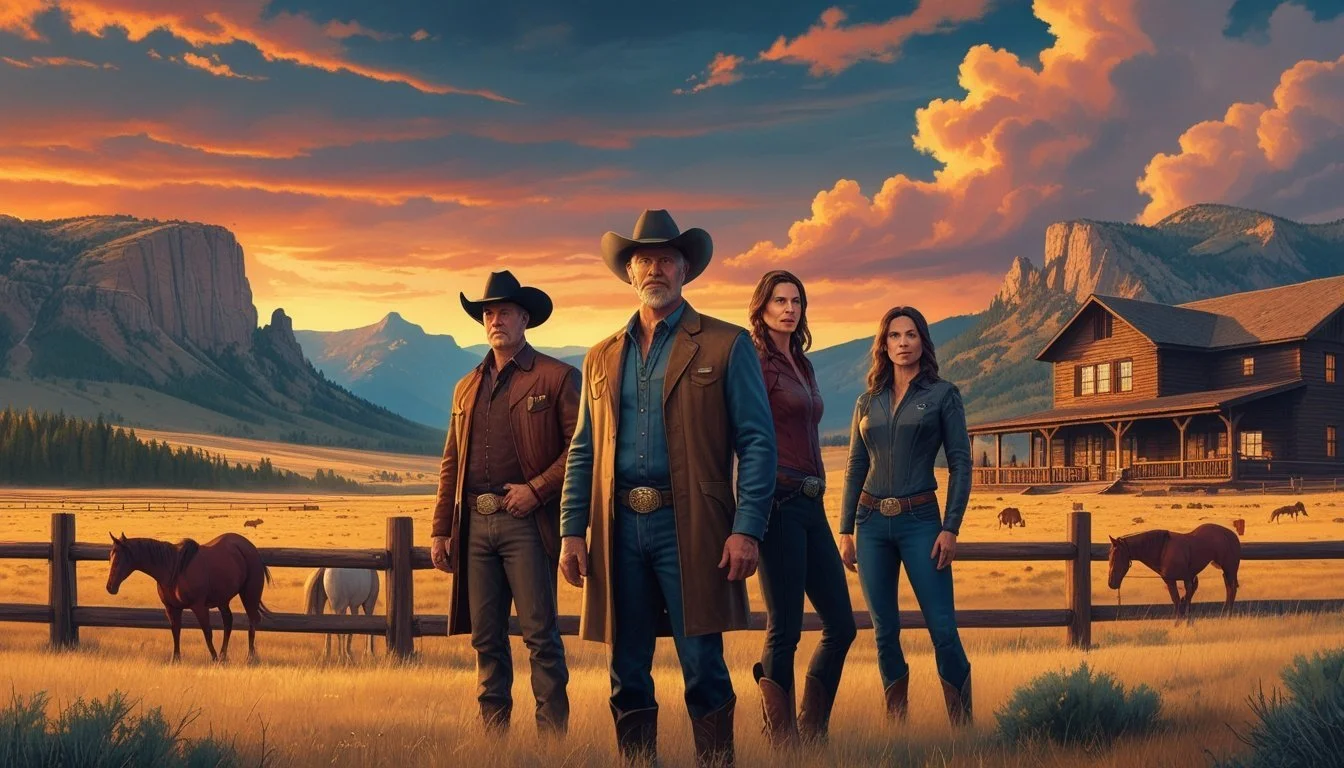
The Dutton family at the center of Yellowstone represents different facets of leadership, loyalty, sacrifice, and power. Their actions reveal deep motivations shaped by family history, legacy, and personal ambition.
John Dutton: The Patriarch
John Dutton III, played by Kevin Costner, stands as the enduring leader of the Yellowstone ranch. His decisions often balance tradition with pragmatic responses to threats against his land.
As a father and ranch owner, John demonstrates a harsh commitment to protecting the Dutton legacy. He has weathered personal losses, political opposition, and betrayal, using his influence to secure the family’s future. His methods can be uncompromising, showing the lengths some will go to protect power.
John also serves as a direct link to the Dutton past, reminding his children of their responsibilities and the history they inherit. Loyalty and control are tested in his relationships, revealing the challenges of holding authority in a changing world.
Key details:
Motivated by family and land
Symbolizes generational leadership
Navigates politics and personal crises
Beth Dutton: Strength and Complexity
Beth Dutton, portrayed by Kelly Reilly, is known for her intellect, resilience, and volatile nature. As John’s daughter, she uses her skills in finance and business to defend the ranch, sometimes through ruthless tactics.
Her relationship with her father is central, rooted in loyalty but strained by the intense pressures of their world. Beth’s character is shaped by past trauma and her fierce protection of the Dutton name.
She is direct, unflinching, and often confrontational, yet displays moments of vulnerability that add dimension to her strength. Beth’s strategies—both personal and professional—are crucial in the family’s ongoing battle to keep control of their land.
Key traits:
Financial strategist
Deeply loyal, complex psychology
Balances emotional scars with outspoken confidence
Kayce Dutton: Duty and Identity
Kayce Dutton, played by Luke Grimes, is John’s youngest son. A former Navy SEAL, he is driven by a sense of duty to both his immediate family and the broader Dutton legacy.
Kayce’s story is defined by conflict between ranch life and his wife Monica’s Native American heritage. He often mediates between the demands of his father and his own moral compass.
He serves as a bridge between worlds, frequently caught in the crossfire of violence and tradition. His ongoing journey involves defining his own path while respecting the legacy he was born into.
Key points:
Torn between family duty and personal values
Struggles with violence and peace
Represents the complexities of modern identity on the frontier
Jamie Dutton: Ambition and Conflict
Jamie Dutton, brought to life by Wes Bentley, is the adopted son known for his legal and political ambitions. Jamie’s intelligence and drive set him apart, but they also isolate him from other family members.
He often seeks approval from John but continually faces mistrust and resentment, especially from Beth. Jamie’s choices, including career moves and personal alliances, cause significant internal and external conflict.
His storyline is marked by questions of belonging and loyalty. Jamie is sometimes at odds with the family, reflecting the dangers of unchecked ambition and unresolved identity.
Notable aspects:
Legally and politically savvy
Defined by yearning for acceptance
Central to many of the show’s most intense family conflicts
Rip Wheeler and Ranch Foremen
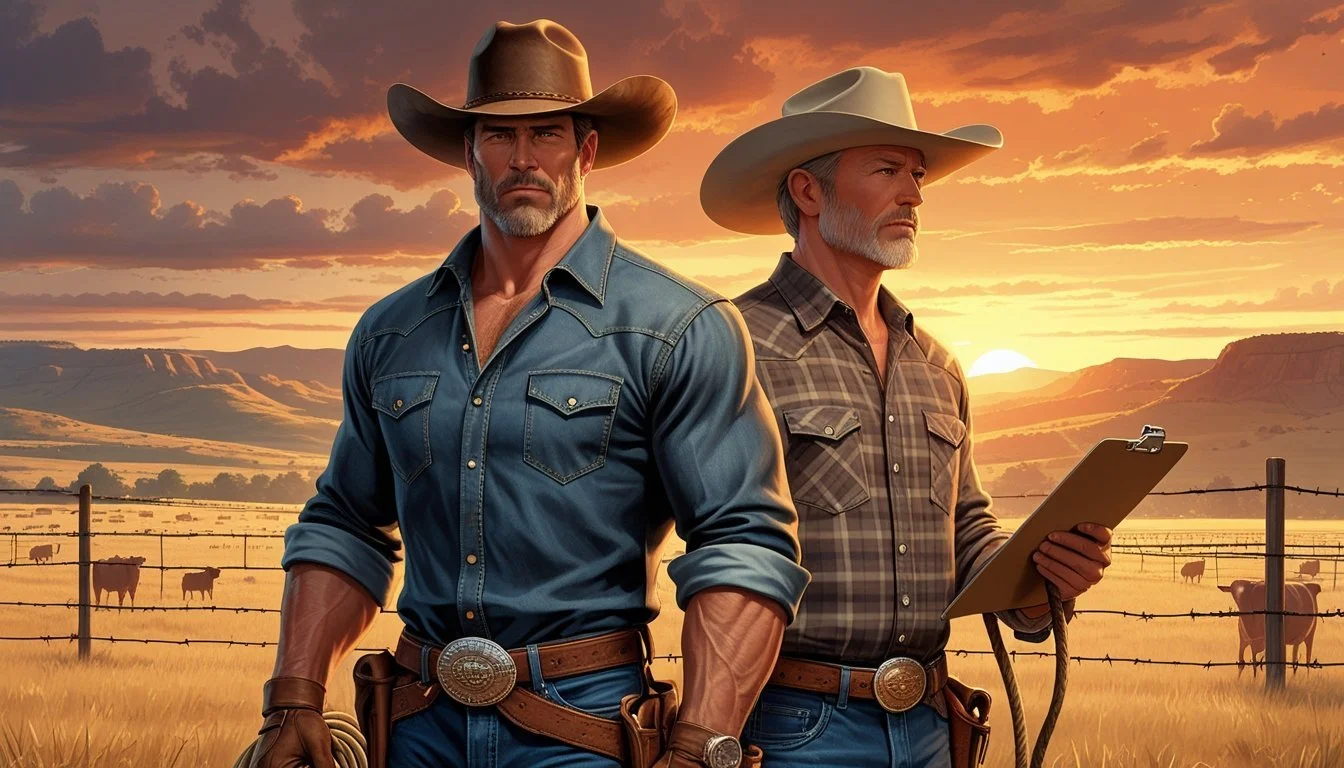
Rip Wheeler, portrayed by Cole Hauser, demonstrates the essential role of a ranch foreman in preserving both the daily operations and deeper values of the Yellowstone Dutton Ranch. As a fixture in the family’s inner circle, he shows how power and loyalty are tightly intertwined on the American frontier.
Rip Wheeler: Loyalty Embodied
Rip Wheeler’s story is rooted in hardship and fierce allegiance. After experiencing trauma early in life, he found refuge at the Dutton ranch, where John Dutton offered him both a home and a purpose. Over the years, Rip’s loyalty has become a defining trait, shaping every decision he makes.
Cole Hauser’s portrayal emphasizes Rip’s steadfast approach—uncompromising, disciplined, and quietly protective. He is often the family’s enforcer, taking on tasks others would avoid. His relationship with Beth Dutton, marked by complexity and devotion, provides insight into his vulnerability and motivation.
Rip’s character represents the tough—but often overlooked—individuals who work behind the scenes to support powerful families. His actions illustrate that legacy is built not only by those in charge, but also by those willing to dedicate themselves entirely to a cause.
Ranch Foreman’s Role in the Dutton Legacy
A ranch foreman like Rip Wheeler does far more than oversee cattle and land. He translates the Dutton family’s vision into action, making sure their will is carried out across every acre of the property. The position requires a unique combination of leadership and loyalty.
Key responsibilities of a ranch foreman typically include:
Duty Examples Supervising labor Managing ranch hands, delegating tasks Resolving conflict Handling disputes discreetly Enforcing loyalty Upholding the ranch’s code and expectations Protecting assets Safeguarding livestock and property from threats
Rip serves as the bridge between the Duttons and everyone who works the ranch. His influence helps maintain stability, ensuring the family’s power extends not just through tradition, but through day-to-day control and respect. The foreman’s role is indispensable in upholding legacy and order in a world defined by competition and hardship.
Native American Tribes and Indigenous Rights
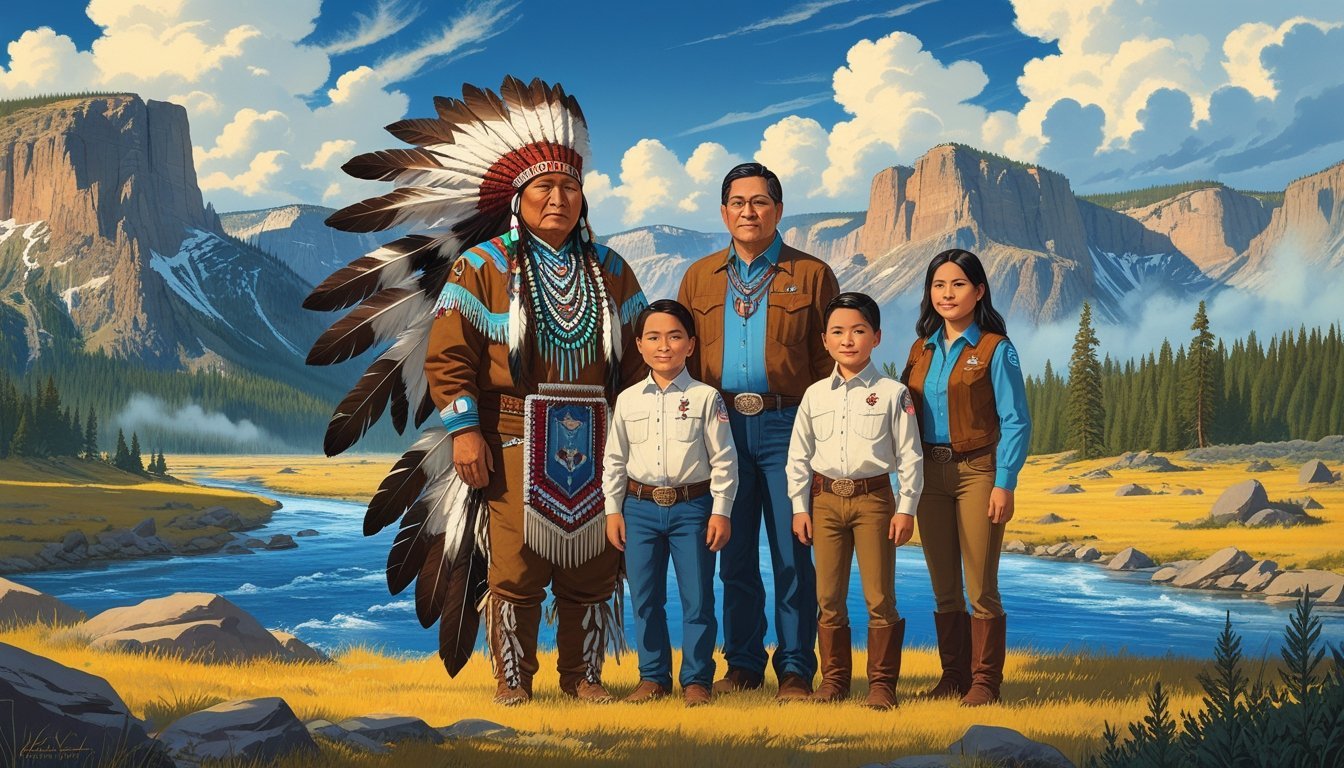
Yellowstone depicts ongoing tensions between the Dutton family, as ranch owners, and the Native American tribes living nearby. The series highlights disputes over land ownership, sovereignty, and cultural survival, using characters and storylines that reflect real-life social and historical challenges.
Broken Rock Reservation and Land Claims
The Broken Rock Reservation is a central presence in Yellowstone, representing Native American communities that have longstanding ties to Montana's land. The reservation’s leadership, along with its members, continually assert that the land owned by the Dutton ranch was taken through historical injustices.
Conflicts revolve around not just property lines, but also cultural heritage and legal recognition. The Broken Rock people use lawsuits, negotiations, and activism to push for the return of what they believe was unlawfully seized territory. Their efforts mirror genuine contemporary struggles many Indigenous groups face regarding treaties and promises made by the U.S. government.
Tensions sometimes escalate into physical confrontations or political maneuvering, underscoring the persistent difficulties Indigenous groups encounter when confronting powerful landholders with longstanding private claims.
Chief Thomas Rainwater: Advocacy and Power
Chief Thomas Rainwater leads Broken Rock Reservation with a determined and strategic approach. Unlike stereotypical portrayals, Rainwater is highly educated and leverages both legal and business expertise to advocate for his people.
He does not seek violence; rather, he focuses on negotiation, lawsuits, and coalition-building. Rainwater represents a modern Native leader who understands the systems of American power and works to use those systems for the benefit of his community.
He builds partnerships, particularly with lawyers and outside investors, to strengthen Broken Rock’s economic and political position. His efforts offer a nuanced depiction of Indigenous leadership, balancing cultural responsibilities with practical strategies for regaining land and securing Indigenous rights.
Cultural Significance and Historical Context
Yellowstone situates its narrative within the broader history of forced Native American displacement and broken treaties. The show frequently references the centuries-long pattern of Indigenous peoples being removed from their ancestral lands and the resulting struggle for recognition.
This context is reflected through ceremonial scenes, traditional dress, and references to cultural customs on Broken Rock Reservation. Such depictions serve as a reminder of ongoing attempts to maintain Native identity and community cohesion in the face of external challenges.
By integrating current social and legal battles for sovereignty, the show encourages viewers to recognize the real impact of colonization and the ongoing fight for Indigenous rights in the American West.
Ranching Life and Rural Culture
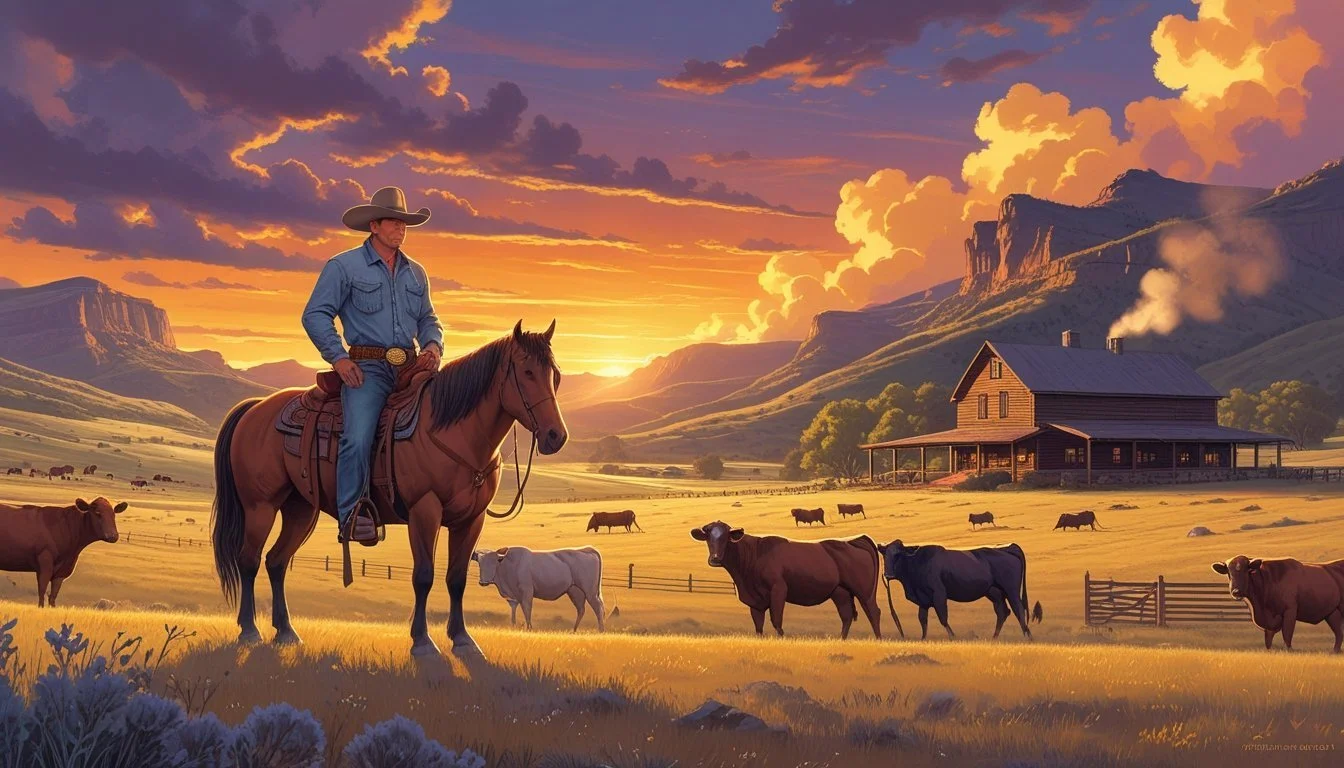
The Dutton family’s legacy on Yellowstone highlights the demanding nature of ranch life, the realities of managing livestock in a modern world, and the unique role that landscape plays in shaping rural identity. The series places emphasis on the daily tasks, challenges, and visual allure of ranching in the American West.
Daily Life on Yellowstone Ranch
Life on Yellowstone Ranch revolves around early mornings, long days, and a close-knit team of workers. Each member contributes to daily chores such as feeding cattle, fixing fences, and maintaining equipment—tasks that require both physical endurance and technical skill.
The ranch functions like a small community. Roles are clear: cowboys handle cattle drives and branding, while managers oversee logistics. Family members and ranch hands often eat together, reinforcing tradition and loyalty.
Conflict is a regular part of ranch life. Issues like land disputes, livestock threats, and unpredictable weather force quick decisions. These realities root the Dutton family's experience in the broader context of rural American challenges.
Modern Ranching and Livestock
Ranching today combines tradition with modern technology. The Duttons use vehicles, GPS, and automated systems, but cattle herding still relies on classic horsemanship. This blend shows respect for legacy while adapting to current economic and environmental pressures.
Livestock management is at the core of the operation. Breeding, animal health, and land stewardship demand constant oversight. Economic forces—such as market prices for beef and the rising cost of supplies—shape daily decisions.
Key aspects of modern ranching on Yellowstone:
Use of both traditional and modern tools
Emphasis on animal welfare and sustainability
Navigating regulations, markets, and rural isolation
Breathtaking Landscapes and Nature
Yellowstone sets its story against a backdrop of sweeping valleys, towering mountains, and wide-open skies. The landscape is an important character, shaping the ranchers' relationship with the land and reflecting the beauty and risks of rural America.
The series showcases visual appeal through scenes of wild rivers, forests, and herds moving across pastures. These stunning visuals highlight both the hardships and rewards of working so closely with nature.
Seasonal changes dictate daily activities, from calving in spring to snow management in winter. Nature both supports and tests ranching culture, making the land a defining element of the Dutton legacy.
The Influence of Yellowstone on American Culture
Yellowstone has reshaped modern perceptions of the Western genre and highlighted the lasting influence of family dynasties on American culture. The show's portrayal of land, power, and identity has sparked renewed dialogue about the American West and its legends.
Neo-Western and Modern Western Revival
Yellowstone helped to revive the Western for contemporary audiences, blending traditional themes with modern dilemmas. The series is widely considered a definitive neo-western, setting aside John Wayne archetypes for deeply flawed, morally ambiguous protagonists.
The show's setting in present-day Montana underscores how legacy and land disputes persist beyond the era of frontier expansion. Conflicts involving corporate interests, environmentalism, and Indigenous rights reflect a contemporary context while relying on iconic Western landscapes and visual motifs.
Yellowstone’s success has led to new interest in Western storytelling, paving the way for spin-offs like 1883 and 1923. Networks and studios now invest in similar narratives, recognizing the genre's relevance for discussions about heritage, survival, and conflict in America.
Cultural Impact and Phenomenon
Yellowstone has become a cultural phenomenon, drawing millions of viewers each season and influencing trends in fashion, tourism, and media. Its effect extends beyond television, with the so-called “Yellowstone effect” boosting sales of Western apparel, ranch-inspired home decor, and even rural real estate.
The series' popularity also shapes national conversations about property rights, rural struggles, and the American dream. News outlets, podcasts, and social media regularly reference its storylines, while fan discussions reflect real-world anxieties about change and tradition.
This level of cultural impact is rare for a cable drama, illustrating how deeply the show resonates. Its depiction of loyalty, power, and cultural preservation has prompted debates about American values, inspiring both admiration and critique.
Storytelling and Rugged Individualism
Yellowstone relies on a style of storytelling that emphasizes rugged individualism and the personal costs associated with power. Characters like John Dutton stand as examples of individuals willing to sacrifice for family and land, embodying the mythos of the self-reliant, isolated figure often found in Western folklore.
The show uses sharp dialogue and serialized plots to focus on loyalty, betrayal, and survival. Scenes featuring confrontations, strategic decisions, and moments of vulnerability illustrate the tension between self-preservation and collective duty.
Through layered narratives, the show explores how identity is shaped by geography, heritage, and the constant negotiation of personal and social boundaries. This approach not only entertains but also asks viewers to reconsider enduring American ideals linked to both independence and community.
Creative Forces Behind Yellowstone
The origins and visual style of Yellowstone reflect intentional choices by both the show's creator and its production team. Careful direction, casting, and an eye for authenticity underpin its depiction of the Dutton legacy and its broader narrative about power in America.
Taylor Sheridan: Vision and Narrative
Taylor Sheridan is the principal creative architect behind Yellowstone. He developed the show’s core themes, drawing on his background in screenwriting and his experiences growing up in Texas. Sheridan’s writing emphasizes nuanced conflicts—family loyalty, ambition, and the consequences of power.
He not only created and wrote the majority of episodes but also directed several, shaping the tone and pacing. Sheridan’s previous works, like Sicario and Hell or High Water, demonstrate his focus on the complexities of rural American life, a perspective he brings directly into Yellowstone.
By blending contemporary social issues with classic Western influences, he delivers a story that resonates beyond soap opera or simple genre fare. His collaboration with co-creator John Linson ensured a strong foundation for storytelling rooted in the American landscape.
Production and Cinematic Style
Yellowstone is notable for its expansive cinematography and on-location filming in Montana and Utah. The show uses a rich color palette and sweeping aerial shots to emphasize the vastness and beauty of the land, reinforcing its themes of legacy and territory.
Camera work often focuses on rugged landscapes, rough ranch life, and the intimacy of family confrontations. Production values are high, with special attention to authenticity in costume and set design—from cattle roundups to boardrooms.
Direction choices, including long takes and restrained editing, give the drama space to unfold naturally. The interplay of realism with dramatic tension keeps viewers grounded in the world Sheridan and the producers, including John Linson, have built.
Notable Cast and Crew
Yellowstone’s ensemble is led by Kevin Costner, who portrays John Dutton with gravitas and understated emotion. Costner’s longstanding association with Westerns adds credibility and depth to the character. Other main cast members, such as Kelly Reilly (Beth Dutton) and Cole Hauser (Rip Wheeler), bring distinctive energy and nuance to their roles.
The supporting cast, including Wes Bentley, Luke Grimes, and Kelsey Asbille, round out a dynamic group reflecting a range of perspectives within the Dutton universe. Key production staff, like music composer Brian Tyler and cinematographer Ben Richardson, further shape the show’s strong identity.
Behind the scenes, John Linson plays a crucial role as co-creator and executive producer. His collaboration with Sheridan, along with the contributions of an experienced crew, ensures the series maintains both creative consistency and technical excellence.
