
What Yellowstone Gets Right About Ranch Life: Accurate Details on Work, Family, and Tradition
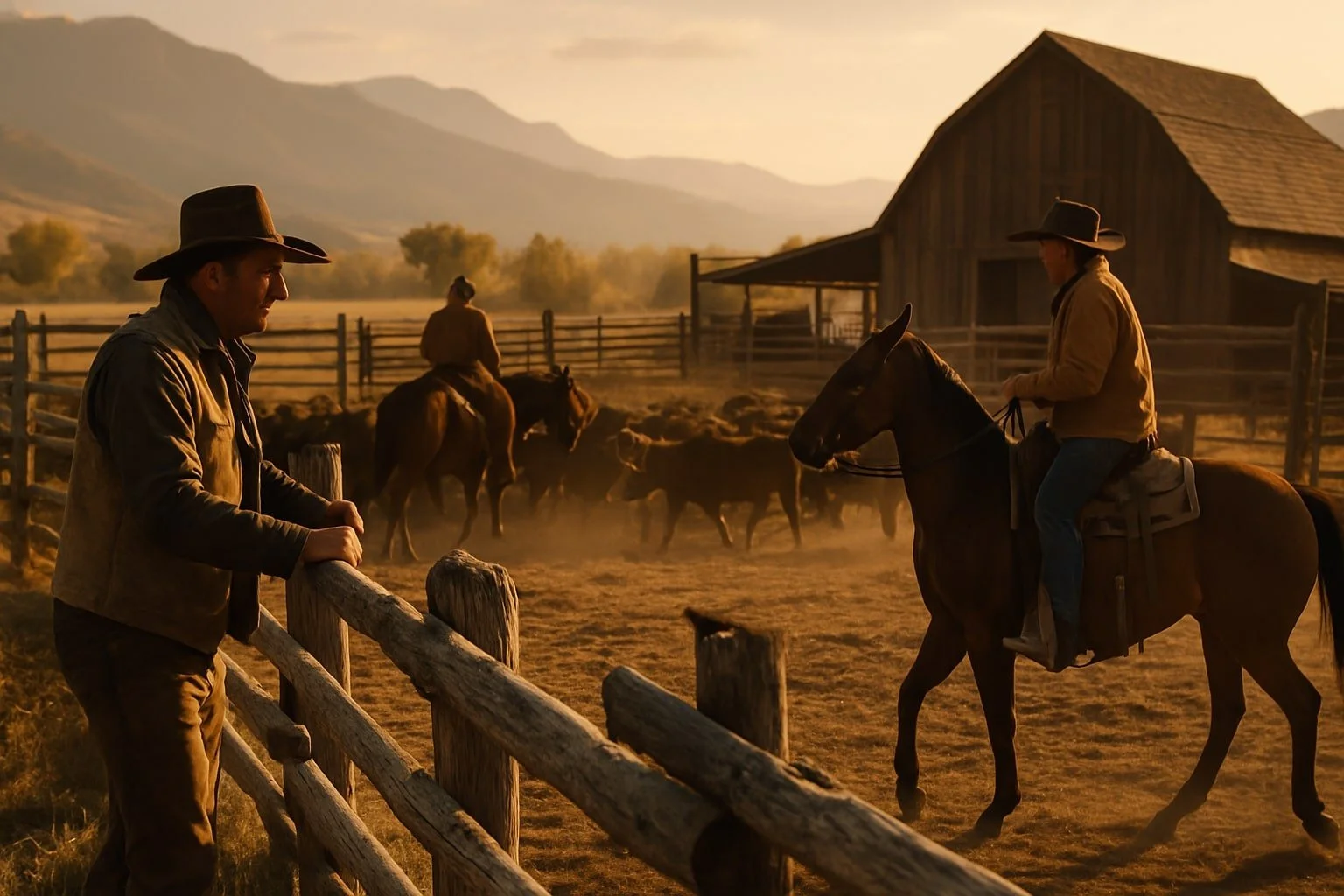
Yellowstone stands out for its authentic portrayal of the challenging and unpredictable nature of ranch life in the American West. While the show often adds dramatic elements to keep viewers engaged, it accurately depicts the hard work, long hours, and unwavering grit required to run a real ranch. Scenes of early morning cattle drives, mending fences, and facing harsh weather conditions reflect genuine aspects of daily ranch operations.
Viewers see not only the physical demands of ranching but also the deep connection ranchers have with their land and the legacy they strive to protect. The focus on family loyalty, stewardship of natural resources, and the ongoing challenges from both nature and outside pressures mirrors the real-life dynamics that define many ranching families.
By highlighting these realities, Yellowstone offers a rare glimpse into the backbone of the ranching lifestyle, beyond the Hollywood glamor and elite portrayals that are less common in reality.
Portrayal of Ranch Life in Yellowstone
Yellowstone provides a detailed look at the routines and realities faced by ranchers. From daily ranch operations to the traditions of family-owned ranches and the nuances of cowboy culture, the series represents multiple dimensions of ranch life.
Depiction of Daily Routines
The show frequently highlights the labor-intensive nature of managing a working ranch like the Dutton Ranch. Early mornings start with horseback rides, cattle drives, or feeding livestock, showing the consistency and discipline demanded each day.
Ranch hands are responsible for tasks such as mending fences, maintaining equipment, and monitoring herd health. These routines are often done in harsh weather or challenging conditions, underlining the grit required in ranch life.
Yellowstone captures the unpredictability ranchers face—dealing with animal health issues, weather emergencies, and land management responsibilities. The show rarely shies away from portraying the exertion and teamwork needed to keep a large ranch operational.
Family-Owned Ranches and Legacy
The Dutton family’s efforts to protect and sustain their ranch reflect the real world of family-owned ranches and multi-generational operations. Ensuring the continuity of the land is a central theme, as seen in frequent discussions about inheritance, ownership disputes, and long-term sustainability.
Family dynamics on the Dutton Ranch are shaped by both business decisions and personal relationships. Members balance individual ambitions with a collective responsibility to protect the family legacy.
Yellowstone addresses external pressures family ranches face, such as land developers, shifting markets, and changing property laws. These elements illustrate the constant negotiation between tradition and adapting to the modern world.
Authenticity of Cowboy Culture
Cowboy culture is central to Yellowstone’s portrayal of ranch life. The skills of horsemanship, branding, and roping are shown not just as tasks, but as respected traditions handed down through generations.
Key elements depicted include:
Bunkhouse camaraderie among ranch hands
Respect for senior ranchers and foremen
Participation in local rodeos and cowboy competitions
The show represents the hardships and pride that come with being part of this culture, including the importance of reputation, loyalty, and community. Authentic clothing, language, and rituals further reinforce the series’ effort to accurately represent cowboy life.
Ranch Management and Operations
Running a large ranch like those seen in Yellowstone requires careful organization and long hours of work. The core of this process involves managing cattle, ensuring proper livestock care, and depending on dedicated ranch hands for daily operations.
Cattle Ranching Methods
Yellowstone depicts cattle ranching with an emphasis on open-range grazing and herd management. Ranchers use horseback to move cattle between pastures, rotate grazing areas, and conduct health checks.
Rotational grazing is a common practice to maintain pasture health and reduce overgrazing. Crews often employ modern methods such as branding, tagging, or using ear chips for animal identification.
Fencing—both temporary and permanent—controls where herds can roam. Decision-making includes selecting which cattle to cull and when to sell at auction, balancing herd growth with financial needs. Managing land, water rights, and natural resources is also crucial for long-term ranch sustainability.
Livestock Care and Feeding
Proper care of cattle is central to a working ranch’s success. This includes daily monitoring for illness, providing vaccines, and treating injuries promptly.
Ranchers ensure food and water are available year-round. In winter, they feed hay and supplements when grass is scarce. In spring and summer, cattle graze on open pasture.
Calving season demands special attention, with ranchers assisting animals in distress and sheltering newborn calves from harsh weather. Nutrition management varies according to season, age, and breeding cycles. Maintaining livestock health directly impacts both productivity and profit.
Role of Ranch Hands
Ranch hands are essential for executing daily tasks. They handle everything from feeding and watering livestock to mending fences and repairing equipment.
The workday often starts before sunrise and ends late, especially during branding or roundups. Many ranch hands are skilled riders, able to rope and separate cattle as needed.
Teamwork is critical, with experienced hands training newer workers in the rhythms of ranch life. Respect for the work and for the animals is woven into the daily routines. The demanding nature of the job means ranch hands are tough, adaptable, and committed to the operation’s success.
Land Stewardship and Agricultural Practices
Yellowstone presents ranch life as a careful balance of tradition, environmental responsibility, and practical land management. The show highlights several key practices that real ranchers use to sustain productivity and preserve natural resources.
Grazing and Rotational Pastures
Grazing management is a central feature of ranch life depicted in Yellowstone. The series accurately demonstrates the importance of moving cattle across different pastures to prevent overgrazing. By using rotational grazing, ranchers allow grasslands time to regenerate and maintain soil health.
This method reduces erosion and helps preserve native plant species. Maintaining fence lines and monitoring pasture conditions become daily tasks for the ranch staff.
Tables and checklists are often used by real ranchers to track which areas have been grazed and when they need to rest fields. This detailed attention supports both animal health and land longevity, a relationship the show effectively portrays.
Controlled Burns and Land Management
Controlled burns play a significant role in land management for Western ranchers, though Yellowstone only occasionally features this practice on-screen. Prescribed fire is used to remove invasive plant species, stimulate native grass growth, and reduce wildfire risk.
Ranchers and land managers schedule burns cautiously, considering wind, humidity, and regulations. A typical sequence often involves:
Clearing fire lines
Notification of neighbors and authorities
Continuous monitoring during and after the burn
This proactive approach helps control pests and supports a resilient ecosystem. The show’s environment-focused plots hint at this stewardship, but controlled burns are a deeper management practice practiced widely across real ranches.
Integration of Farming with Ranching
Yellowstone also depicts how ranching and agriculture are often closely integrated. Ranches may plant hay fields or grow other feed crops to support their herds through winter and drought.
Diversifying with agricultural crops helps offset seasonal income fluctuations and increases the ranch’s resilience. Equipment like tractors and irrigation systems are common, blending traditional cattle work with modern farming methods.
Crop rotation, fertilization schedules, and pest management are coordinated alongside livestock needs. This dual focus ensures resources are used efficiently and the ranch remains sustainable year-round, reflecting real-world agricultural strategies in the American West.
Challenges and Realities Faced by Ranchers
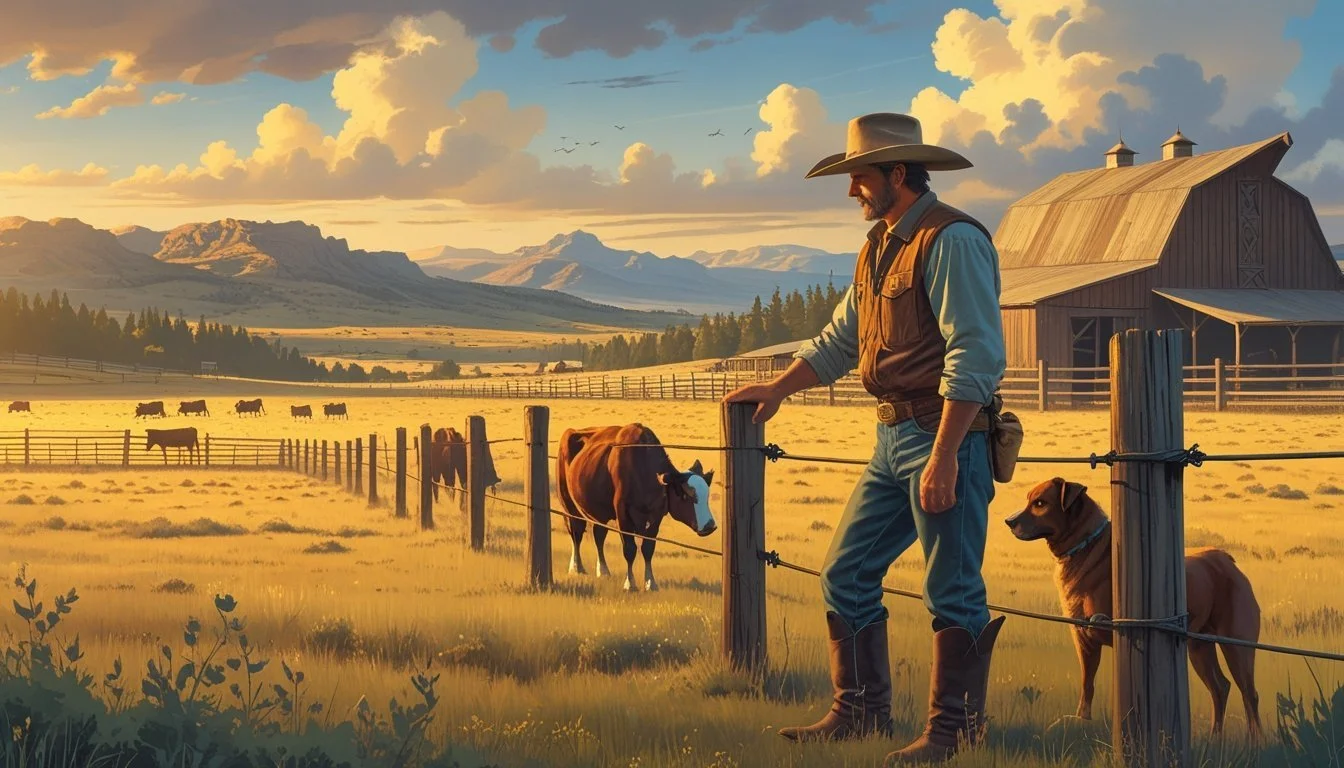
Ranchers in the American West encounter ongoing obstacles that test the sustainability of their operations. These difficulties stem from environmental, financial, and generational pressures affecting daily decision-making and long-term stability.
Drought and Unpredictable Weather
Drought is a persistent threat in regions like Montana and Wyoming. Reduced rainfall means pasture lands dry out, forage yields drop, and water supplies for cattle become scarce.
Unpredictable weather patterns add to the challenge. Late frosts, hailstorms, and sudden temperature shifts can disrupt calving seasons or damage valuable crops. Extreme weather events also raise operating costs as ranchers must source supplemental feed or repair infrastructure.
Many ranchers turn to rotational grazing and water conservation methods to mitigate effects, but the risks tied to climate remain high. Insurance and federal aid can help, yet they often fall short of covering long-term losses.
Succession Planning for the Next Generation
Passing a ranch to future generations involves more than just a transfer of land. Succession planning requires addressing estate taxes, legal structures, and ensuring every heir’s needs are balanced.
Without a clear plan, families may face land loss or be forced to sell assets, as dramatized in "Yellowstone." Trusts, LLCs, and life insurance are often used to smooth transitions, but these can be complicated and costly to set up.
Ranchers must also consider the willingness and preparedness of the next generation. Training young family members in management and operations is essential to keeping the business viable after a leadership change.
Diversification and Modern Revenue Streams
Traditional cattle ranching alone is often not enough to sustain a modern operation. Many ranchers diversify by adding income sources such as agritourism, hunting leases, or direct-to-consumer beef sales.
Some ranches install solar panels or lease land for wind energy to generate additional revenue. Others adapt by raising specialty livestock or growing niche crops suited to local demand.
Economic pressures, such as fluctuating beef prices and rising property taxes, make diversification critical. Creative approaches to land use can mean the difference between losing a ranch or keeping it in the family.
Cultural and Social Dynamics
Yellowstone on Paramount Network highlights both the compelling social fabric of ranch life and the skills required to thrive in this environment. The mix of drama and real-world experience sheds light on how ranchers manage personal relationships and the education needed to sustain their livelihood.
Dramatic Storytelling versus Reality
The show’s dramatic storytelling centers on loyalty, power struggles, and generational conflicts within the Dutton family. These themes, while heightened for television, reflect some genuine tensions in multigenerational ranch operations.
Many ranch families do face disputes over land management, inheritance, and balancing tradition with change. Yellowstone accurately portrays daily challenges, such as physical labor, weather unpredictability, and the constant threat of losing the ranch.
However, the series leans into dramatic confrontations, adding intense conflicts and high-stakes rivalries not typical of most ranches. While the setting and day-to-day work generally ring true, the level of violent drama is heightened for entertainment.
Key contrasts between TV drama and real ranch life:
Aspect Yellowstone Drama Typical Ranch Reality Family Conflict Frequent, extreme Present but usually moderate Land Battles Violent, prolonged Legal, financial challenges Daily Routine Often interrupted Consistently hard work
Education and Skills in Modern Ranching
Modern ranchers must be skilled in much more than cattle handling. Yellowstone touches on the need for practical education, as today’s ranch operations use advanced equipment, breeding technologies, and financial planning.
Education often includes agricultural science, agribusiness, and even online courses. Many ranchers attend community colleges or vocational schools to learn fencing, veterinary care, and machinery repair.
Financial management is crucial due to unpredictable markets and costs. Technological literacy—from GPS-guided tractors to livestock records—has become part of daily ranch life.
Skills valued on ranches:
Livestock health and breeding
Equipment maintenance
Range and pasture management
Financial planning and marketing
Adapting to technology
The show provides glimpses of these educational demands but often prioritizes narrative drama over the complexities of running a successful, modern ranch.
Cattle Drives and Iconic Ranching Traditions
"Cattle drives" are a hallmark of ranch life and play a central role in Yellowstone. The show also highlights everyday ranching traditions, blending the demands of the job with rituals that keep ranch communities connected.
Historical Accuracy of Cattle Drives
Cattle drives on Yellowstone closely mirror practices still used by modern cattle ranchers. The series shows cowboys starting before sunrise, using horses and dogs to guide large herds over uneven terrain. These drives are essential for moving cattle between pastures, especially during branding season or before winter.
While old Westerns often exaggerate the chaos of cattle drives, Yellowstone realistically depicts the challenges. Ranch hands must watch for injured animals, avoid dangerous weather, and work as a coordinated team. The physical effort and long days portrayed on screen reflect the true experience of ranchers, where every drive requires planning, endurance, and attention to livestock health.
The show avoids myths of constant gunfights, instead focusing on practical obstacles like fixing broken fences or crossing rivers. This practical approach helps viewers understand why cattle drives remain both a logistical necessity and a rite of passage for new hands.
How Ranching Traditions Are Maintained
Many traditions in Yellowstone, such as cattle branding and communal meals, are authentic to real ranches. Branding remains legally required in many states as proof of ownership and is depicted in the series as both a chore and a bonding ritual. Bunkhouse gatherings, communal breakfasts, and shared chores reflect the importance of teamwork and camaraderie.
Customs like handshake deals, storytelling after work, and respect for elders are deeply rooted in ranch culture and are shown throughout the show. These practices foster trust among workers and reinforce the ranch’s social fabric.
Traditions also help train new ranch hands, teaching them expectations and skills passed down over generations. By depicting these everyday rituals without glamorization, Yellowstone provides an accurate window into how ranching communities preserve their heritage while adapting to modern challenges.
