
Does Yellowstone Glorify or Condemn Violence? Exploring the Show’s Portrayal of Justice and Morality
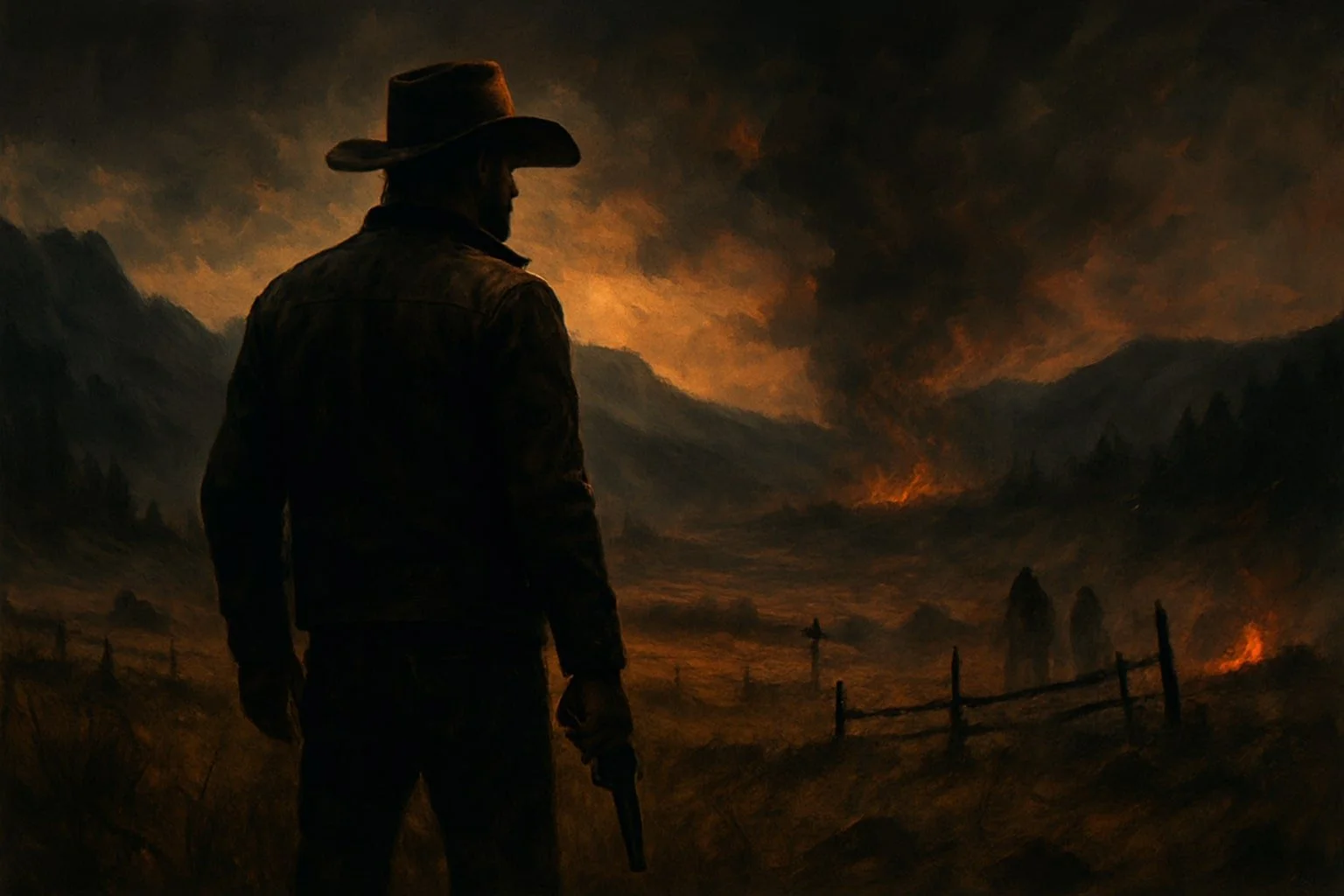
Yellowstone often portrays violence as an integral part of its world, using it both as a dramatic device and as a reflection of the harsh realities faced by its characters. The series is known for its unflinching depiction of brutality and moral ambiguity, frequently showing how power struggles and personal loyalties lead to violent outcomes.
Audiences and critics debate whether the show glorifies these acts or offers them as a critique. On one hand, some storylines challenge the consequences of violence and its impact, while others appear to use it as entertainment or a spectacle. This ongoing tension is a central reason why Yellowstone continues to generate strong reactions and discussion.
Overview of Yellowstone’s Representation of Violence
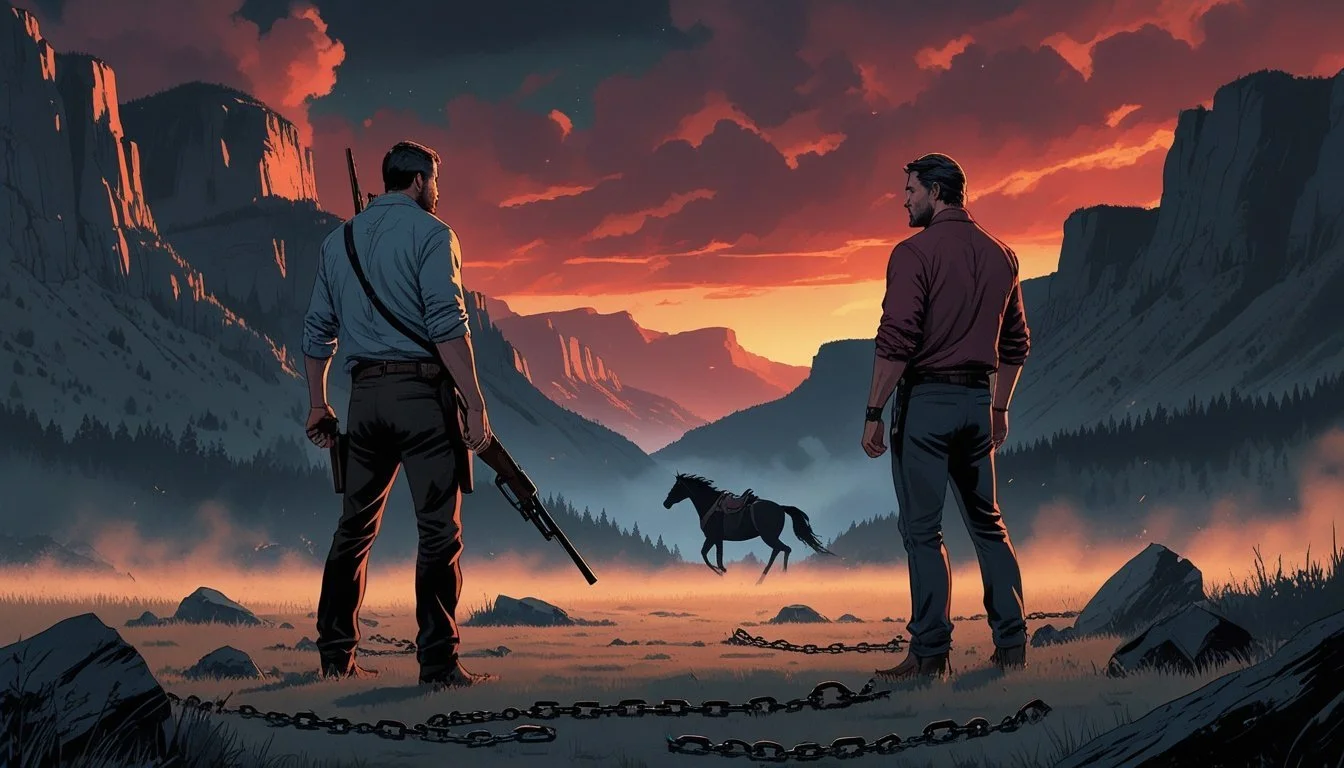
Yellowstone frequently uses violence as a central device, reflecting both the harsh realities of ranch life in Montana and the show's broader themes of power, legacy, and survival. Its approach blends realism with heightened drama, aiming to balance storytelling needs with authentic depictions of the world it portrays.
Key Themes and Storylines
The series is set around the Yellowstone ranch, led by John Dutton (Kevin Costner), who often faces threats to his land and family. Violence is deeply intertwined with personal vendettas and family loyalty.
Storylines involve conflicts with developers, neighboring tribes, and law enforcement. Characters, including the Dutton family and their employees, regularly confront life-or-death situations.
The show explores the moral ambiguity of its characters. For instance, violent acts are sometimes depicted as necessary for survival or protecting loved ones. At times, Yellowstone portrays violence as an inevitable consequence of unchecked ambition and unresolved disputes.
Themes of inheritance and legacy amplify the stakes. Decisions to use force often arise from a desire to protect tradition, blurring the lines between heroism and brutality.
Violence in the Context of Montana and Ranching
Yellowstone presents violence within the context of modern ranching in Montana, a setting historically associated with rugged individualism and territorial conflict. The show's depiction extends beyond typical ranch disputes, incorporating criminal elements and high-stakes confrontations.
Ranch work itself is shown as physically demanding and, at times, dangerous. Acts of violence are sometimes justified as part of cowboy culture or the defense of property. The tension between tradition and modern threats is a recurring source of conflict.
The Paramount Network and Paramount+ position Yellowstone as a contemporary western, leveraging the Montana landscape and ranching lifestyle to heighten dramatic impact. The frequency and portrayal of violence are often exaggerated for entertainment but remain grounded in the tough realities of rural life.
Narrative Perspectives: Glorification Versus Condemnation

Yellowstone frequently examines acts of violence in relation to family legacy, power dynamics, and questions of justice. Its characters operate in a world where force often shapes motives, revealing a complex blend of practicality, pride, and shifting values.
Portrayal of the Dutton Family’s Use of Force
The Dutton family, under John Dutton’s leadership (portrayed by Kevin Costner), uses violence as both defense and deterrence. Their actions often stem from perceived threats to their land or kin, and the show visually frames such moments with dramatic intensity.
This portrayal oscillates between presenting violence as a necessary survival tool and critiquing its repercussions. For instance, John’s decisions often reflect a belief that harsh action is essential to uphold his legacy, but the emotional cost is seldom ignored.
Beth Dutton’s involvement in violent or manipulative schemes further complicates this perspective. Her actions in Season 5, marked by egocentrism and direct confrontations, emphasize that violence is deeply tied to personal and familial identity.
The narrative does not indulge in excessive heroics or trivialize fallout. Instead, moments of force are followed by personal and ethical reckoning, suggesting that the show neither wholly glorifies nor completely condemns violence.
Individualism and Moral Ambiguity
Yellowstone’s characters are defined by intense individualism, which shapes their relationship with violence. John Dutton operates according to a strict personal code, believing his choices are justified by a duty to the ranch and family.
Beth Dutton embodies a fierce, sometimes ruthless, independence. Her actions and justifications highlight moral ambiguity, as her sense of justice often blurs the line between right and wrong, especially when loyalty overrides broader ethical concerns.
Storytelling in Yellowstone frames these choices through nuanced dialogue and consequence rather than simple right-versus-wrong scenarios. Characters rarely escape the psychological and social impact of their actions.
Key elements that highlight this ambiguity:
Justifications rooted in family survival
Ongoing tensions between justice and revenge
Emotional consequences and fractured relationships
This focus on individualism delivers a narrative that resists simplistic messages, reflecting the ambiguity and conflict inherent in the Duttons’ world.
Influence of Taylor Sheridan’s Creative Vision
Taylor Sheridan’s control over Yellowstone shapes both its depiction of violence and its attempt at authenticity. The blend of his personal style with the demands of Hollywood creates a show that is gritty, sometimes controversial, and always focused on narrative impact.
Writing Choices and Storytelling Approach
Sheridan’s writing consistently emphasizes realism and intensity. He often uses long takes and deliberate pacing to make violent scenes feel tense and immersive. This approach builds suspense and forces viewers to confront the consequences of brutality, without quick cuts that might soften the impact.
He doesn’t shy away from morally ambiguous characters or situations. Protagonists, especially the Dutton family, participate in harsh acts to protect their land, blurring the line between hero and villain. Sheridan’s scripts justify violence as both survival and retribution but rarely celebrate it outright.
Dialogue and character motivations in Yellowstone often reflect a psyche shaped by conflict. Sheridan’s narrative style uses violence as a storytelling tool, highlighting desperation, power struggles, and the harsh realities of the modern American West.
Authenticity and Hollywood Dramatization
Sheridan is known for his dedication to authenticity—from accurately depicting cowboy culture to showcasing the complexities of property disputes in Montana. He has embraced on-location filming, practical stunts, and real ranch tasks to reinforce credibility in the series.
However, Yellowstone operates within Hollywood’s framework. Some scenes are clearly dramatized for effect, amplifying conflict and violence to maintain audience engagement. This dramatization occasionally prioritizes spectacle over absolute realism, aligning with expectations for prime-time television drama.
The show’s balance between fact and fiction sparks debate about whether it glorifies or criticizes violence. Sheridan’s vision walks a fine line—rooted in real-world issues but heightened by the demands of entertainment and commercial success.
Cultural Impact and Criticism

Yellowstone’s portrayal of violence has generated significant debate and helped drive its status as a cultural flashpoint. Viewer interest, streaming patterns, and legacy comparisons give insight into the show’s lasting influence in television and Westerns.
Audience Reception and Streaming Trends
Yellowstone consistently leads as one of the most-watched cable dramas in recent years. Its strong ratings on the Paramount Network, followed by robust streaming numbers on Peacock, highlight enduring appeal among a broad but less diverse American audience.
Fan discussions on forums and social media often focus on the moral ambiguity of violent acts depicted by main characters like John Dutton. Many viewers see these violent moments as thrilling or authentic to the ranching lifestyle, while others criticize them for normalizing or glamorizing brutality.
The split in audience reaction reflects changing attitudes toward televised violence and discussions about media responsibility. Survey data and viewer reports indicate that younger demographics are more likely to question the use of violence compared to older fans.
Comparisons to Other Westerns
Yellowstone draws inevitable comparisons to earlier Westerns, such as the film Dances with Wolves. Where Dances with Wolves emphasized reconciliation and reflection, Yellowstone presents violence as routine and sometimes necessary for survival.
The series stands apart from classic Westerns by exploring complex motivations and the legacy of family conflict. Traditional Westerns often depicted clear moral lines. Yellowstone, however, blurs these boundaries, especially in its depiction of characters’ choices and consequences.
On streaming services, Yellowstone’s approach has influenced other modern Westerns that now blend gritty realism with family sagas. Its popularity on Peacock and ubiquity on the Paramount Network have helped reshape how the genre is viewed in contemporary American culture.
Representation of Native Americans and Environmental Issues
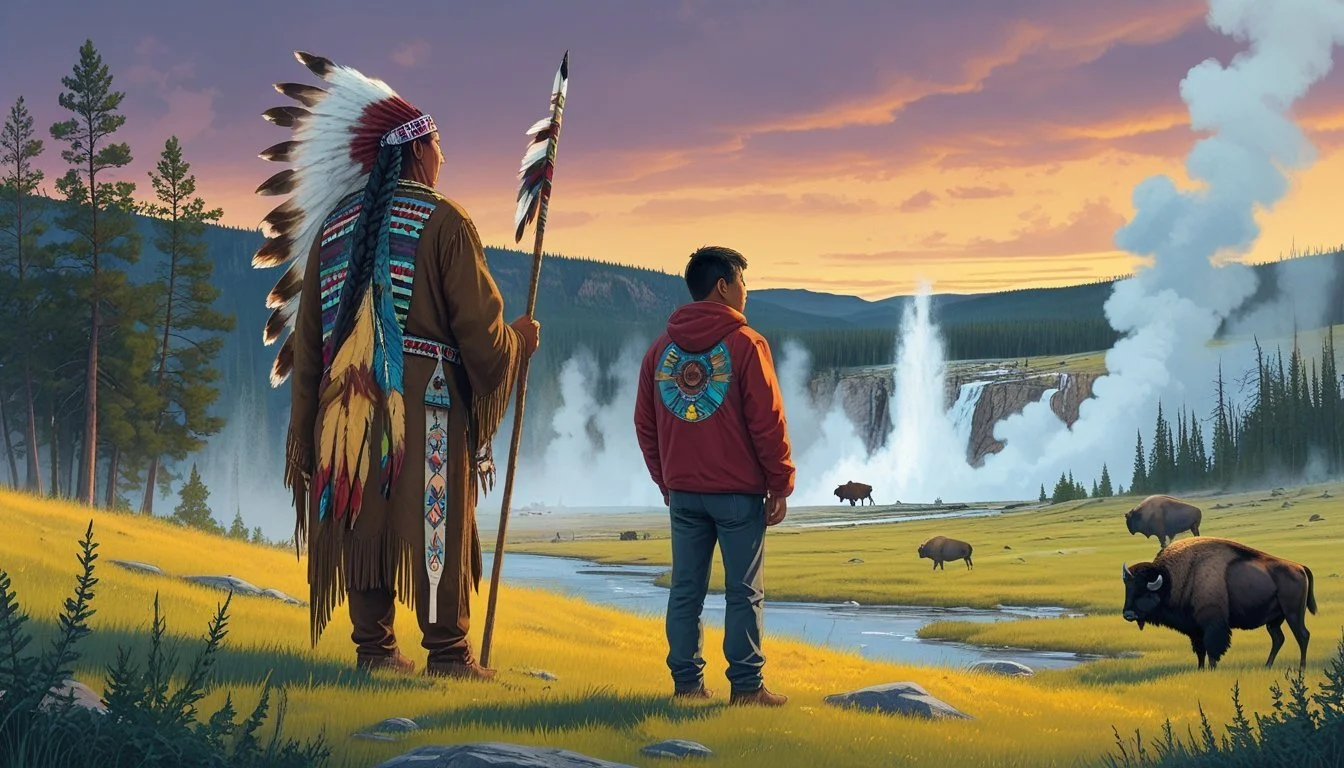
Yellowstone often tackles issues related to land rights and cultural heritage. Native Americans and environmentalists are depicted as central figures in disputes over territory and resource use in the Montana setting.
Depiction of Native American Perspectives
Yellowstone includes characters from the fictional Broken Rock Indian Reservation, with storylines that focus on tribal sovereignty, cultural preservation, and conflict with the Dutton family ranch. The writers portray a range of Native American viewpoints, from tribal leaders advocating for land claims to individuals navigating life between reservation and non-reservation communities.
Scenes such as traditional healing ceremonies and tribal council meetings attempt to show respect for cultural practices. The show’s creators have reportedly consulted with tribal advisors for certain events, especially in episodes involving rituals, to avoid overt stereotypes and sensationalism. Despite these efforts, some Native viewers and critics argue that the representation can be simplistic or fail to capture the complexity of real tribal politics and history. Concerns have been raised about limited character development or the tendency to tie Native motivations too closely to conflict with white landowners.
Environmentalists and Conflict Over Land
Environmental issues play a recurring role in the series, particularly as various groups—ranchers, Native tribes, developers, and conservationists—vie for control and use of the land. Environmentalists are usually depicted as outside forces or activists with their own interests in preserving the Yellowstone landscape from industrialization or large-scale development.
Conflicts between environmentalists, ranchers, and tribal members often highlight the different values at stake: ecological stewardship, cultural rights, and economic survival. Disputes might revolve around water rights, herd management, or federal interventions in local land management.
While environmental protection is shown as a legitimate concern, the series sometimes frames environmentalists as antagonists or obstacles to the livelihoods of local people, including both non-Native and Native communities. This conflict showcases the tension between conservation goals and traditional economic activities such as ranching, hunting, and resource harvesting.
Expansion of the Yellowstone Universe: 1883 and 1923
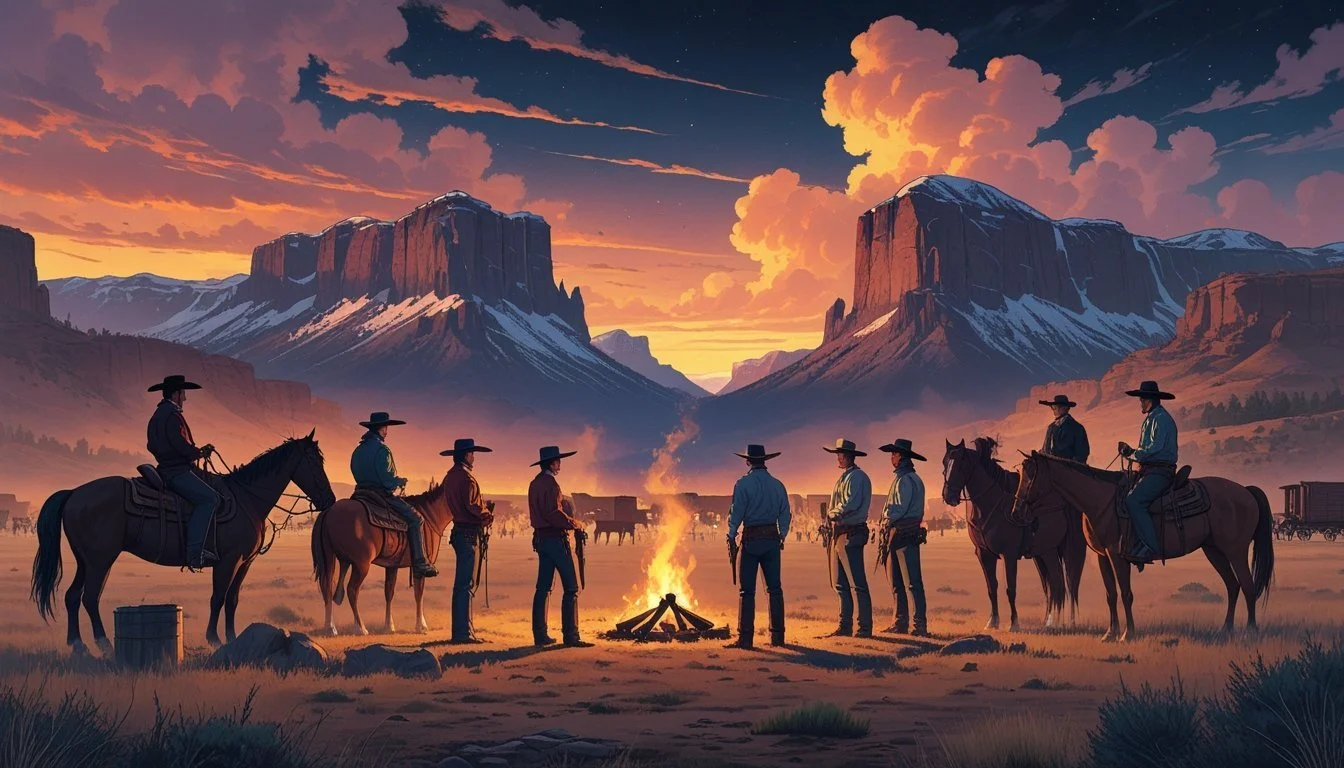
The Yellowstone franchise extends beyond its flagship series to include two prequels: 1883 and 1923. These stories explore the Dutton family’s history and their evolving relationship with violence as they build and protect the Yellowstone Ranch.
Approaches to Violence in the Prequel Series
1883 portrays violence as a constant threat on the frontier, often shown as a matter of survival rather than choice. The dangers faced by the Duttons include bandits, disease, and the harsh landscape. Violence is depicted as tragic and frequently unavoidable, shaping characters through loss and hardship.
1923 shifts focus to a period of social and economic upheaval. Here, violence is more organized and sometimes tied to larger forces like law enforcement, Prohibition, and feuds with competing interests. The series often shows violence as a tool for both oppression and self-preservation, reflecting the turbulent era between World War I and the Great Depression.
Unlike Yellowstone, which operates in a modern legal environment, the prequels illustrate how violence becomes ingrained in the family's legacy. Characters make difficult choices under extreme circumstances, demonstrating how violence is woven into both personal and historical challenges.
Thematic Continuities Across Timelines
Both 1883 and 1923 reinforce themes found in Yellowstone, especially the use and consequences of violence. Across all three series, violence is not glamorized; instead, it frequently results in grief, moral conflict, and lasting trauma for the Dutton family.
A consistent theme is the struggle for power and land. In each era, the Duttons face adversaries that threaten their claims to the Yellowstone Ranch, leading to conflicts that cannot be resolved peacefully. This continuity connects the destinies of past and present family members.
Table: Key Differences and Similarities
Series Setting Nature of Violence Consequences 1883 Frontier West Survival-based, chaotic Tragedy, hardship 1923 Post-WWI Organized, systemic Trauma, conflict Yellowstone Modern Montana Calculated, strategic Grief, legal risks
By comparing these approaches, viewers see how violence is shaped by context, yet remains central to the Duttons' story over generations. All three series emphasize the heavy costs of violent choices.
